
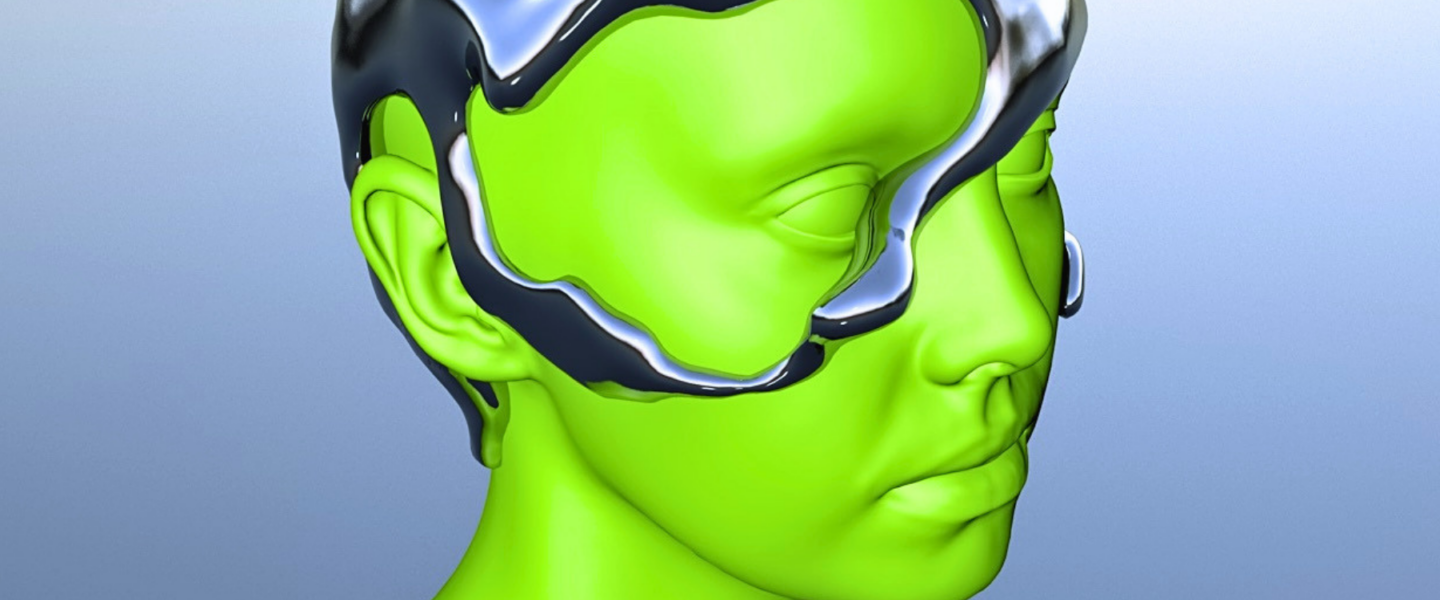
On 25 September, 2026 Sofja Hallik, doctoral student of Art and Design curriculum, will defend her doctoral thesis „Crafting Touch: Physical and Digital Approaches in Jewellery“ („Ehtekunst füüsilise ja digitaalse puudutuse vahel “).
The public defense will take place at 14.00 at EKA (Põhja pst 7), room A101.
The defence will be broadcast live on EKA TV.
Supervisors: Prof. Kadri Mälk (Estonian Academy of Arts, 1958–2023), Dr. Jaak Tomberg (University of Tartu), Prof. Nithikul Nimkulrat (OCAD University)
External reviewers: Dr. Katharina Vones (Royal College of Art), Dr. Roberta Bernabei (Loughborough University)
Opponent: Dr. Roberta Bernabei (Loughborough University)
Thesis is available in EKA digital repository.
Abstract:
What happens to craftsmanship when the hand is no longer the only maker?
Digital technologies have transformed how jewellery is imagined, designed, and produced. 3D modelling, 3D printing, simulation-driven design, and, more recently, AI have expanded the possibilities of creative practice. At the same time, they raise questions about touch, tacit knowledge, materiality, authorship, and creative agency. These questions are particularly relevant to jewellery, a field historically grounded in handwork, embodied skill, and direct engagement with materials.
In her doctoral research, artist and jewellery maker Sofja Hallik examines how digital technologies interact with contemporary jewellery practice and reshape the role of the maker. Developed over approximately ten years, the research spans a period of significant technological change and the growing integration of digital technologies into creative practice.
The practice-based research is centred on three case studies: handwork, hybrid-work, and machine production. Through the creation and analysis of three jewellery collections and their accompanying exhibitions, Hallik examines different relationships between the hand, tools, and materials. The three approaches are not treated as fixed categories, but as positions along a continuum shaped by varying degrees of manual work and technological intervention.
The findings demonstrate that digital and manual processes should not be understood as opposite forces, but as mutually informing components of contemporary jewellery practice. Digital technologies do not simply replace traditional craftsmanship. They change the conditions of making and enable new forms of experimentation, complexity, and precision. Hybrid making emerges as a methodology based on continuous interaction between human tactility and machine logic.
The research also shows that digital technologies transform rather than simply remove touch and tacit knowledge from jewellery practice. Direct tactile engagement may decrease as technological involvement increases, but embodied knowledge continues to inform digital decisions through parameters, commands, selections, and adjustments. The research therefore expands the understanding of touch through the concepts of digital touch and speculative tactility.
The dissertation’s central finding concerns the changing role of the tool. Hallik identifies three roles: tool as a tool, tool as a partner, and tool as a creator. These roles represent different degrees of agency and authorship. As technological involvement increases, tools can move from executing the maker’s intentions towards actively influencing or generating form. The maker remains involved by establishing parameters, evaluating possibilities, selecting outcomes, and translating digital forms into physical objects. Authorship can therefore become shared rather than singular.
The research demonstrates that traditional craftsmanship and digital production are not opposing approaches, but exist in a complex and evolving relationship. Digital technologies can extend jewellery practice without making embodied skill, material engagement, or the artist irrelevant. As AI and generative systems become increasingly present in creative practice, these findings also raise broader questions about how authorship and creative agency may continue to change.