

Climate Truth Crisis: Empowering young designers for future democracies
Scientists are studying the impact of climate change denial and disinformation on democratic society. The initiative focuses particularly on how to enable young visual communication students to assess climate-related news and visualize the spread of disinformation. The leading research question is: If democracy requires that voters are well-informed to make political choices, how can visual communication engage people in serious issues and help them distinguish news from fake news to effectively drive sustainable change?
Head of research: Ott Kagovere
Research Team Member: Kert Viiart, Maria kesküla
Project period: 2024-2026
Funding: Erasmus+
ETIS:
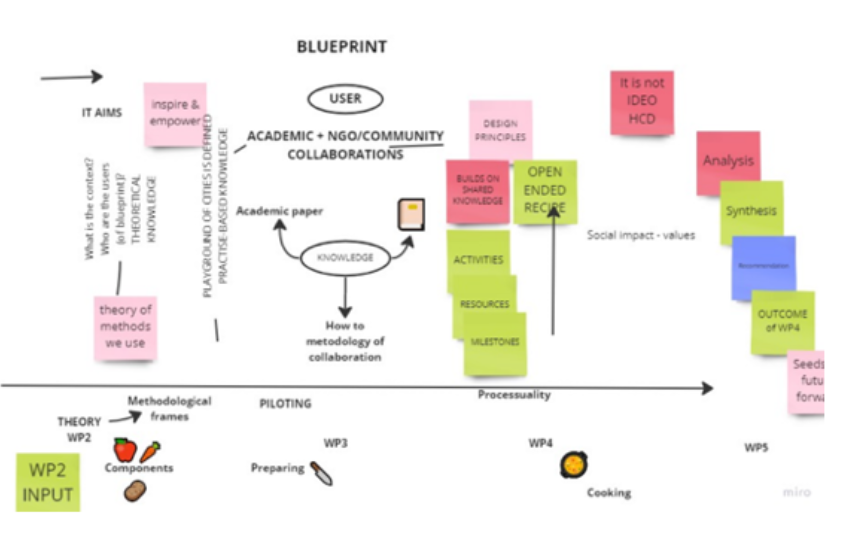
Change Agents – Blueprints for Inter-institutional Collaborations in Social Design
The aim of the project is to bring the academic sector and the ecosystem of non-governmental organizations closer together and create a deeper understanding among these key stakeholders, enabling them to promote collaborative, inclusive, and participatory practices in design and design education, while recognizing existing knowledge from various interest groups, using innovative approaches in social design.
Head of research: Ruth-Helene Melioranski
Research Team Member: Eva Liisa Kubinyi
Project period: 2022-2024
Funding: Erasmus+
ETIS: link
Liveability – Designing public services for resilient neighbourhoods
The Liveability project trains public administration bodies in innovative ways to engage people in creating livable and attractive urban environments that adapt to people’s needs.
Head of research : Ruth-Helene Melioranski
Members of the research and development group: Johanna Holvandus, Jörn Frenzel, Ott Kagovere, Maria Kesküla, Kert Viiart
Project period: 2023-2026
Funding: Interreg BSR
ETIS: link
Completed Projects:
A6033URM1 Preparatory Studies for the Renewal of Tallinn’s Signage System
The project conducted a comprehensive analysis of Tallinn’s existing signage system, which enabled understanding the system’s strengths and weaknesses to find and develop the best solutions. Subsequently, a user study was conducted to understand the needs and expectations of city residents, ensuring that the solutions met their needs.
Throughout the work, city guidelines and recommendations were always considered to ensure that activities were in line with the city’s strategic objectives. The project also strictly adhered to the activity schedule and budget to ensure efficiency and cost-effectiveness.
As needed, students, faculty, and other individuals were also involved to provide a diverse and innovative approach and to engage various stakeholders and knowledge.
Head of research: Ruth-Helene Melioranski
Collaboration Partner: Tallinn Strategy Center
ETIS: link