
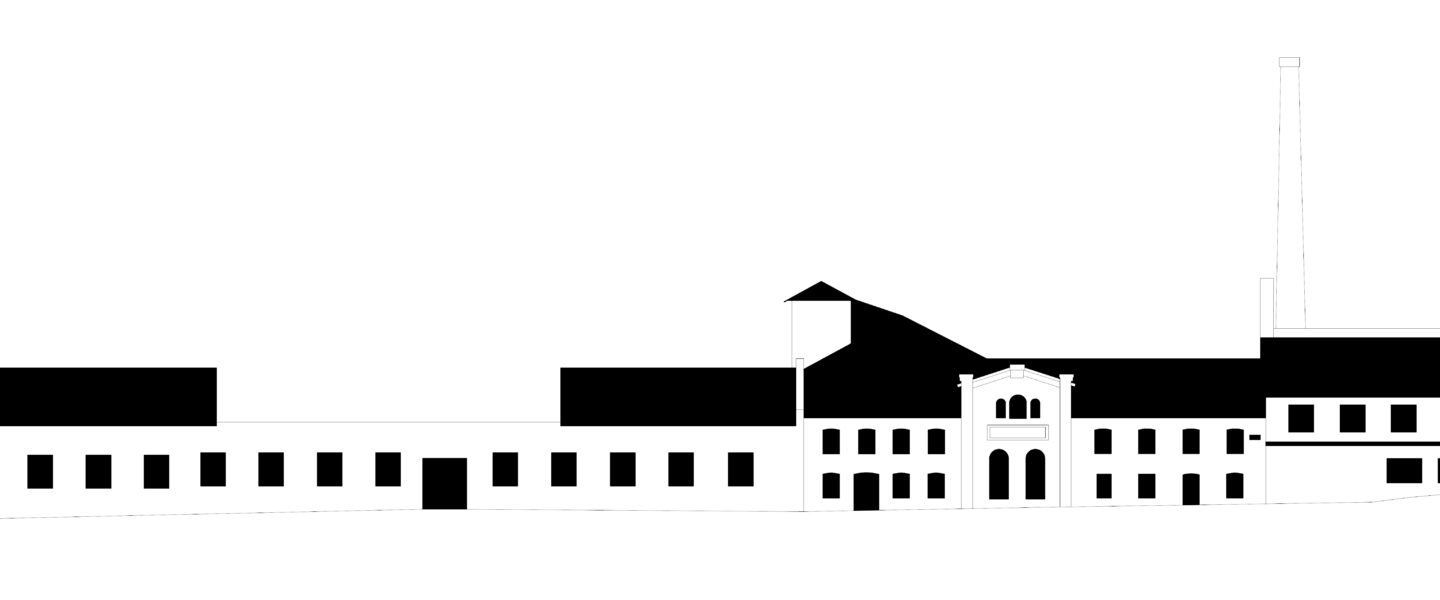
Joaveski rahvamaja, Joaveski küla, Kuusalu vald
Start Date:
31.10.2025
Start Time:
15:00
End Date:
01.04.2026
We are opening the exhibition “Abandoned Landscapes. Joaveski Paper Factory” on October 31st at 3:00 PM at the Joaveski Community Center, at Lahemaa.
The exhibition presents projects and models by students of the EKA Architecture and Urban Design curriculum, which explore how to value and revitalize the historic Joaveski paper factory.
The Estonian Academy of Arts’ Faculty of Architecture and the Department of Heritage Protection and Conservation organized the interdisciplinary “Abandoned Landscapes” workshop for the fourteenth time at the beginning of this year, where efforts are being made to find modern solutions for disused building complexes. This year’s workshop, professional studio and exhibition were created in collaboration with the Joaveski Village NPO, which has taken it upon itself to value the abandoned paper factory as a landmark.
The authors of the completed projects are now 3rd year architecture and urban design students: Maria Johanna Ahtijainen, Oskar Toomet-Björck, Elisabeth Ersling, Nele Lisette Hera, Heidi Jagus, Katariina Klammer, Eliis Kurvits, Lilian Källo, Lisandra Lipp, Marie Elle Melioranski, Mark Metsa, Mart Nael, Joonas Ott, Elenor Pihlak, Harriet Piirmets, Robin Pints, Elisabeth Tomingas, Katariina Vaher, Aliis Vatku, Martin Vatku.
The projects were supervised by architects Joel Kopli, Koit Ojaliiv and Juhan Rohtla from the architectural office KUU, advised by LCA consultant Anni Oviir, and the landscape architecture section was supervised by Katrin Koov and Arvi Anderson. Andres Õis welcomed and introduced the history of Joaveski.
The exhibition is supported by MTÜ Joaveski küla and AS Maru.
The exhibition will remain open at the Joaveski community center during library opening hours until April 1, 2026. Open Monday and Friday 9:00 – 16:00 and Wednesday 11:00 – 15:00.
About the history of the Joaveski factory
The construction of the Joaveski cardboard factory began in 1899 and is a vivid example of how the feudal Loobu manor adapted to the new capitalist economic environment at the end of the 19th century, which resulted in the establishment of an industrial enterprise. Joaveski developed into a small industrial village in a place of natural beauty. Today, a hydroelectric power plant operates at the heart of the factory, but most of the rooms have lost their purpose.