
On Tuesday, 8 September, at 11:00–12:30 (EEST), the public peer review of Art and Design doctoral student Lígia Fernandes’s first case study, “Love Lies in the Margins,” will take place online via Zoom (Meeting ID: 627 5163 9948
Passcode: 710595).
Supervisors: Jaana Päeva, PhD (EKA); Prof. Elo-Hanna Seljamaa (University of Tartu)
Reviewers: Prof. Kai Lehikoinen (Uniarts Helsinki); Dr. Bianca Elzenbaumer (Goldsmiths, University of London)
Two key questions surrounding socially engaged art projects are: What brings us together, and how do we continue? Through over ten years of practice, I have observed that the answers seem connected to the quality of the projects’ relationships and the systems that sustain them. In this context, love emerged as a foundational point of research, followed by economy as a sustaining practice.
The research explores relational systems through three dimensions: Collaboration, Repair, and Continuity. This first case study focuses on Collaboration through artistic projects developed in Lisbon’s urban peripheries between 2022 and 2025. Marked by social housing and informal neighbourhoods, these areas are inhabited largely by African, Afrodescendant, Roma and Portuguese communities. Facing migration and limited resources, while also carrying ancestral and rural collaborative practices, these communities have developed diverse forms of collaboration and interdependence. Community economies and informal practices provide fertile ground for relationship-based artistic practices.
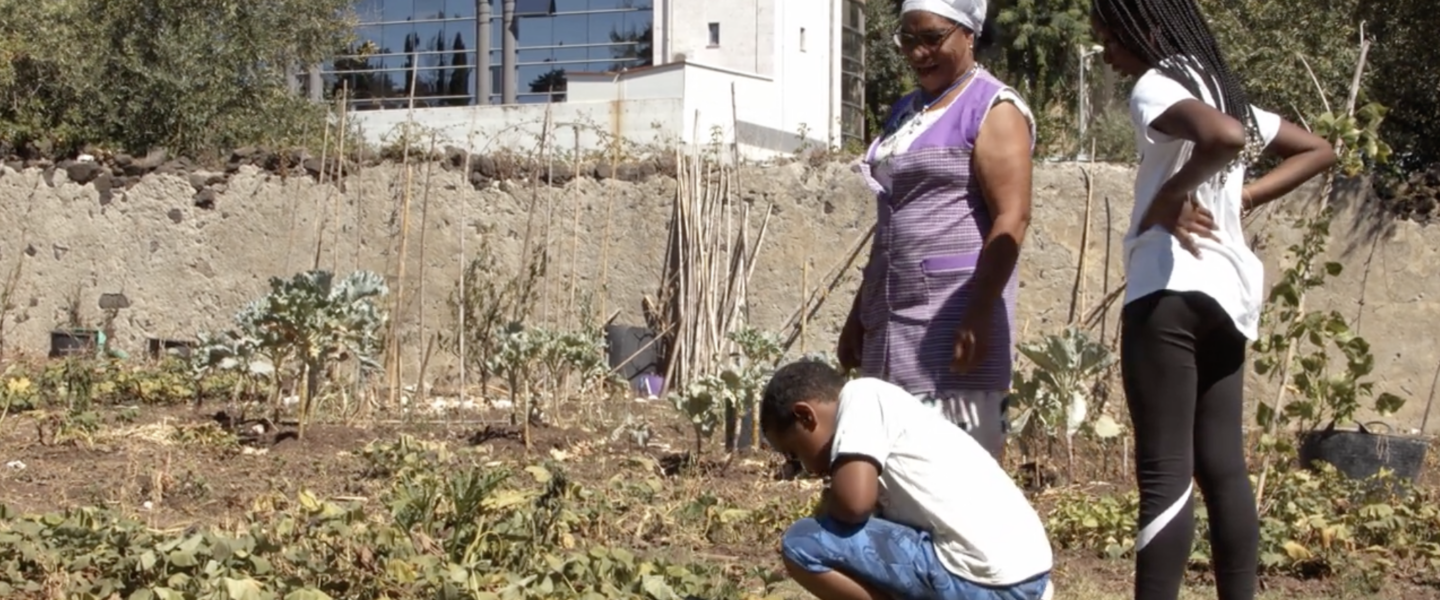
The projects included multidisciplinary residencies, exhibitions, public programmes, public artworks and activities with children. Through artistic practice, autoethnographic reflection and public data analysis, the case study examines how collaborative networks emerged, how relationships and projects transformed one another, and how these local practices connected with wider artistic and research networks. Rather than following a predefined methodology, the report reconstructs the gradual emergence of its central concepts through practice and reflection.
By examining collaboration through the perspective of love, I argue that a deeper understanding of these relational systems can provide insights into more sustainable artistic practices and economies, as well as ways of communicating their impact to partners, participants and researchers.