
Since autumn 2018, the Art History and Visual Culture and Cultural Heritage and Conservation MA programmes at the Estonian Academy of Arts have also offered the choice of specializing in Museology. The purpose of the Museology module is to give knowledge and skills needed for working in various positions at art, architecture and design museums (and more broadly in museums that act as repositories for cultural treasures): as curator, head of collection, education and audience programme designer, communication or development specialist and project manager. All of these positions require both specific competence and a general understanding of what an art museum does and why and how it functions. The Museology module provides practical skills and theoretical knowledge for working in a museum, and creatively and critically encourages people to explore the role and goals of a museum on the field of contemporary culture. While the field of museology as such involves all museums, the Museology module at EAA focuses on art museums and features that are specific to them.
Museology
News and events
Collected relationships: The Sámi–Finno-Ugric–Estonian nexus
The book accompanies the exhibitions no beginning, no end: Decolonial Gestures in Sámi Worldbuilding and Expedition: Finno-Ugrians and the Power of Images. Born out of dialogue, the two exhibitions share a concern with the connections between knowledge, images, and power. Simultaneously, they are motivated by a desire to highlight the potential that art and heritage offer for activism. The ...
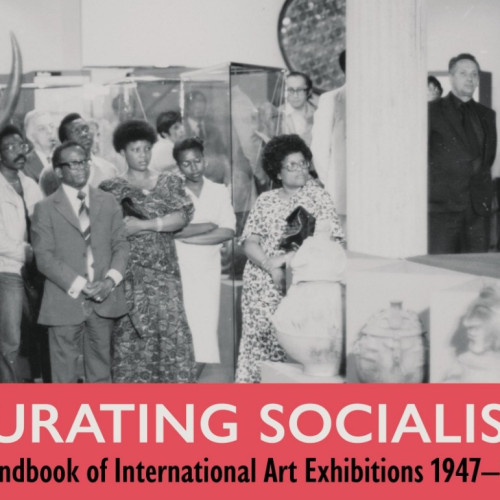
KVI Open Lecture: Sven Spieker & Anders Härm “Curating Socialism”
The starting point for the discussion is the recently published book Curating Socialism: A Handbook of International Art Exhibitions 1947–1989 (University of Toronto Press, 2026), which examines international art exhibitions organised by socialist states and curatorial practices during the Cold War. In this context, exhibitions are understood not merely as instruments of diplomacy and ...
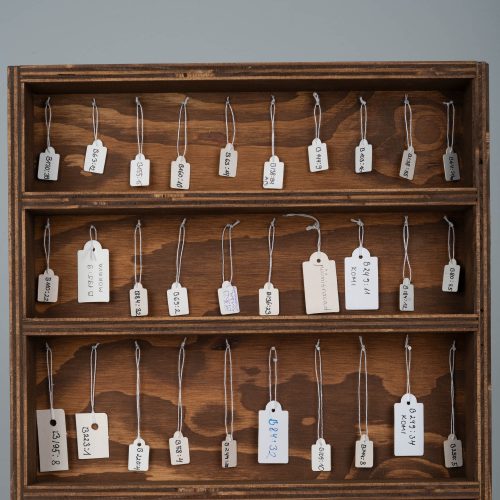
Conference: Giving Voice to Museum Collections: Finno-Ugric and Sámi Heritage Today
The collections of Finno-Ugric and Sámi heritage in Estonian museums are shaped by long and sometimes contested histories. They preserve not only material objects, but also forgotten narratives: Indigenous knowledge, relationships and voices that have largely remained undocumented or marginalised. This conference seeks to examine the histories of these collections, and, most importantly, to ...
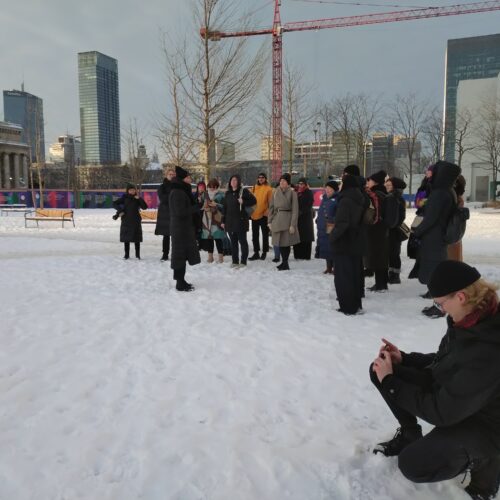
Museology study trip to Warsaw
This year’s museology study trip took place in Warsaw from January 12–16 and served as a continuation of the course “The Museum in Theory and Practice.” During the study week, participants visited six museums and galleries and delivered short presentations on the topics of Warsaw’s urban planning and architectural history. The study trip began with a visit to the National Museum in Warsaw, ...
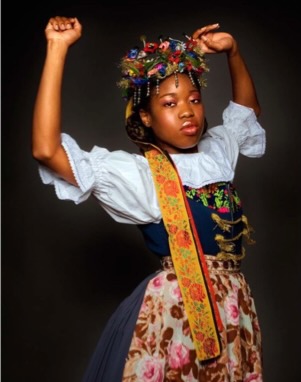
KVI Open Lecture: “Decolonial Museology Re-centered: Thinking Theory and Practice through East-Central Europe”
Decolonization has become an important keyword and marker of change in contemporary museum landscape. But how could we understand and embed it in the Estonian context? On Tuesday, October 21st at 6PM Estonian Academy of Arts will host a public event that will focus on the meanings of decolonization in museums by bringing together local, regional and international perspectives and by ...
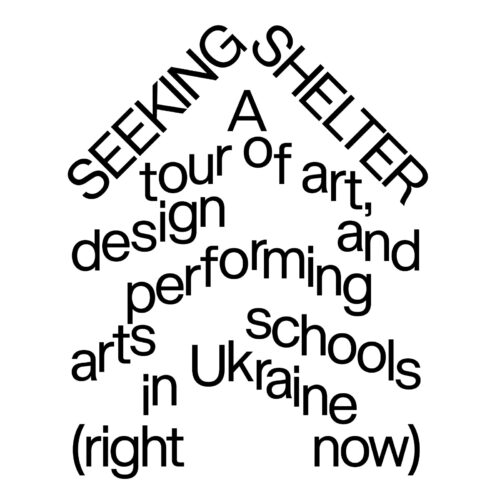
Open Lecture: Seeking Shelter
David K. Ross and Rebecca Duclos (EKA Visiting Lecturers, MACA, Museum Studies) recently travelled across northern Ukraine to visit 8 arts schools in Lviv, Kharkiv and Kyiv. David will be showing images from this trip and discussing some of the pressing issues facing arts eduction in Ukraine at this moment.