
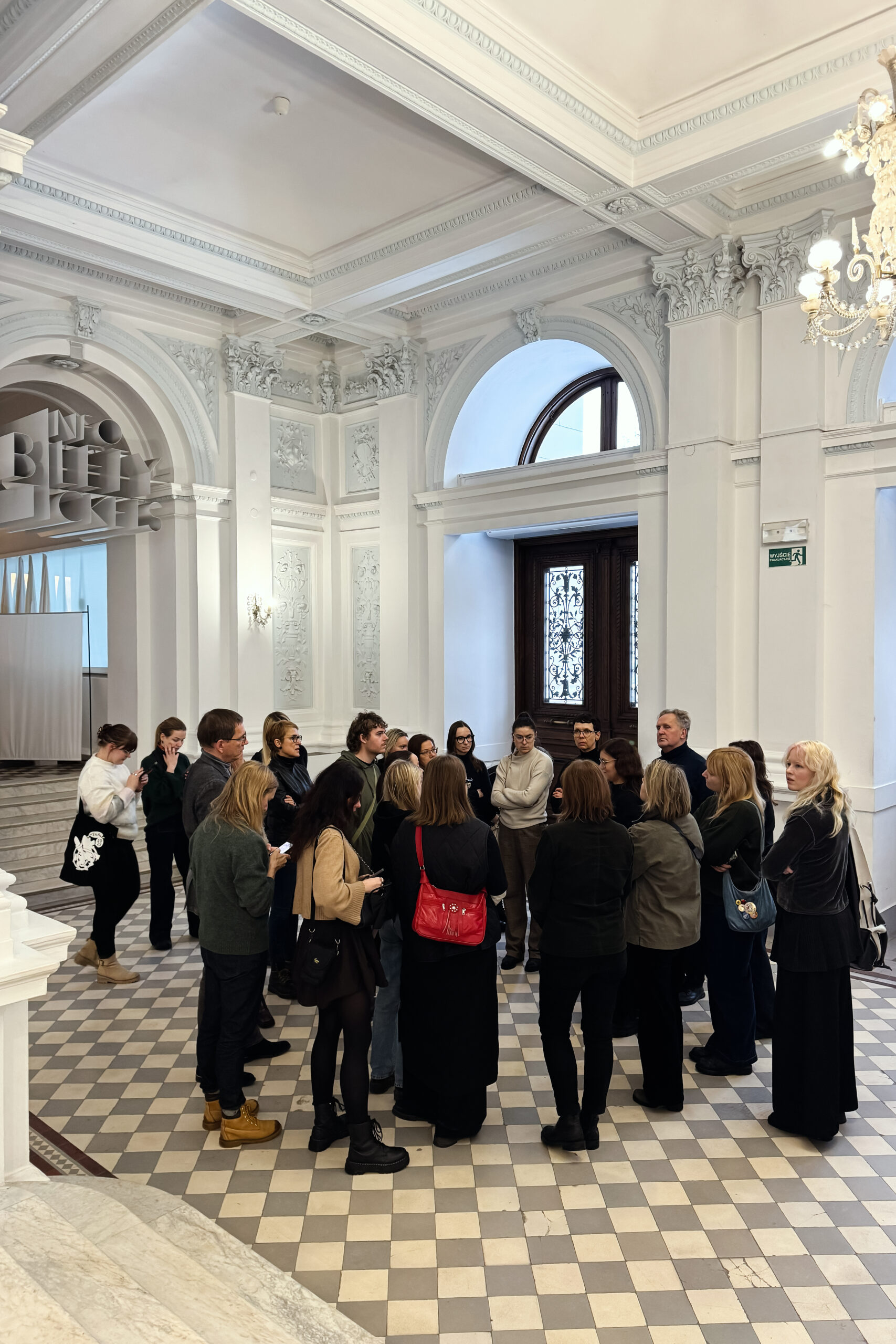
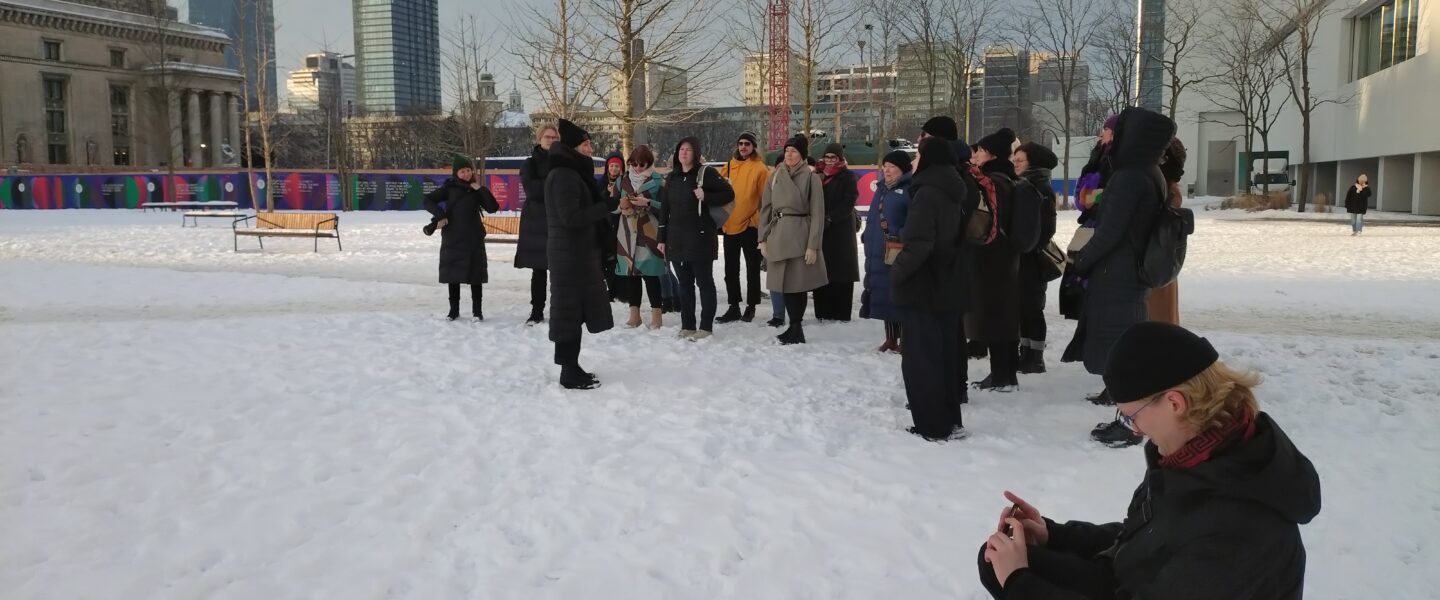
This year’s museology study trip took place in Warsaw from January 12–16 and served as a continuation of the course “The Museum in Theory and Practice.” During the study week, participants visited six museums and galleries and delivered short presentations on the topics of Warsaw’s urban planning and architectural history.
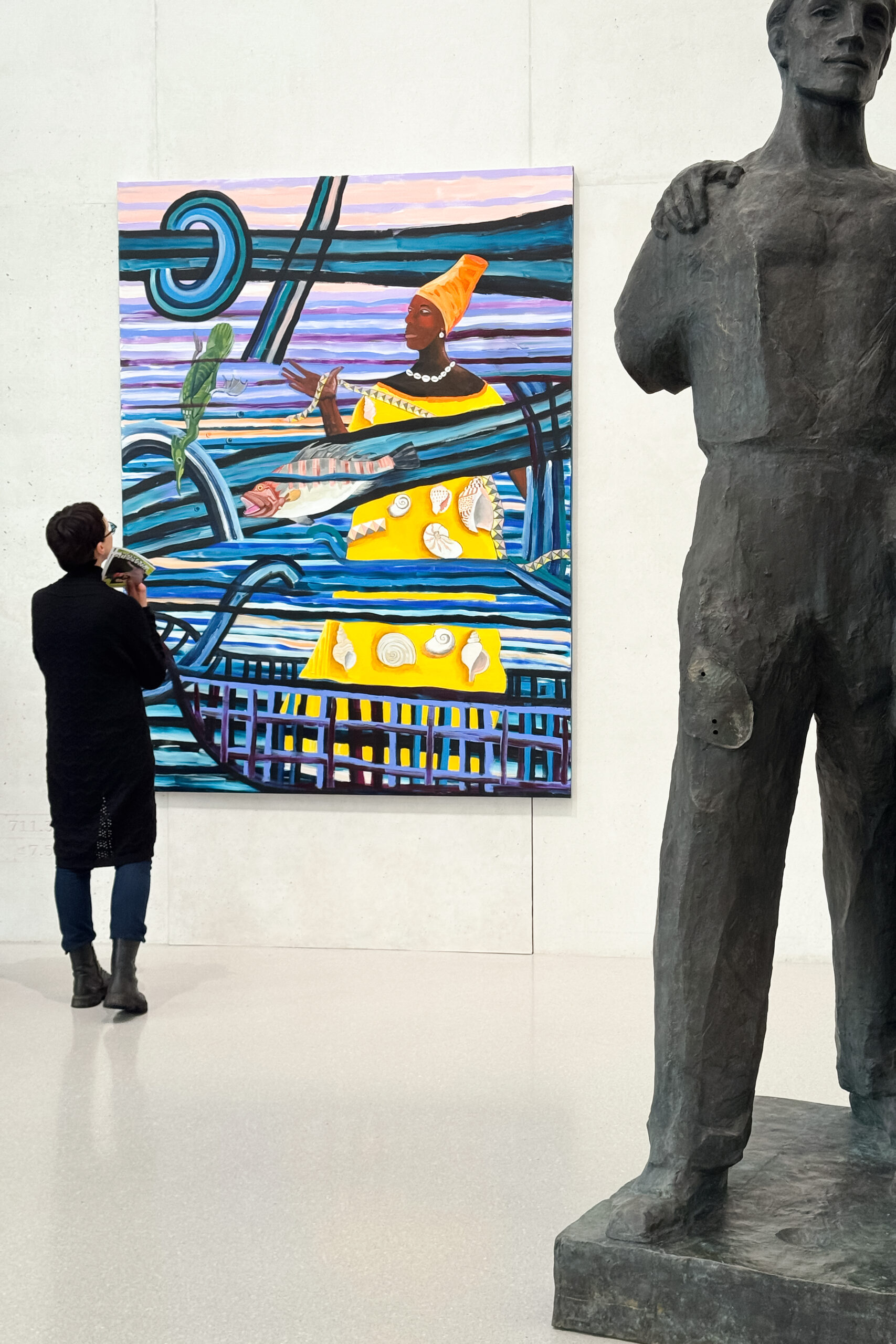
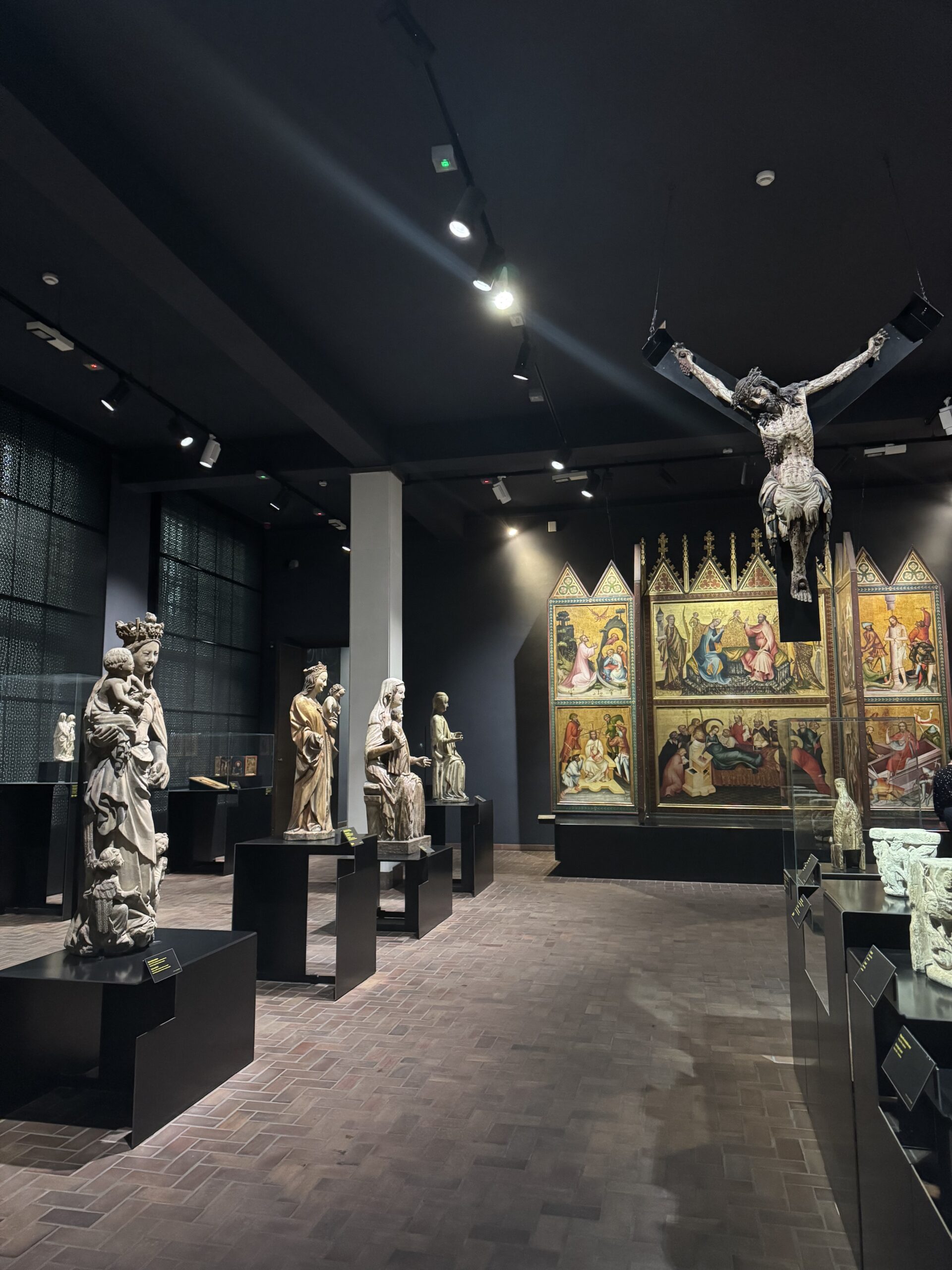
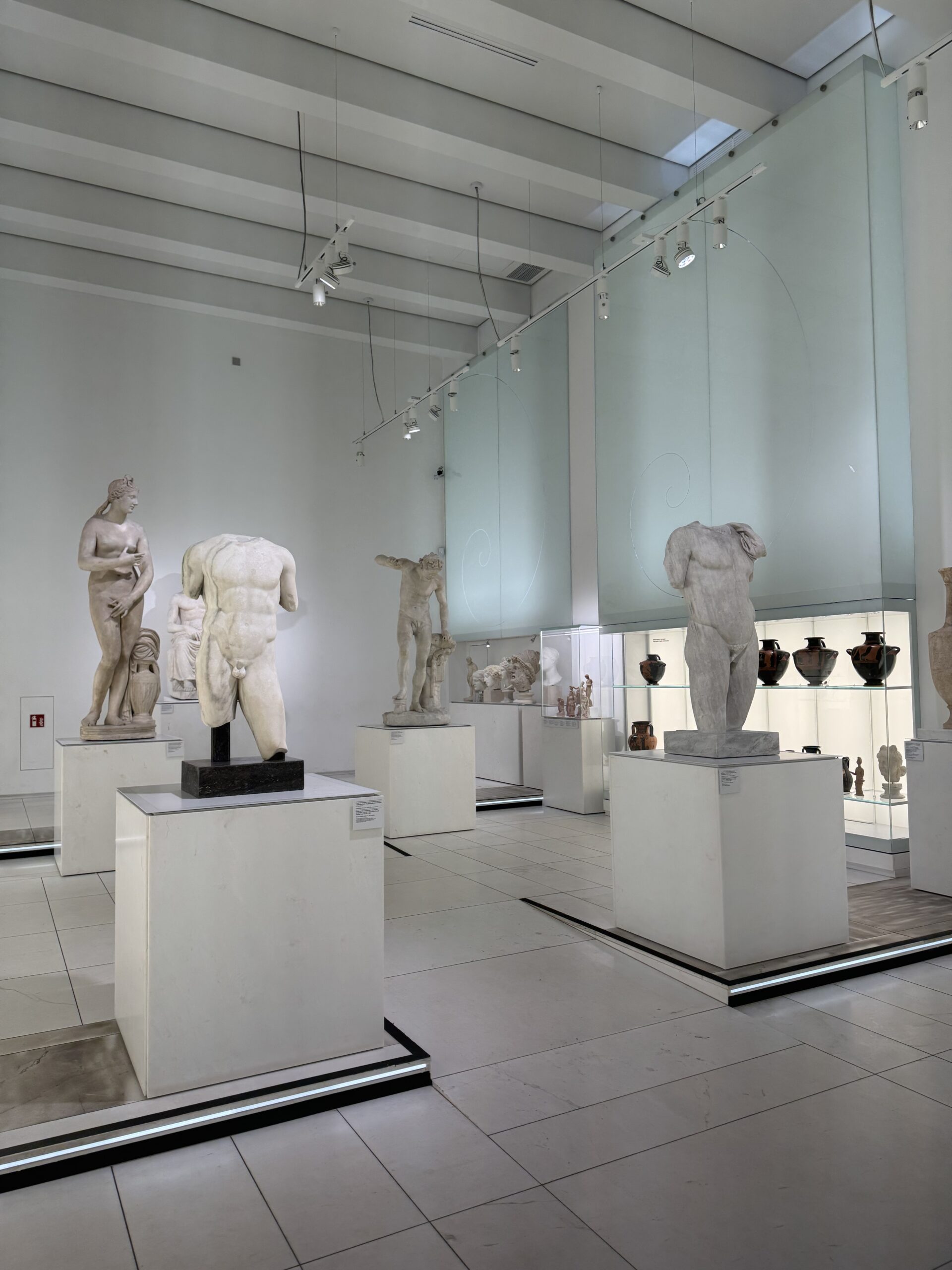
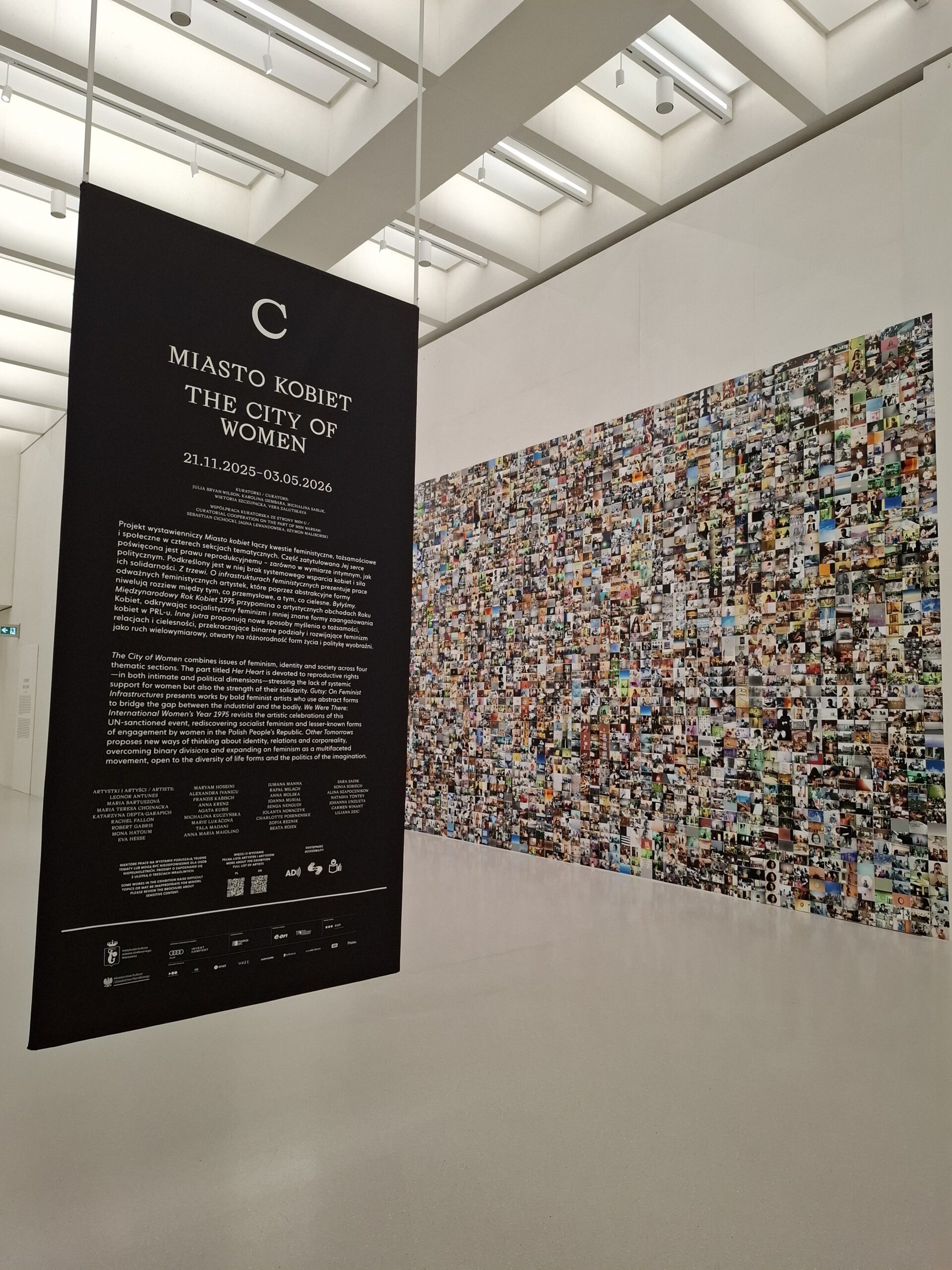
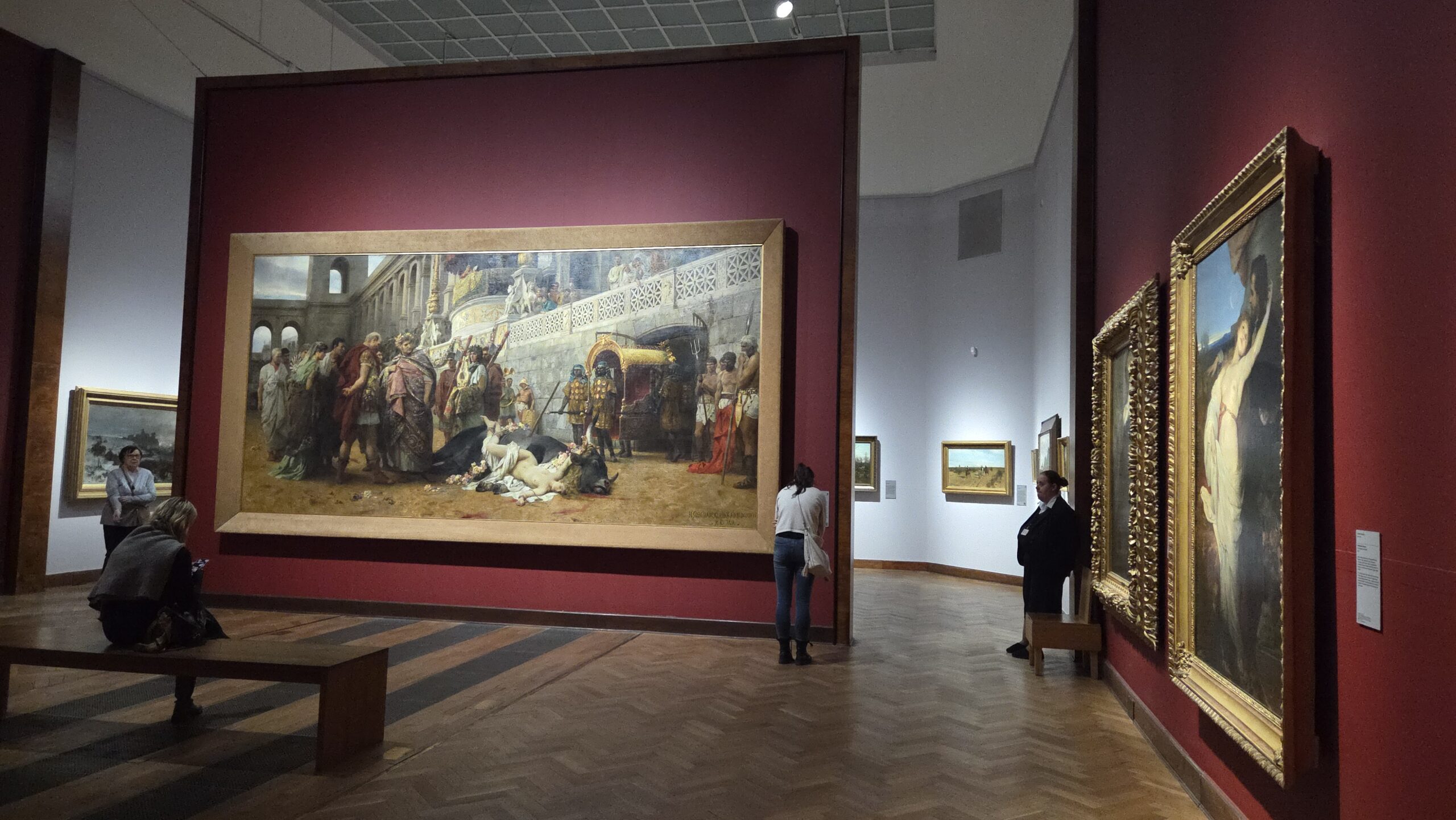
The study trip began with a visit to the National Museum in Warsaw, where exhibitions across three floors focused on six different themes: the Gallery of Ancient Art, the Faras Gallery dedicated to Nubian art and culture from the 4th to the 15th century, the Gallery of Medieval Art, the Gallery of Old Masters, the Gallery of 19th-Century Art, and the Gallery of Polish Design. In the second half of the day, the group headed to the Museum of Modern Art, offering a contrast to the canonical national museum. The historical exhibition “The Woman Question 1550–2025” highlighted the contribution of women artists to art history over the past 500 years, while “Women’s City” presented the diverse aesthetics of feminist art. Visitors could also see an exhibition held as part of the Kyiv Biennial 2025, reflecting contemporary geopolitics and questioning historically constructed notions of East and West.
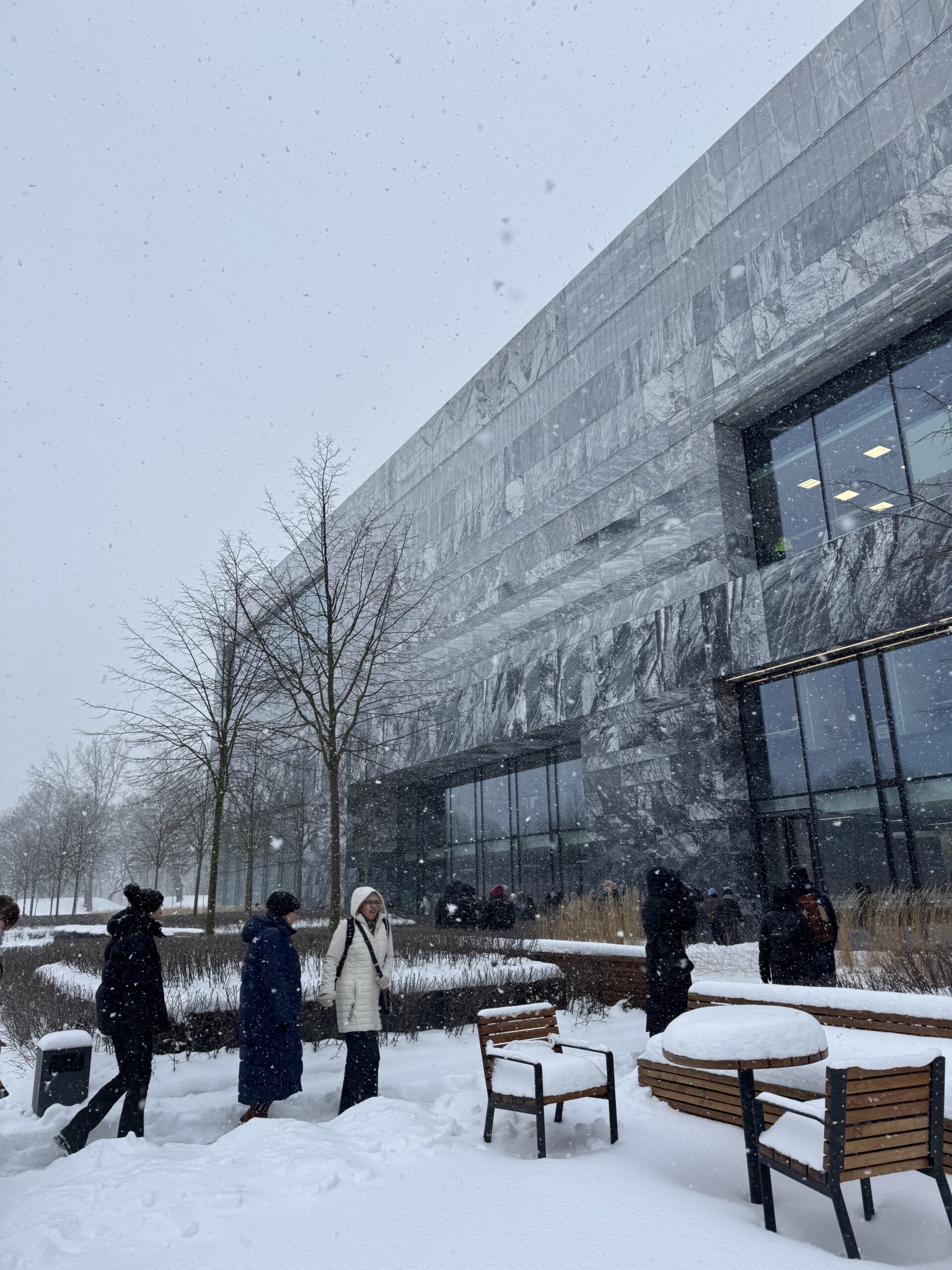
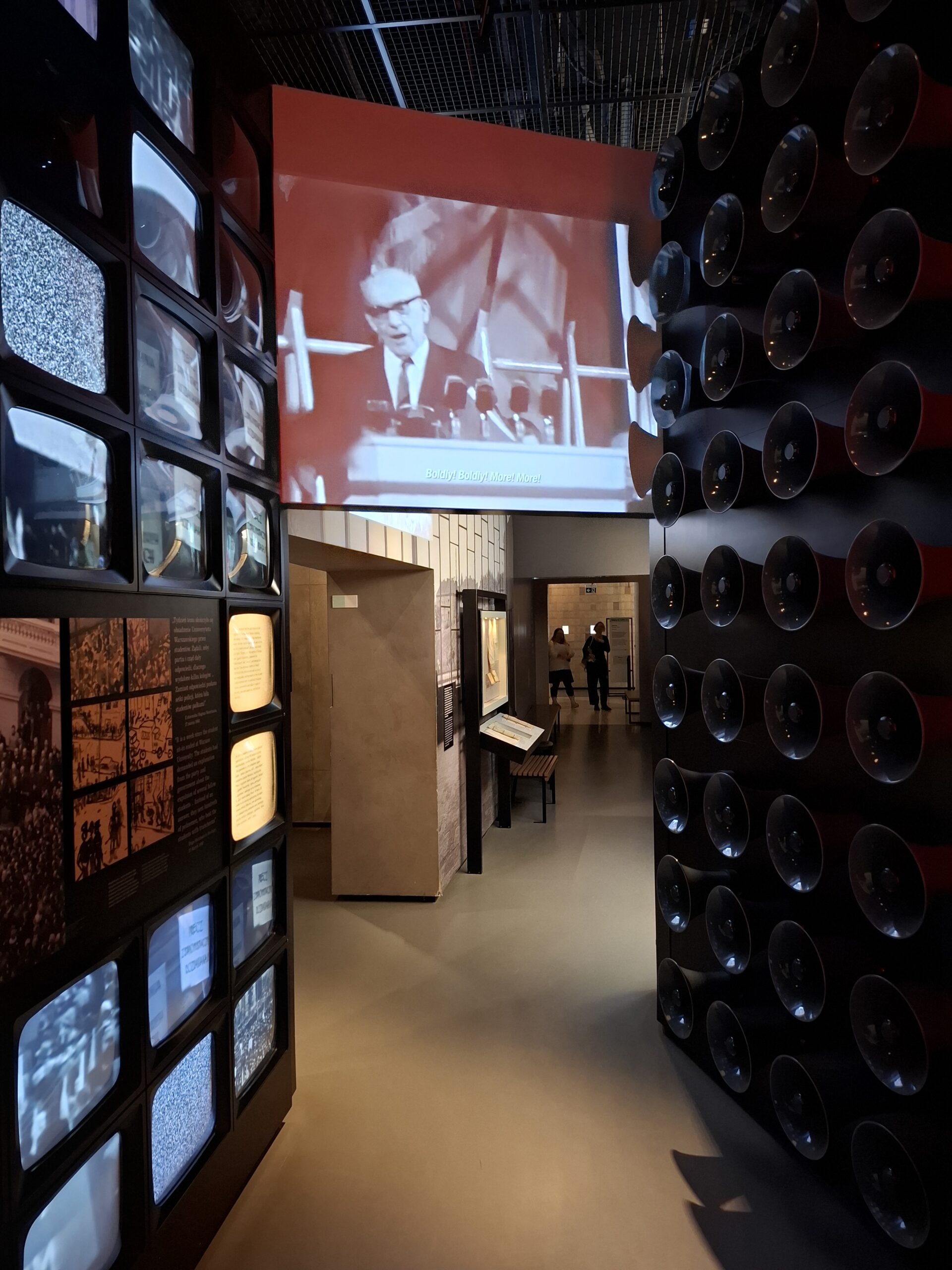
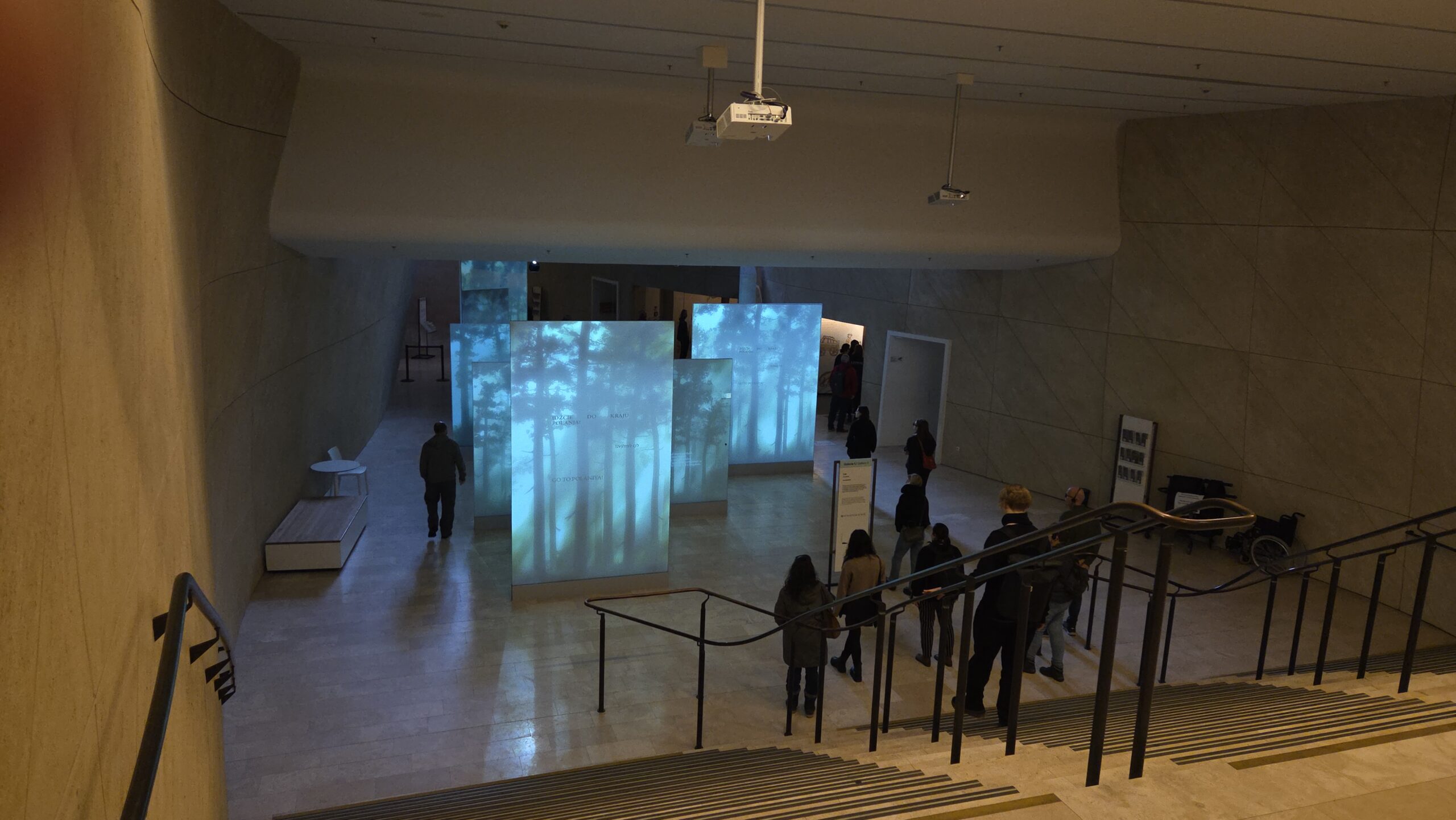
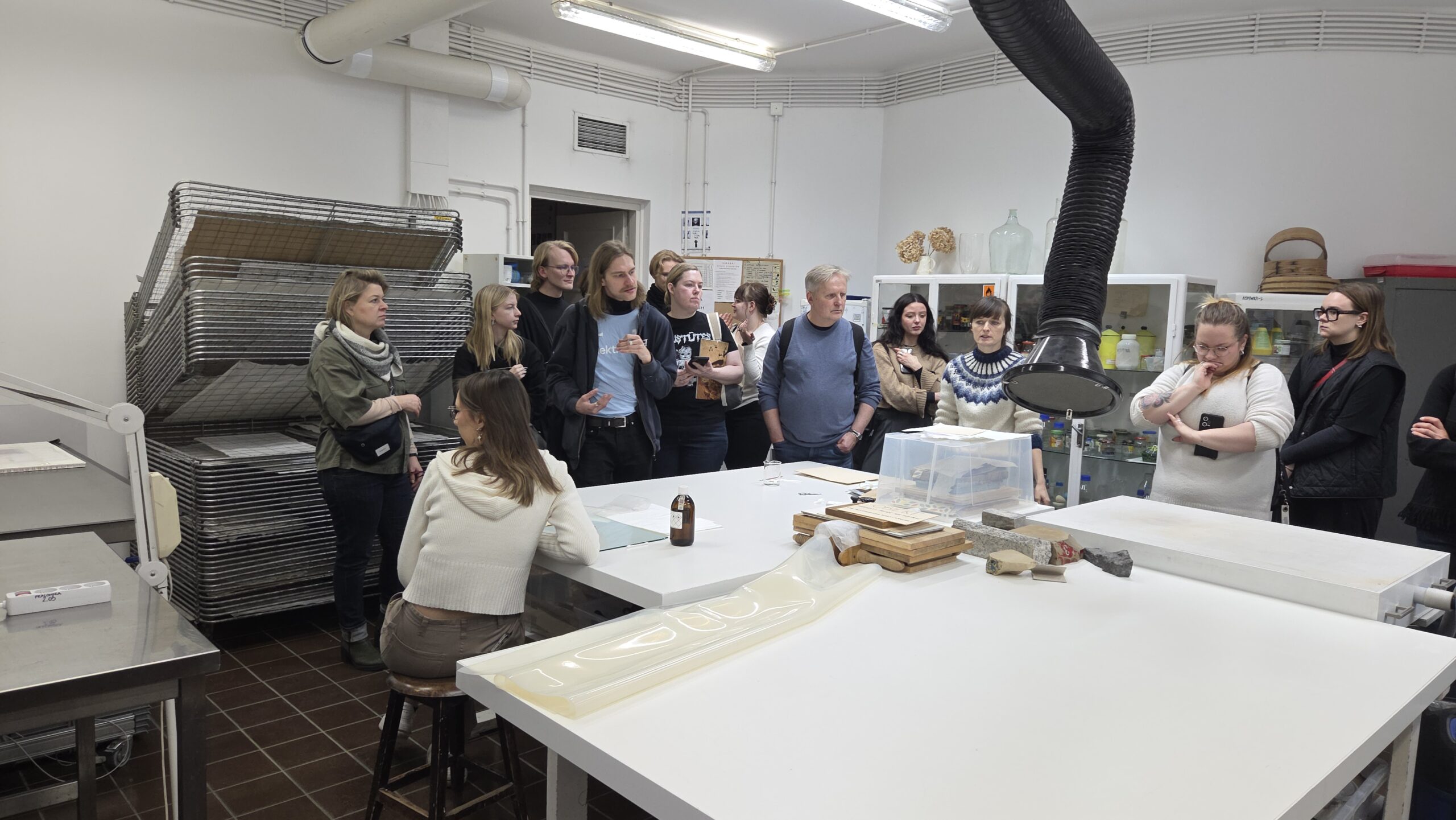
The second day began with a visit to the conservation department of the Warsaw Academy of Fine Arts, where participants were given a tour covering several floors and departments. In addition to painting and sculpture, students at the academy can specialize in the conservation and restoration of paper, textiles, graphic art, and contemporary art. The afternoon was spent at the Polish History Museum building, completed in 2023, where—guided by a curator—the group viewed the developing permanent exhibition. Its central theme is “freedom,” and it employs extensive multimedia and monumental spatial installations to present history.
The third day started at POLIN, the Museum of the History of Polish Jews, with its large-scale permanent exhibition. The exhibition presents 1,000 years of Polish Jewish history, highlighting traditions, culture, and heritage. This was followed by a visit to the Zachęta National Gallery of Art, which hosted academic art salons in the early 20th century and now focuses on contemporary art, including exhibitions addressing international and historical relations.
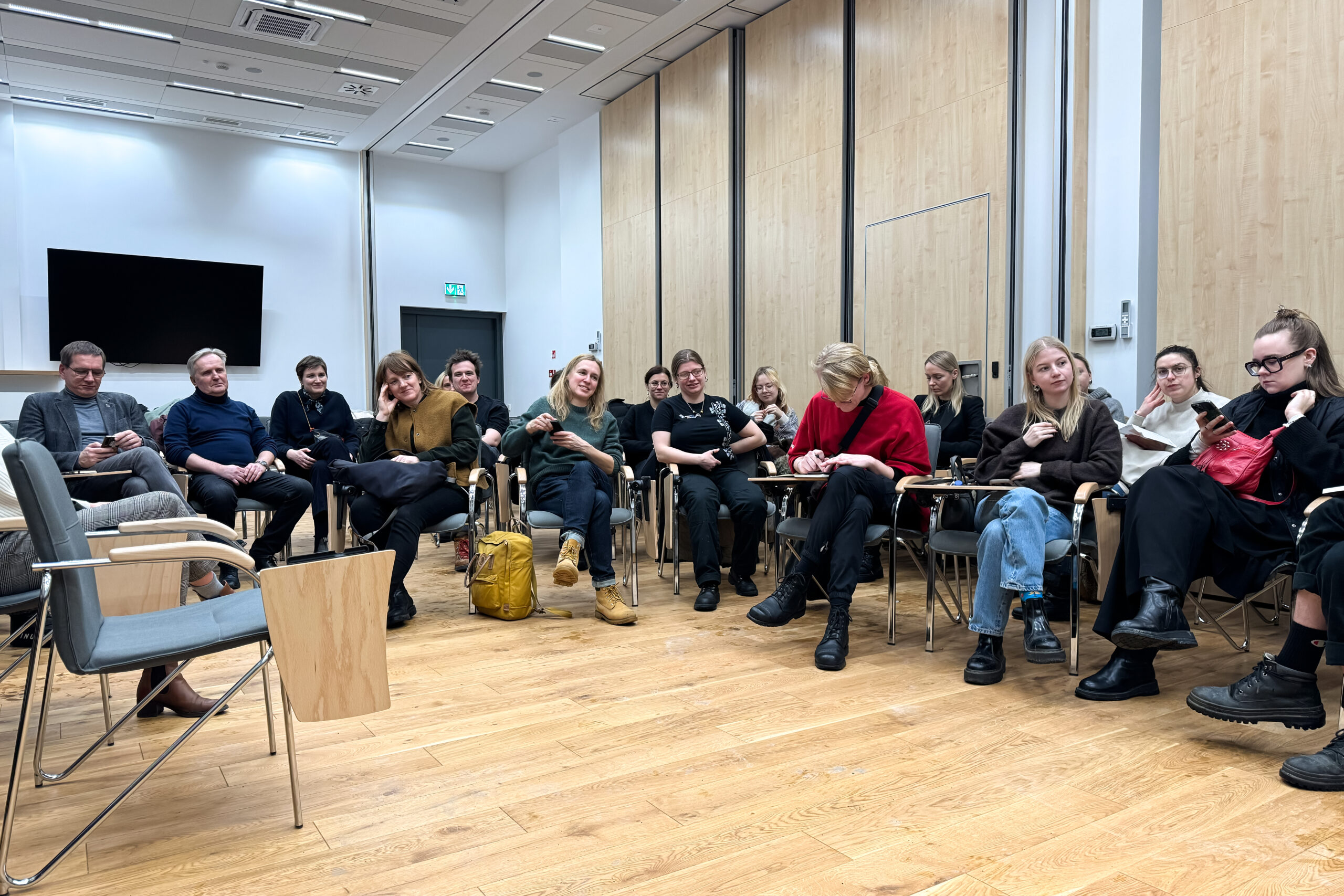
The days concluded with seminars held at the Faculty of Sociology at the University of Warsaw, where participants discussed and analyzed their experiences in Polish museums. Questions about the Polish museum landscape and curatorial practices were addressed by Professor Joanna Wawrzyniak and her doctoral students, as well as Karolina Labowicz-Dymanus from the Institute of Art of the Polish Academy of Sciences.
The study trip was attended by MA students of art history and visual culture studies, as well as heritage conservation and restoration: Sigrit Nasari, Gertu Soosaar, Melissa Tihhonova, Ivika Puust, Caroline Murumägi, Eva Voog, Emili Kelle, Hanna Õunapuu, Lisette Metsniit, Karl Markus Mäekivi, Daisy Lappard, Anneli Erik, Ekke Janisk, Alissa Melnikova, Hans Alla, Laura Arum-Lääts, Emma Õnne, Kersti Peetris, Marten Rõuk, and Karen Aasa, as well as micro-credential students Kadi Kapral, Maarja Loorents, Siret Polli, Kelli Gedvil, Helena Pärenson, and Ivo Kuldmäe. Also present were research coordinator Annika Tiko and lecturers Anu Allas, Epp Lankots, Johannes Saar, Liza Sedler, and Linda Kaljundi.
Text by Emma Õnne.
Pictures by Laura Arum-Lääts, Daisy Lappard and Emma Õnne.
Trip was funded by