Textile Design

The specialization is an option within the curriculum of Fashion, Textile and Accessory Design.

High-level textile design education

The field of textile has deep cultural and economic meanings, encompassing knowledge and stories from different eras; tradition, and traditional techniques. In modern textile design both old skills and the latest developments in materials and technologies find creative application, which have brought revolutionary changes to the development and refining of textiles. New and exciting textile use often arises from the combination of forgotten skills with modern problem-solving and innovative technologies.

How does learning take place?

Over the course of three years, expertise is acquired about modern material culture, design theories, and methods; skills are developed for integrating them into the creative process. The education provides broad skills for developing ideas, technical knowledge for producing textiles, designing textile products, and developing them to be production-ready.

The curriculum includes theoretical and practical courses, both mandatory and elective. Small study groups ensure individual guidance and immediate feedback for the student throughout the learning process. In addition to specialized technologies, students also learn about the entire design process, from idea to finished product. Proficiency is also acquired in various necessary computer programs (including Adobe Creative Suite, Weave Point).

In addition to textile specialists, interior architects, visual artists, product designers, and fashion designers are involved in teaching and mentoring. Activities often take place in collaboration with other departments, universities, and companies. Collaborative projects provide designers with the necessary problem-solving skills, real-life work experience, and the opportunity to see their creations as actual products.

Future prospects

Graduates of the Textile Department have a wide range of career opportunities. With the acquired knowledge and skills, graduates can focus on personal creative practice in the design or art field, or work as textile designers in companies involved in fashion or interior textile design. Textile design graduates have also continued in doctoral studies, focusing on developing the field through research. Textile design alumni also work as stylists, accessory designers, product developers, display designers, illustrators, retail buyers, or apply their creative skills in other ways.
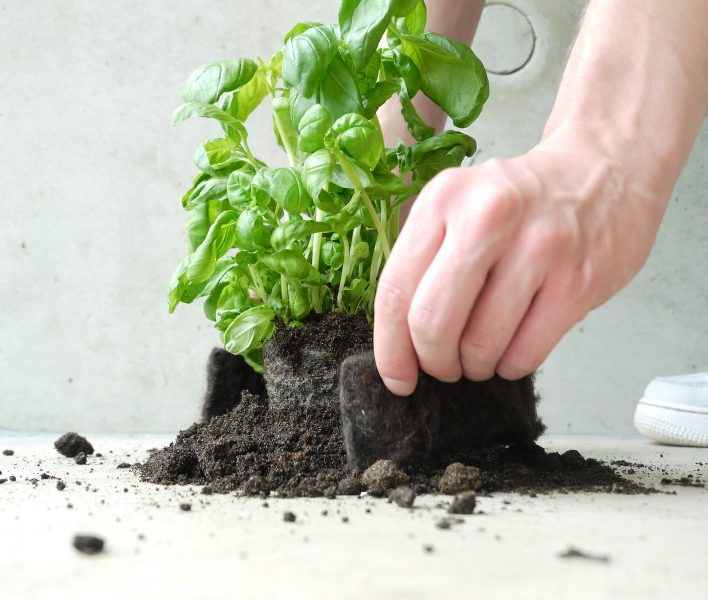
Woolgae
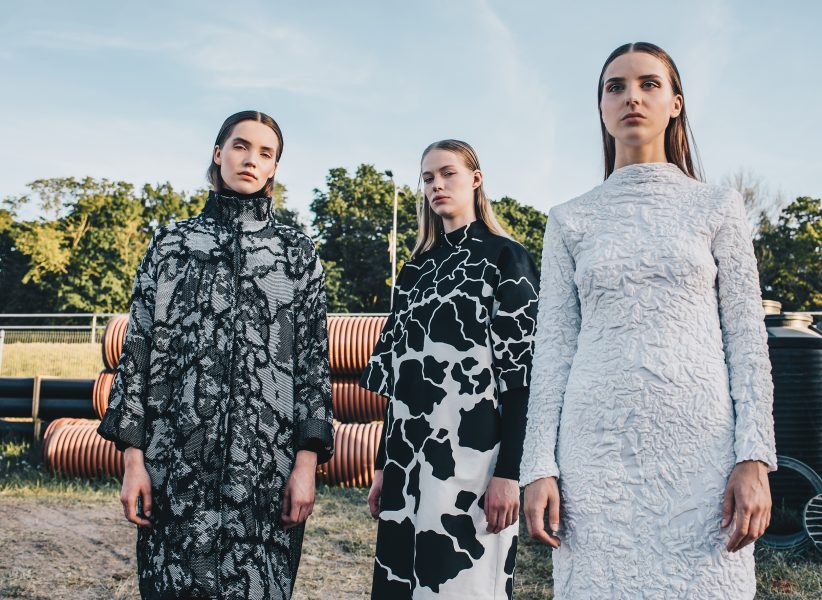
Autor ja foto_ Emily Cai. Tööstuslik kudumine
Liina_Leo 2018. Foto Marleen Muhuste_
Katariina Kruus, Ann Müürsepp. Foto Gerda Nurk
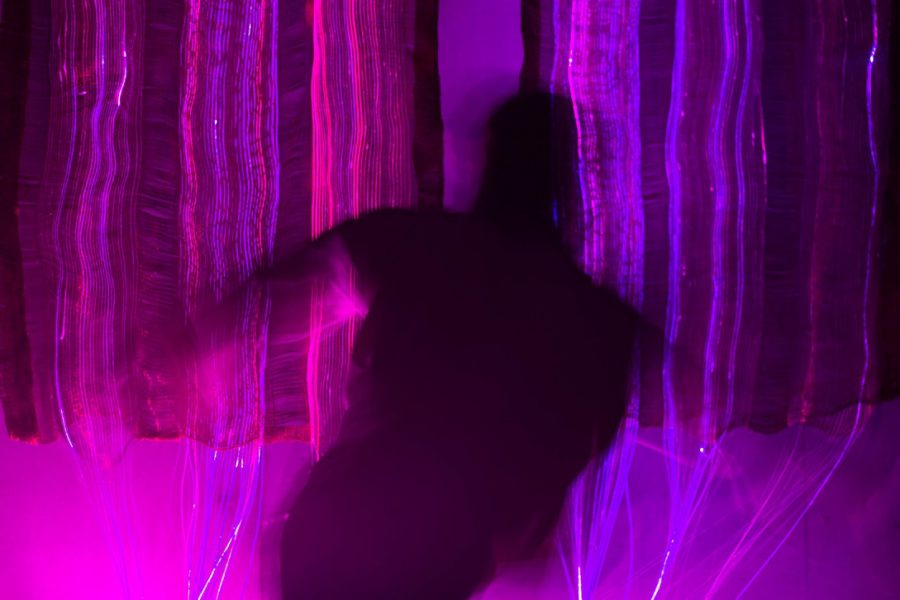
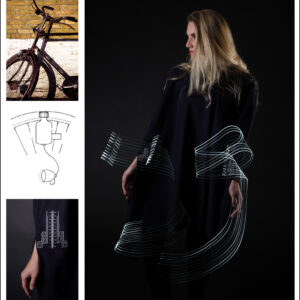
Autor ja foto_ Arife Dila Demir.AURA, interactive light emitting textile installation, 2019

News and events

botex_A3_b3mm

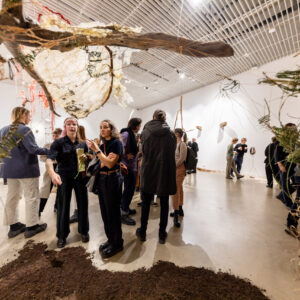
Exhibition “BOTEXsemantic Garden / Hortus BOTEXemanticus” 

From 21 November to 4 January, the Palm Hall of the Tallinn Botanical Garden will present the exhibition “BOTEXSEMANTIC GARDEN / HORTUS BOTEXEMANTICUS” by Kadi Kibbermann and Piret Valk, lecturers from the Department of Textile Design at the Estonian Academy of Arts. The exhibition presents experimental textile installations that tell the story of the role and meaning of plants in the lives ...
tekstiililoengud4

Open Lecture: Bintan Titisari “Natural Dyes Ecosystem in Textile and Fashion Industry”

Teams link: https://events.teams.microsoft.com/event/5c5cc647-a839-4491-a006-cc7c3dc2013d@6d356317-0d04-4abc-b6b6-8c9773885bb0 Bintan Titisari (Postdoctoral researcher, University of Leeds, Colour4CRAFTS) “Natural dyes ecosystem in textile and fashion industry” (in English, online) Description: Natural dyeing is one of the oldest traditions in European textiles, deeply tied to cultural ...
tekstiililoengud3

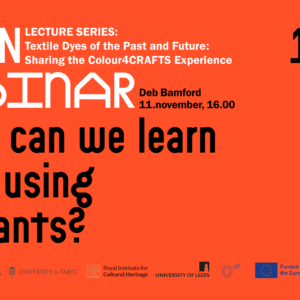
Open Lecture: Deb Bamford ”What Can We Learn from Using Mordants?”

11.11 16.00 Deb Bamford (doctoral researcher, University of Leeds, Colour4CRAFTS) ” What can we learn from using mordants?” (in English, online) In natural dyeing, mordants are often required. These substances help dye molecules bind to the fiber and can influence the final hue. Their effectiveness depends on the type of fiber, the dye used, and the mordanting method. The most commonly used ...
Heinaaeg.Igaviku igatsus. banner väike formaat

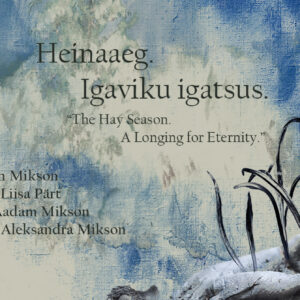
Group Exhibition “The Hay Season. A Longing for Eternity”

We warmly welcome you to the opening of the group exhibition  “The Hay Season. A Longing for Eternity” on 11 November at 6:30 PM,  at Manufaktuuri 7/2, Tallinn. From 12. November to 18. December 2025, artists Martin Mikson, Anna-Liisa Pärt, Paul Aadam Mikson, and Juulia Aleksandra Mikson present a joint exhibition “The Hay Season. A Longing for Eternity” at Manufaktuuri Quarter, Tallinn. “The ...
001_selection_opening of Compose Decompose_photo by Odie Lap Chun Chow

Gallery: opening and performance at the group exhibition “compose◠decompose” at EKA Gallery

The group exhibition “compose◠decompose” was opened at EKA Gallery on Thursday, October 30. The exhibition will remain open until November 30. A performance by Albertina Tevajärvi was carried out by Pääsu Liis Kens and Marta Jamsja at the opening. Participating artists: Alexis Brancaz, Albertina Tevajärvi, Alma Bektas, Augustas Lapinskas & Ditiya Ferdous, Freyja Tralla & Kassandra ...
tekstiililoengud 21.10

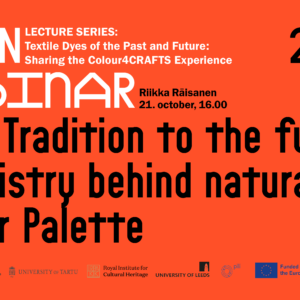
Open Webinar: Riikka Räisanen “Chemistry behind natural Colour Palette”

21.10 16.00  https://events.teams.microsoft.com/event/7259da59-2f6c-4ba2-97c8-348e6b5a6666@6d356317-0d04-4abc-b6b6-8c9773885bb0 Riikka Räisanen (Professor, University of Helsinki, Colour4CRAFTS consortium leader) “From Tradition to the future: Chemistry behind natural Colour Palette” (In English, online) Societies are stretching towards greater sustainability and textile colouration has been ...
14-10-25_color4Crafts_FHD2 (1)

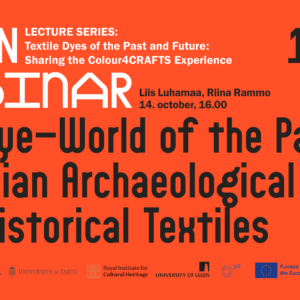
Open Lecture: “The Dye-World of the Past: Estonian Archaeological and Historical Textiles”

A new lecture series "Textile Dyes of the Past and Future: sharing the Colour4CRAFTS Experience" begins, initiated by the EU Horizon project  Colour4CRAFTS. First Webinar on October 14th, 16:00  https://events.teams.microsoft.com/event/e0218e9f-ab65-4315-b9d7-a0d1d162fd53@6d356317-0d04-4abc-b6b6-8c9773885bb0 Riina Rammo (Associate professor of Archaeology, Tartu University, Colour4CRAFTS) ...
Processed with VSCO with a6 preset

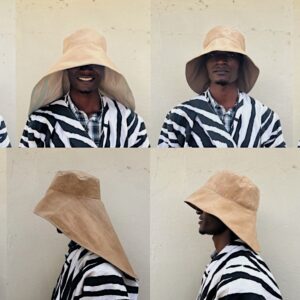
UPMADE® in Kenya: DiMa + EKA Circular Design

On 29 September, as part of the Design Night festival, the exhibition “UPMADE® in Kenya: DiMa + EKA Circular Design” will open in the Krulli quarter, showcasing creative works made from the textile offcuts of a Kenyan factory. The exhibition is free to attend, with the opening on Monday 29.09 at 18:30 at The Machine Shop I, Krulli quarter. Regular opening hours Tuesday–Saturday 11:00–20:00 ...
  • The Design & Crafts programme provides students with plenty of freedom as well as responsibility. The flexibility of the programme encourages student to try different ways to materialise ideas and learn new techniques and methods beyond their specialisation. The variety of courses and workshops provide a versatile and multifaceted education, giving students a lot of control over their individual paths.
    Marie Vinter
    MA Design & Crafts (Textile Design) ‘17

Student Work

DSC_0375
DSC_9215cm
Muster 3
Coat
Svelana Todurova Growtopia2
DSC_1687
Mari Seger_COHABITATION_Polarity
6 Sohva1 Ilona Tell