Communities in Practice: Art, Language and Culture
Physical part in Estonia: May 24 – 28, 2027
Organised by: Estonian Academy of Arts (EKA)
Location: Tallinn and Narva, Estonia
Duration: 5 days (physical programme) + virtual component June 15, 2027
Target group: International relations staff, academic staff, student support specialists and community engagement coordinators from European higher education institutions.
Working language: English
Programme Overview
How can art, language and cultural experiences help build inclusive and connected academic communities?
This Blended Intensive Programme explores different approaches to community building in higher education through artistic practice, intercultural learning and shared experiences.
Participants will discover the Estonian Academy of Arts’ approaches to international student integration, language learning and community engagement, while exchanging experiences and developing new ideas with colleagues from European partner institutions.
Express your interest in participating here, we will get in touch with you in January 2027 for more details.
–
Day 1 – Monday
Building Communities in Higher Education
15:00–15:30 – Welcome coffee and registration
15:30–16:00 – Welcome and introduction to the Estonian Academy of Arts
16:00–17:00 – Guided tour of EKA’s facilities, studios and workshops
17:00–18:15 – Interactive Workshop: “What Makes a Community?”
- Exploring the meaning of belonging in higher education
- Challenges and opportunities in building international academic communities
- Sharing experiences and good practices from partner institutions
18:15–18:45 – Introduction to the collaborative group project and formation of international working groups
18:45–19:30 – Break and transfer to Logi Sauna
19:30–21:30 – Estonian Sauna Culture: Community, Well-being and Shared Traditions
Location: Sauna, Tallinn
An introduction to Estonian sauna culture as a social tradition that brings people together, encourages informal interaction and creates a sense of community.
Day 2 – Tuesday
Language, Culture and Creativity as Tools for Connection
09:30–11:00 – EKA’s Approaches to Language Learning and Cultural Integration
- Introduction to the Estonian language and culture intensive course (Marilyn Riisimäe)
- Buddy programmes and student engagement initiatives
- Exploring opportunities to adapt these practices at partner institutions
11:15–12:30 – Experiencing Estonian Language and Culture: An Interactive Workshop
12:30–13:30 – Lunch
13:30–15:30 – Drawing Workshop: “Drawing as a Way of Connecting”
Facilitator: Loora Kaubi
A practical drawing session exploring creative expression as a universal language and a tool for communication, collaboration and community building.
15:30–16:00 – Group Reflection: Creativity as a Method for Fostering Inclusion and Belonging
Day 3 – Wednesday
The Art Academy as a Creative Community
09:30–11:00 – Introduction to TASE, the EKA Graduation Show
Exploring how exhibitions, public events and artistic collaboration bring together students, alumni, staff and wider communities.
11:15–12:30 – Discussion: “From Campus to Community”
- Engaging local audiences through art and education
- Creating connections between higher education institutions and society
- The role of cultural events in strengthening community identity
12:30–13:30 – Lunch
13:30–15:30 – Collaborative Group Work: Designing a Community Engagement Initiative
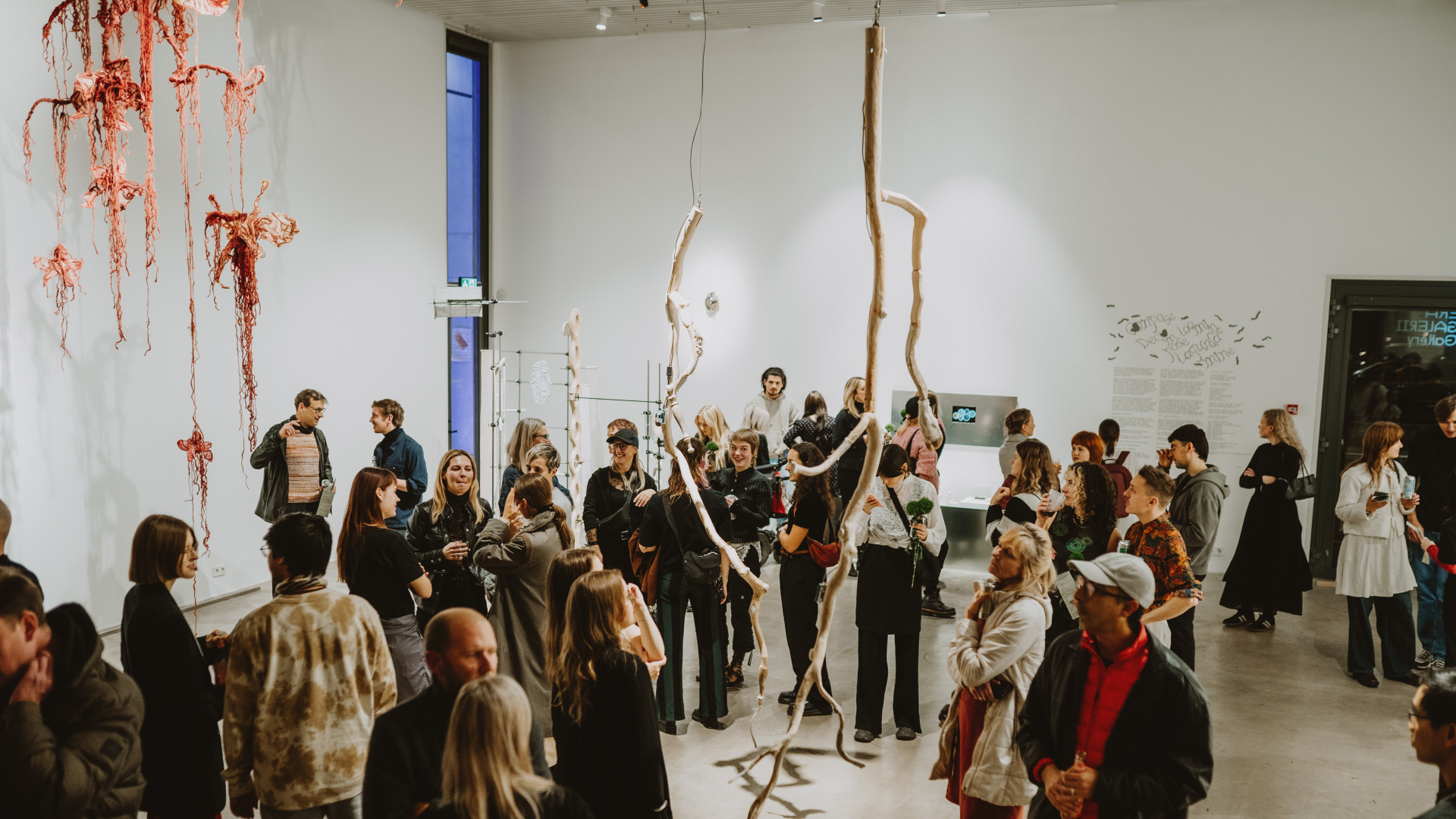
Evening – Participation in the Opening of the TASE Graduation Show
An opportunity to experience EKA’s creative community and connect with students, artists and academic staff.
Day 4 – Thursday
Narva: Art, Multilingualism and Local Communities
08:00 – Departure from Tallinn to Narva
11:00–12:30 – Visit to Narva Art Residency (NART)
Host: Johanna (to be confirmed)
Introduction to the residency and its role in connecting artists, local residents and diverse cultural communities.
12:30–13:30 – Lunch
13:30–15:30 – Community Engagement Through Art: Narva as a Case Study
- Exploring community-based artistic practices
- Multilingualism and cultural diversity
- Art as a tool for social inclusion and dialogue
- Exploring the Kreenholm area and, where possible, meeting representatives of local communities
15:30–16:00 – Group Reflection: Lessons from Narva
16:00 – Return journey to Tallinn
Day 5 – Friday
From Shared Experiences to Future Collaboration
09:00–10:30 – Group Presentations: “Building Communities Across Borders”
Participants present practical community engagement initiatives developed during the programme, considering how these approaches could be adapted to their home institutions.
10:30–11:30 – Final Reflections and Future Cooperation
- Sharing key insights
- Identifying transferable practices
- Exploring opportunities for future cooperation between partner institutions
- Programme evaluation
11:30–12:00 – Closing Session and Farewell
12:00 – End of the Physical Programme
–
Virtual Component
After the Physical Programme, June 15, 2027 on Zoom
Online follow-up session (90 minutes)
- Finalising group projections and community engagement proposals for future
- Sharing ideas for implementation at home institutions
- Identifying possible follow-up projects and partnerships
Participation in both virtual sessions is a compulsory part of the BIP.
Learning Outcomes
By the end of the programme, participants will be able to:
- Identify and compare approaches to community building and international student integration in higher education.
- Understand how language learning and cultural activities can support inclusion and belonging.
- Explore the potential of artistic practices as tools for communication and community engagement.
- Reflect on the role of art and cultural diversity in building local communities through the example of Narva.
- Develop a practical community engagement initiative applicable to their own institution.
- Establish new professional connections and opportunities for international cooperation.
Expected Results
The main collaborative outcome will be a “Community Toolkit for Higher Education”, bringing together practical ideas, methods and examples of inclusive community-building activities developed by participants during the programme.
The programme aims to strengthen international partnerships and encourage the exchange of innovative approaches to creating welcoming, creative and connected academic communities.
