
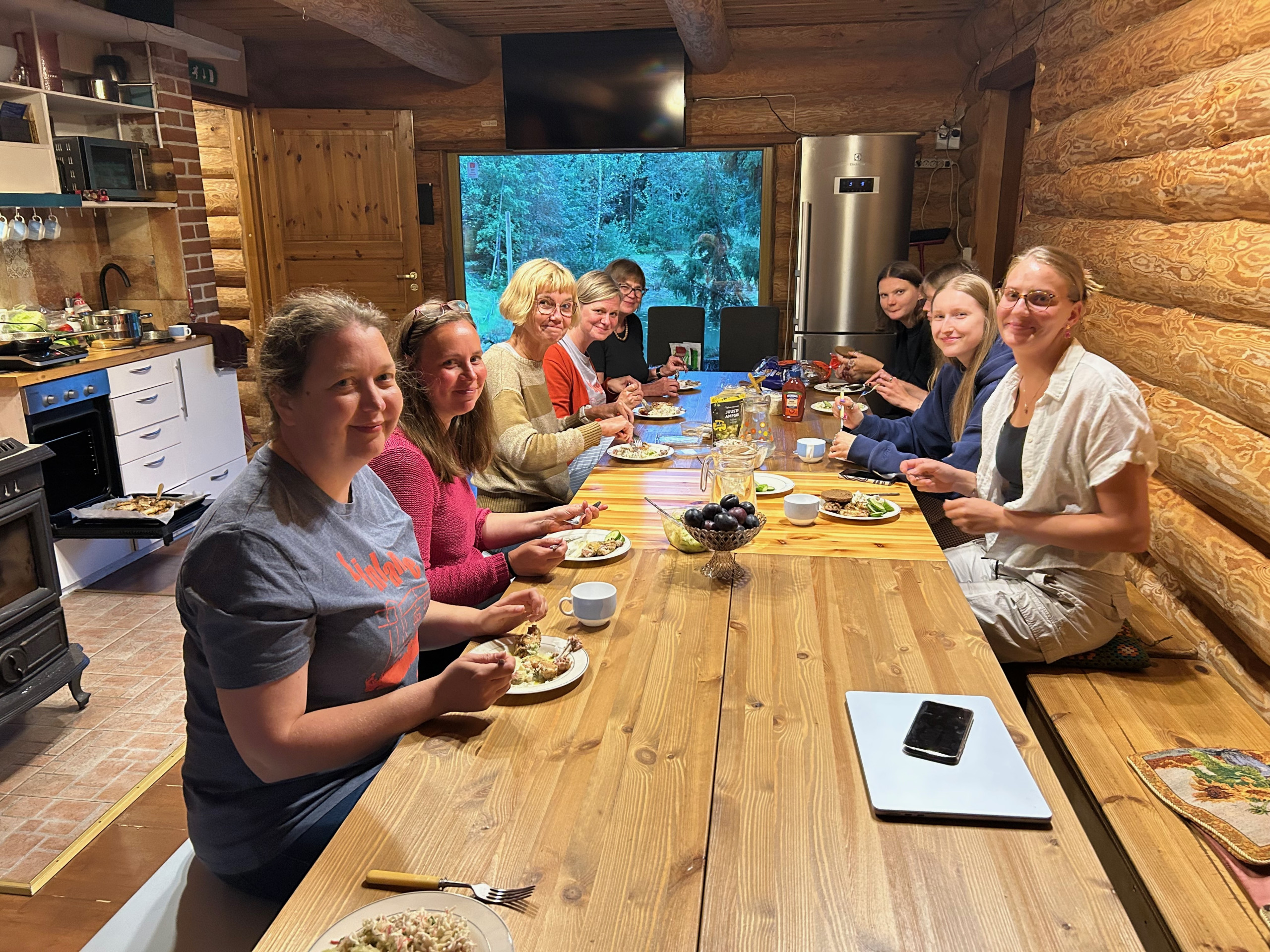
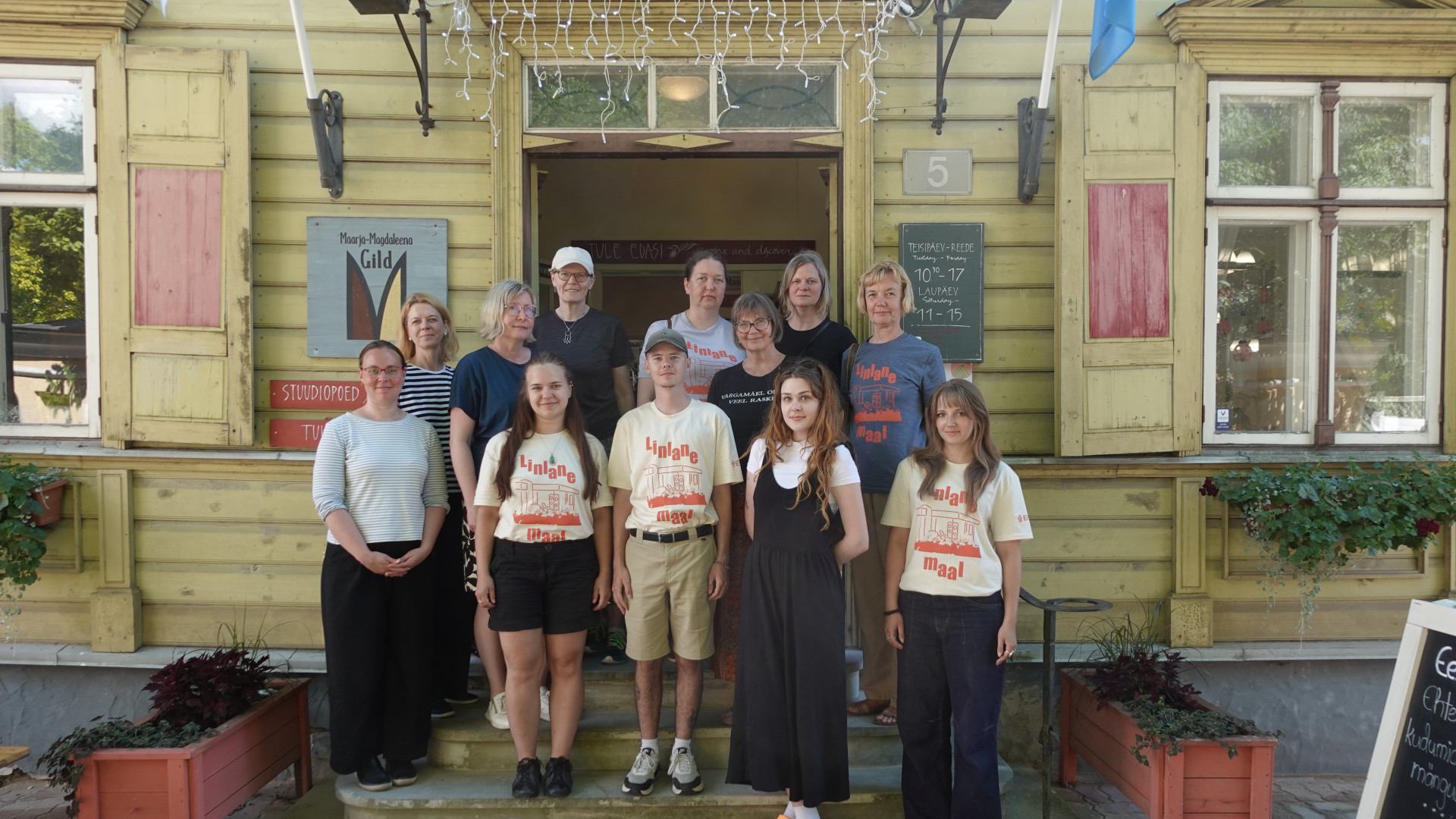
From 29 June to 2 July, another round of fieldwork took place as part of the joint project “Urbanites in the country. Spatio-cultural analysis of a summer house”, conducted by the Estonian Academy of Arts (EKA), the Estonian National Museum (ERM), and the Estonian Open Air Museum (EVM). This time, we surveyed gardening cooperatives in Pärnu County, along the Sauga River in Eametsa, in the vicinity of Audru, and in Kihlepa, Kilksama, Tammiste, and the Rääma district of Pärnu.
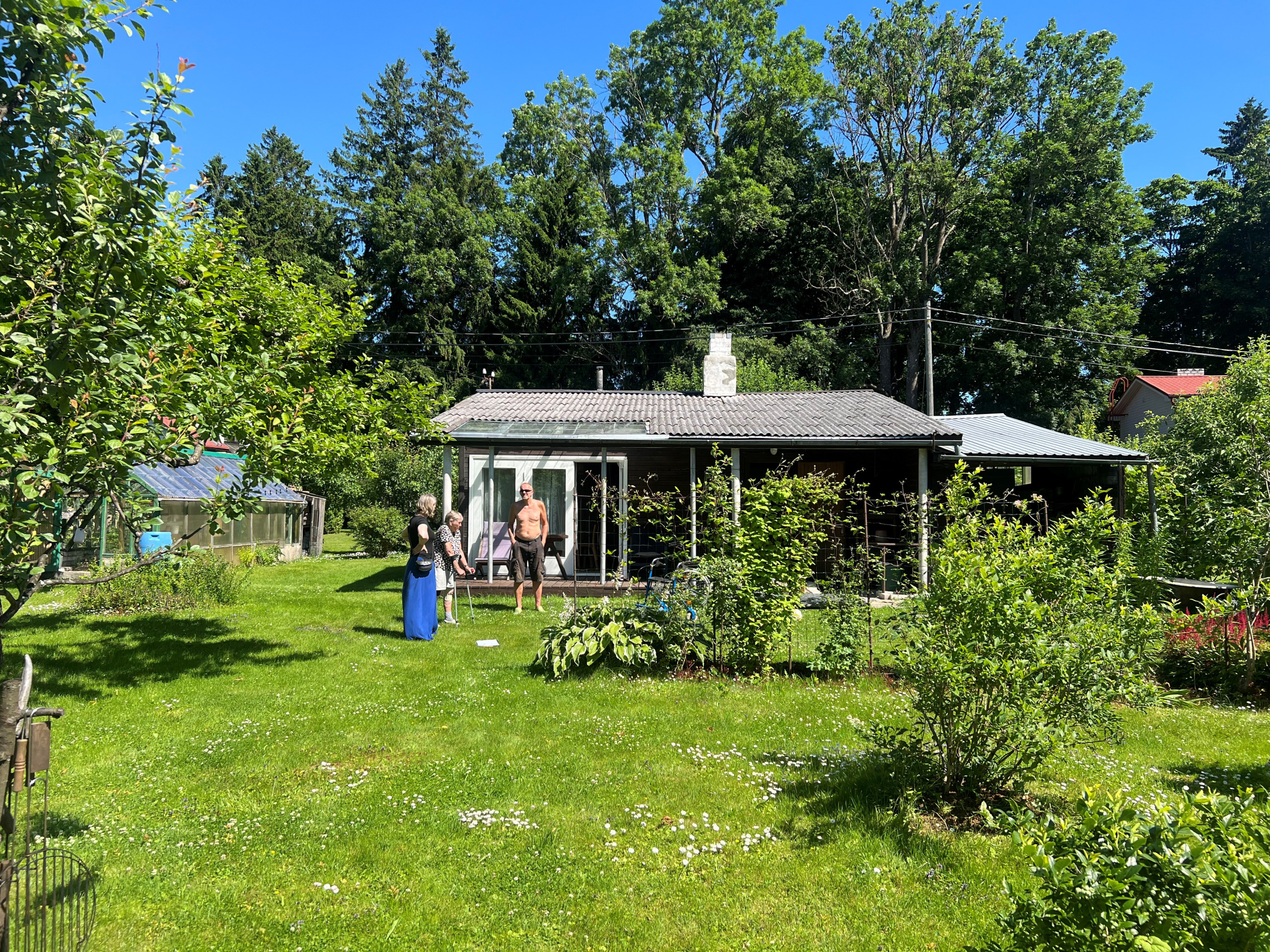
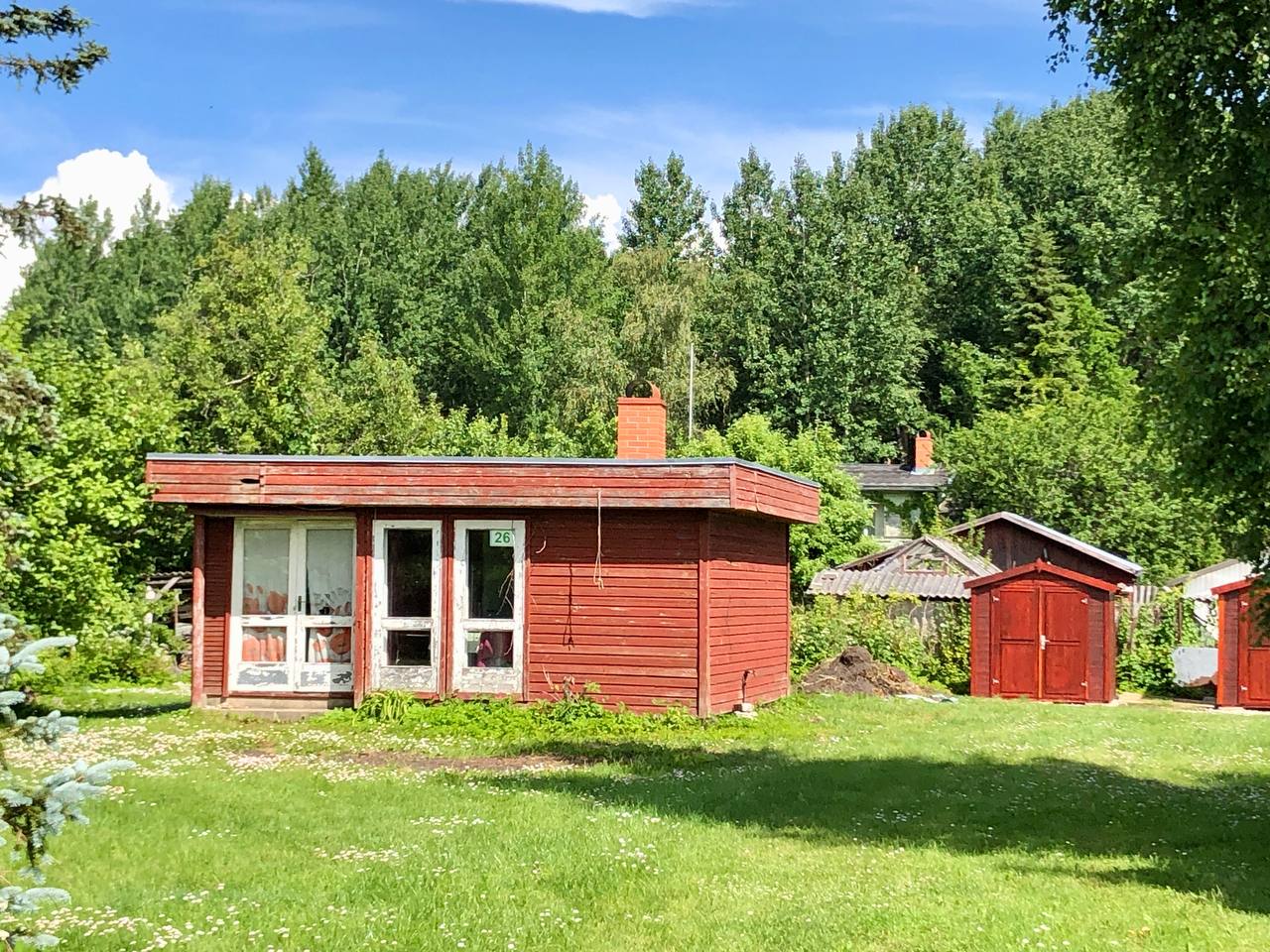
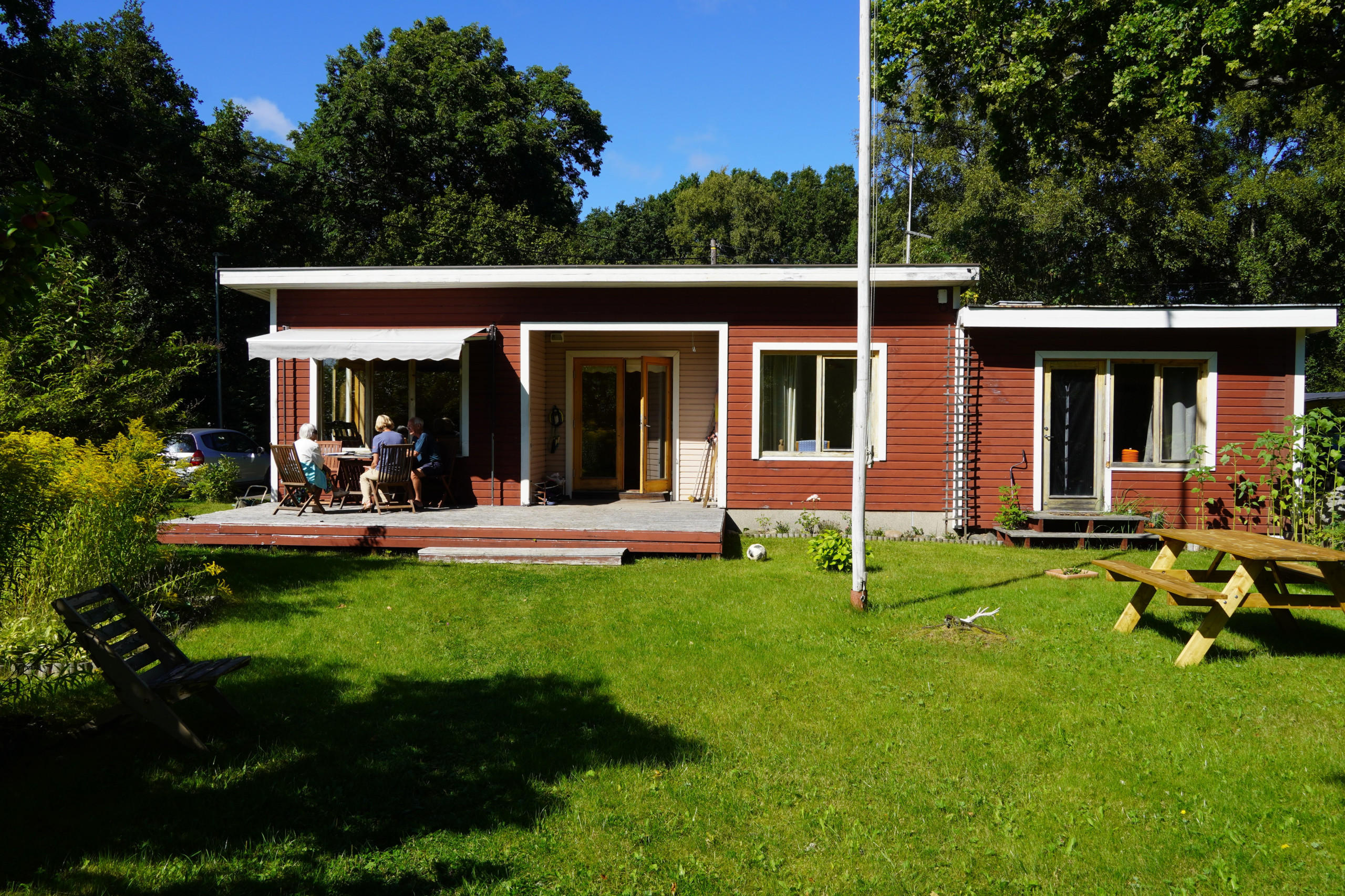
As expected, the summer house cooperatives around Pärnu have also lost much of their once-uniform appearance. The closer they are to the city, the more frequently old summer houses have been replaced by new detached homes, sometimes disproportionately large for their small plots. Many summer houses have been renovated or adapted for year-round living while retaining their original architectural character. Nevertheless, thanks to our earlier calls for information and on-site surveys, we managed to find both buildings that have remained close to their original form and original owners or their descendants who still remembered the establishment of the cooperatives and the construction of the garden houses and cultivation of the plots.
We were particularly pleased that this time we were able to interview several people who had served as heads of the cooperatives.
As in our previous fieldwork, the stories collected in Pärnu County reflected people’s desire to cultivate their own land and build something with their own hands, as well as the long working days spent on construction, gardening, and preparing preserves in the kitchen for winter. The pioneering generation who shared their stories with us never once mentioned exhaustion or weariness. Work itself was a form of leisure, and people took genuine pleasure in what they had created. Instead, they noted with a touch of sadness that they no longer had the strength to maintain their gardens to the same extent—and that there was little need to do so, as homemade jams and preserves now tended to remain untouched on pantry shelves.
From 17 to 20 August, the project’s final round of fieldwork took place in the gardening and summer house cooperatives along Estonia’s northwestern coast. We focused on several gardening cooperatives in Vääna-Jõesuu and Kloogaranna, made brief visits to Naage and Laulasmaa, and also explored the summer house cooperatives in Kloogaranna.
Despite their proximity to Tallinn, a considerable number of buildings retaining their original architectural designs had survived in both Vääna-Jõesuu and Kloogaranna. Some had been adapted for year-round use, with terraces added and windows replaced, but their original layouts and overall architectural character had remained largely unchanged.
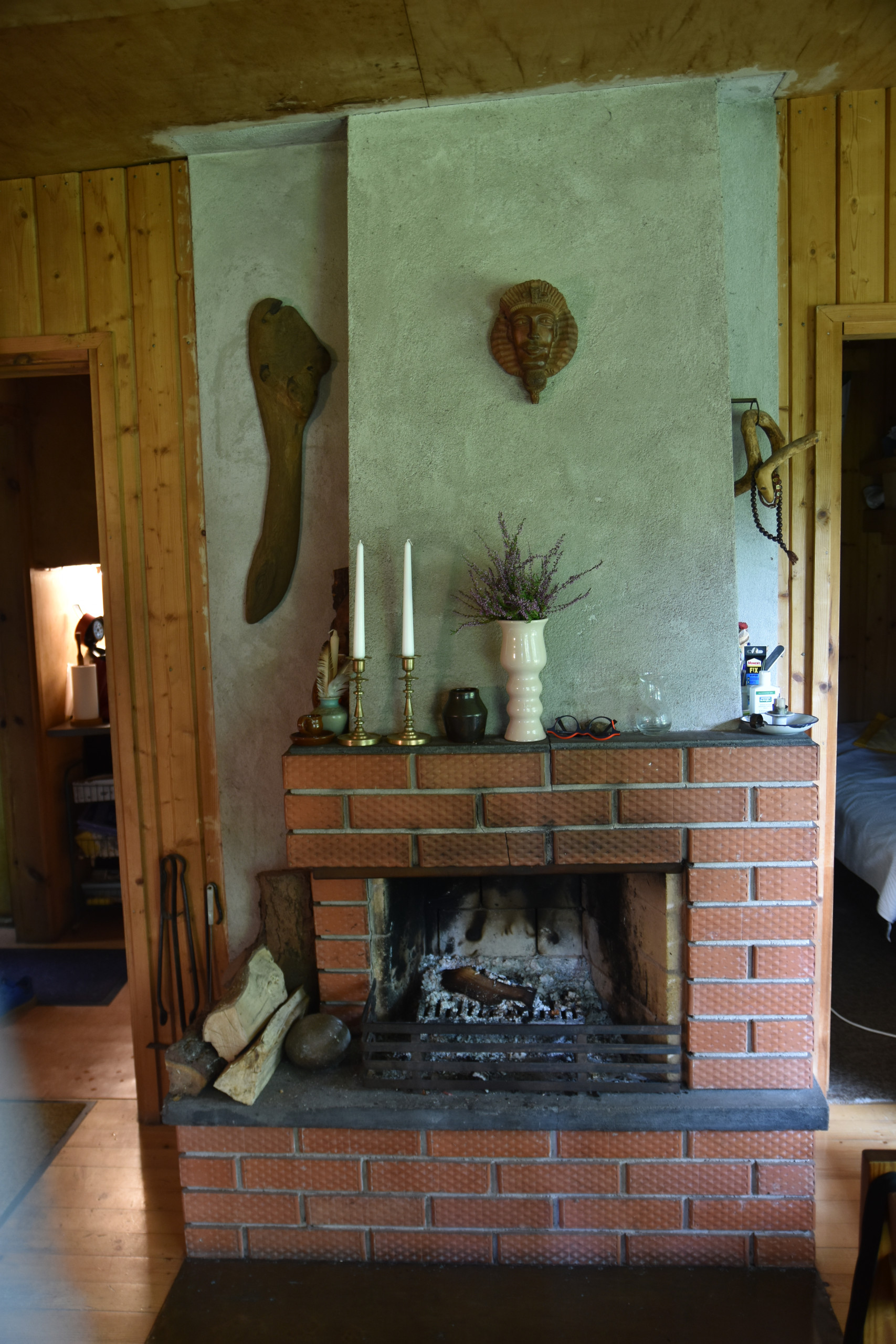
It was particularly encouraging to find that several properties were still owned by their original owners or their descendants and had retained their original function, layout, and even interiors. In many households, the tradition of an extended summer house season was also still very much alive: retired summer residents continued to live and garden on their plots from spring until autumn.
Based on the interviews, it can be said that residents of the coastal cooperatives in northwestern Estonia, whether summer house or gardening cooperatives, placed greater value on the diverse opportunities offered by nature and the pleasures of seaside resort life. Many mentioned the sea as one of the key motivations for establishing a summer home.