
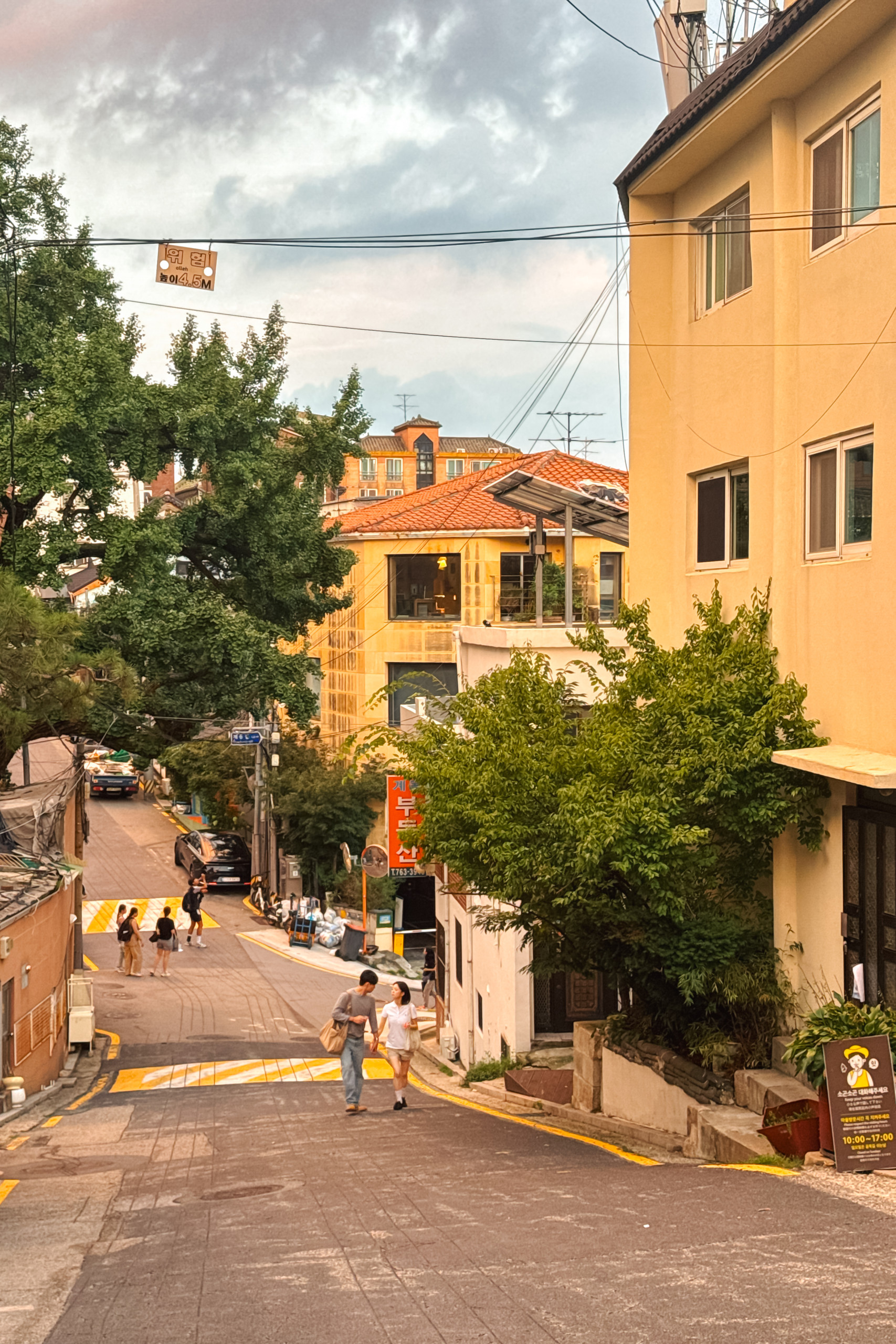
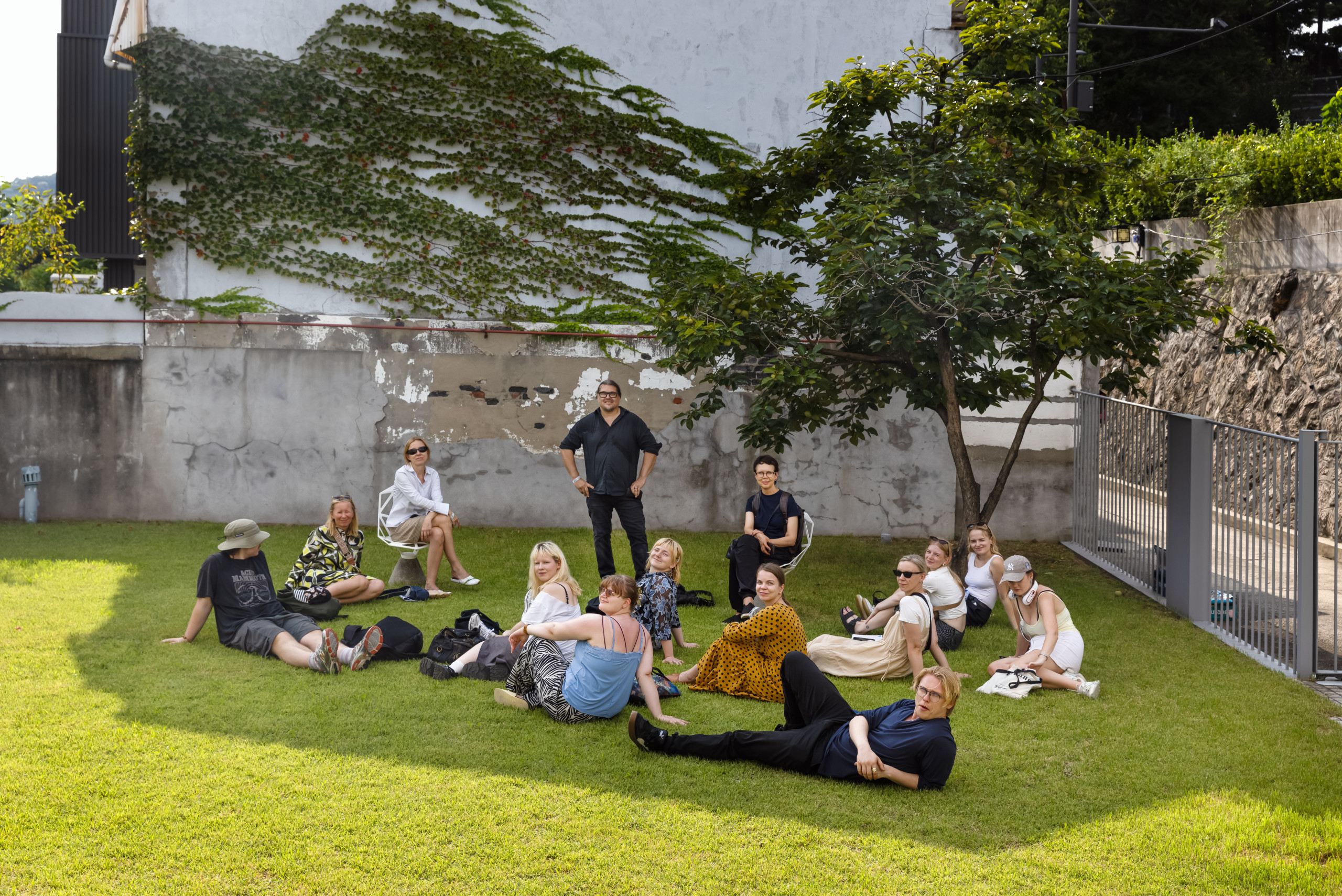
At the end of August, MA students specialising in curatorial studies at the Institute of Art History and Visual Culture, together with recent graduates, embarked on a week-long study trip to Seoul, South Korea. The trip took place as part of the Gallery Studies course led by Triin Metsla and Mailis Timmi, with the aim of gaining first-hand experience of Asian contemporary art, its institutions, and the wider art scene. In recent years, Seoul, the capital of South Korea, has emerged as an important international art centre outside the European and Anglo-American cultural spheres, particularly renowned for its strong network of galleries. Seoul was chosen as the destination partly because the international art fair Frieze Seoul was taking place in early September, bringing together galleries, artists, collectors, and art enthusiasts from around the world.
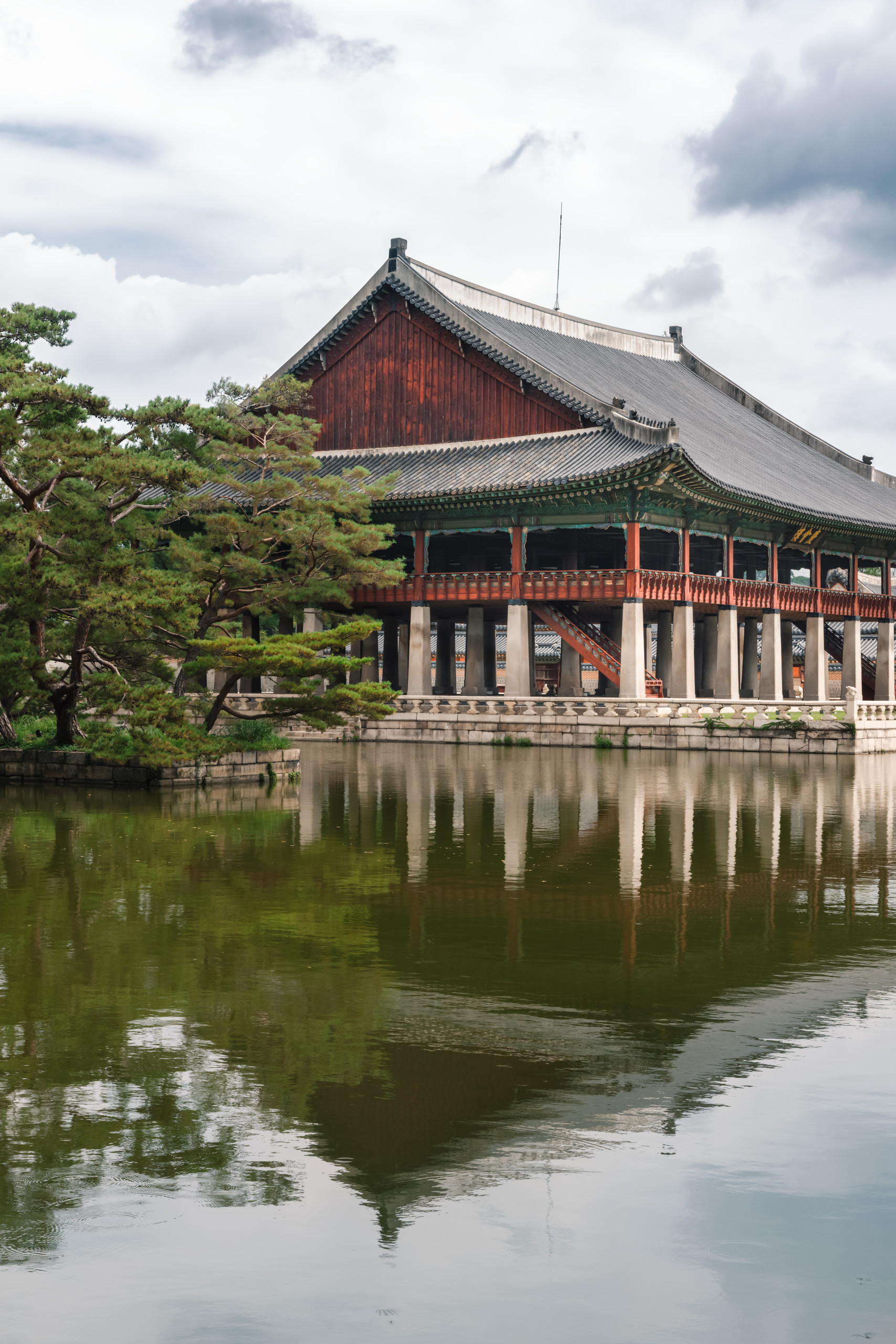
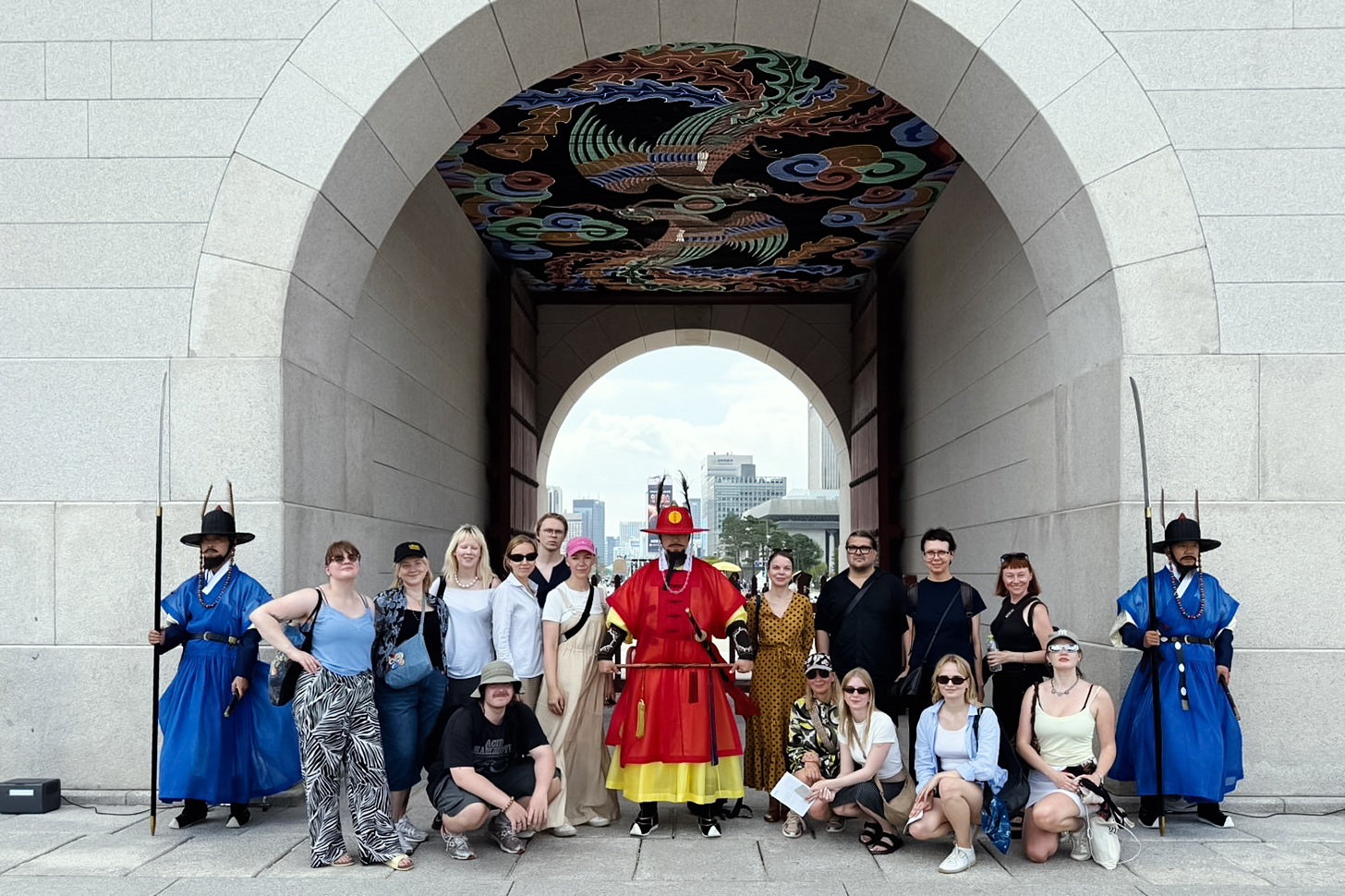
The study trip began with a visit to the historic Gyeongbokgung Palace. Built in 1395 during the Joseon dynasty, Gyeongbokgung was the dynasty’s first and largest royal palace and served for centuries as the centre of Korean royal power and court life.
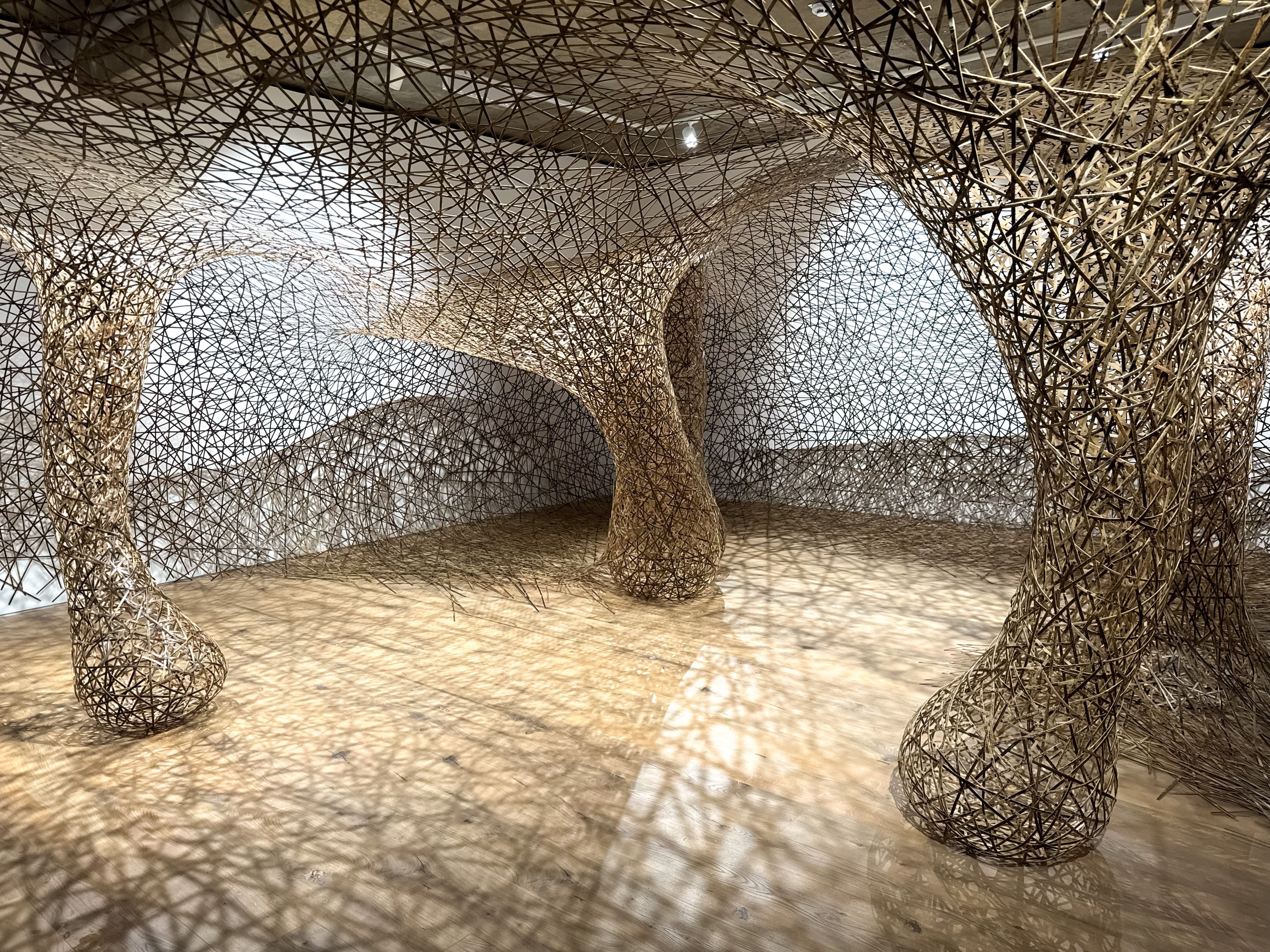
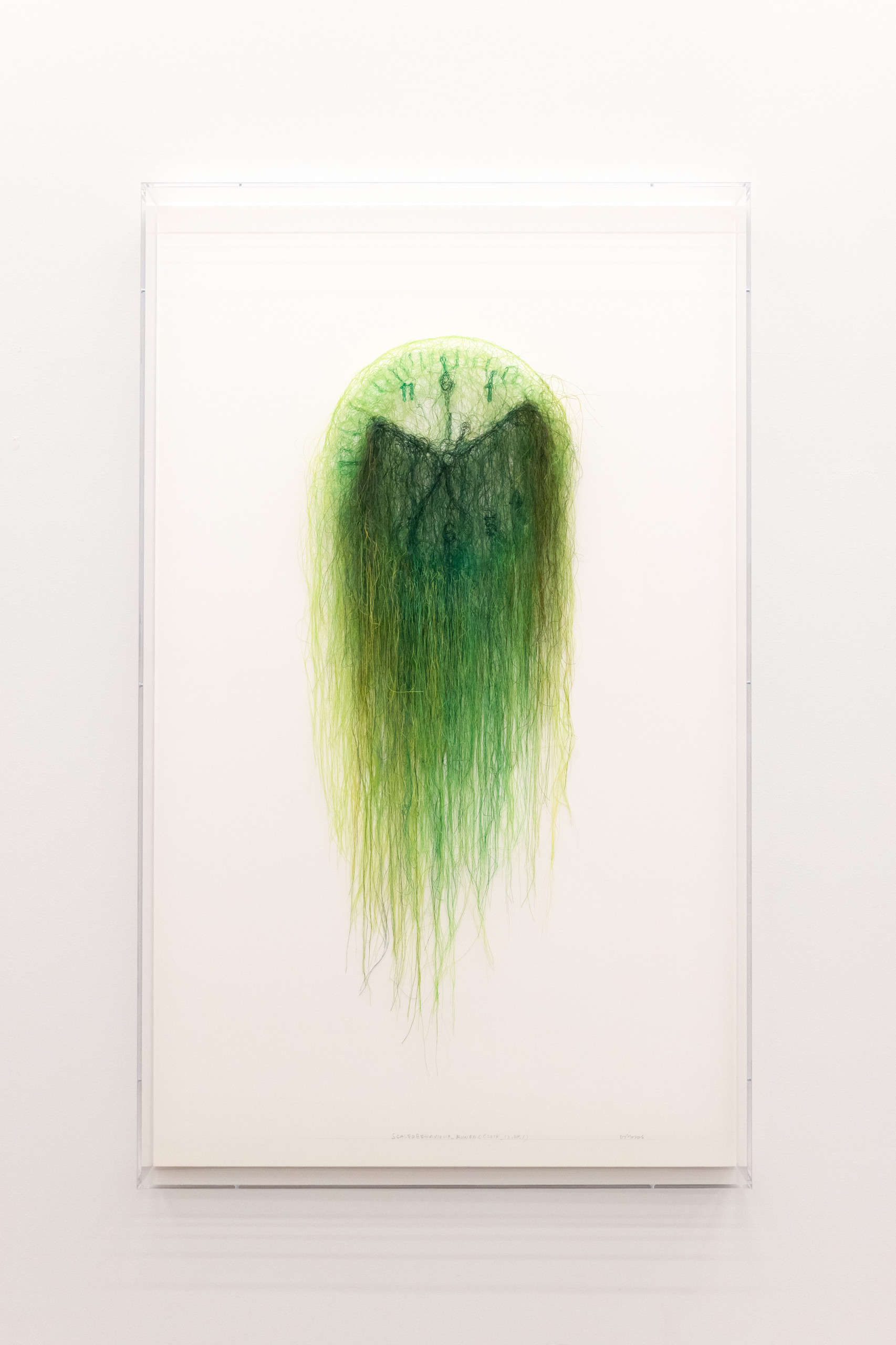
Over the following days, the group visited various galleries, museums, and art institutions and met with artists. Located next to the palace, the National Museum of Modern and Contemporary Art (MMCA) is South Korea’s only national art museum dedicated to modern and contemporary art. Its Seoul branch presents both Korean modern and contemporary art. On display was also an exhibition spanning several decades of work by internationally acclaimed Korean artist Do Ho Suh, whose installations and drawings made a particularly strong impression.
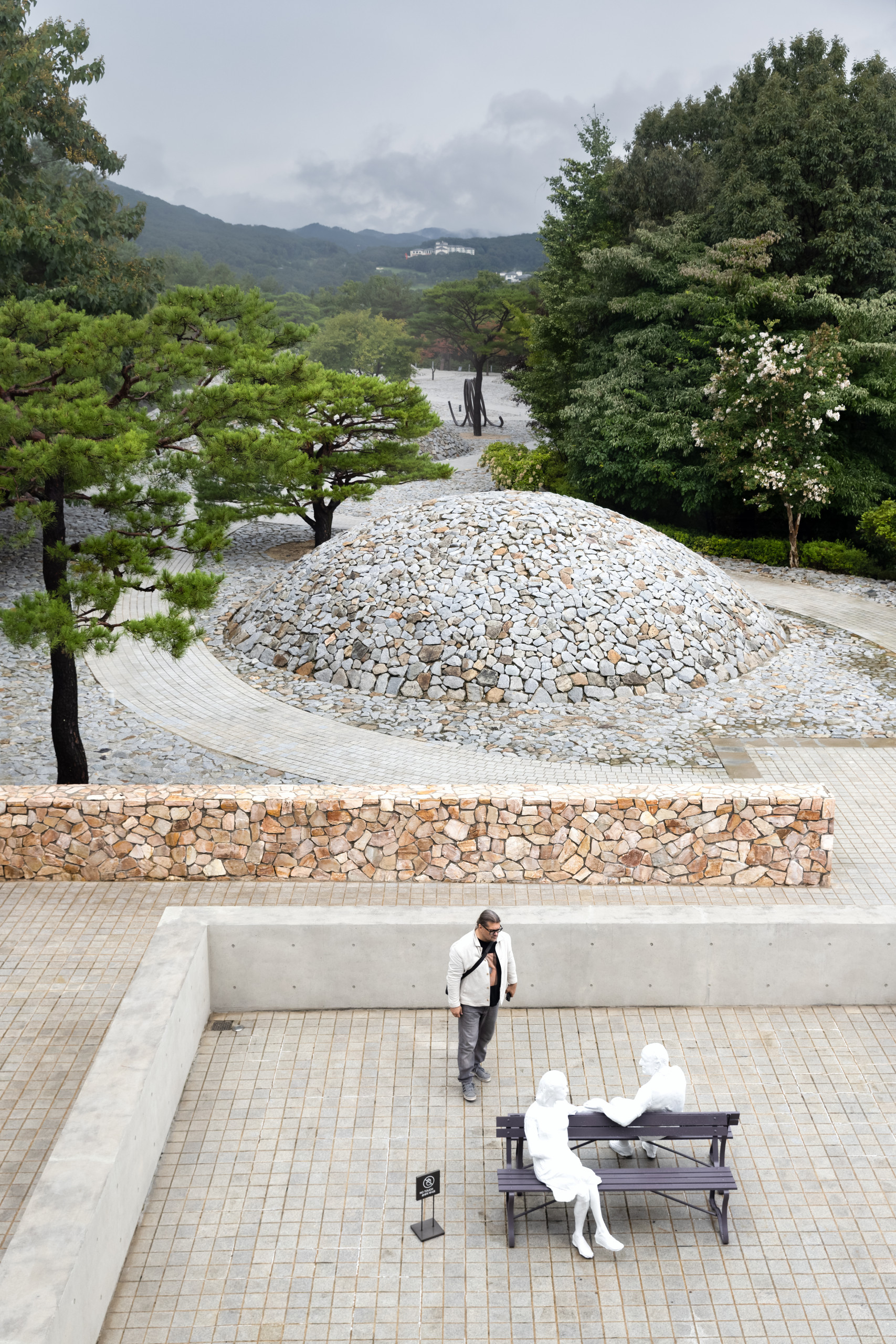
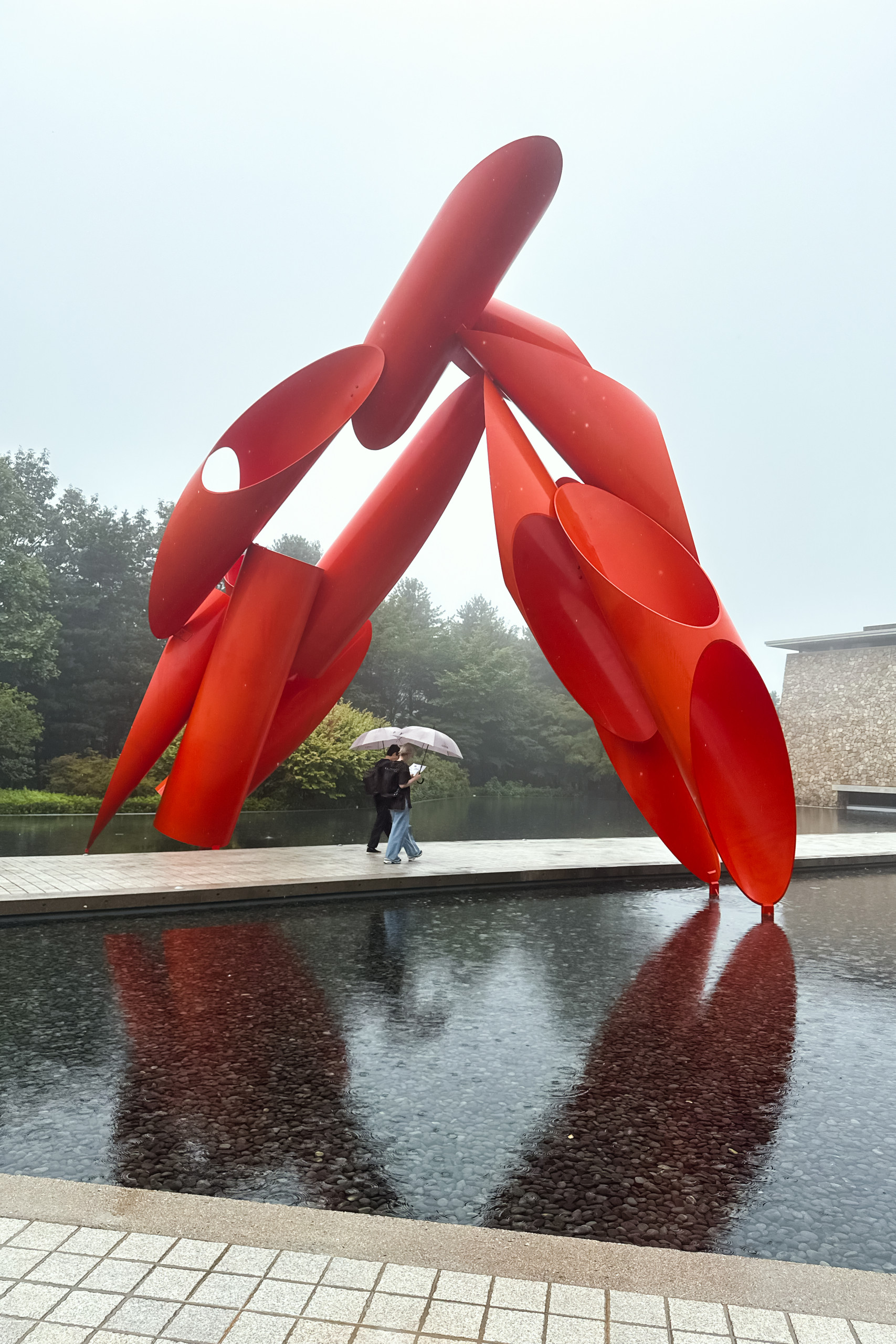
Outside the capital, the group visited Museum SAN, where light installations by American artist James Turrell and works by Korean visual artist Lee Bae strongly reflected the museum’s central concept of harmony between nature, art, and space. The museum complex itself, designed by renowned Japanese architect Tadao Ando and nestled among the mountains, creates a peaceful environment through the interplay of minimalist architecture, water, and the surrounding natural landscape.
At the MMCA Changdong Residency, the group had an exceptional opportunity to meet the artists in residence, who introduced their artistic practices, past and ongoing projects, and experiences at the residency. The Changdong Residency is also a cooperation partner of Tallinn Art Hall.
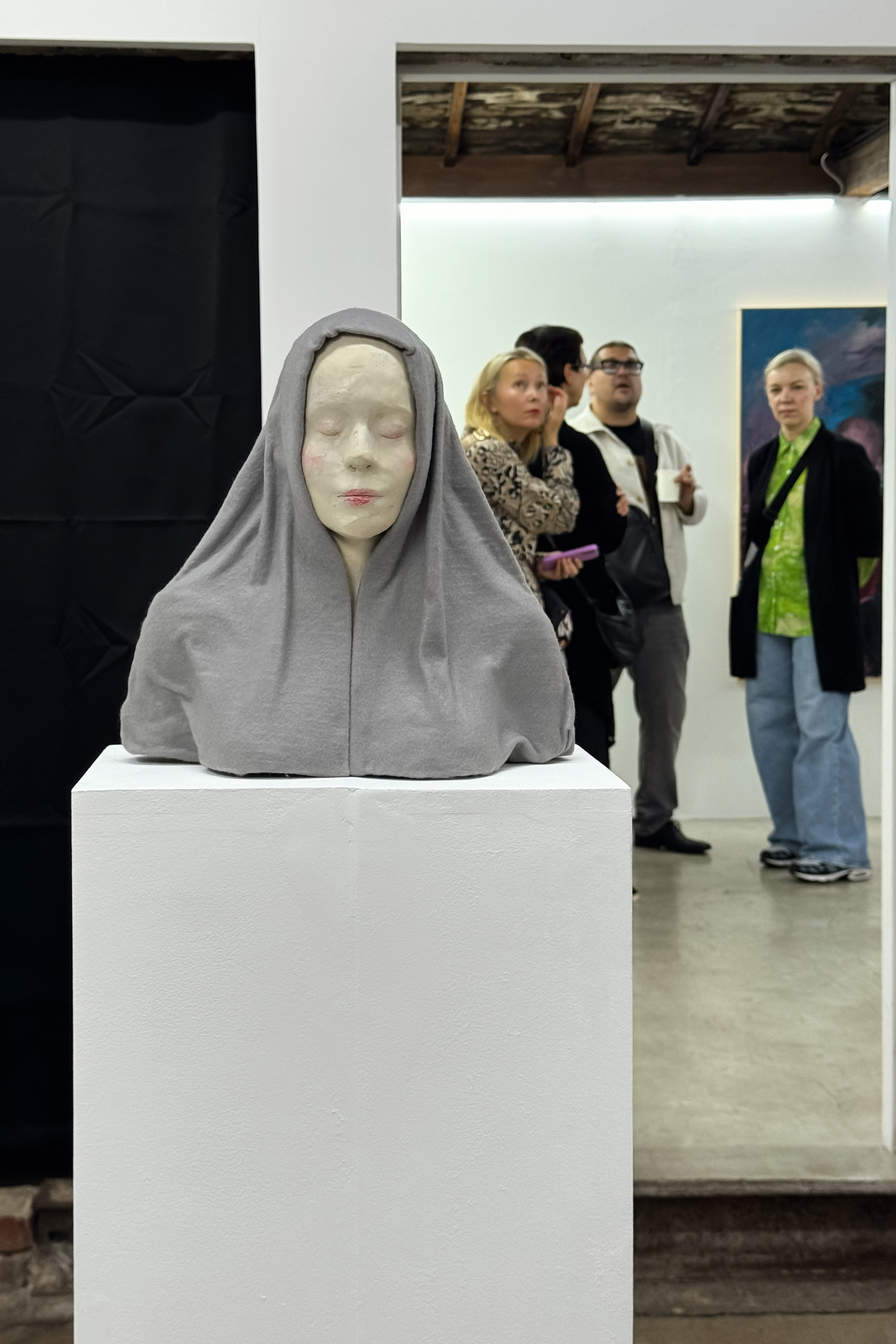
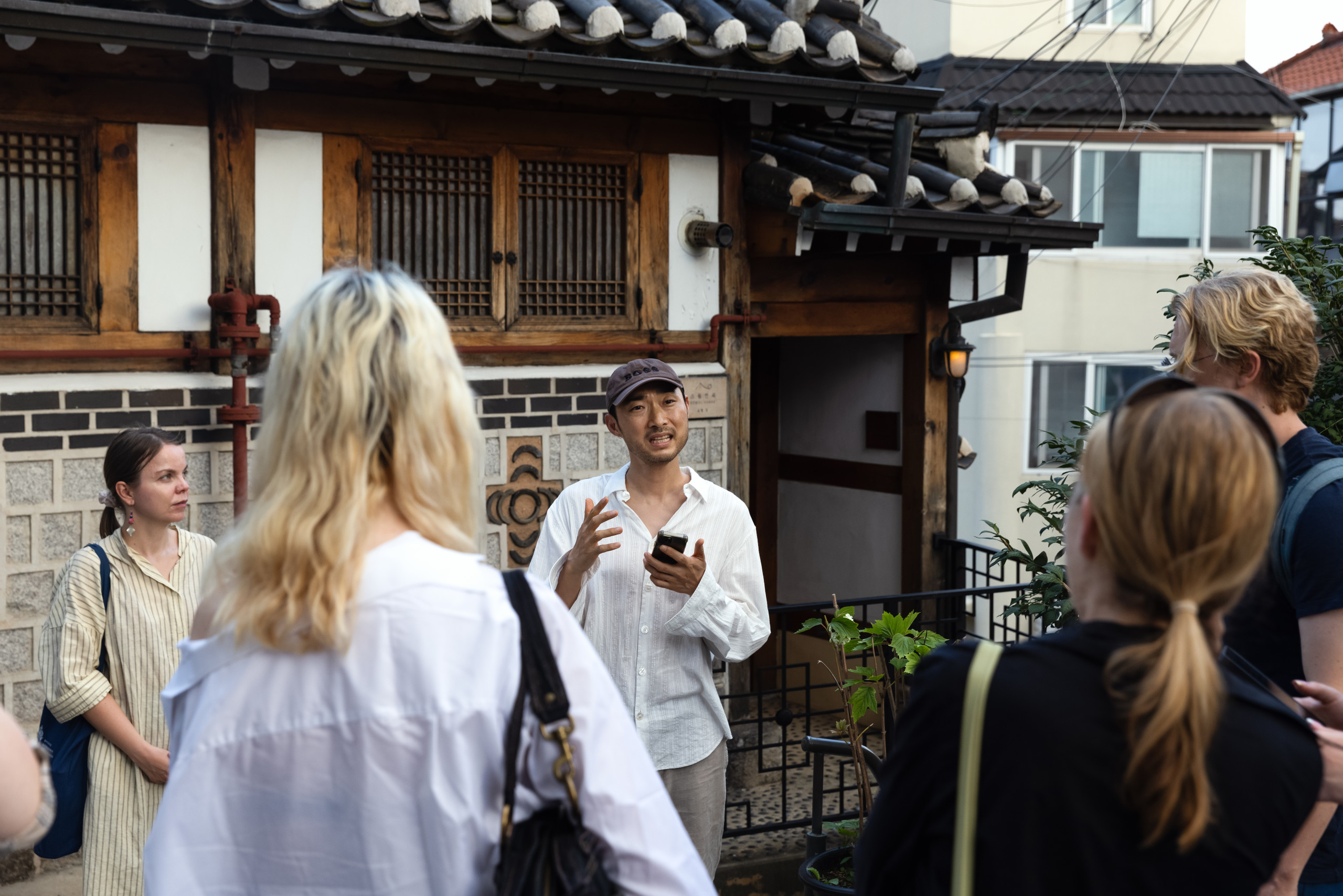
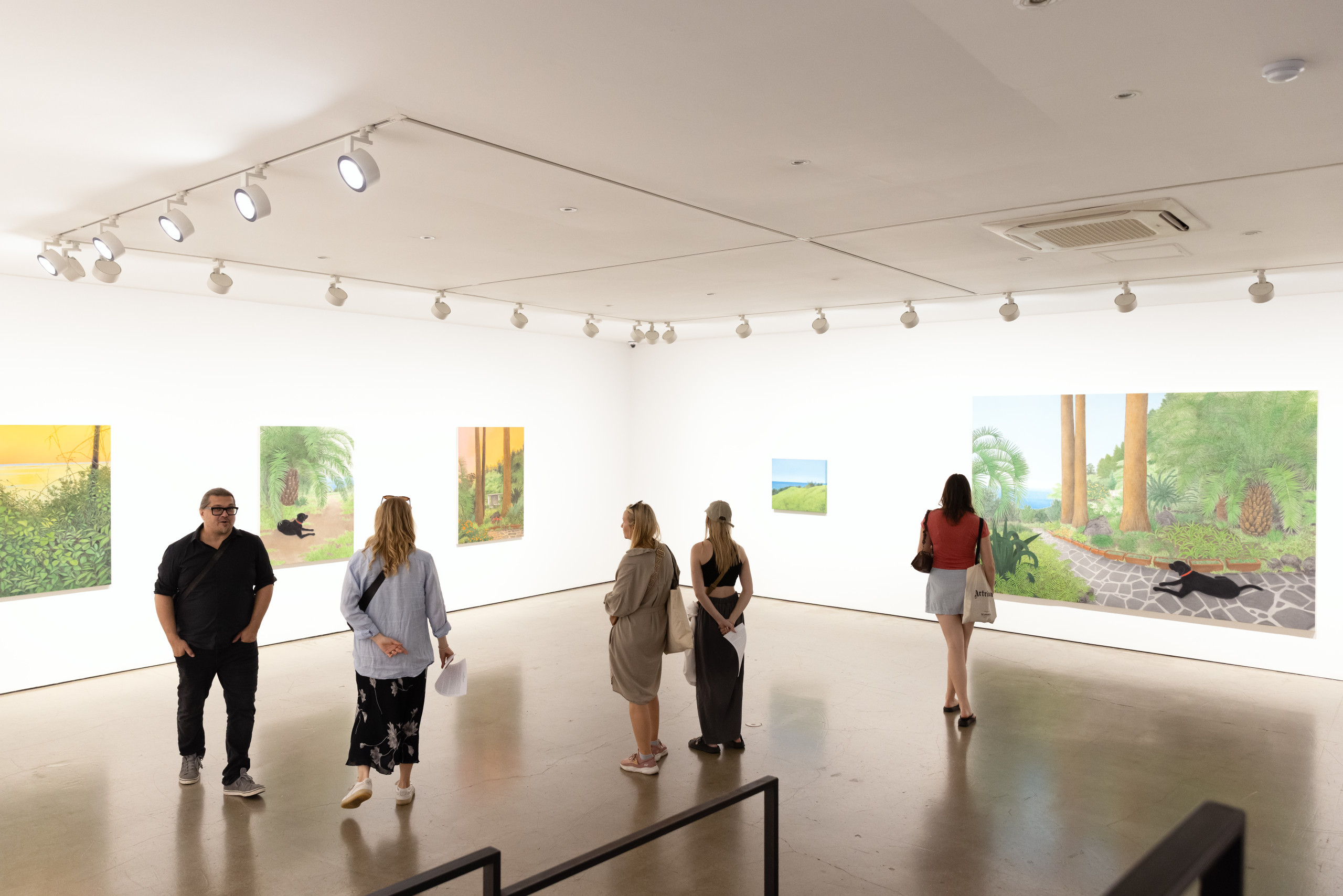
Gallery visits included Hakgojae, Kukje, PKM, Hyundai, Cylinder One, and P21. These galleries focus primarily on contemporary Korean art practices while also presenting experimental exhibition formats. Seoul Art Week was taking place at the same time, with exhibition openings and various events held each evening in different parts of the city. The group attended openings at several galleries and venues, including N/A, Blue Cabinet, P.S Center, pockettales, Frieze Seoul House, and others, providing opportunities to meet curators and artists in person.
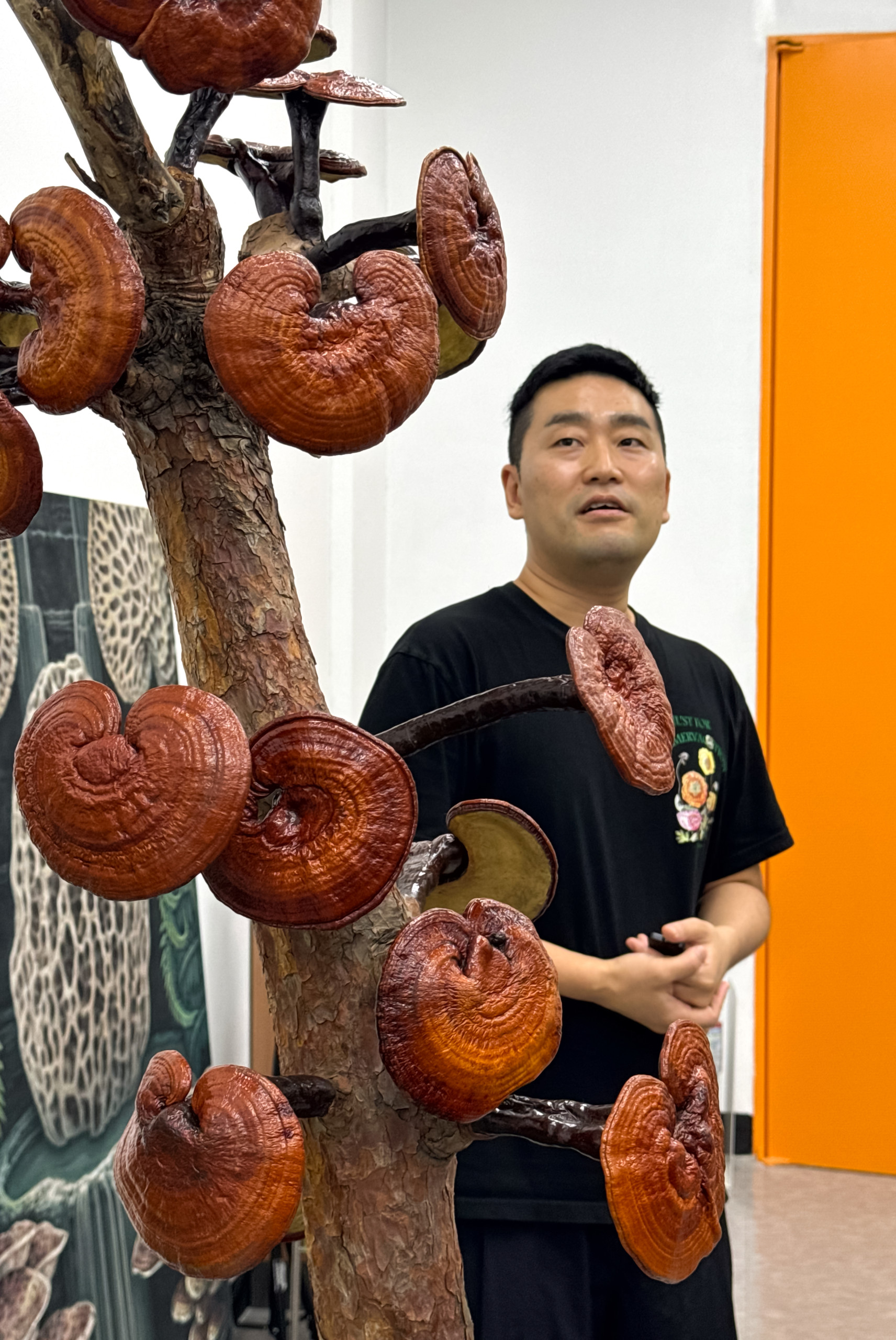
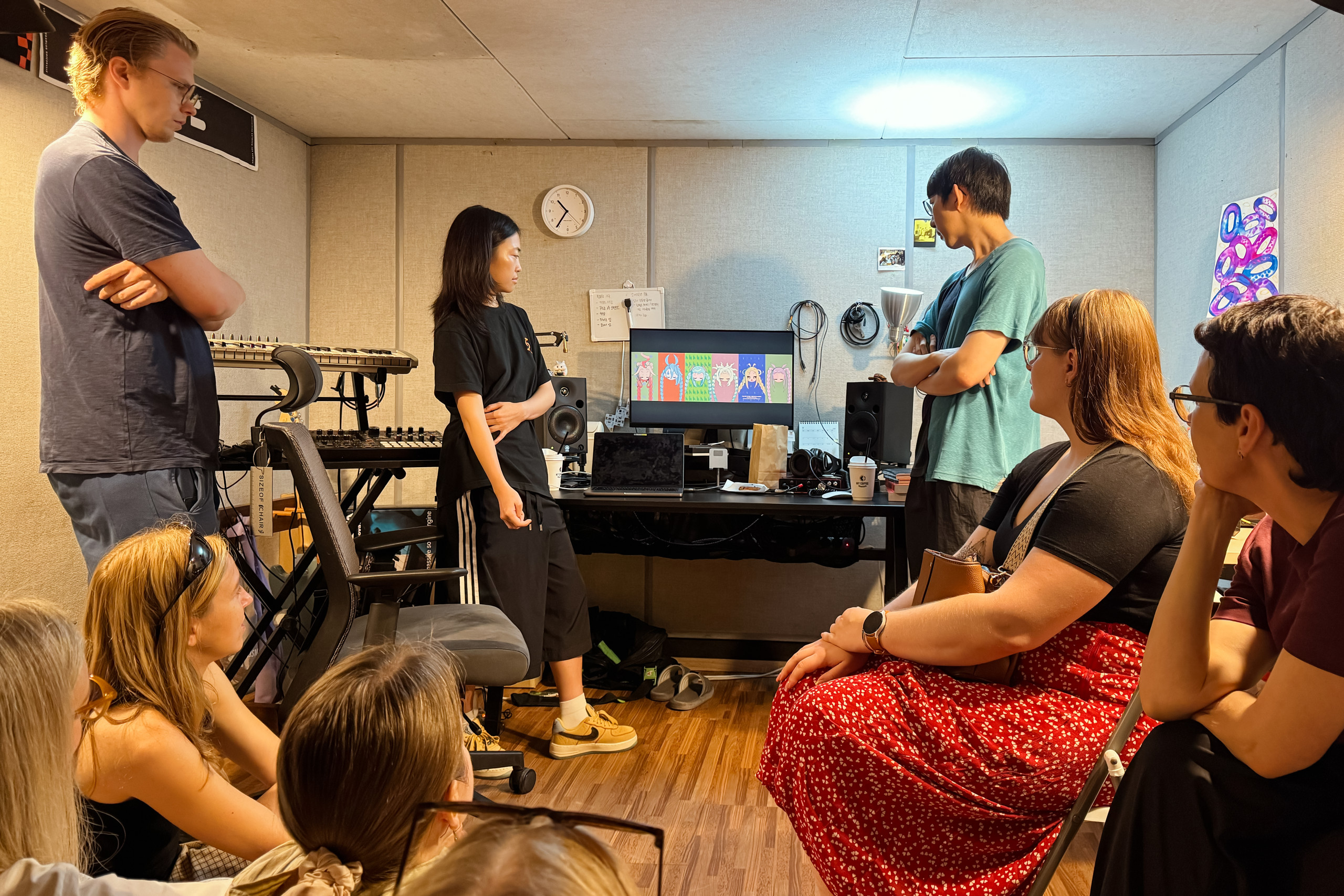
Particularly memorable were a studio visit to the artist duo Eobchae and a conversation with artist Kim Heecheon at the Seo-Seoul Museum of Art. These encounters offered diverse insights into the artists’ creative processes, the use of technology in artistic practice, and the local art scene.
An important part of the study trip was a visit to the international art fair Frieze Seoul. Organised since 2022 in collaboration with the Korea International Art Fair (Kiaf), Frieze Seoul has developed into one of Asia’s most significant art fairs. Visiting the fair provided valuable insights into the networks of collaboration between artists, galleries, and collectors, as well as the workings of the international art world. Both Korean and international galleries were represented.
Towards the end of the trip, the group was welcomed at the Estonian Embassy by Ambassador Tanel Sepp, with whom they had an engaging discussion about South Korea’s cultural and political characteristics and cooperation between Estonia and South Korea.
Joint seminars were also held in the evenings to discuss and reflect on the experiences and impressions of each day. During their free time, participants independently explored additional art institutions and architectural landmarks and enjoyed the local culture.
The lecturers participating in the trip were Triin Metsla, Mailis Timmi, Anu Allas, Anders Härm, and Ragne Soosalu. The students were Anastassia Janovskaja, Birgit Tohter, Caroline Murumägi, Emili Kelle, Emma Õnne, Karen Aasa, Karl Markus Mäekivi, Laura Arum-Lääts, Lisbet Evelin Niinepuu, and Marten Rõuk.
Text by Birgit Tohter. Photographs by Laura Arum-Lääts.
Study trip was funded by: