
International Summer Course: “Urbanites in the Country. Exploring the Postwar Summer House”
6–11 July 2026, Võsu, Estonia
Participants: Aalto University, Helsinki; Slovak University of Technology, Bratislava; Estonian Academy of Arts, Tallinn
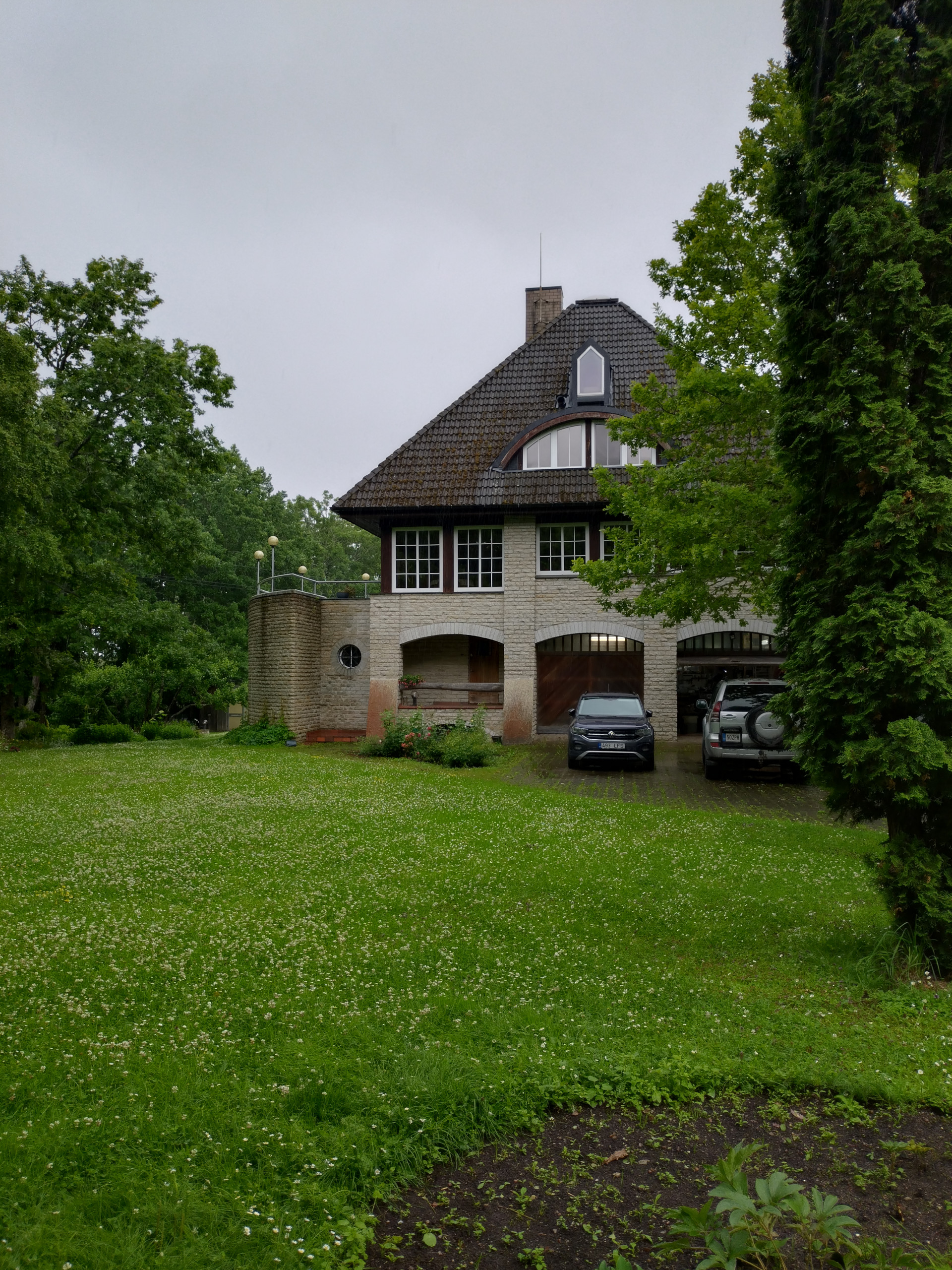
The expansion of leisure time was one of the most influential factors shaping living environments and lifestyles after World War II. The postwar decades witnessed a remarkable rise in second homes as leisure destinations, with thousands of small summer houses dotting areas near major European cities. In the Soviet Union, leisure occupied a central place in the postwar imagination of the communist welfare state, further encouraged by Nikita Khrushchev’s ambition to improve citizens’ living standards. The need to organise the free time of residents in new mass housing estates on urban peripheries led to increased attention to surrounding recreational areas—spaces largely untouched by Western-style suburban sprawl. In Estonia, summer cottages emerged in coastal and inland regions within purpose-built summer house settlements, extensively developed between the 1960s and 1980s. Unlike the Russian dacha, which embodied a nostalgic yearning for traditional village life, the summer houses in Soviet Estonia were mostly marked by a distinctly modernist aesthetic and professional architectural solutions, reflecting the tastes and lifestyles of modern urbanites.
This summer course aims to explore postwar leisure culture with a particular focus on summer houses as an international phenomenon that shaped the everyday lives of urban “summer folk” in the second half of the 20th century. Participants examined the architectural, historical, cultural, and social dimensions of summer houses, as well as their transformation in the 21st century.
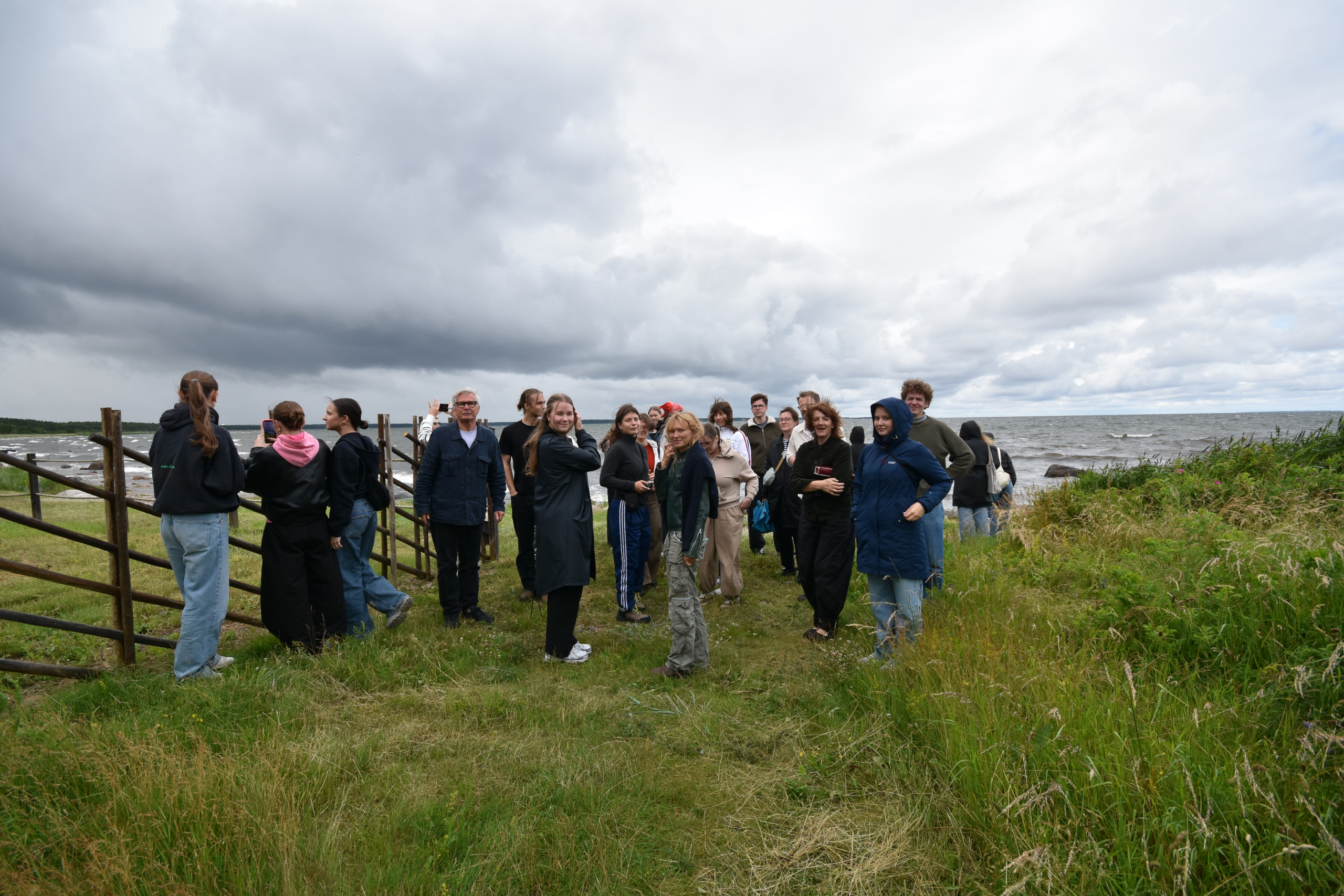
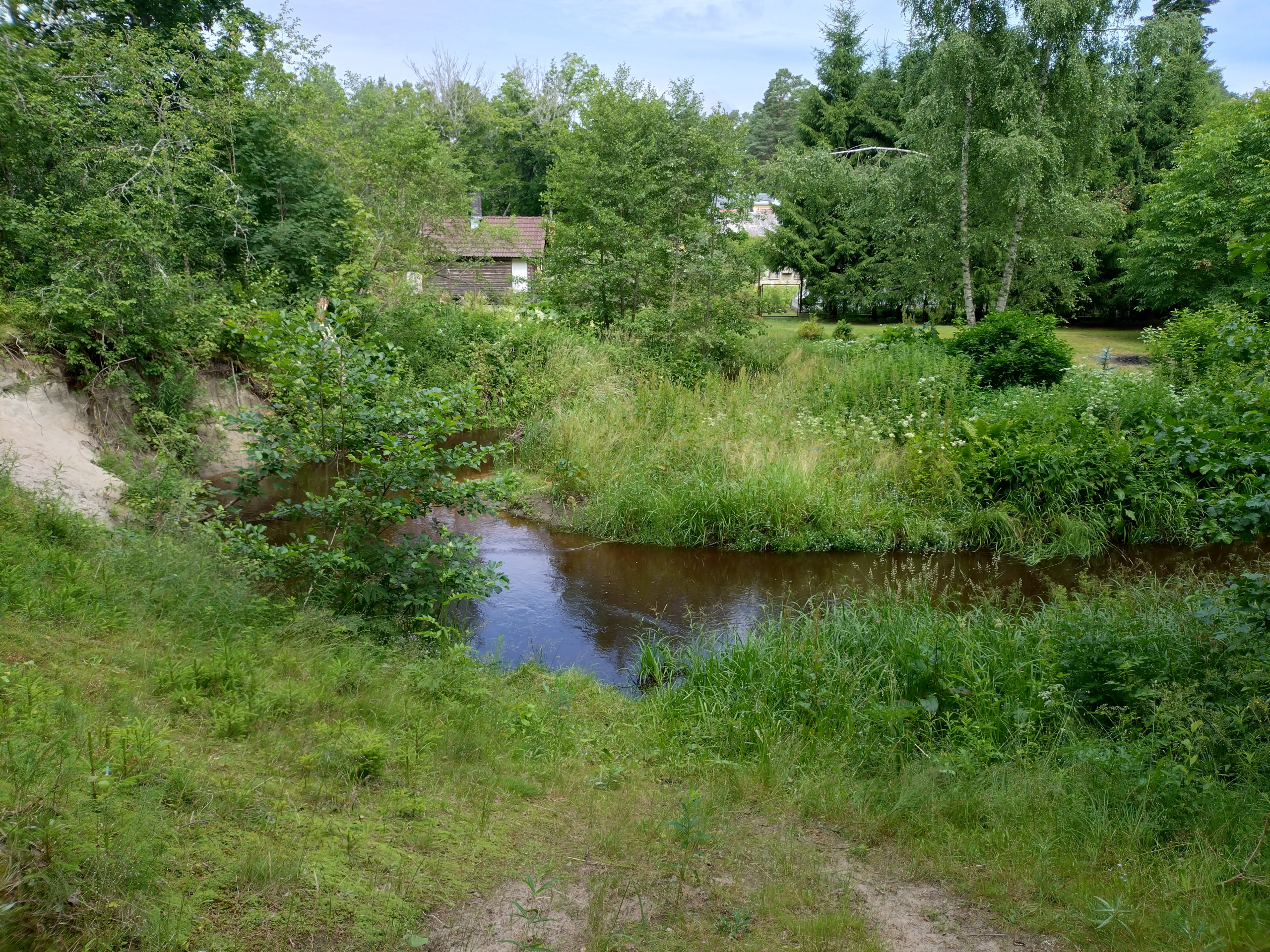
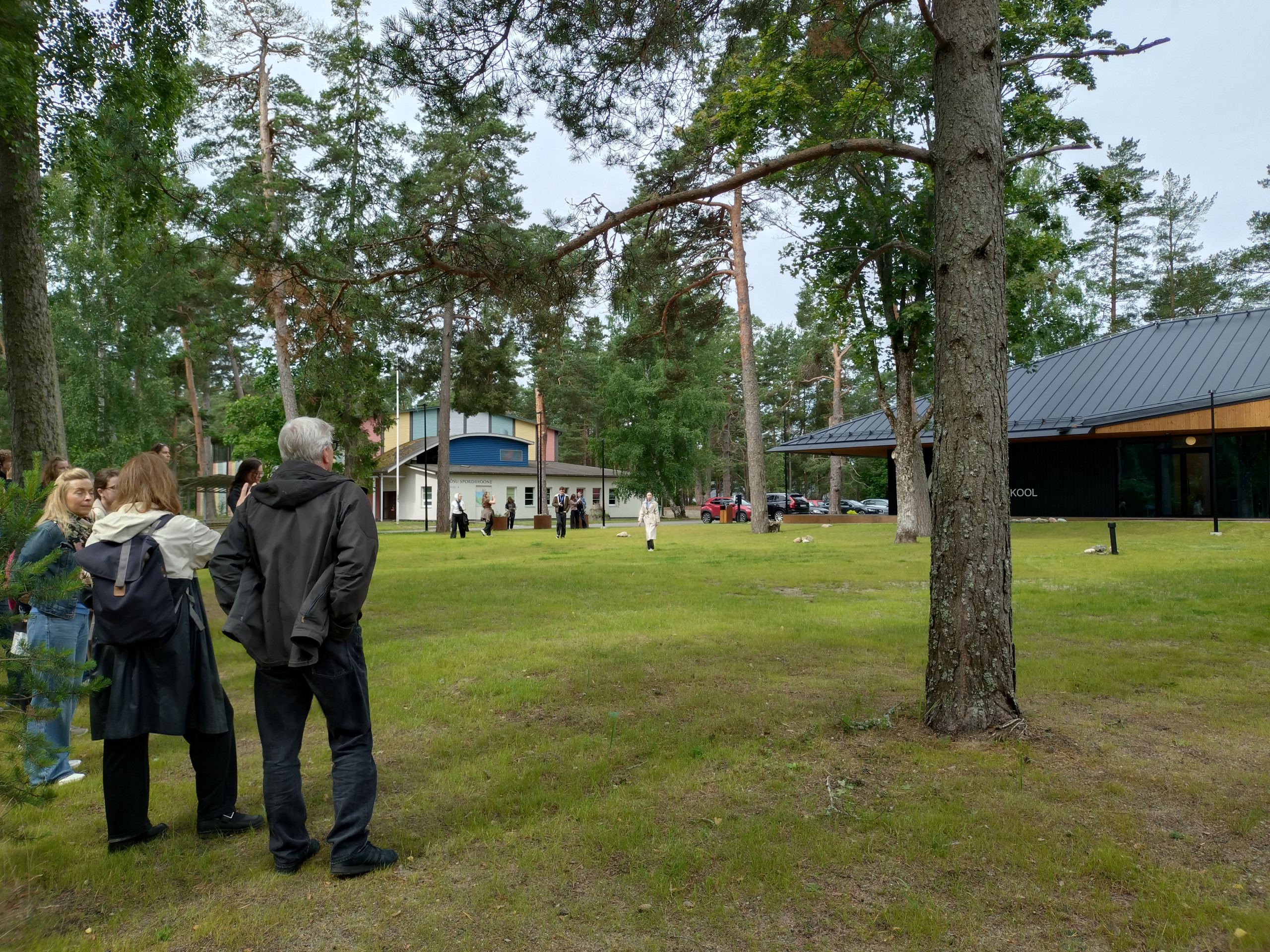
The course took place in Võsu, a small town on Estonia’s northern Baltic coast, where multiple historical layers of holidaymaking can still be observed.
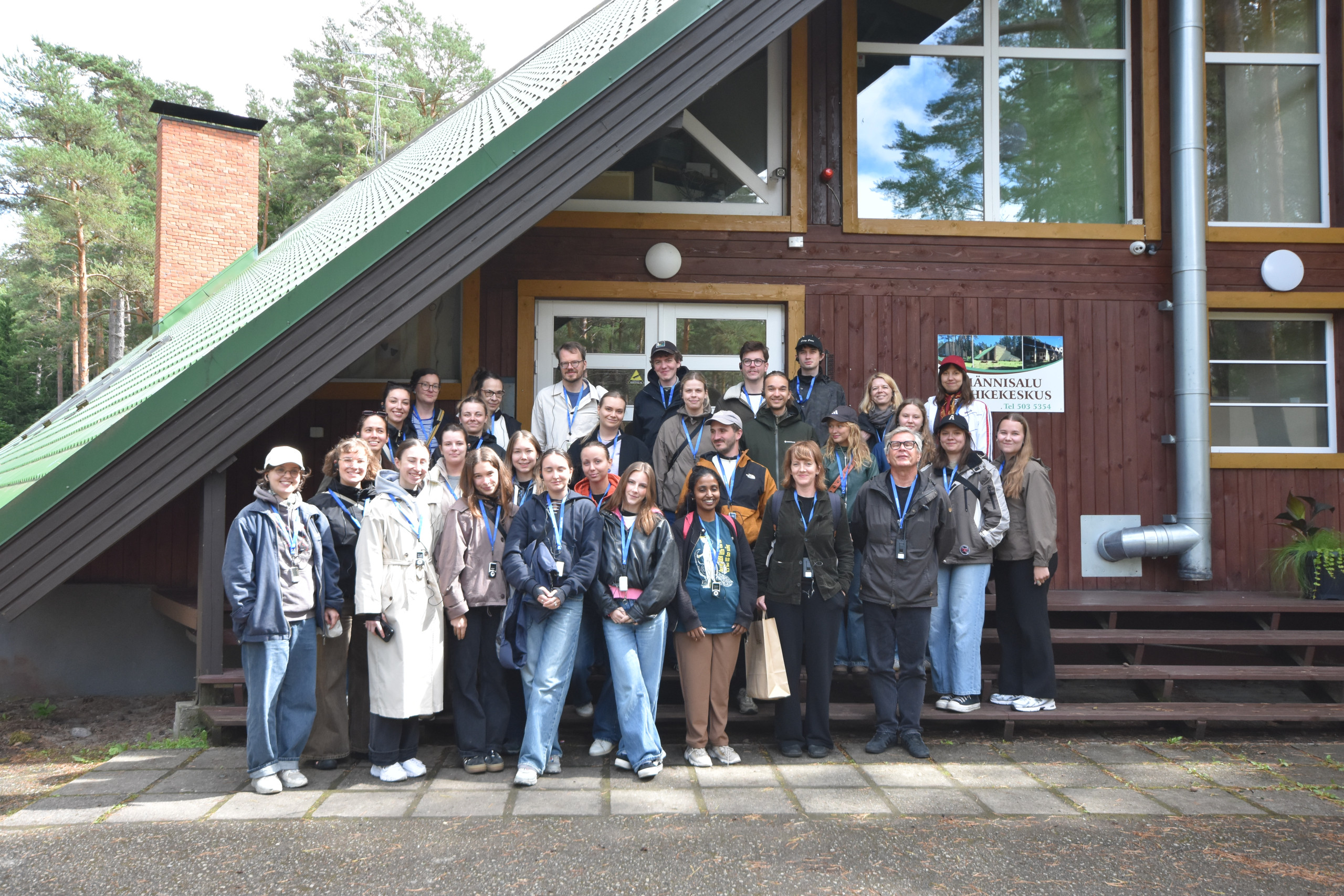
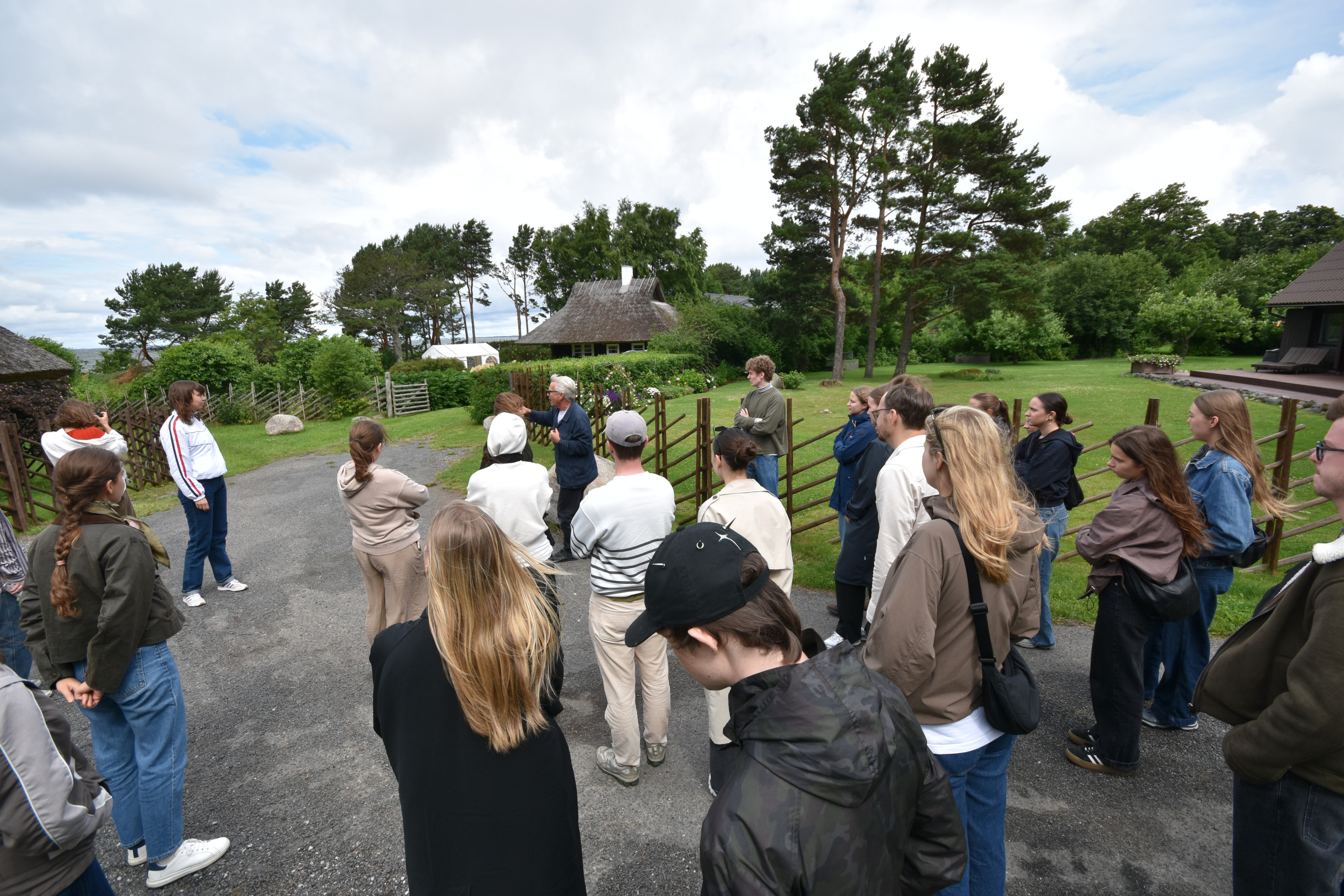
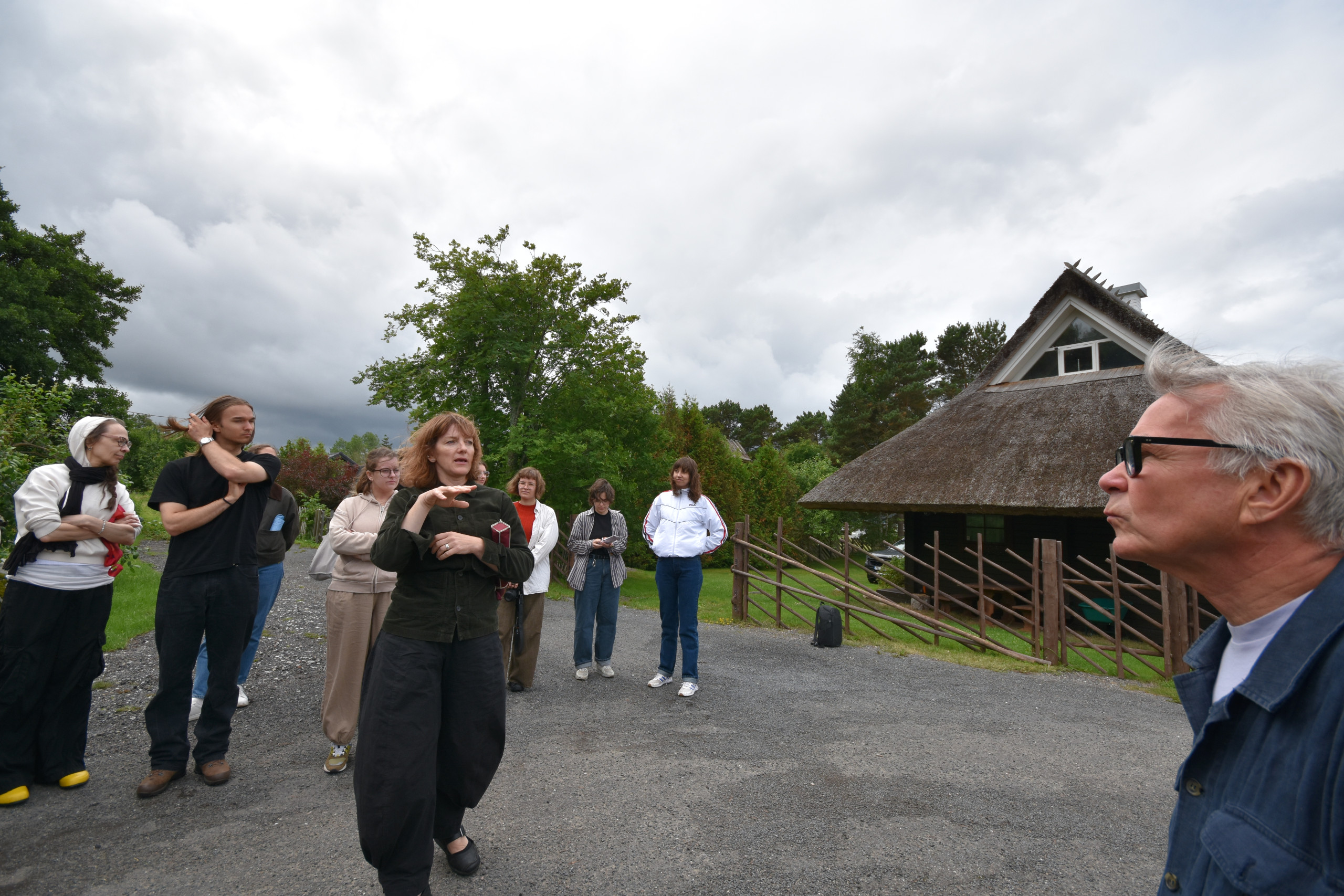
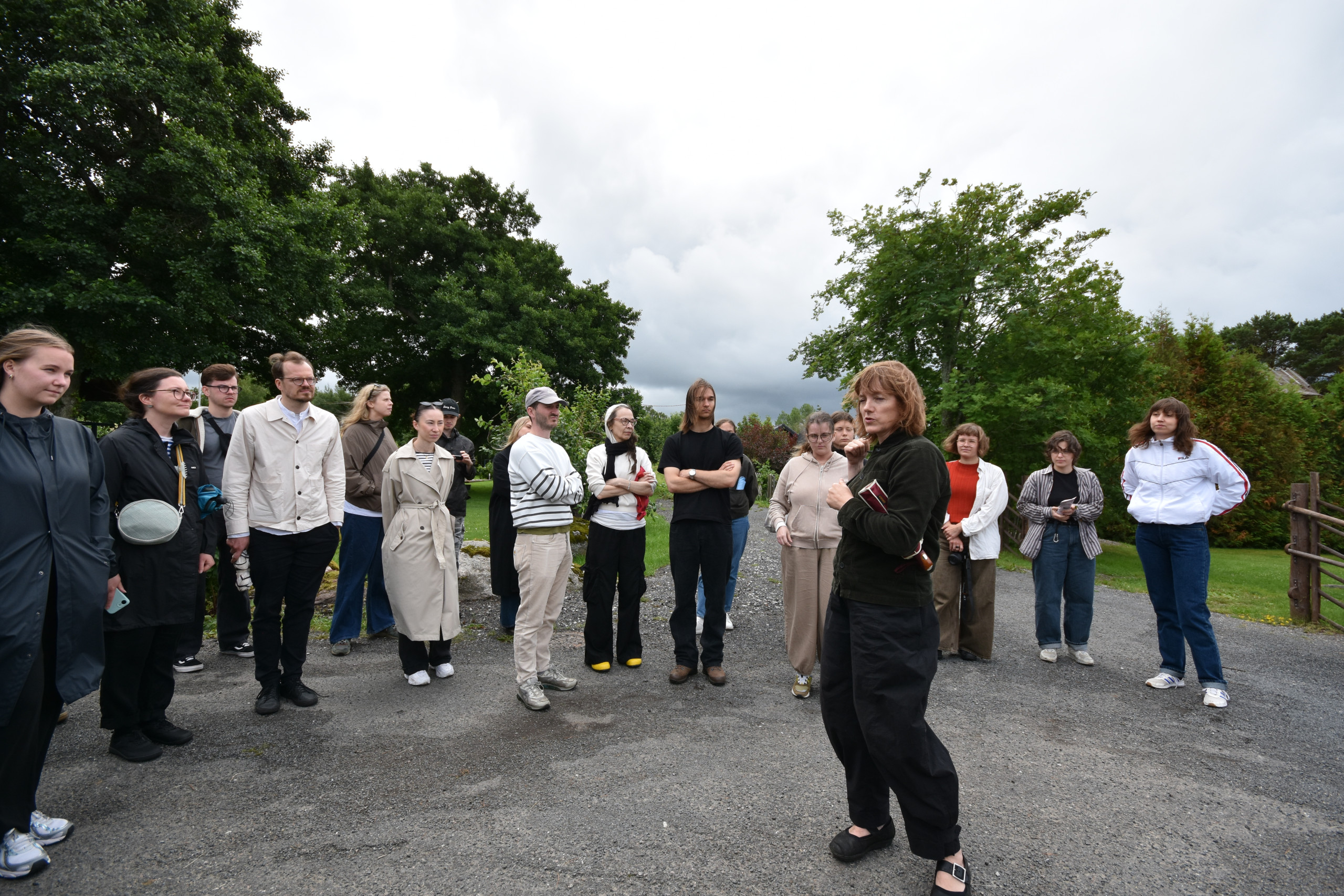
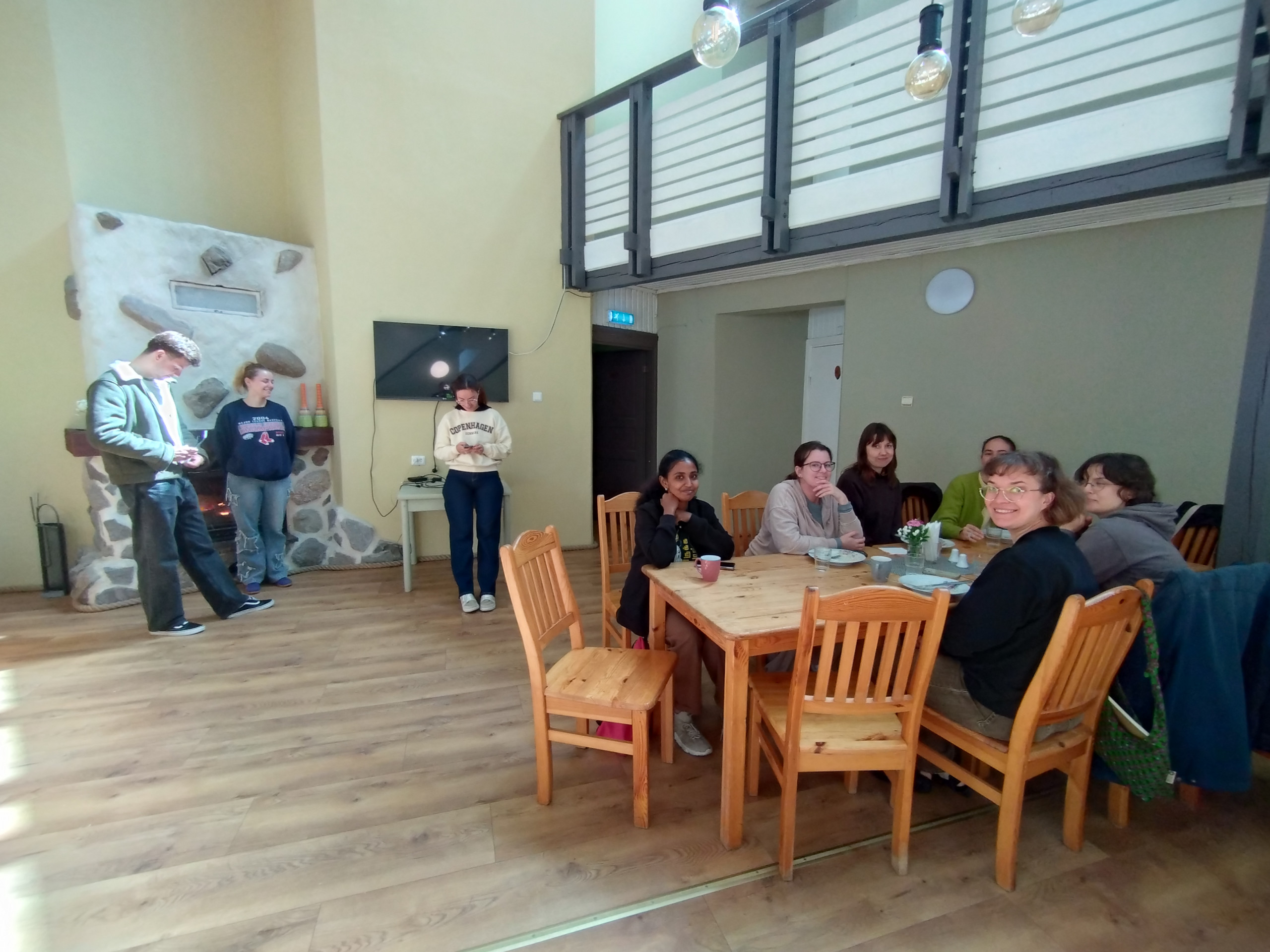
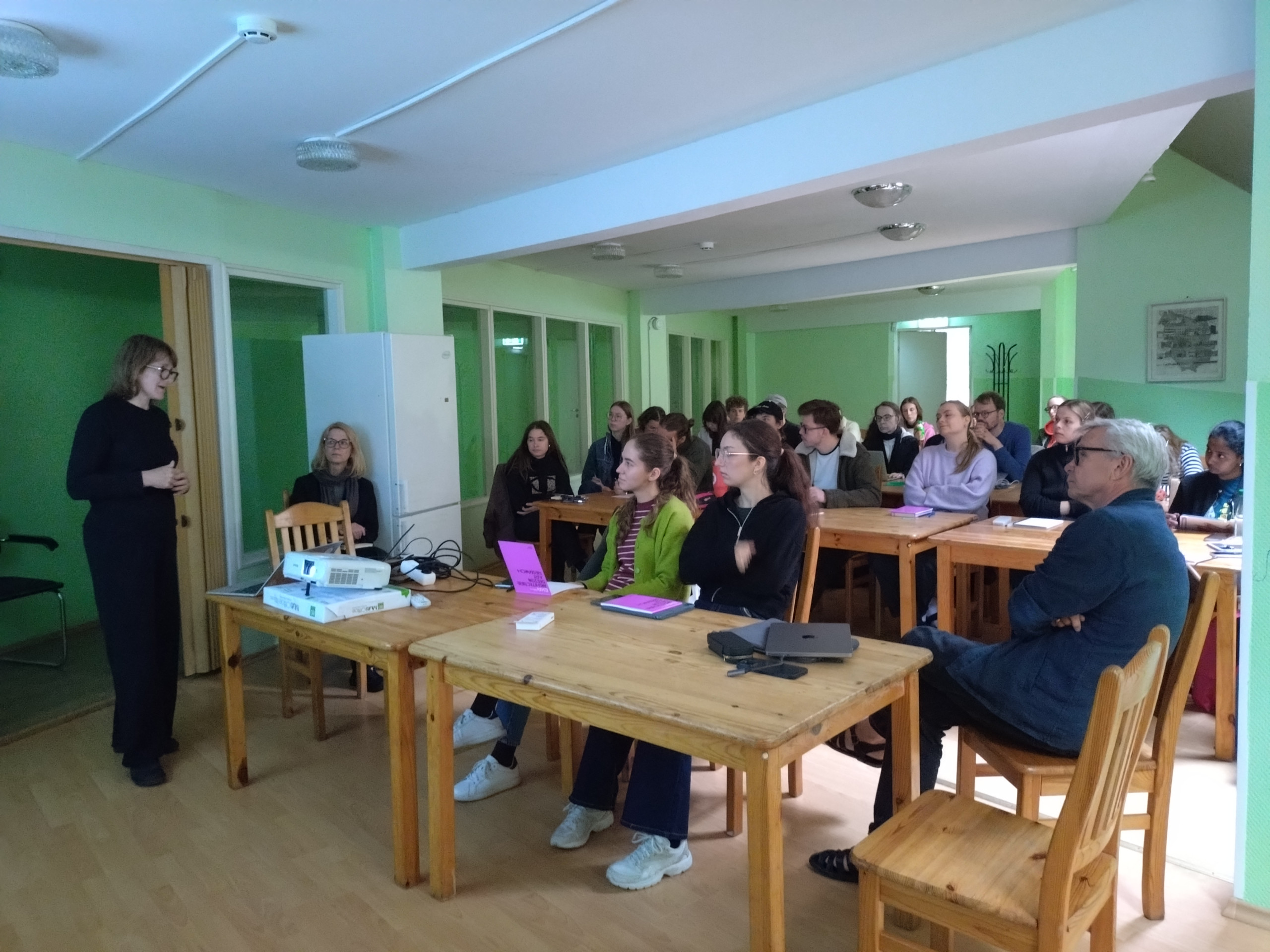
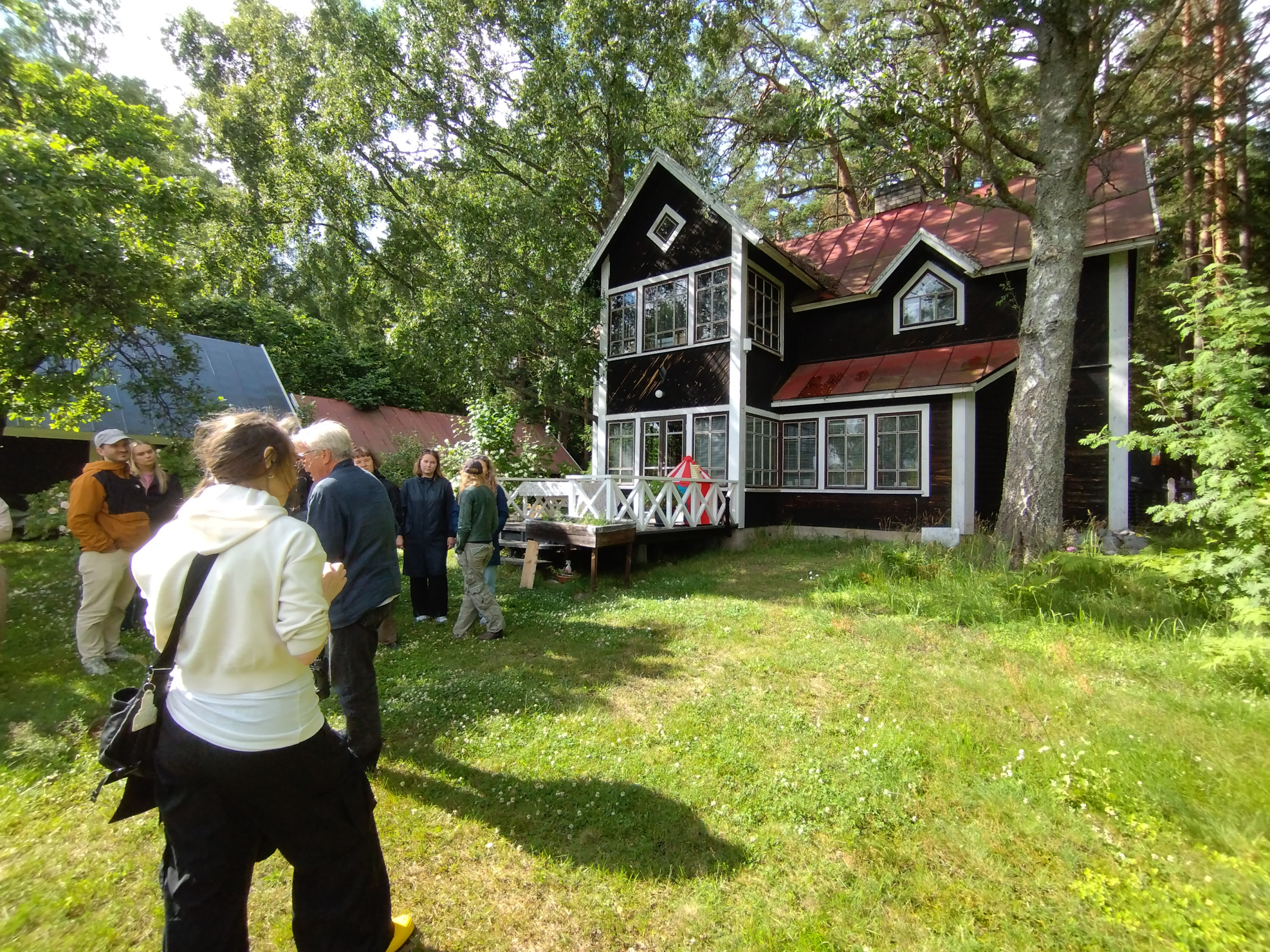
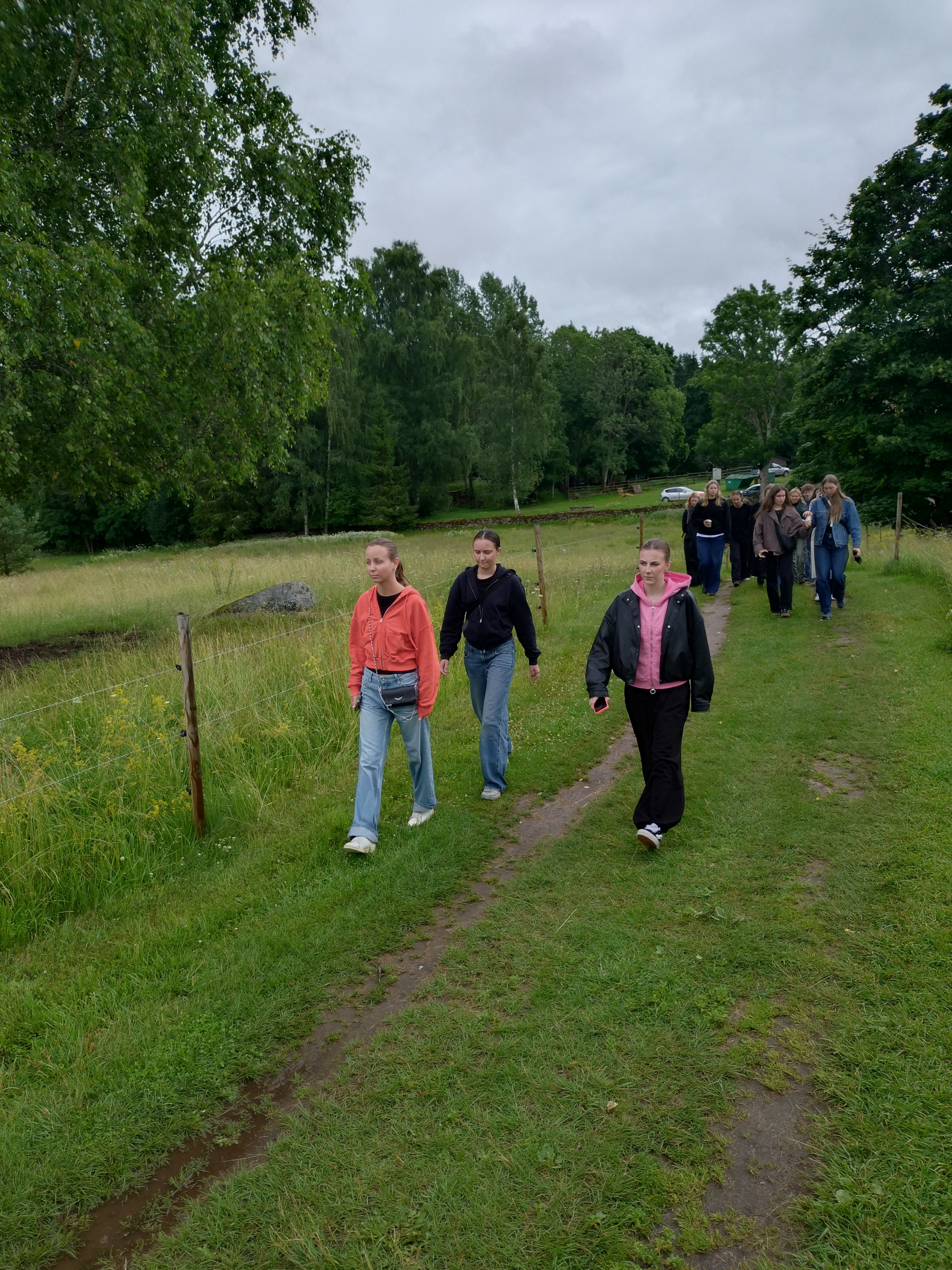
The course consisted of guided tours, lectures, fieldwork and students’ independent creative work in international groups. Participants were accommodated in a former company holiday home preserved from the Soviet period.
Students’ fieldwork journals and presentations can be found in the course blog.
Funded by: