Foto: August Kilmi
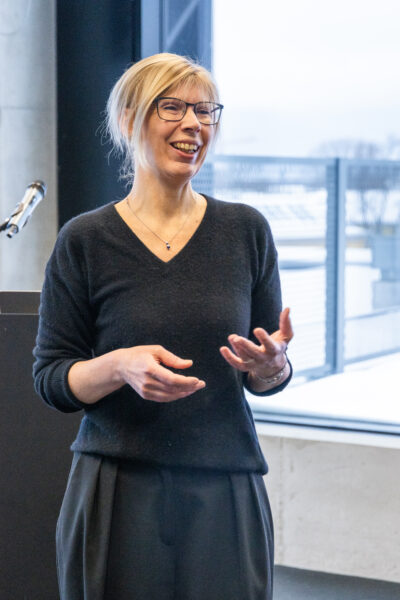
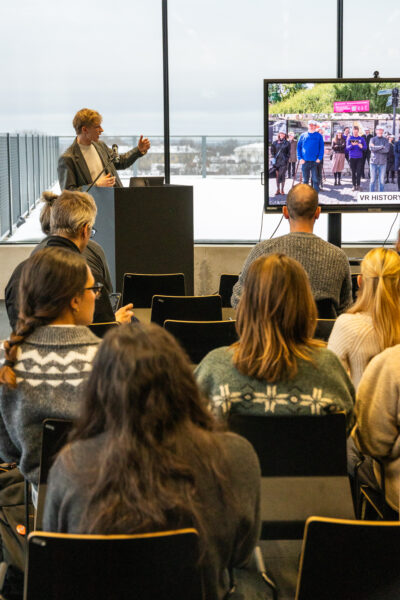
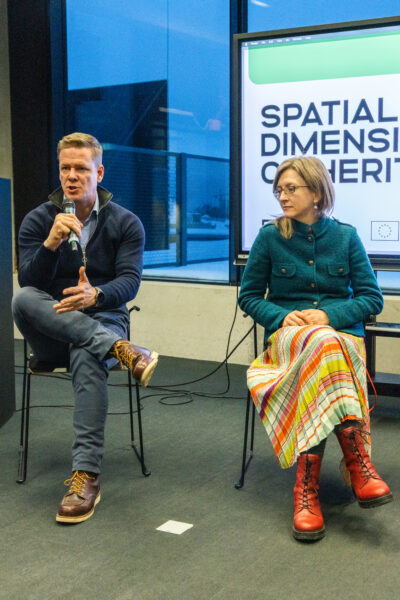
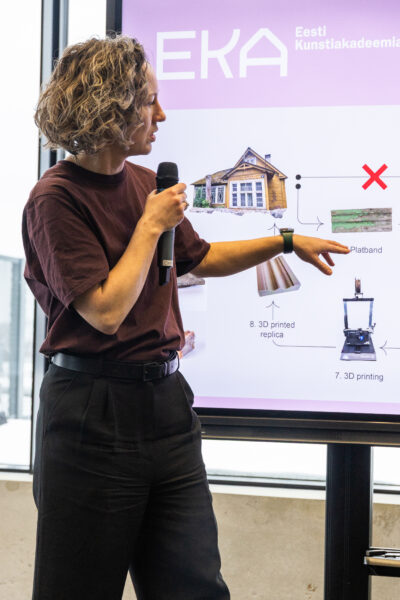
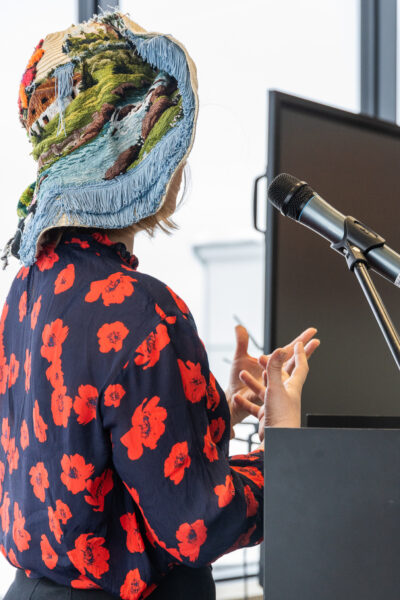
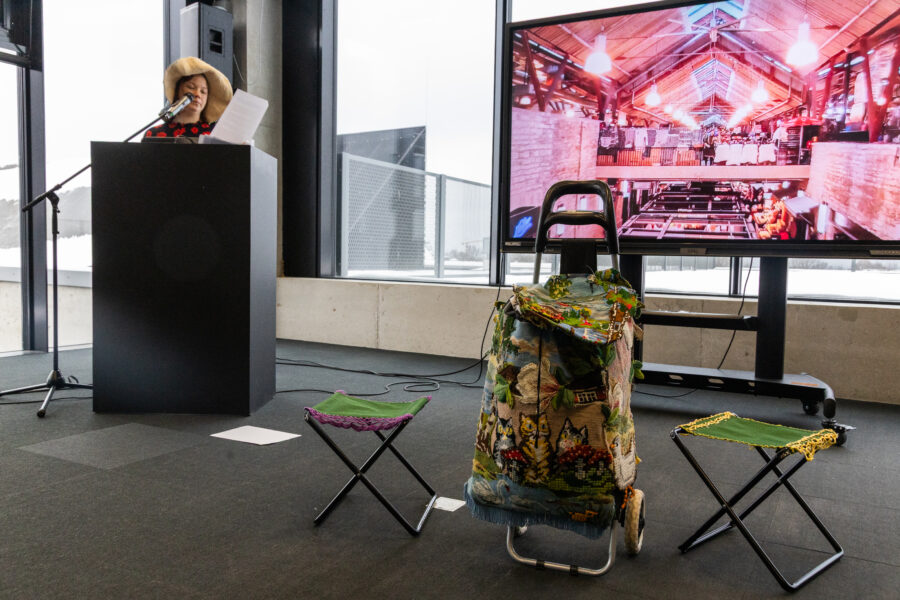
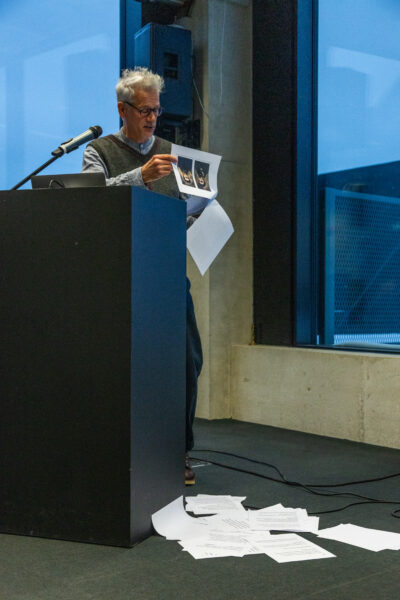
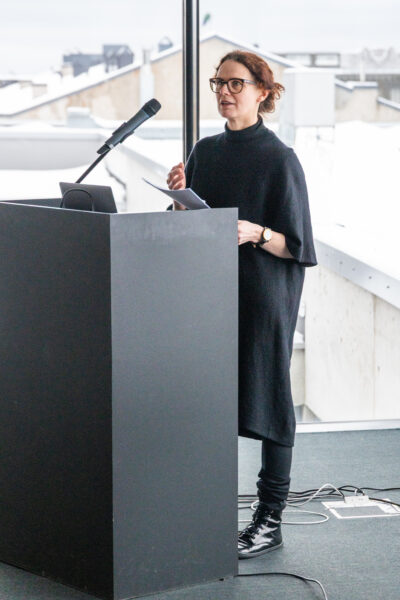
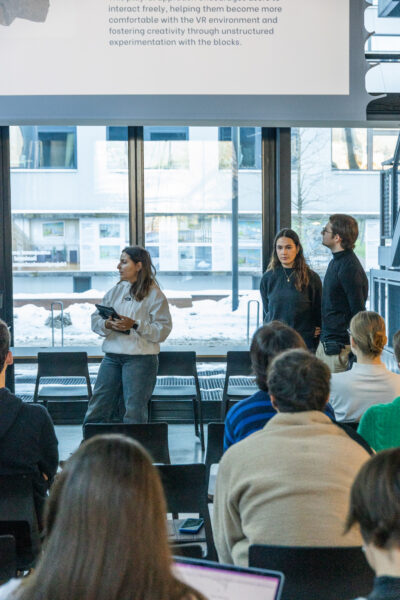
From 27–28 January 2026, the EKA hosted the international T4EU conference “Spatial Dimensions of Heritage | Creative Research Capacities” in Tallinn, organised as part of the Transform4Europe (T4EU) Alliance. This two-day event focused on the spatial dimensions of cultural heritage and interdisciplinary creative research approaches that connect theory and practice across disciplines. The conference explored how place, context and emerging technologies such as AR, VR and 3D modelling can inform and enrich heritage studies and creative research methods.
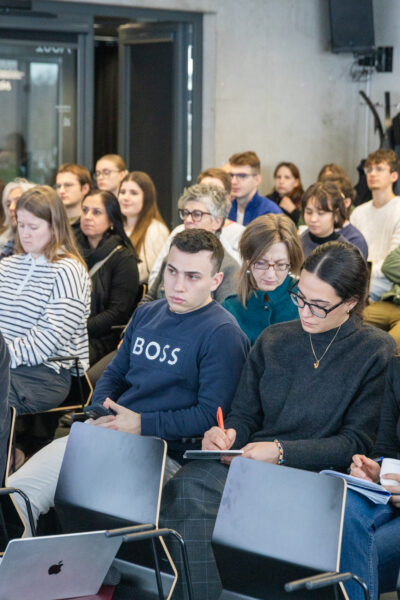
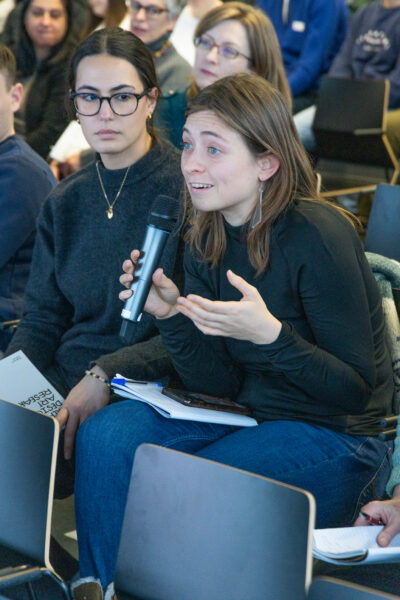
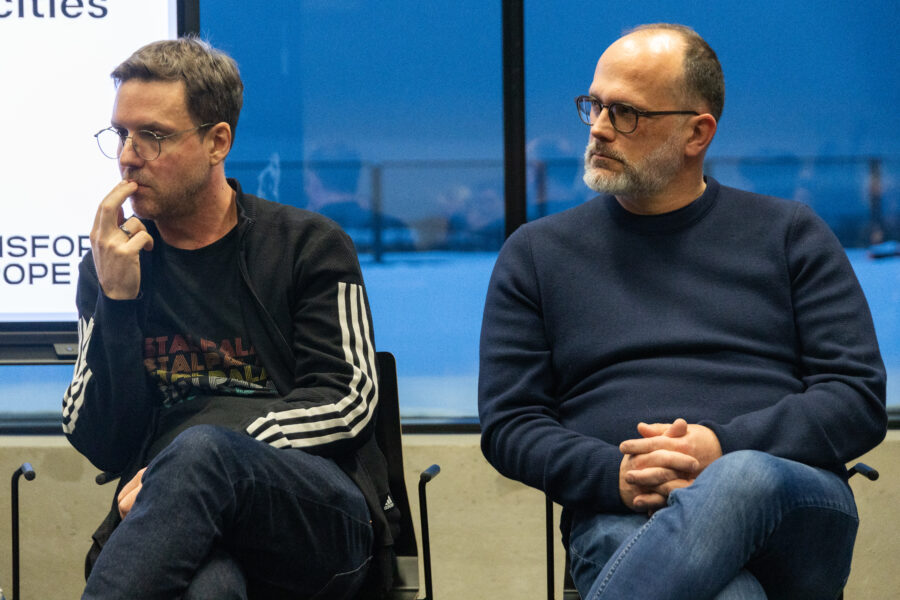
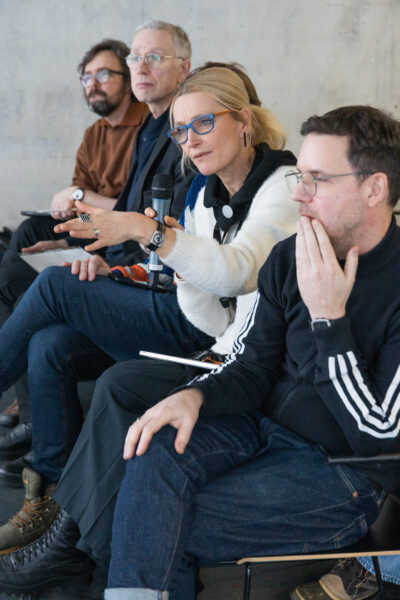
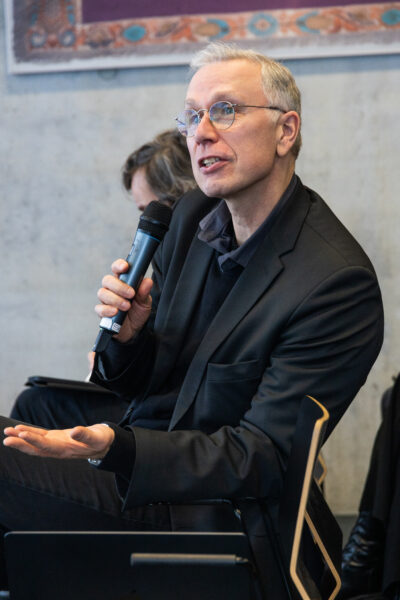
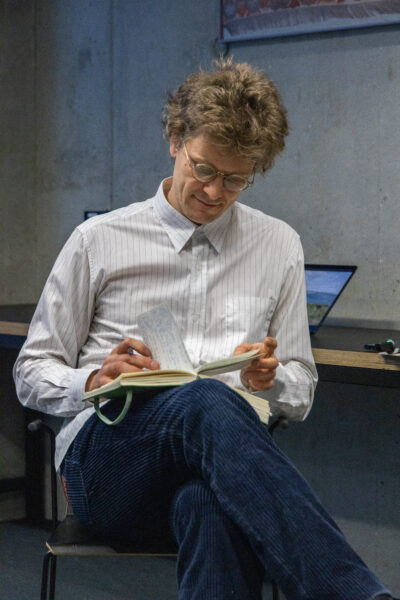
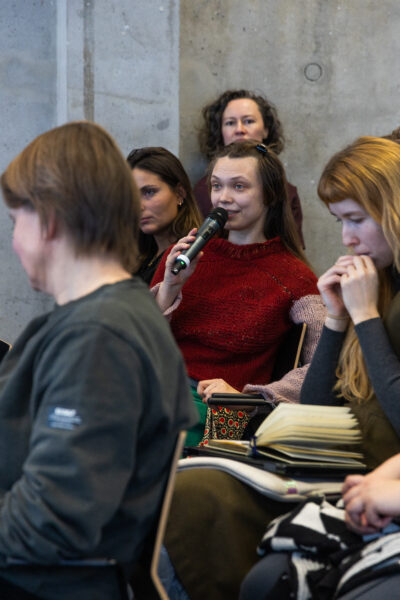
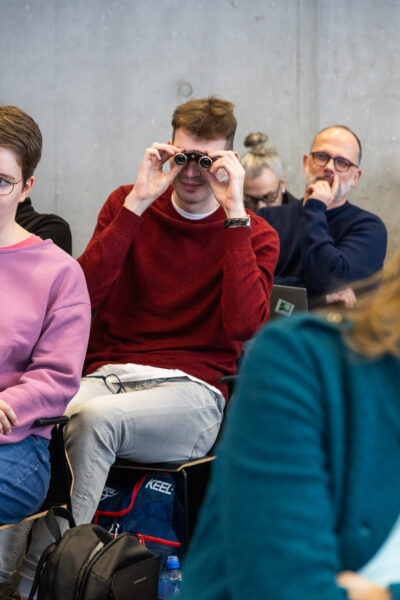
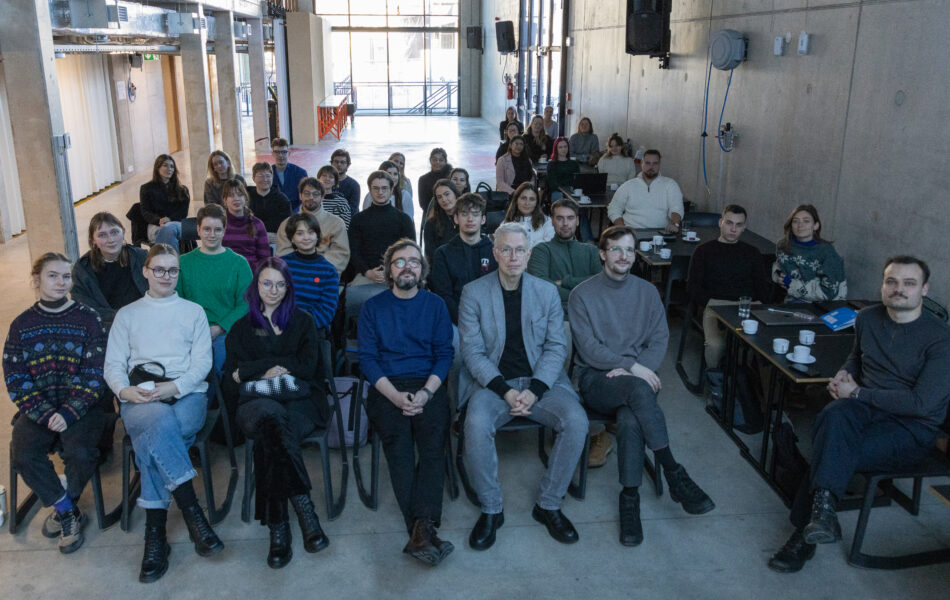
Participants could join the conference both on site at EKA and via live stream, and the event brought together over 100 participants from a range of academic and professional backgrounds. The audience included students, researchers, faculty, doctoral candidates and creative practitioners from EKA as well as partner universities in the T4EU network, fostering lively interdisciplinary dialogue and exchange.
Recordings of both conference days are available with timestamps on YouTube:
Day I (27 January): Spatial Dimensions of Heritage – recording
Day II (28 January): Creative Research Capacities – recording.
Sessions featured a mix of theoretical and practical contributions related to interpreting tangible and intangible heritage, the role of digital tools and creative methodologies, and new ways of understanding spatial relations in heritage research.
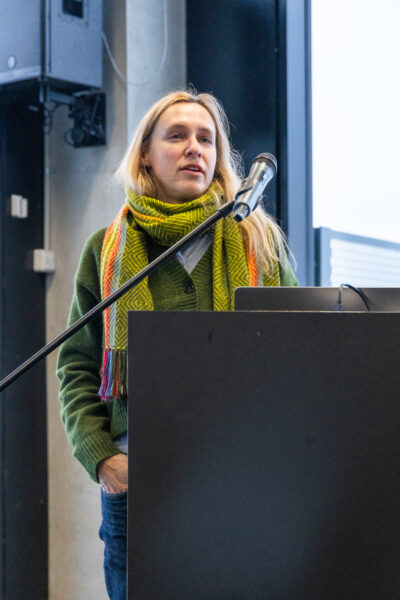
Tullia Catalan, Associate Professor in the Humanities at the University of Trieste and T4EU WP7 expert, reflected on the conference’s rich perspectives, noting that keynote speaker Pascal Bronner’s lecture “Confessions of a Dying Tree” offered a compelling and unconventional viewpoint, and that doctoral presentations addressed critical societal, environmental and sustainability themes.
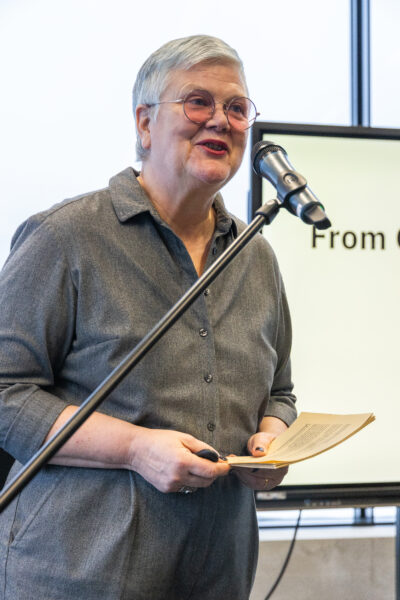
The conference’s lead organiser, Martin Melioranski, lecturer at EKA’s School of Architecture and Director of 3DL, reflected on the broad range of presentations, which sparked inspiring discussions across heritage studies, architecture, art, design, digital humanities, history, and related fields. He noted that the conference brought to the foreground how different scientific disciplines and conceptual frameworks address the challenges of fragmented and only partially preserved heritage across its various scales and spectrums.
Melioranski also emphasised the importance of ensuring that investigative research and technical knowledge extend beyond a narrow circle of directly involved stakeholders and are disseminated as widely as possible. According to him, this openness allows analytical insights to stand alongside intuition and creative thought, supporting thoughtful historical and spatial choices that European societies face today and in the (un)foreseeable future.
The conference programme and further information are available here.
The event took take place under the auspices of the Transform4Europe Alliance. A collaborative network of 11 European universities focused on climate change, digitalisation, and social challenges – and is co-funded by the Erasmus+ Programme of the European Union.