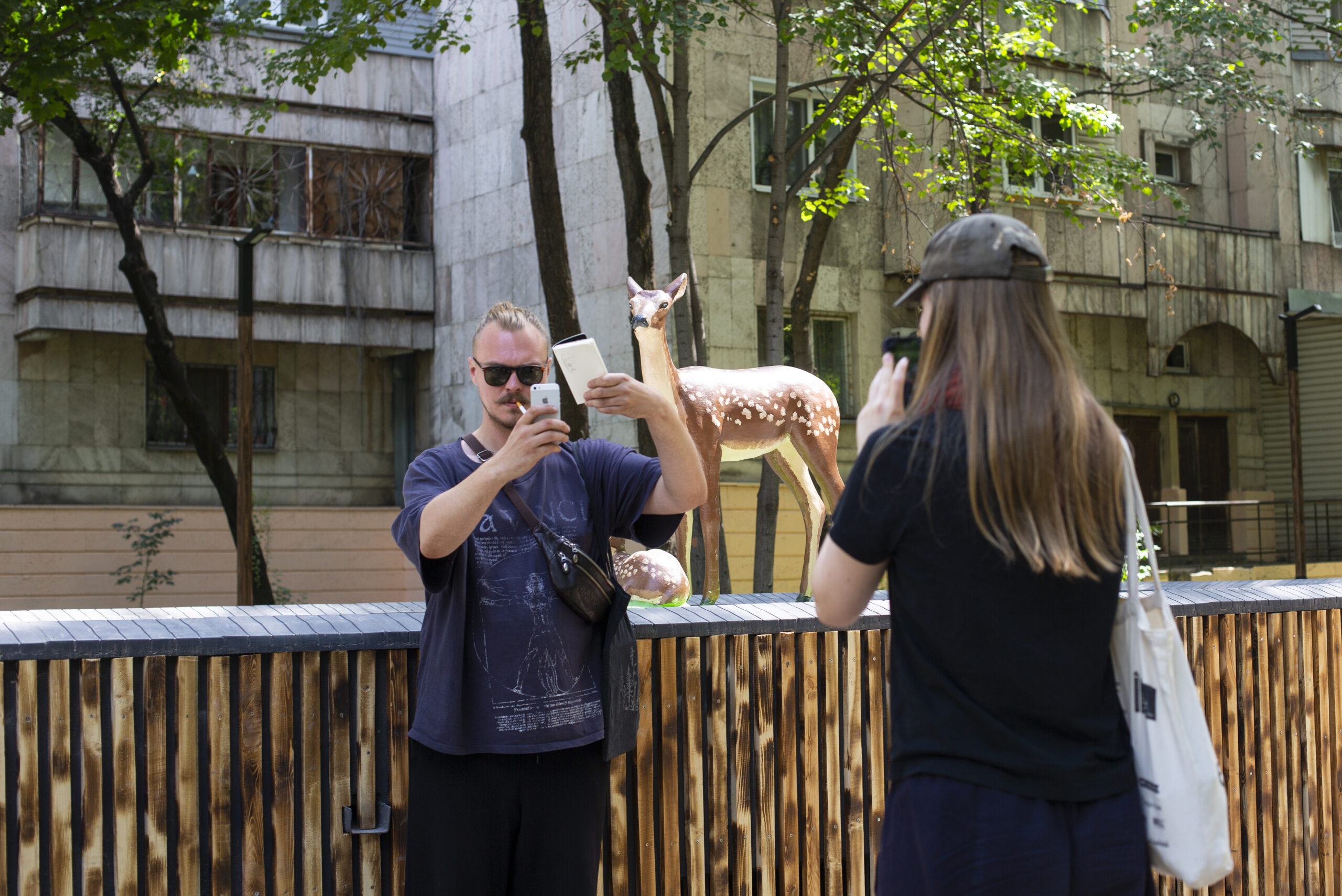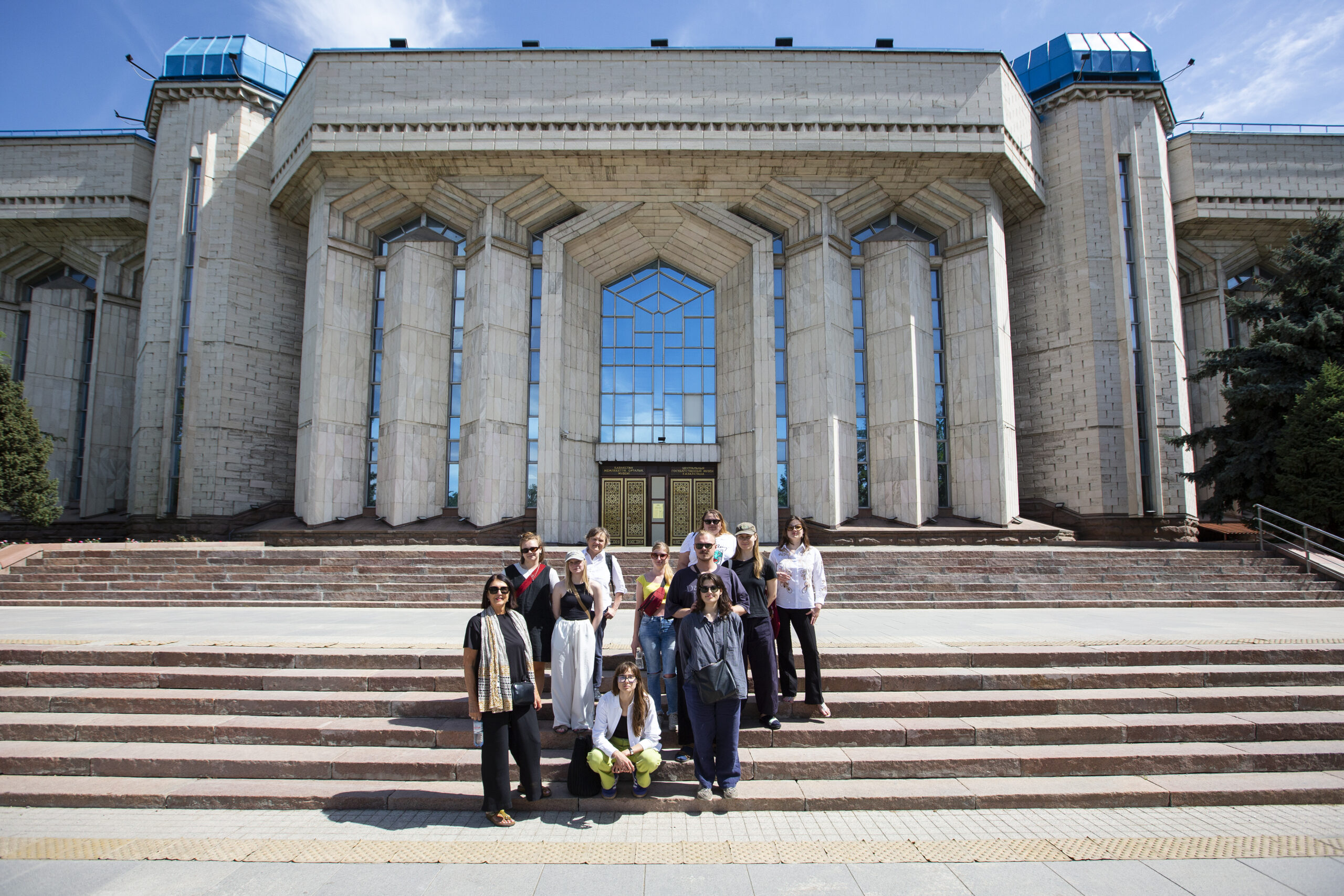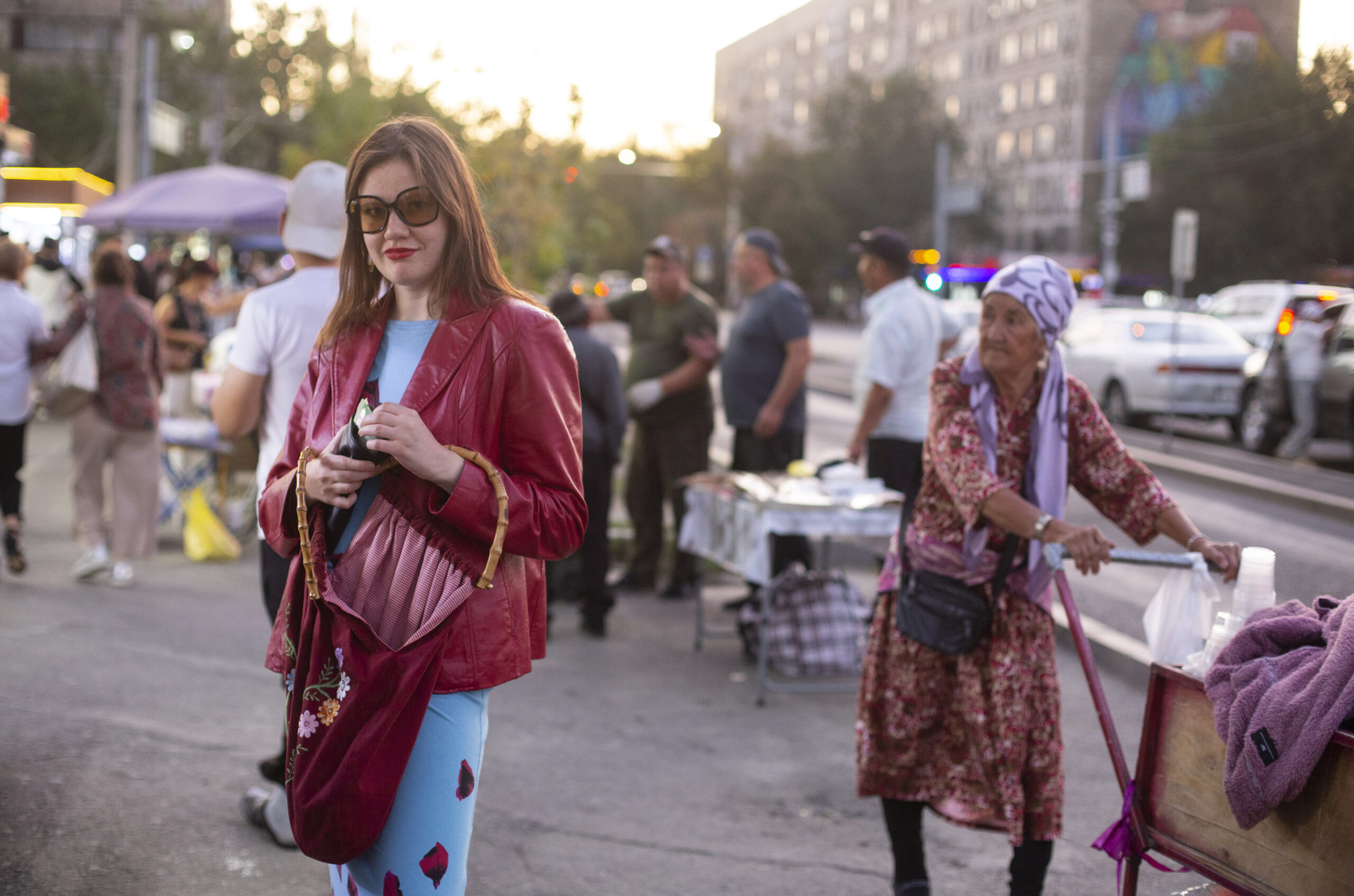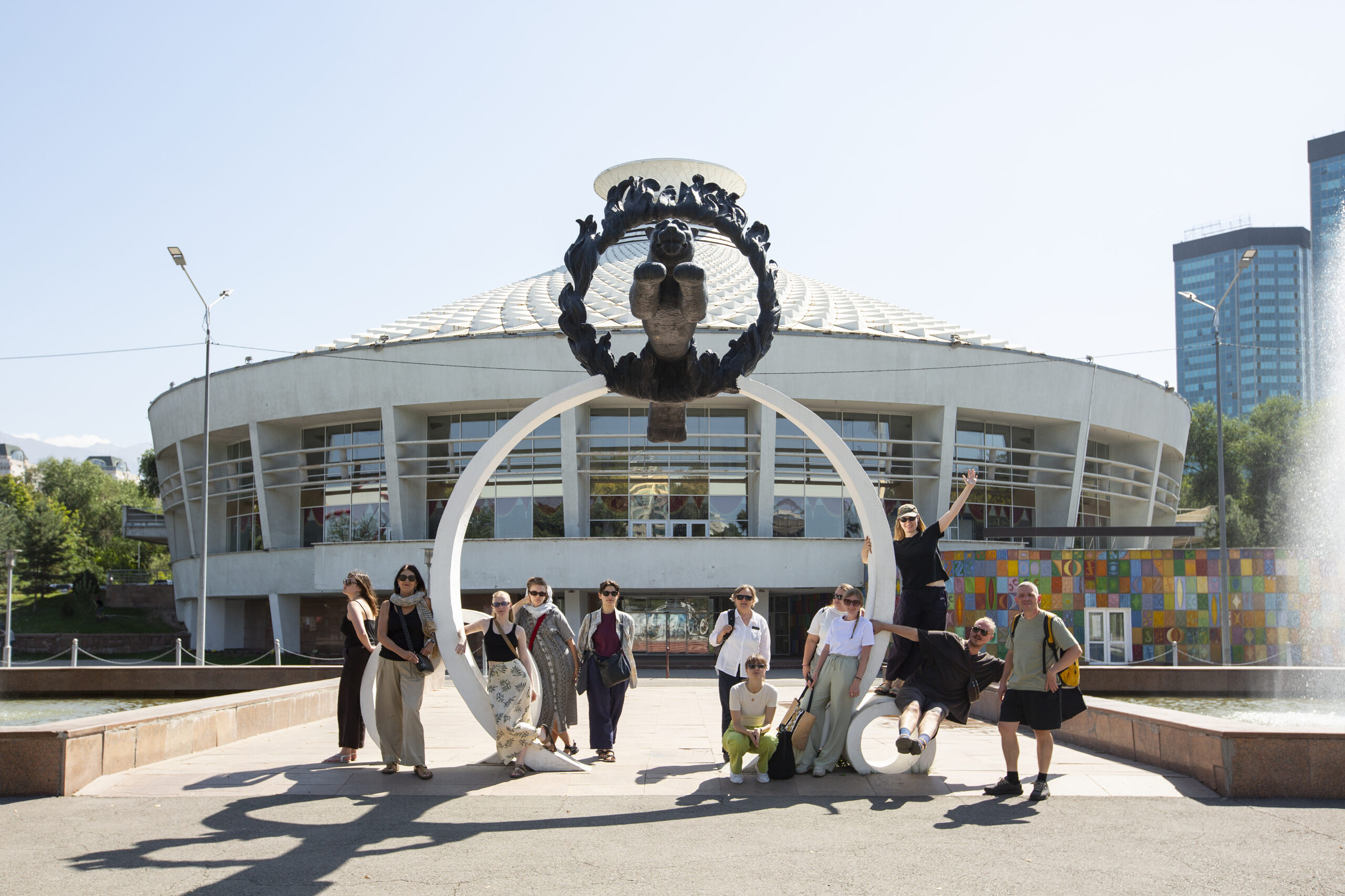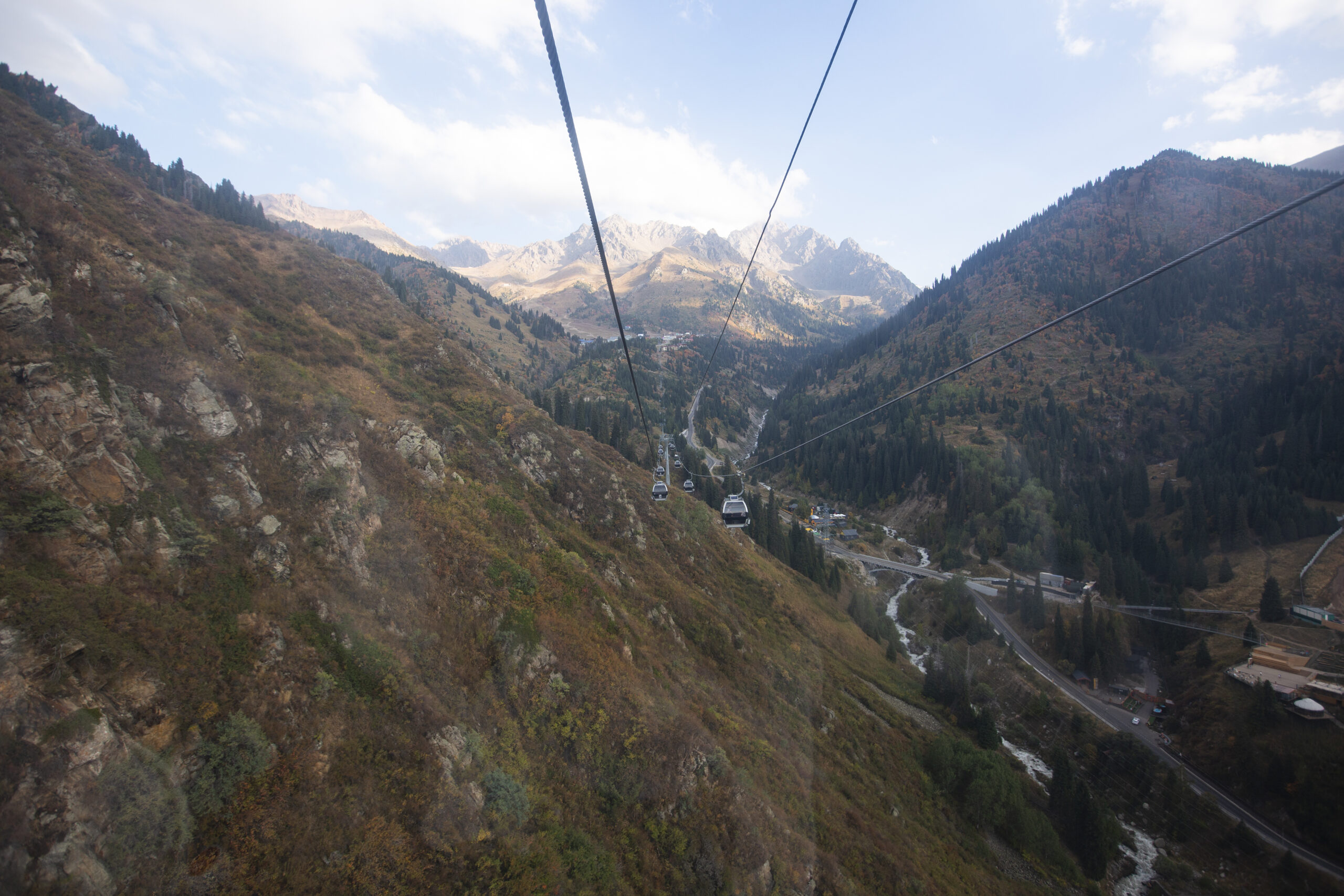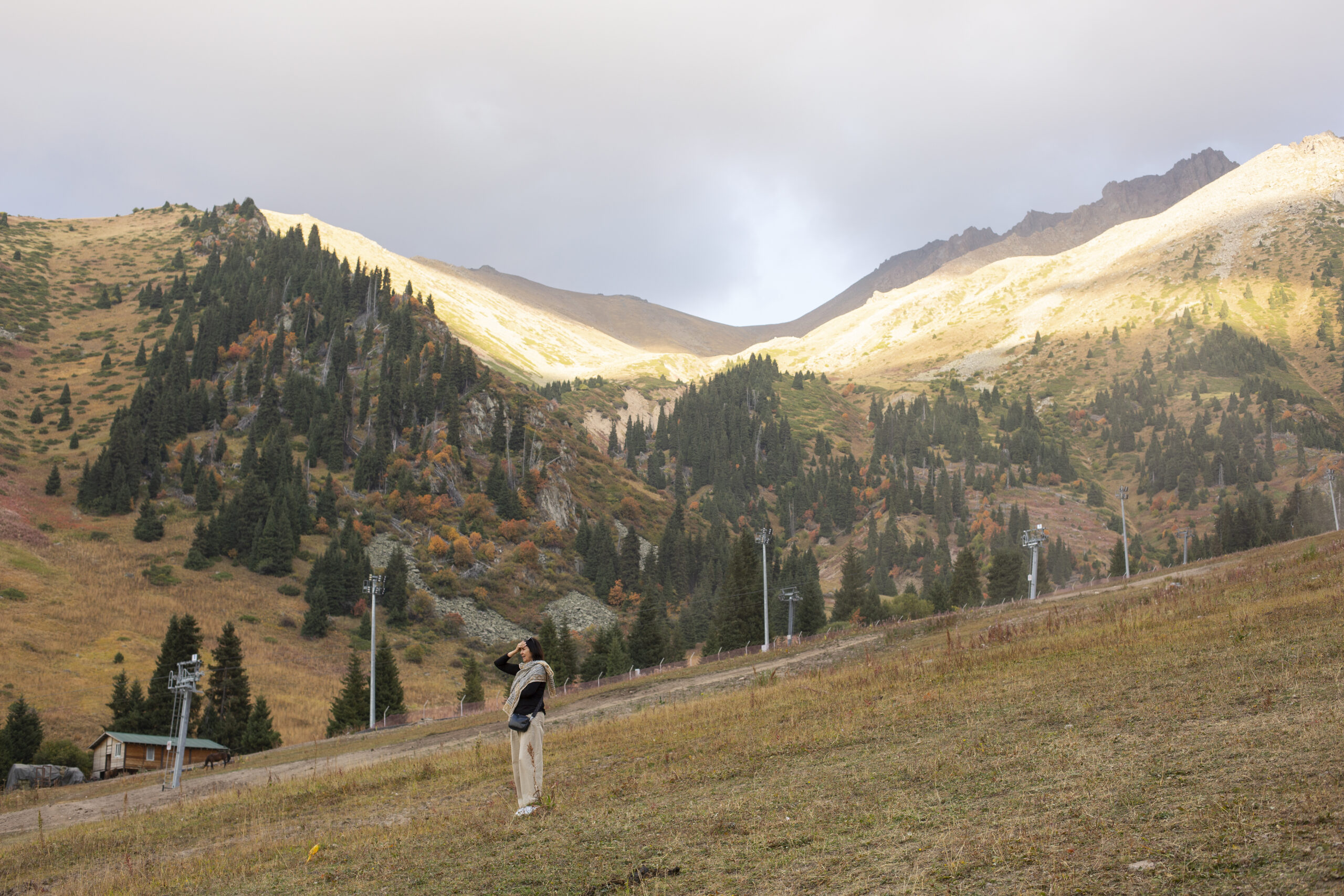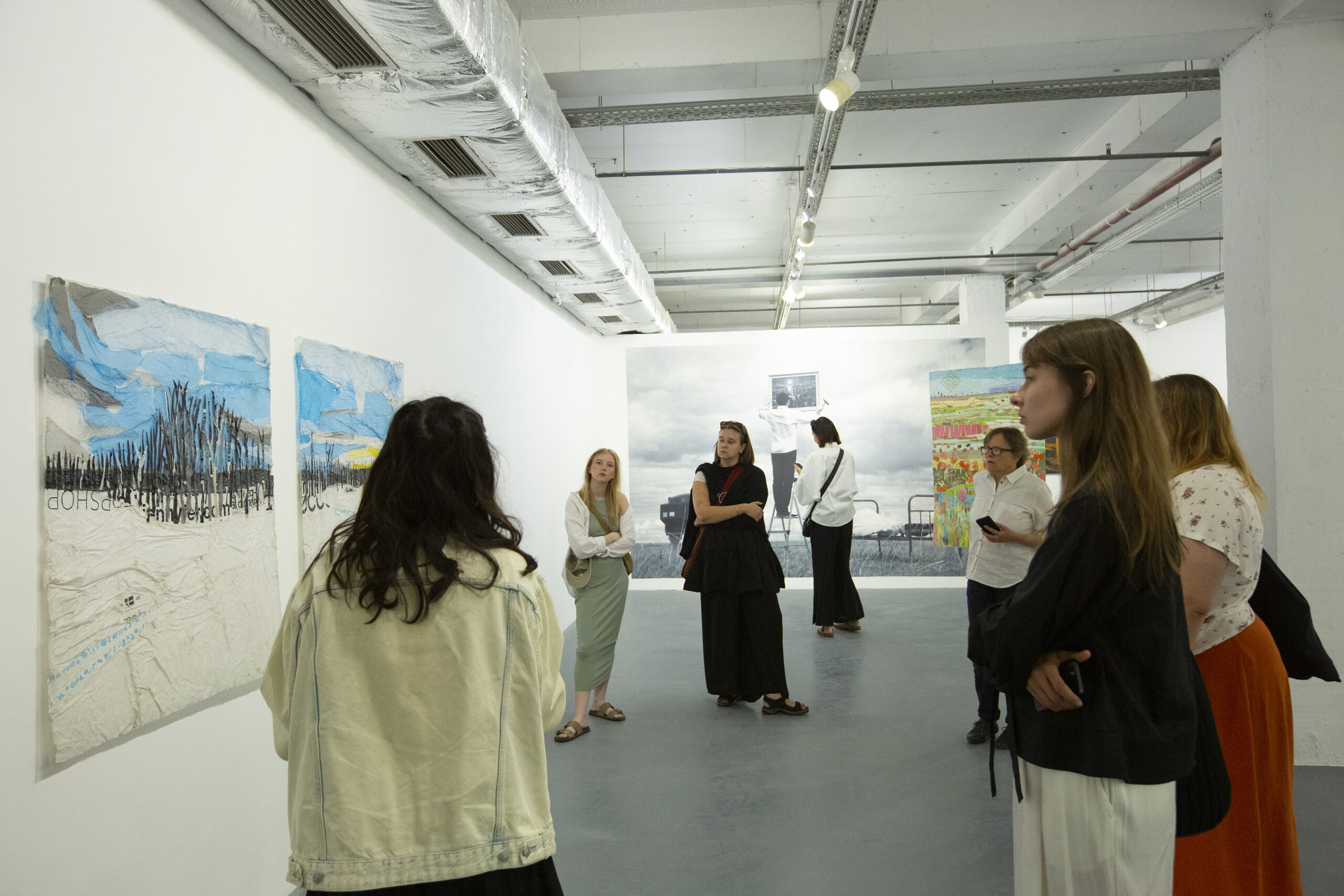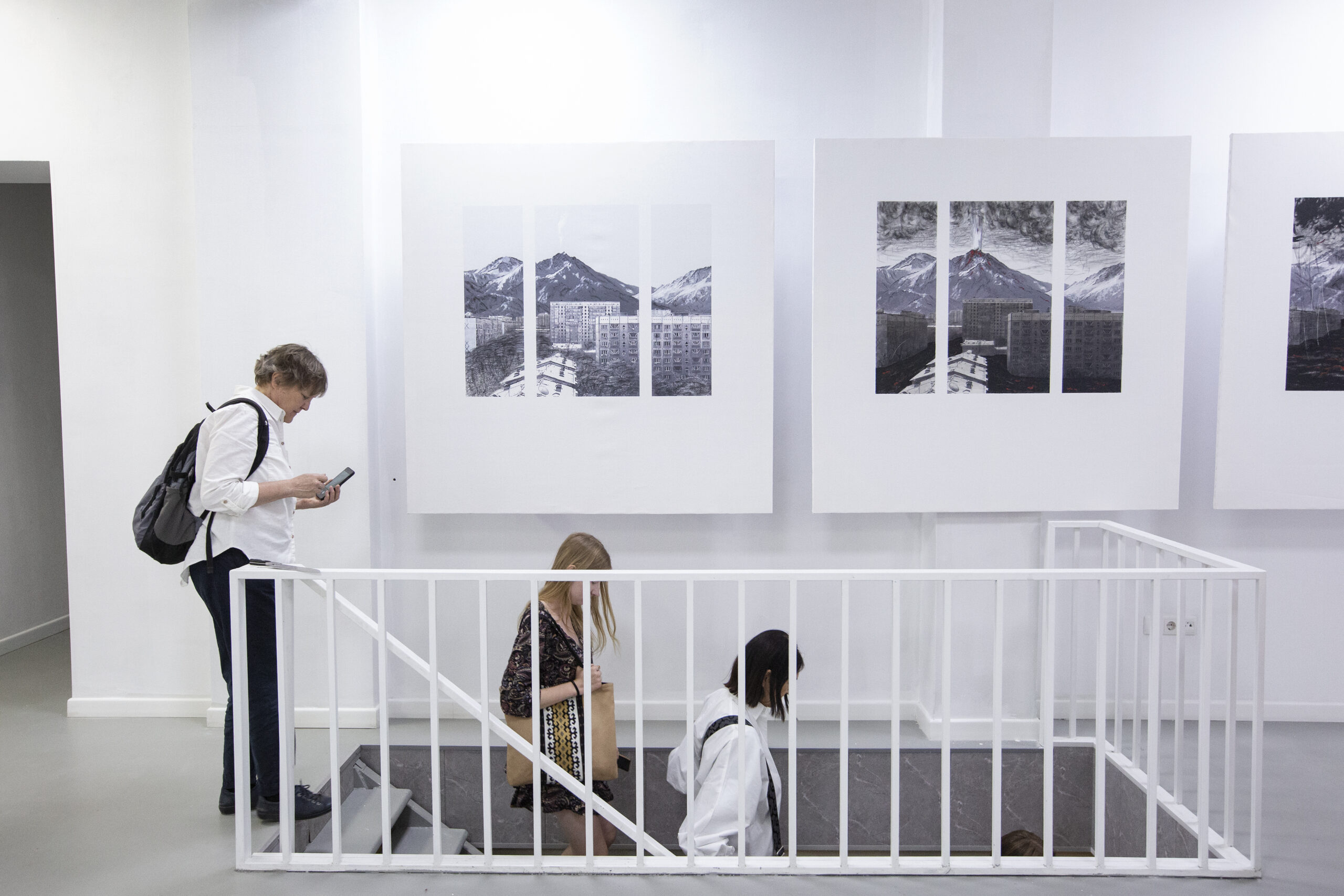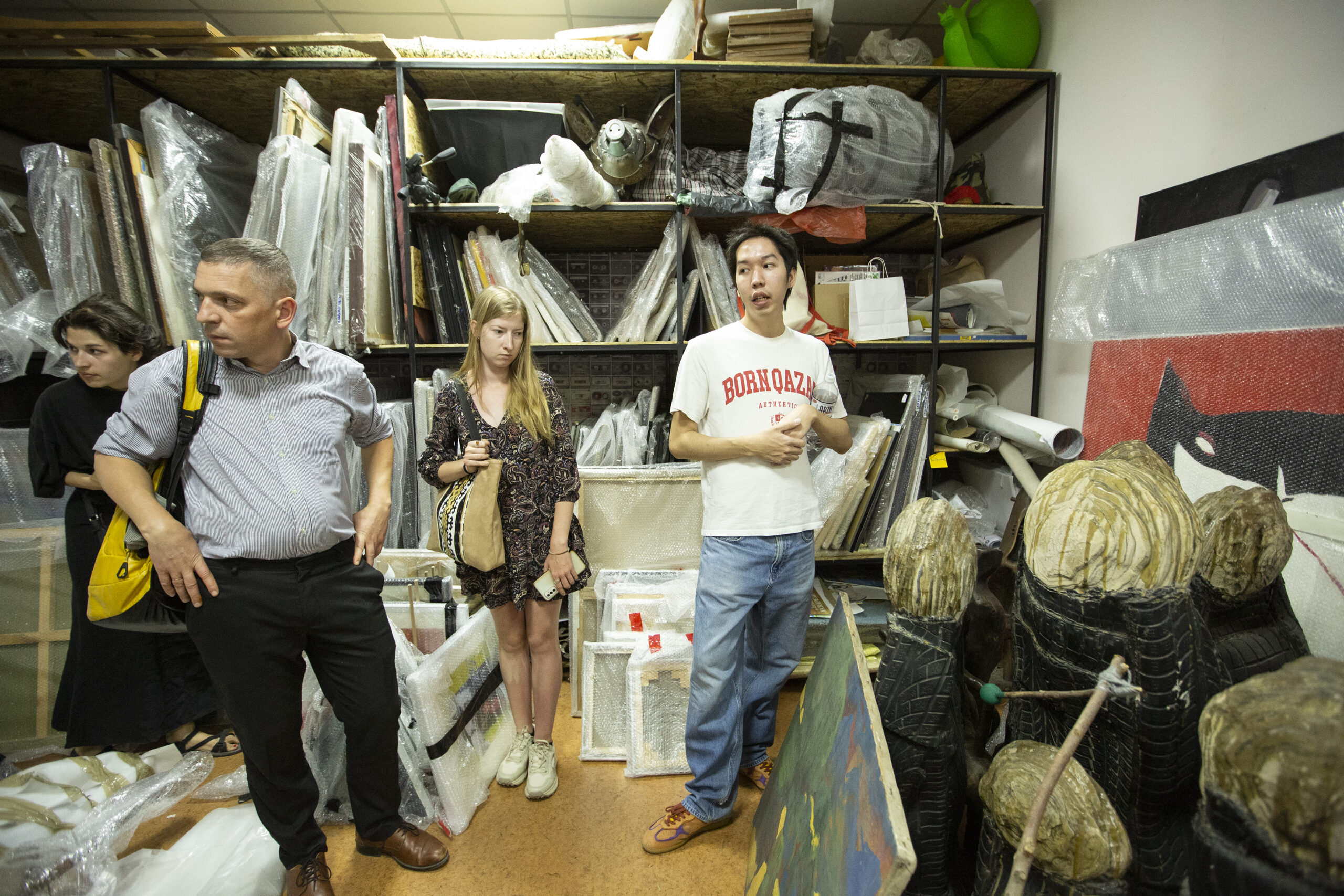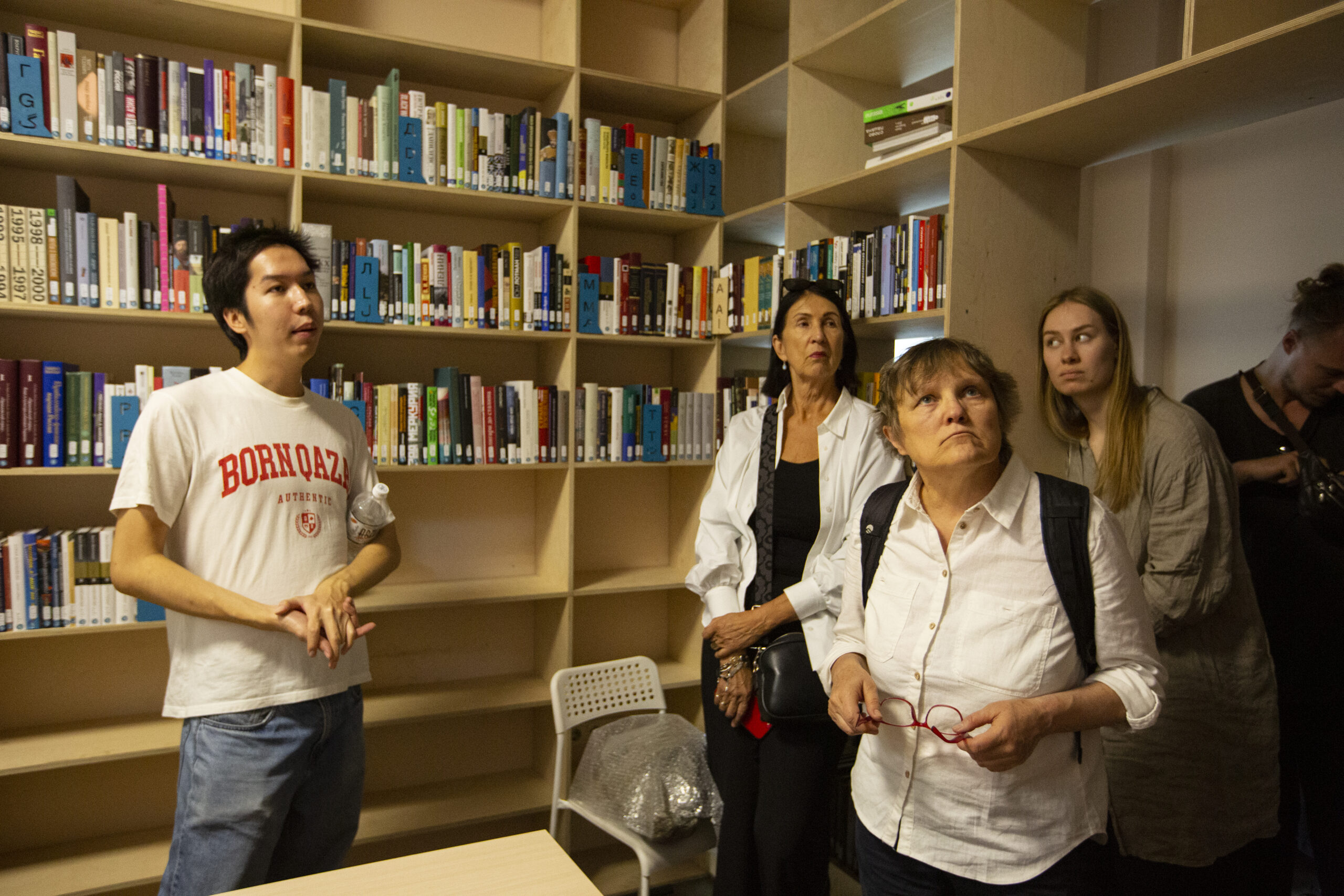
At the beginning of this academic year, from August 31 to September 8, master’s students and faculty members from the Faculty of Art and Culture, specializing in art history and visual culture studies as well as heritage protection and conservation, went on an internship trip to Central Asia. This time, they headed to Kazakhstan and Uzbekistan, where they explored the local art scene.
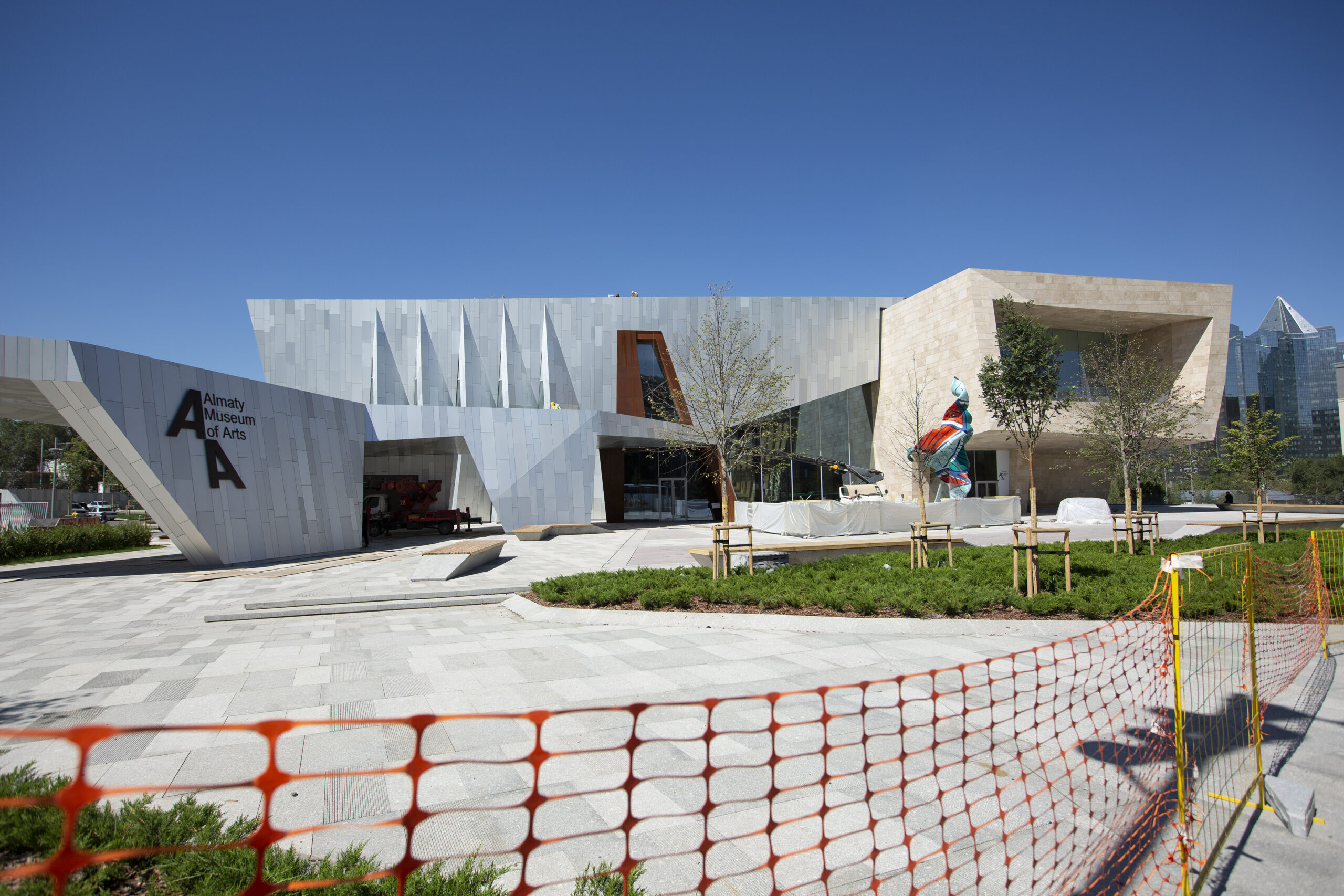
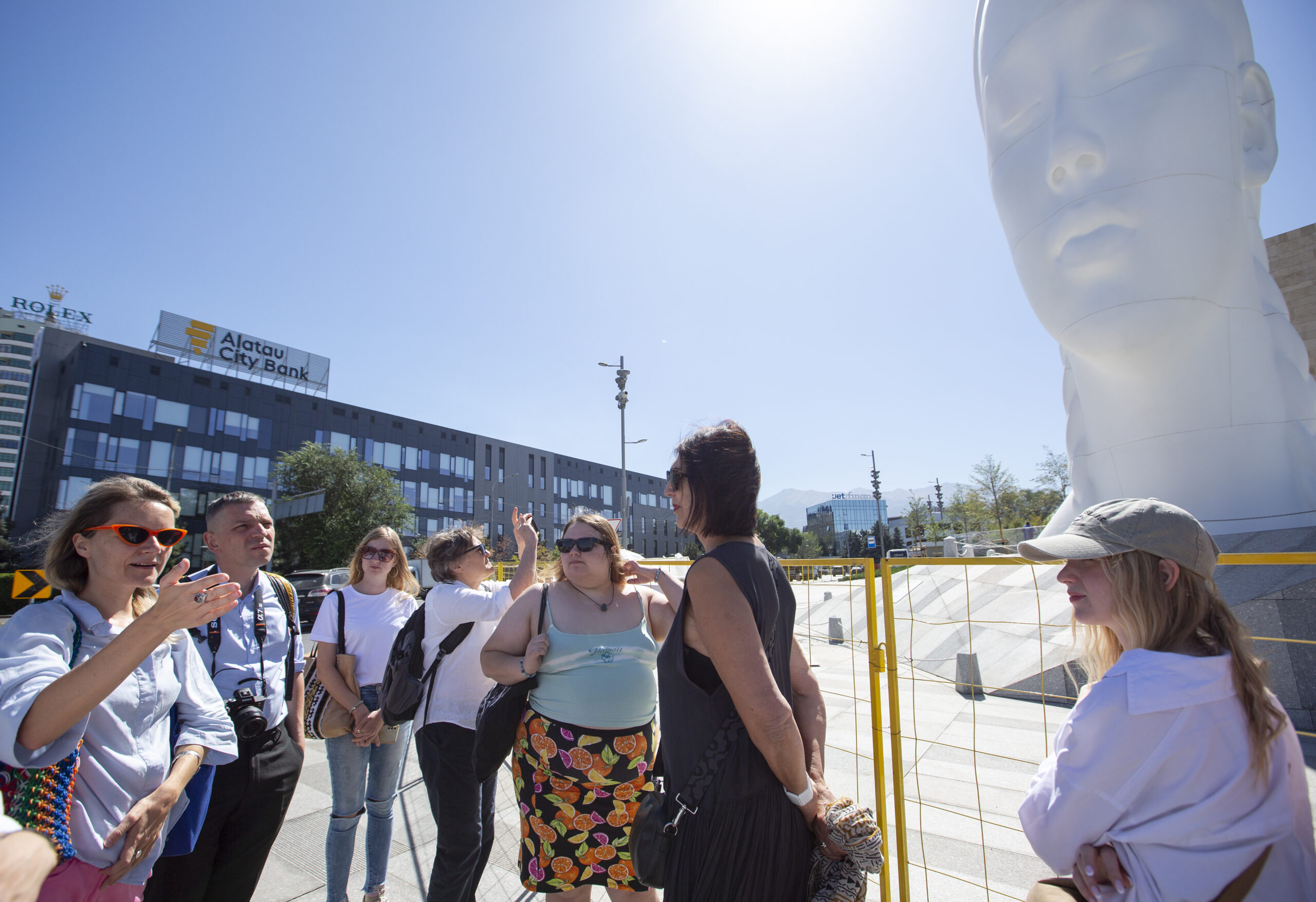
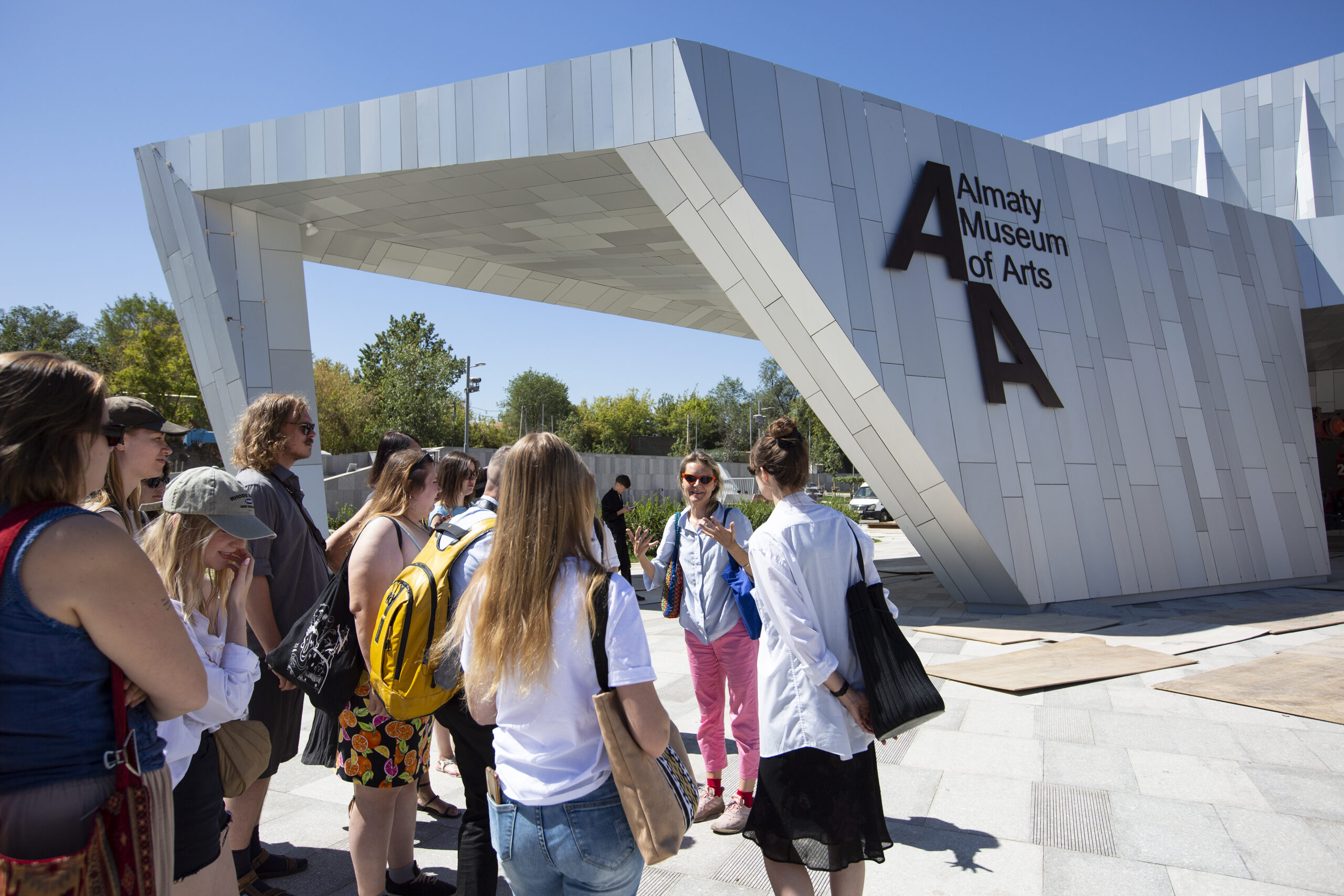
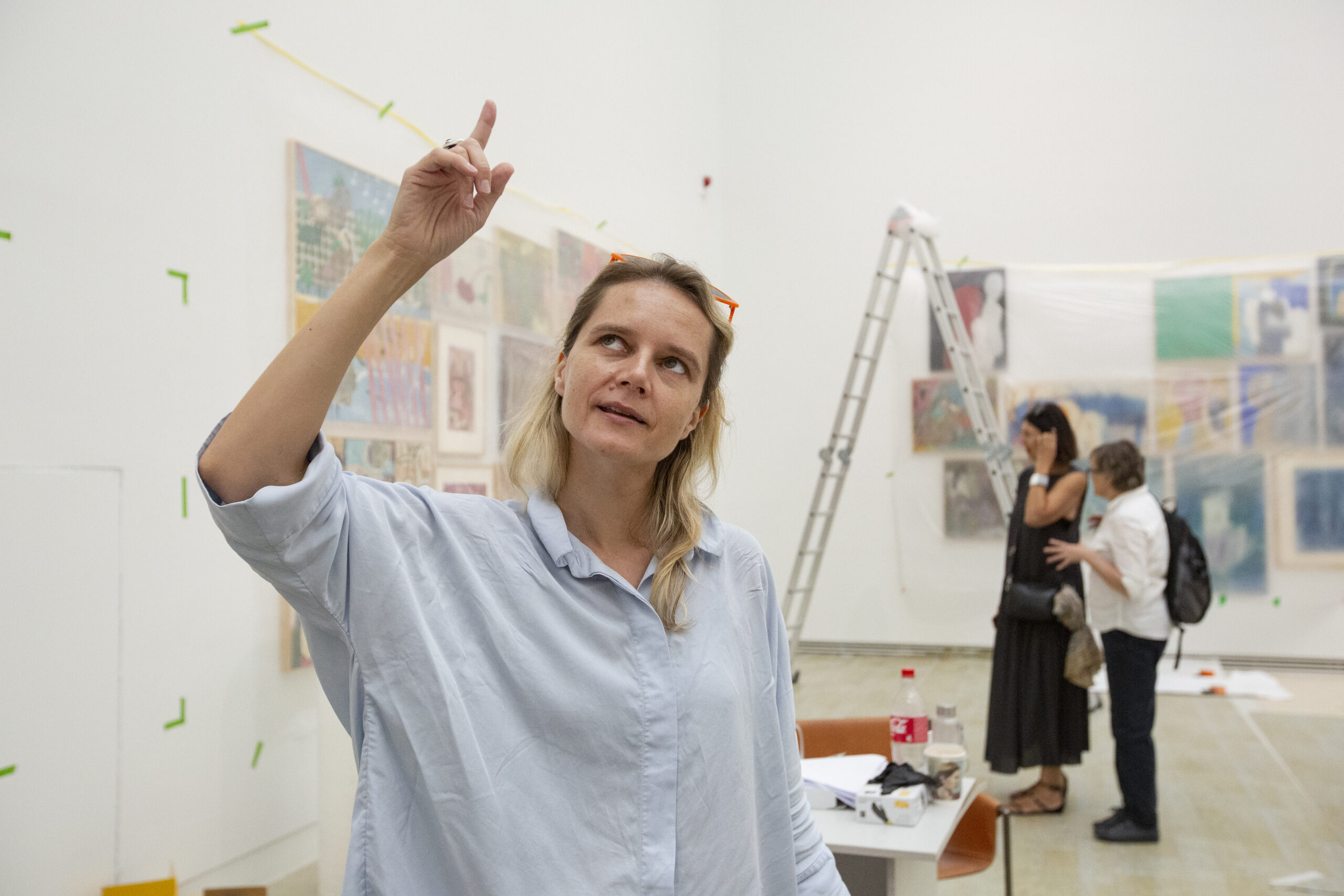
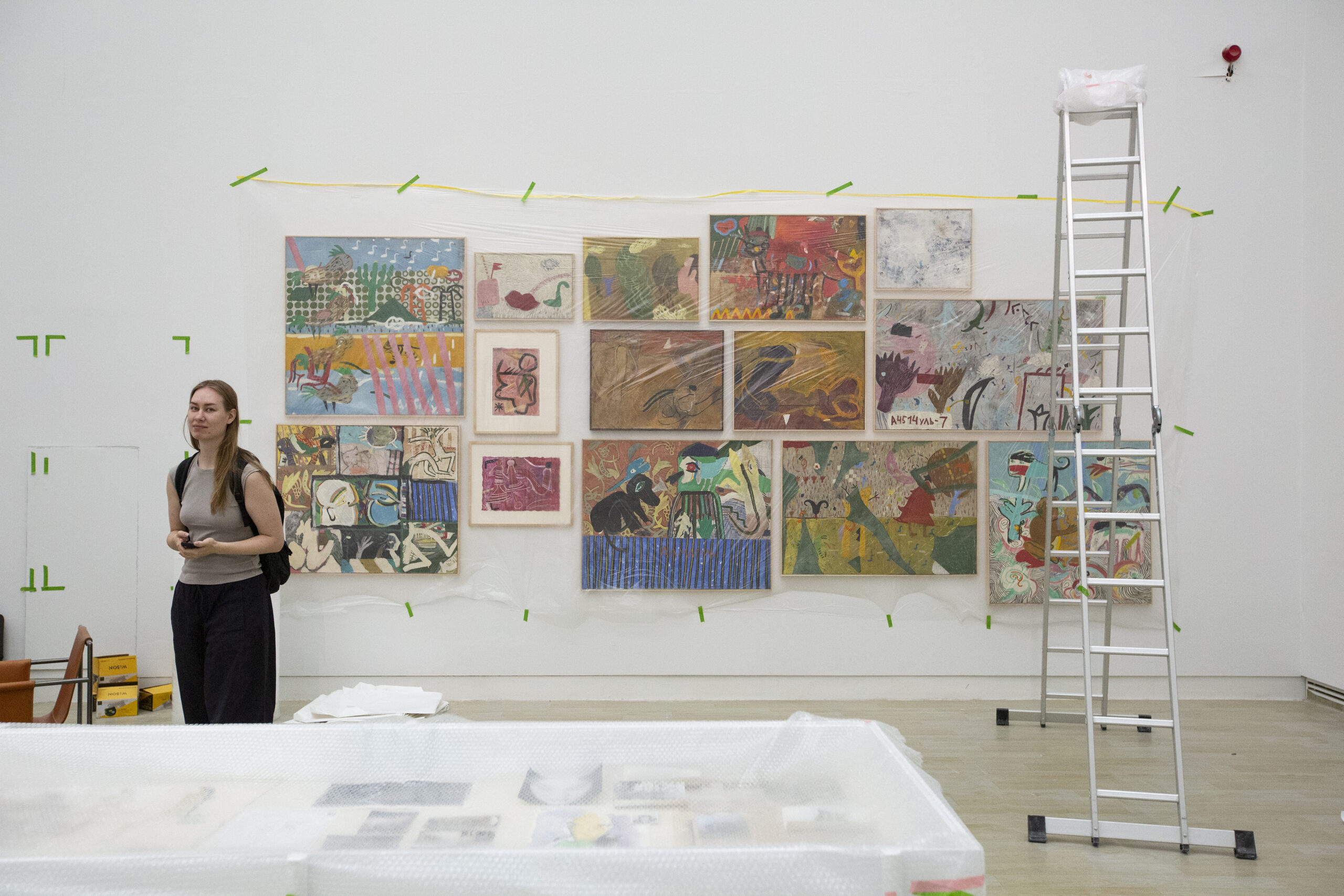
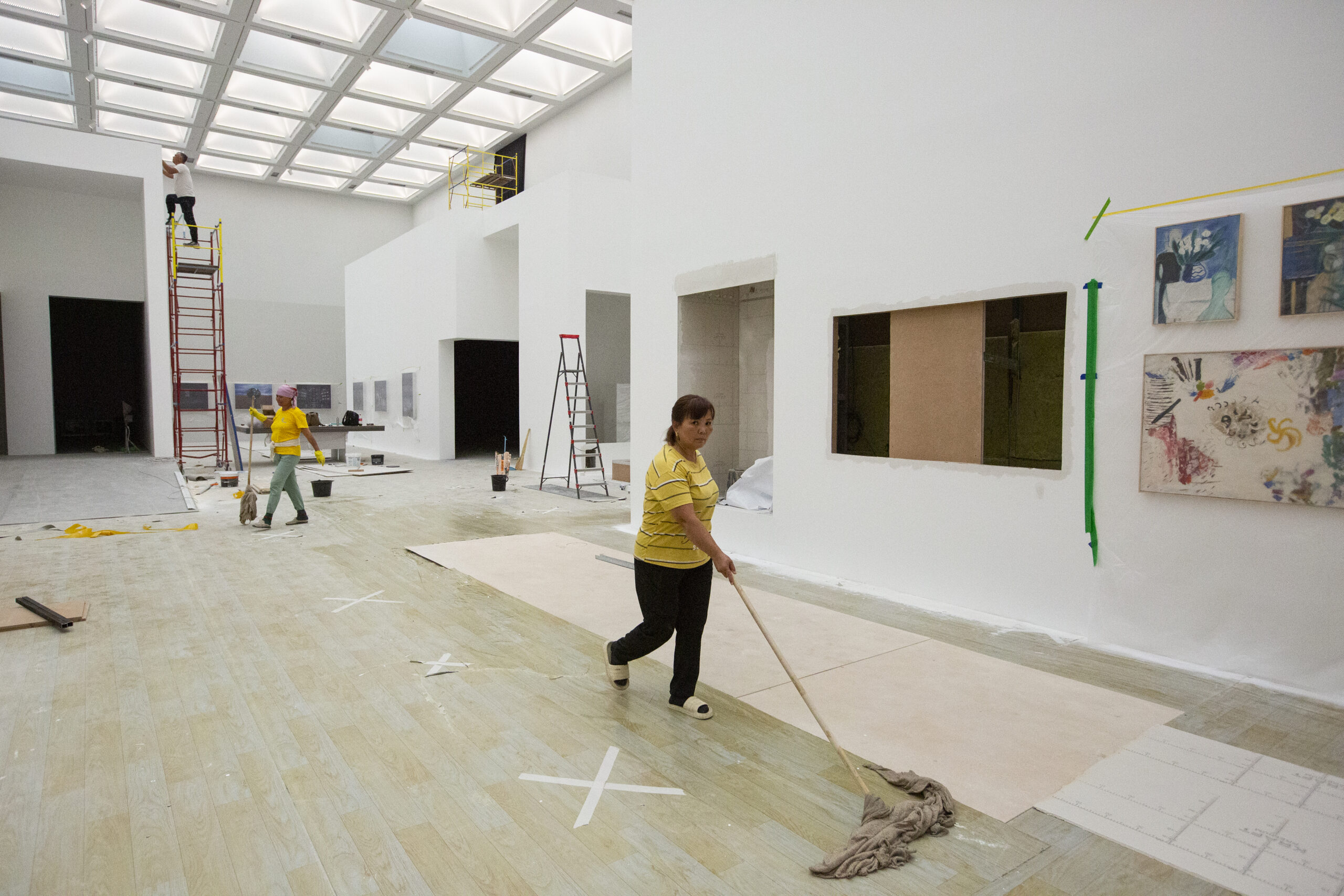
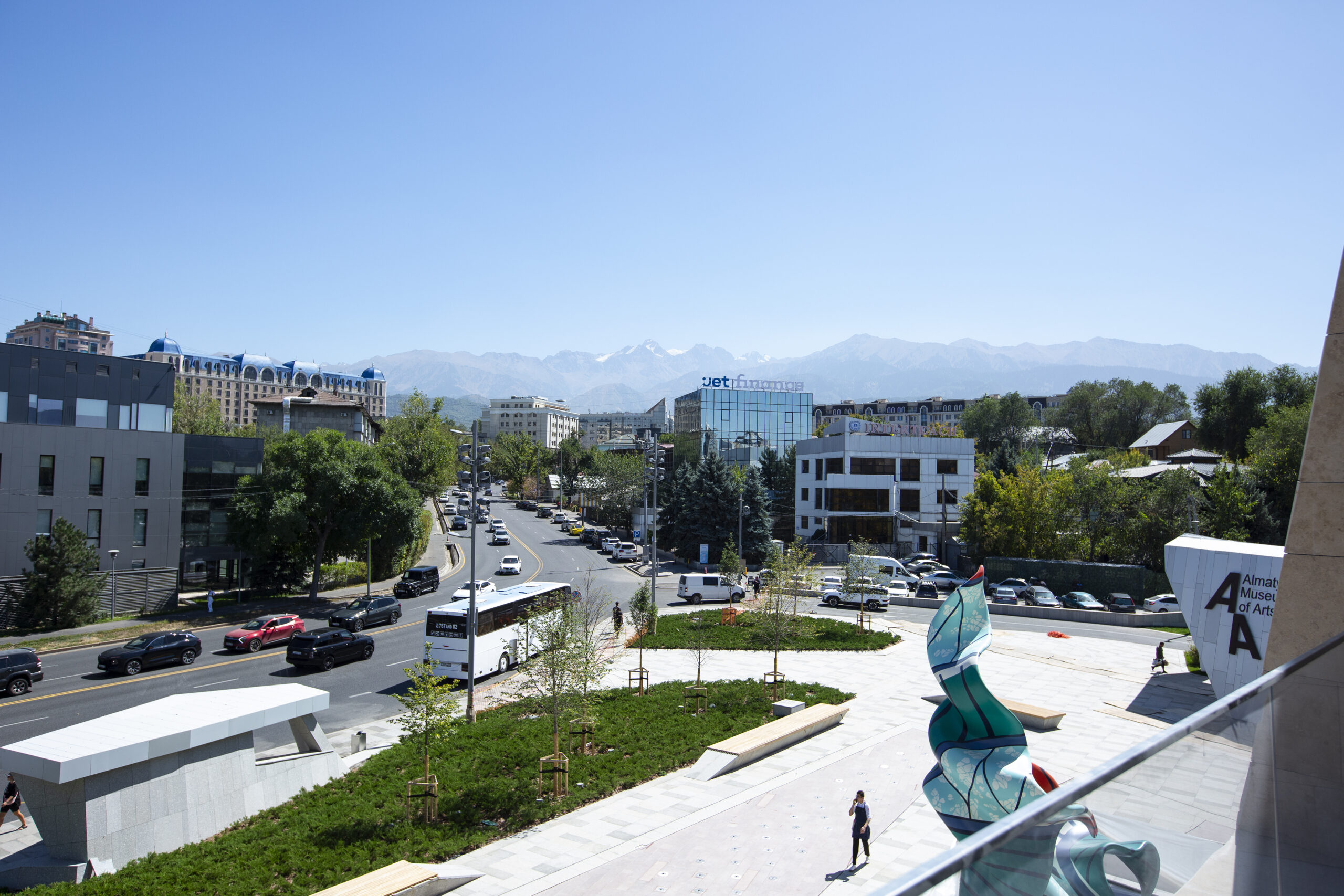
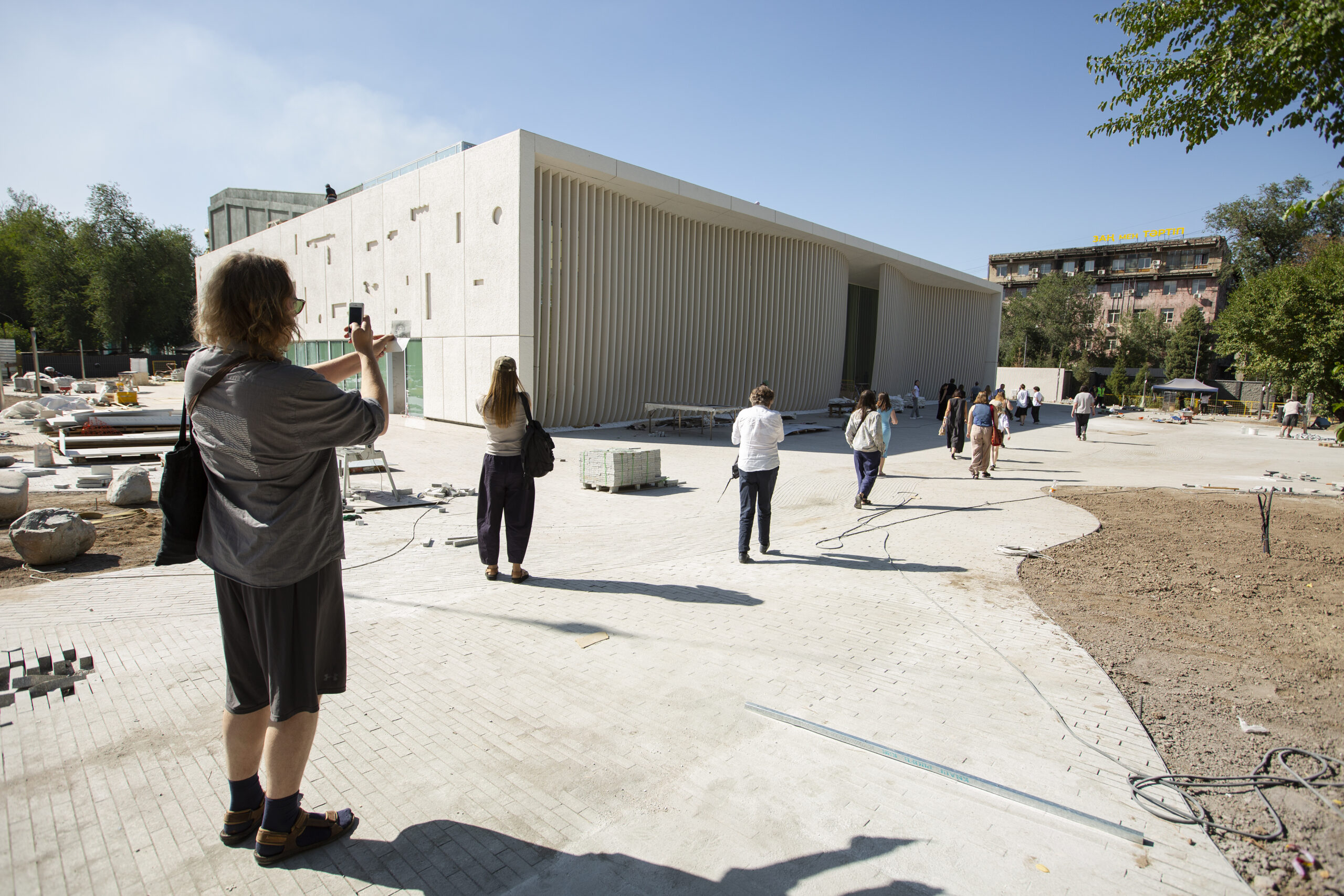
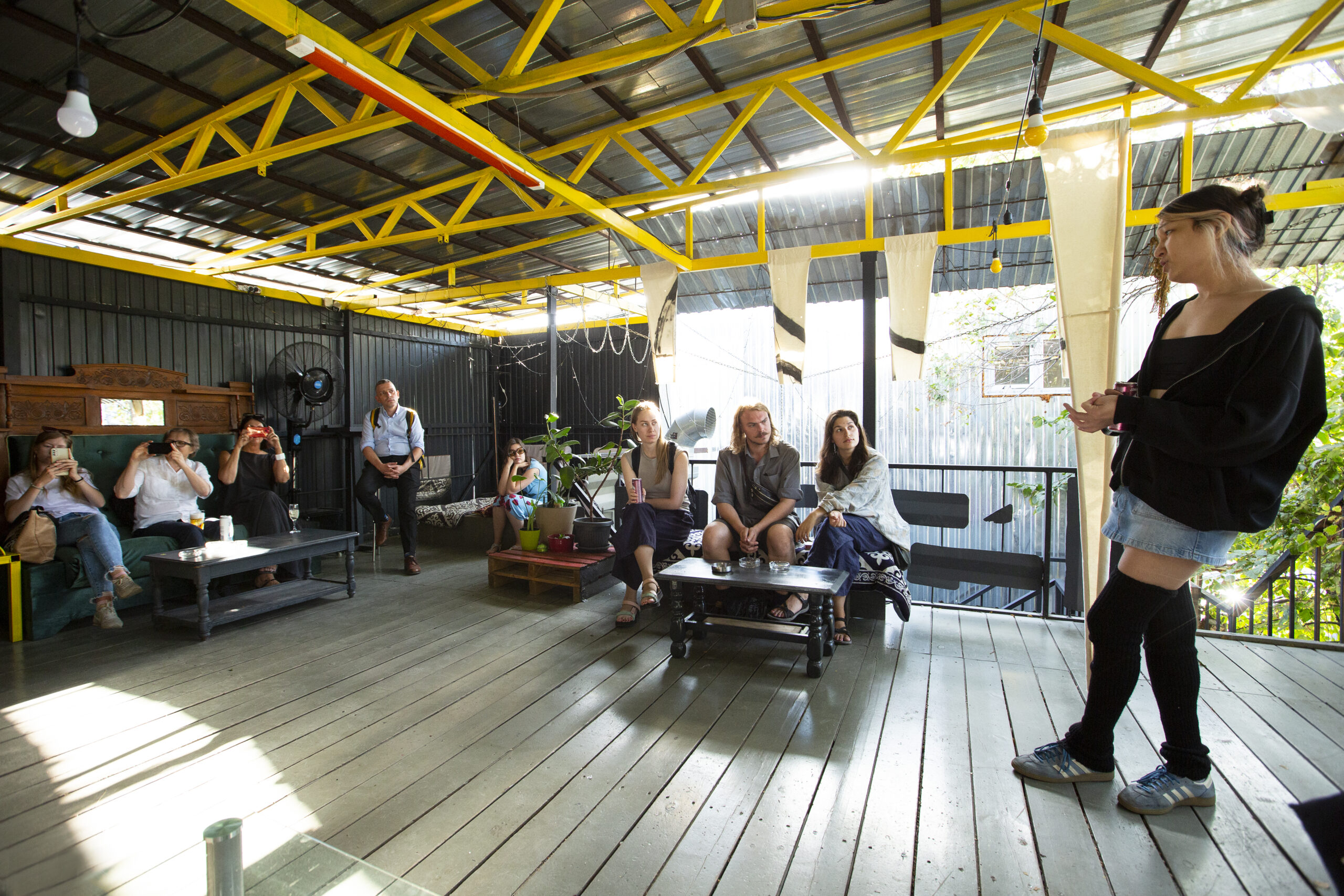
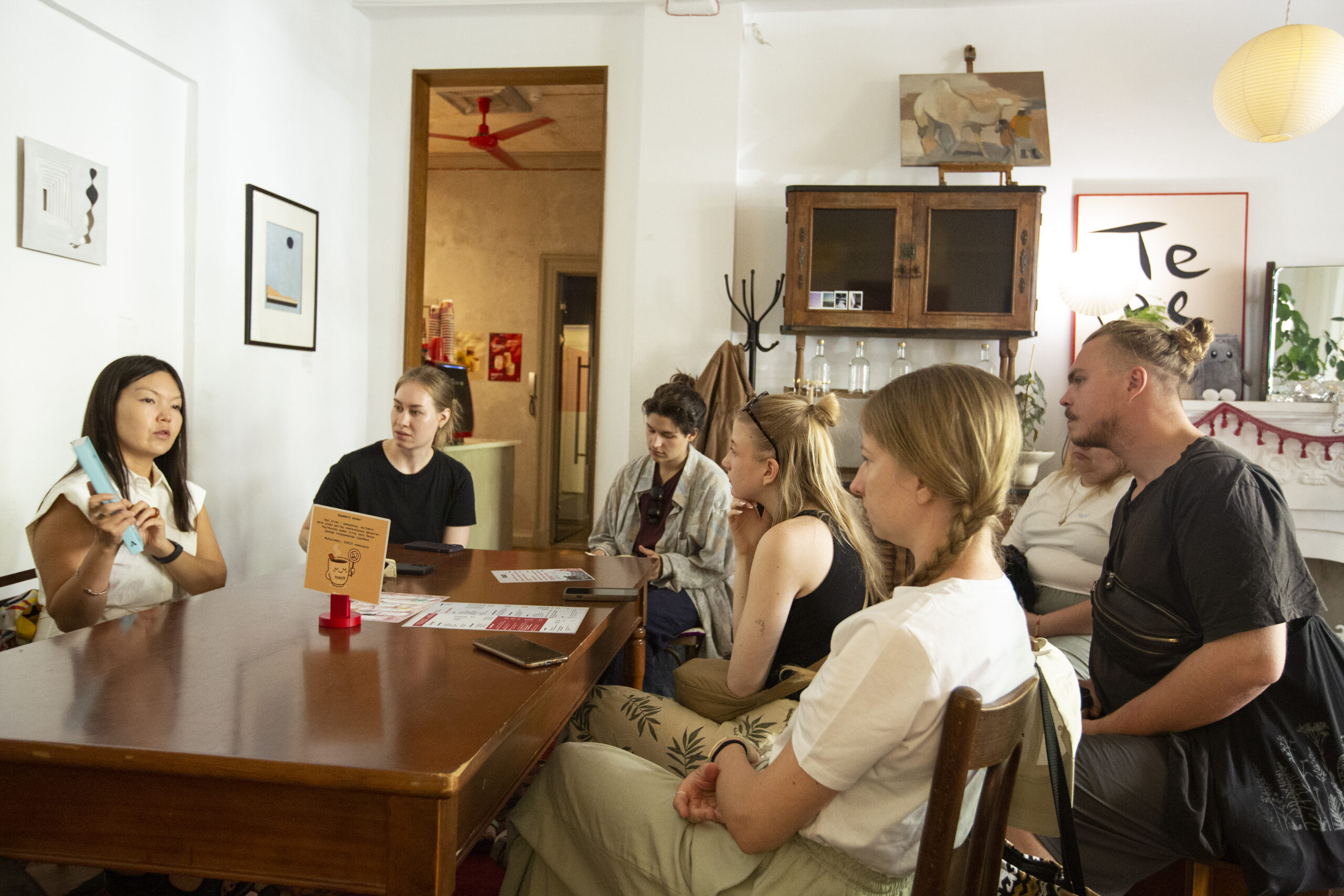
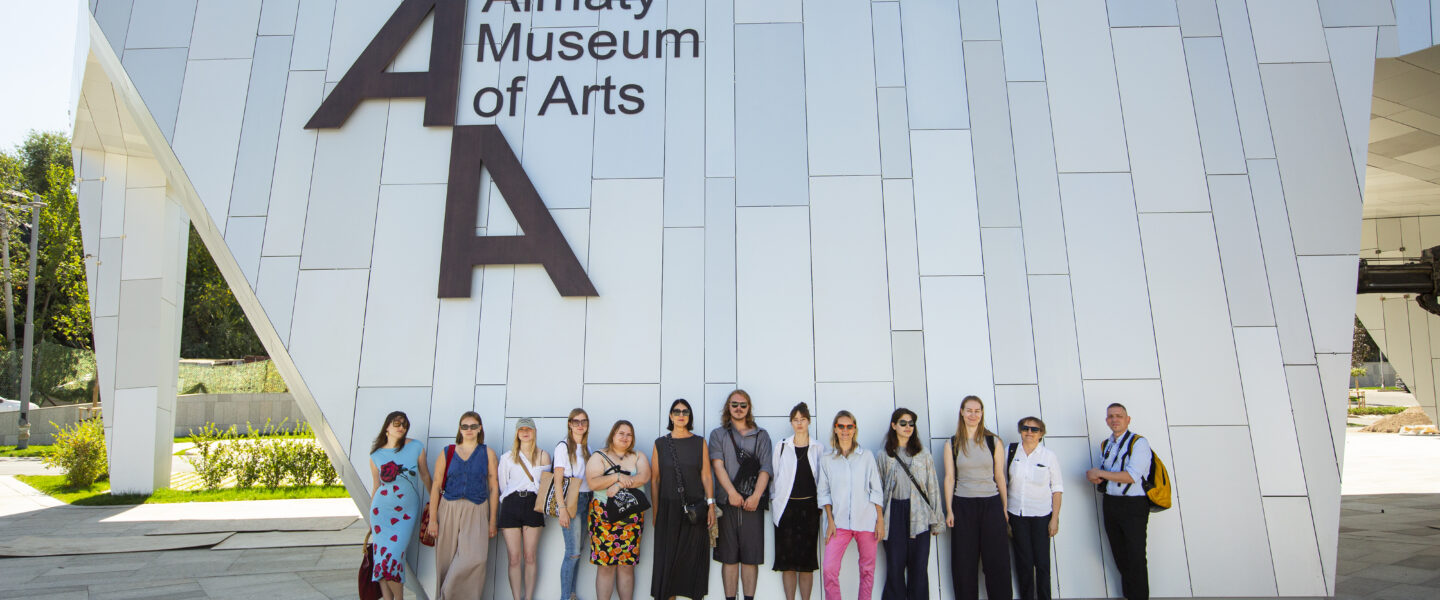
The study trip began in Almaty, where various institutions were visited and local artists were met. At the brand new Almaty Art Museum (opening on September 12), our group was welcomed by the museum’s chief curator, Inga Lāce, who is from Latvia. She gave us insight into the creation of the new museum, its collections and exhibition program, as well as the architectural design of the new building. In addition to the museums, the group also visited the National Museum of Kazakhstan, where we learned about the country’s history during a guided tour. The trip provided a good overview of the different types of institutions in Kazakhstan. The Aspan Gallery provided an opportunity to visit a local gallery, and the Dunie design studio presented its work and discussed the various study opportunities available in Kazakhstan. At Kerege Spaces, we got a glimpse of local contemporary art, party culture, and how artists make a living, and artist Intizor Otaniyozova introduced her work. We also met with the team of the newly opened Tselinny Contemporary Culture Center and visited Egin Art Space, created by the Eurasian Cultural Alliance, and their collections.
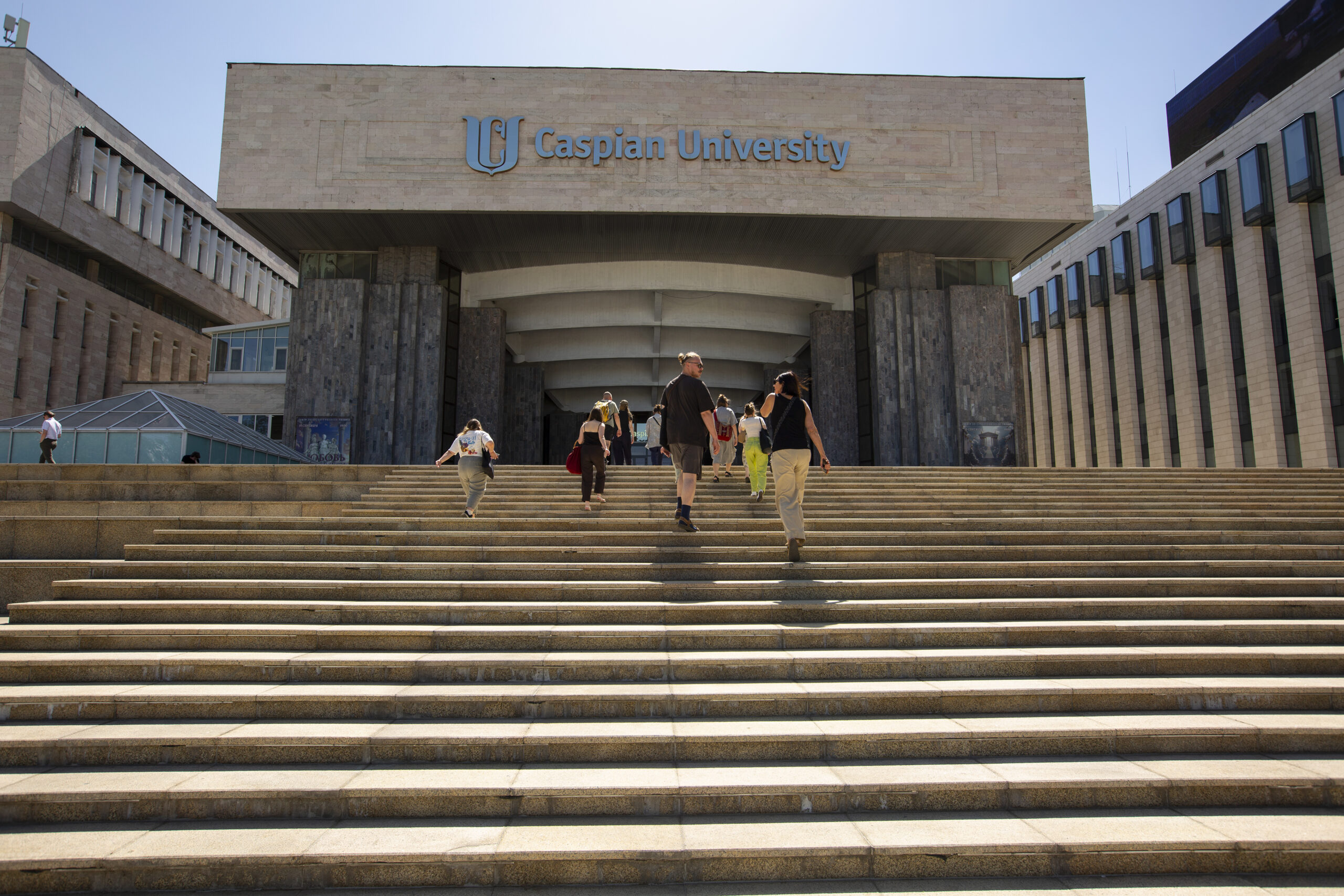
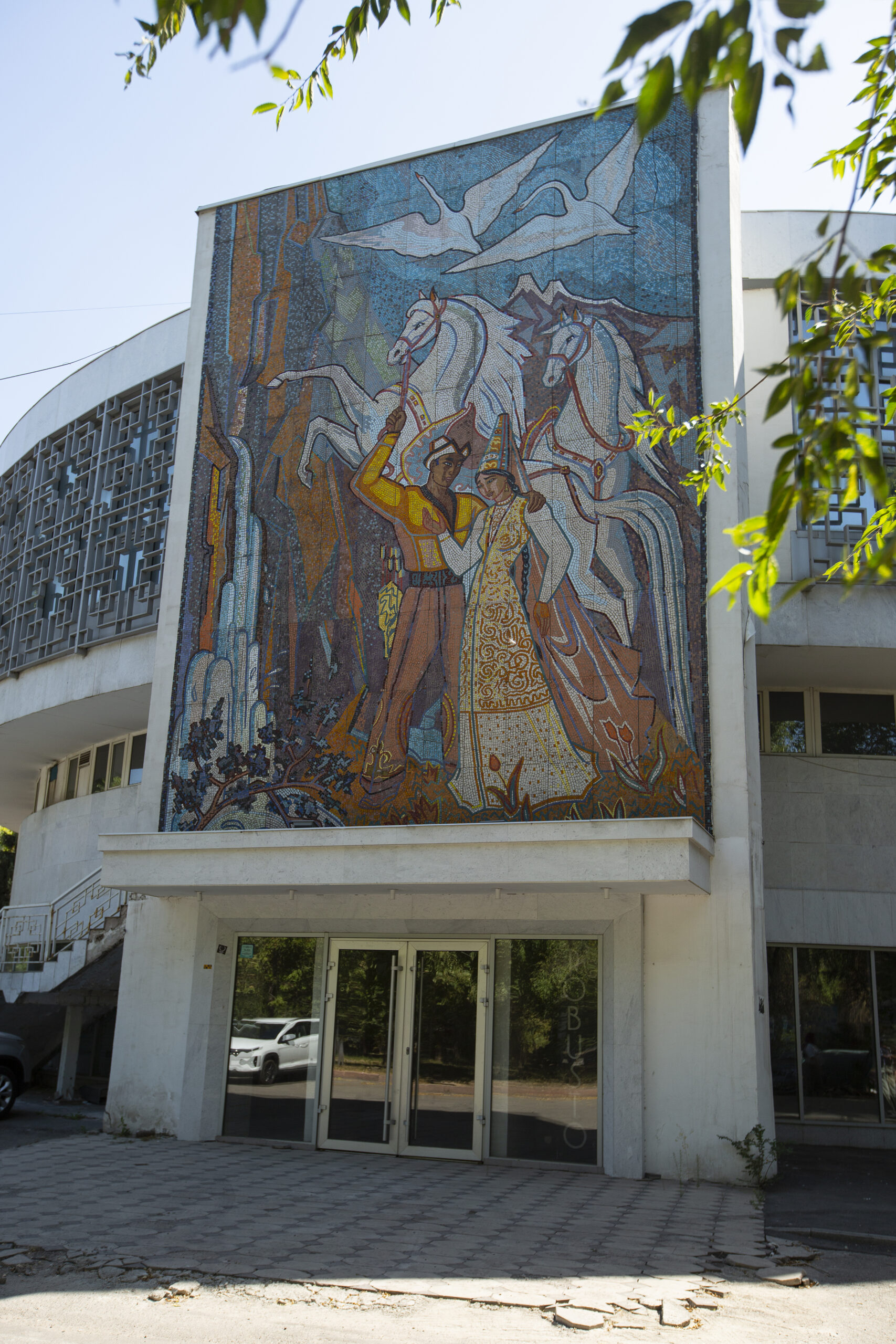
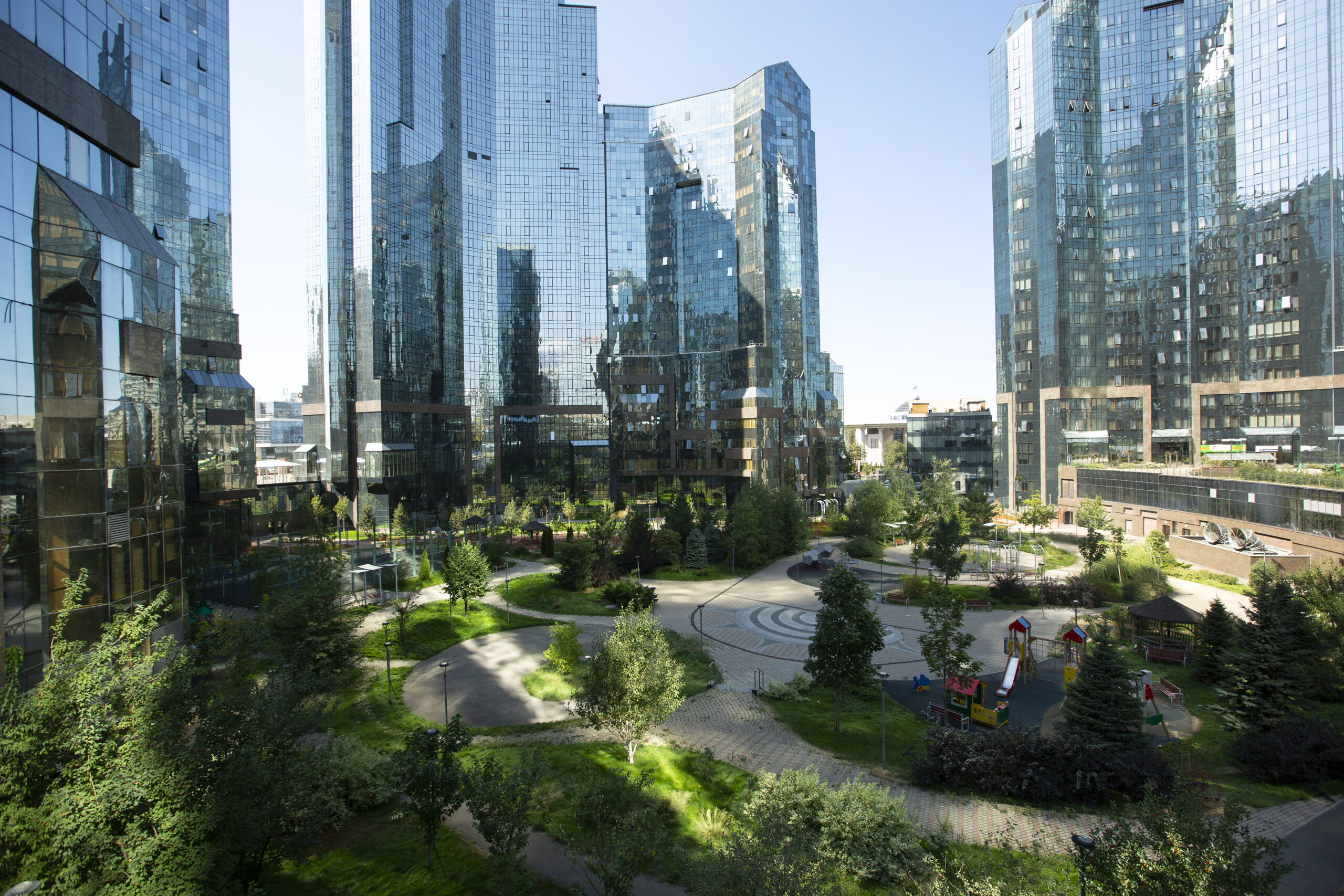
In Almaty, we also got acquainted with local architecture and urban planning. We met and talked with Anelle Moldakhmetova, an urban activist, curator, and project manager working in Kazakhstan. Guided by students, we also visited several interesting architectural sites that shape the city – the Palace of the Republic, Hotel Kazakhstan, Caspian University, the Auzeov Drama Theater, the Wedding Palace, the National Circus, and the Nurly Tau Business Center.
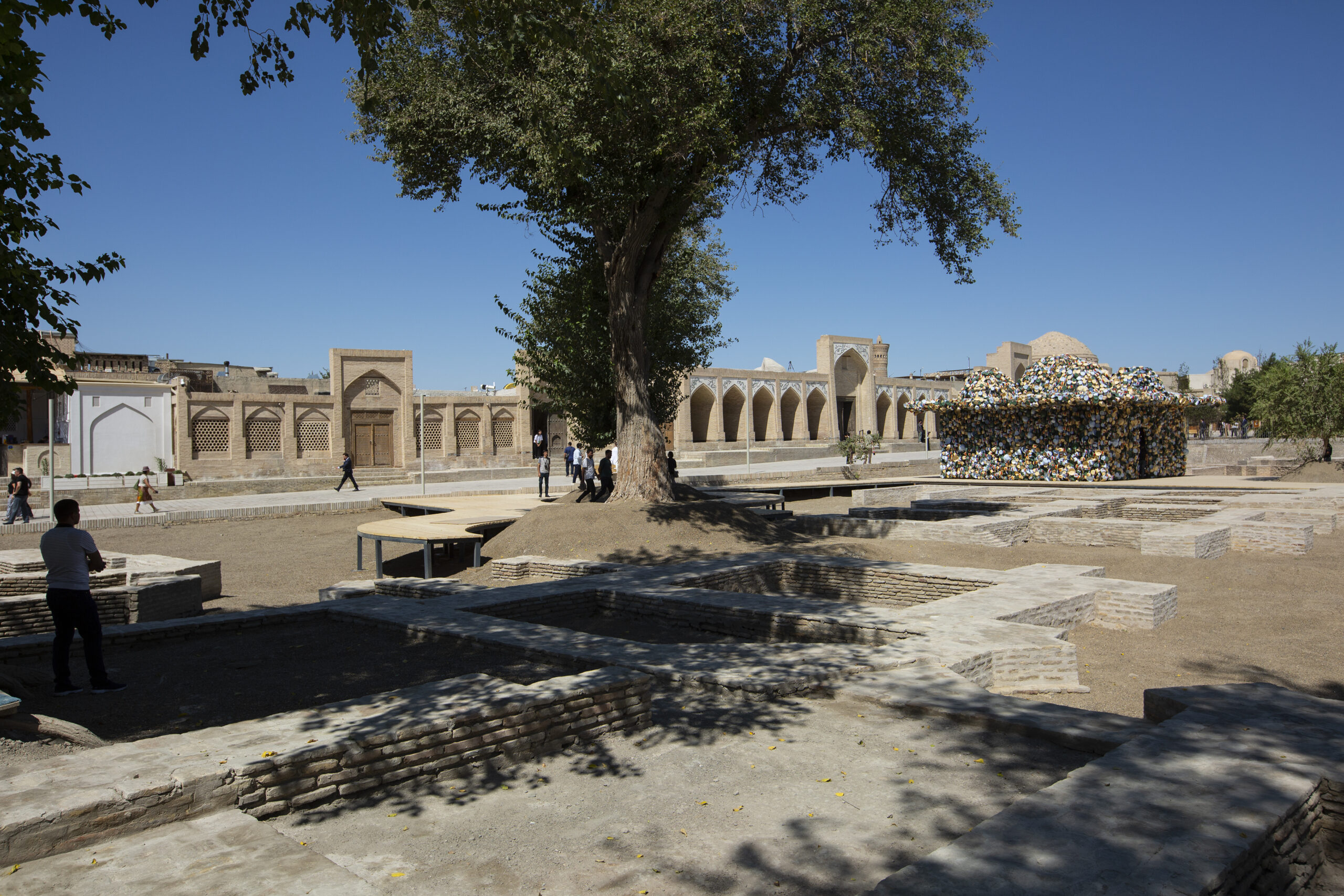
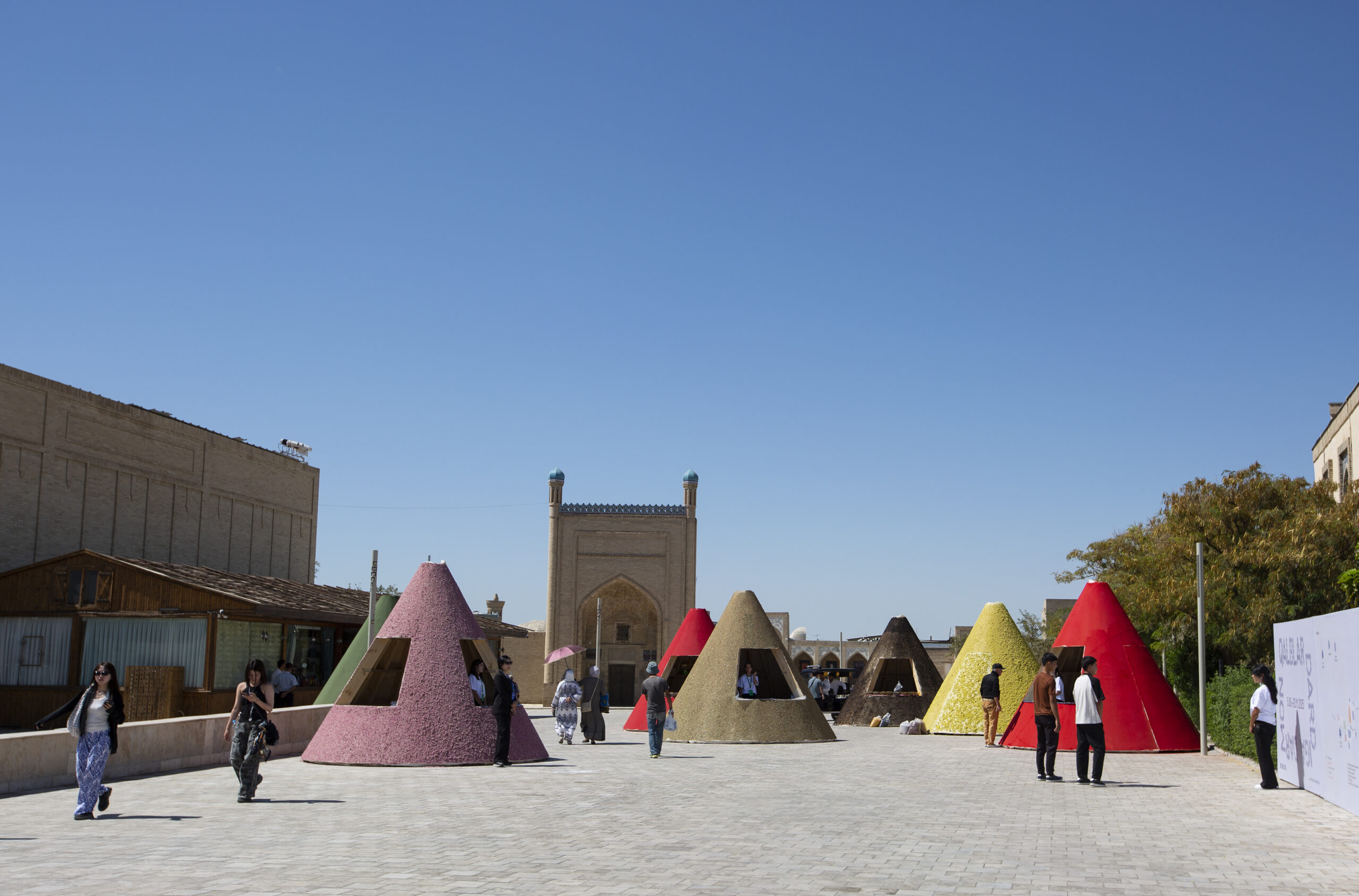
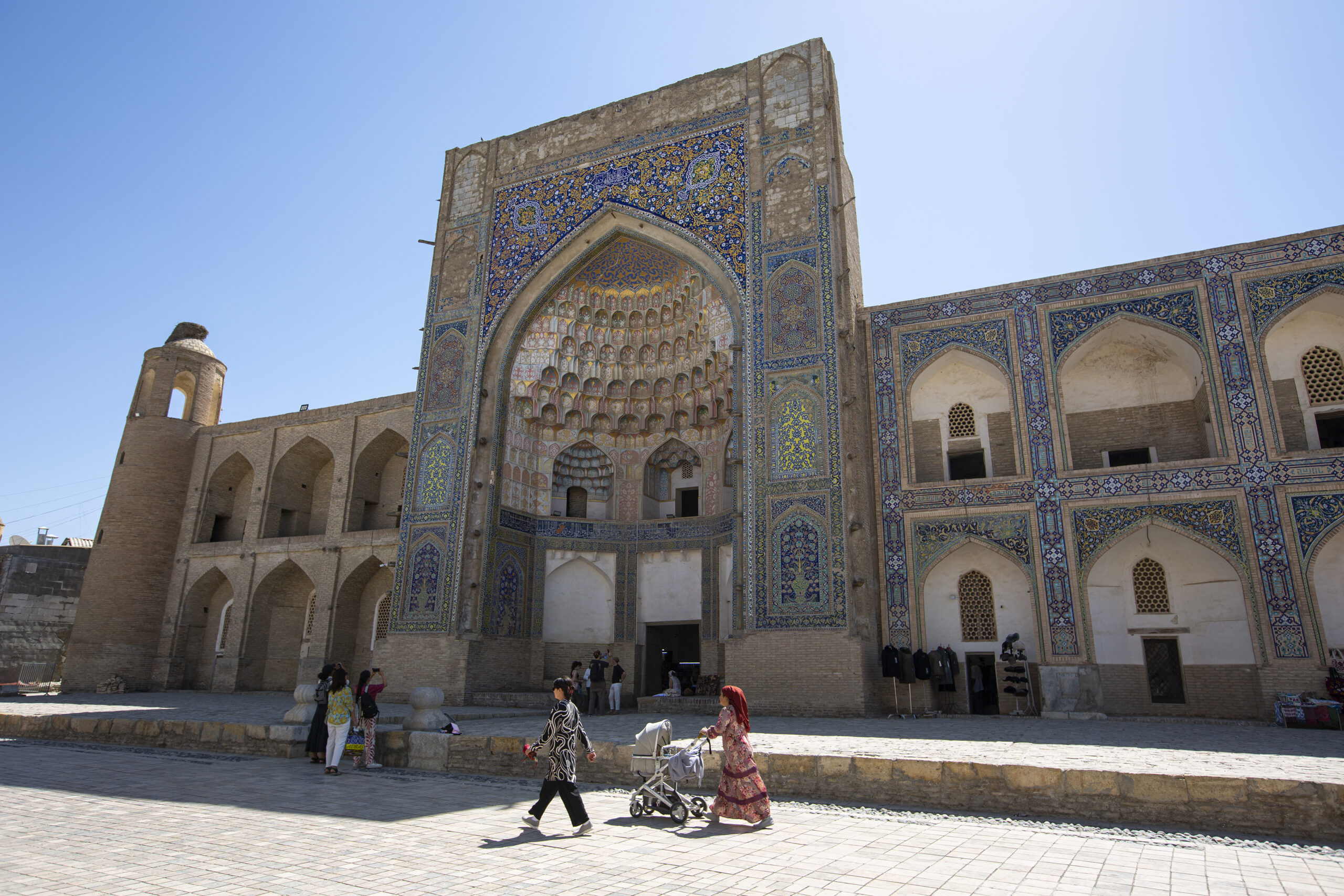
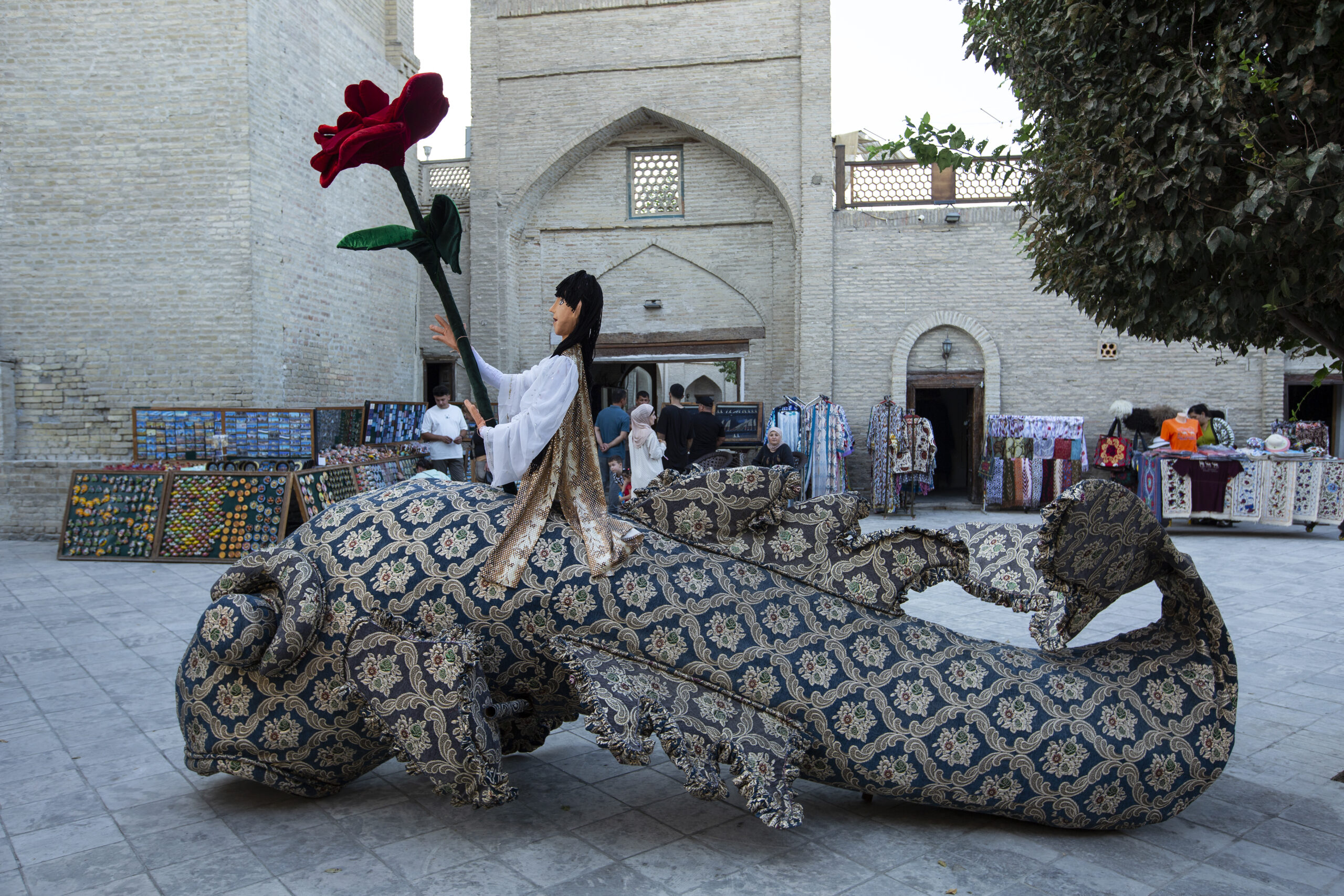
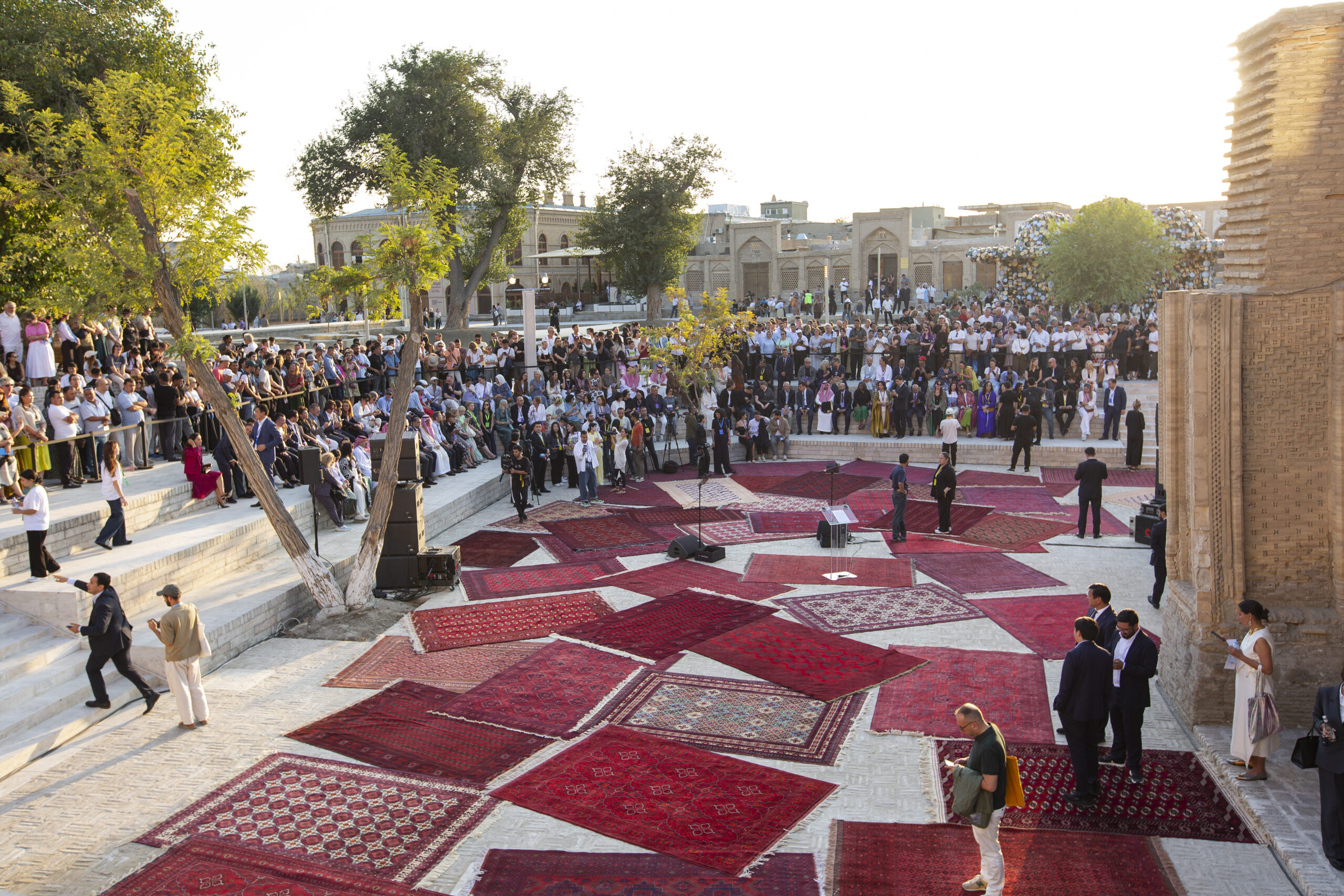
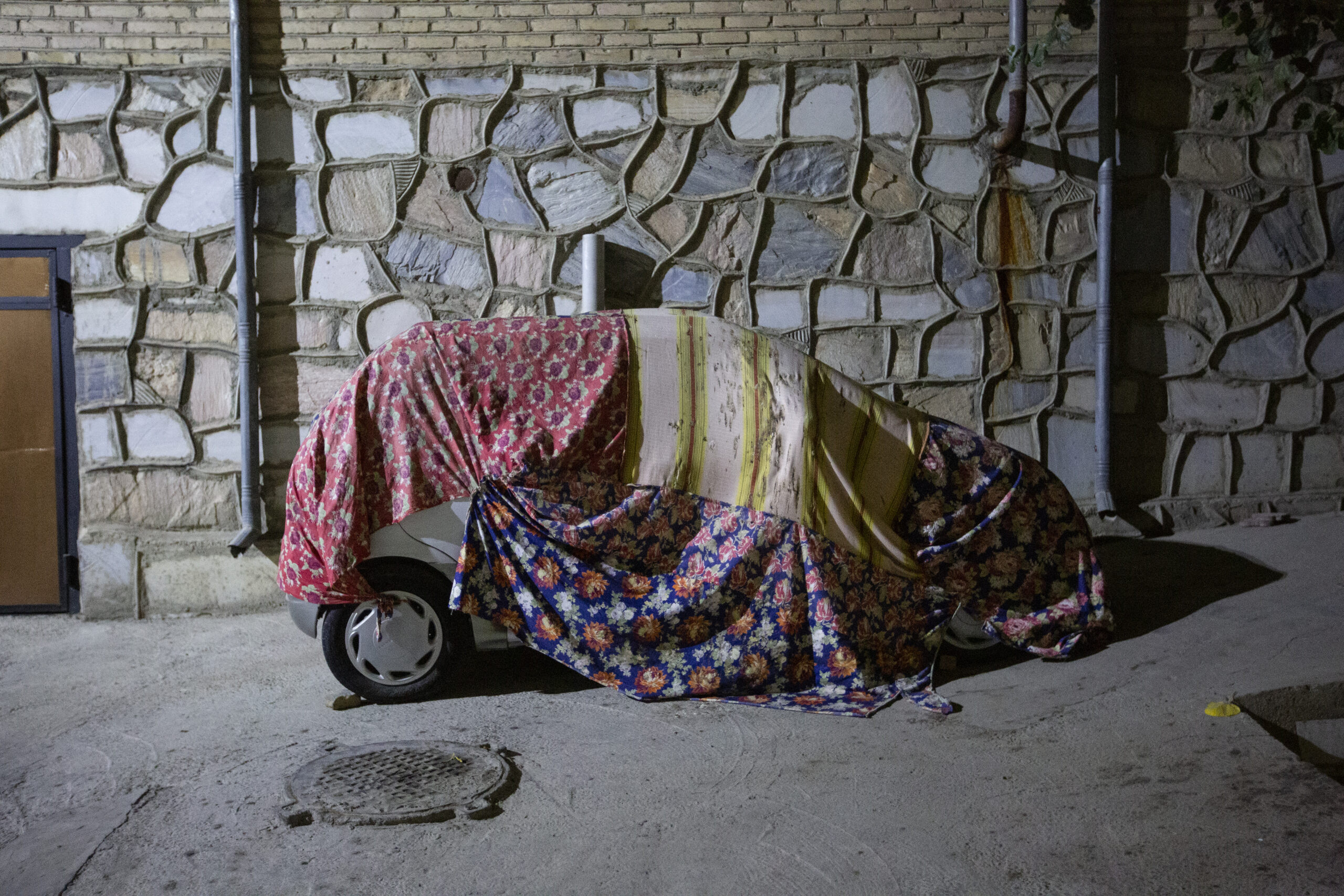
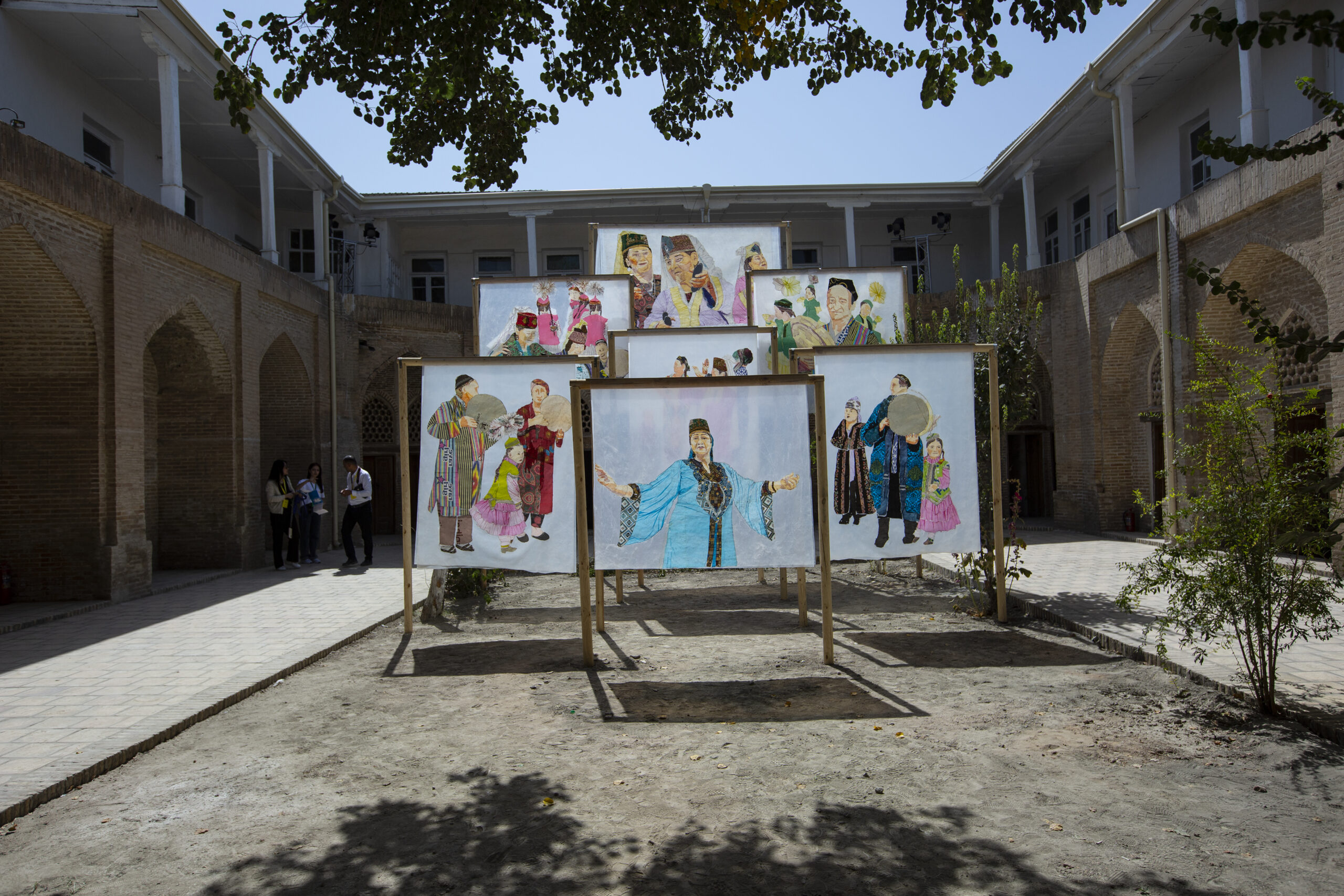
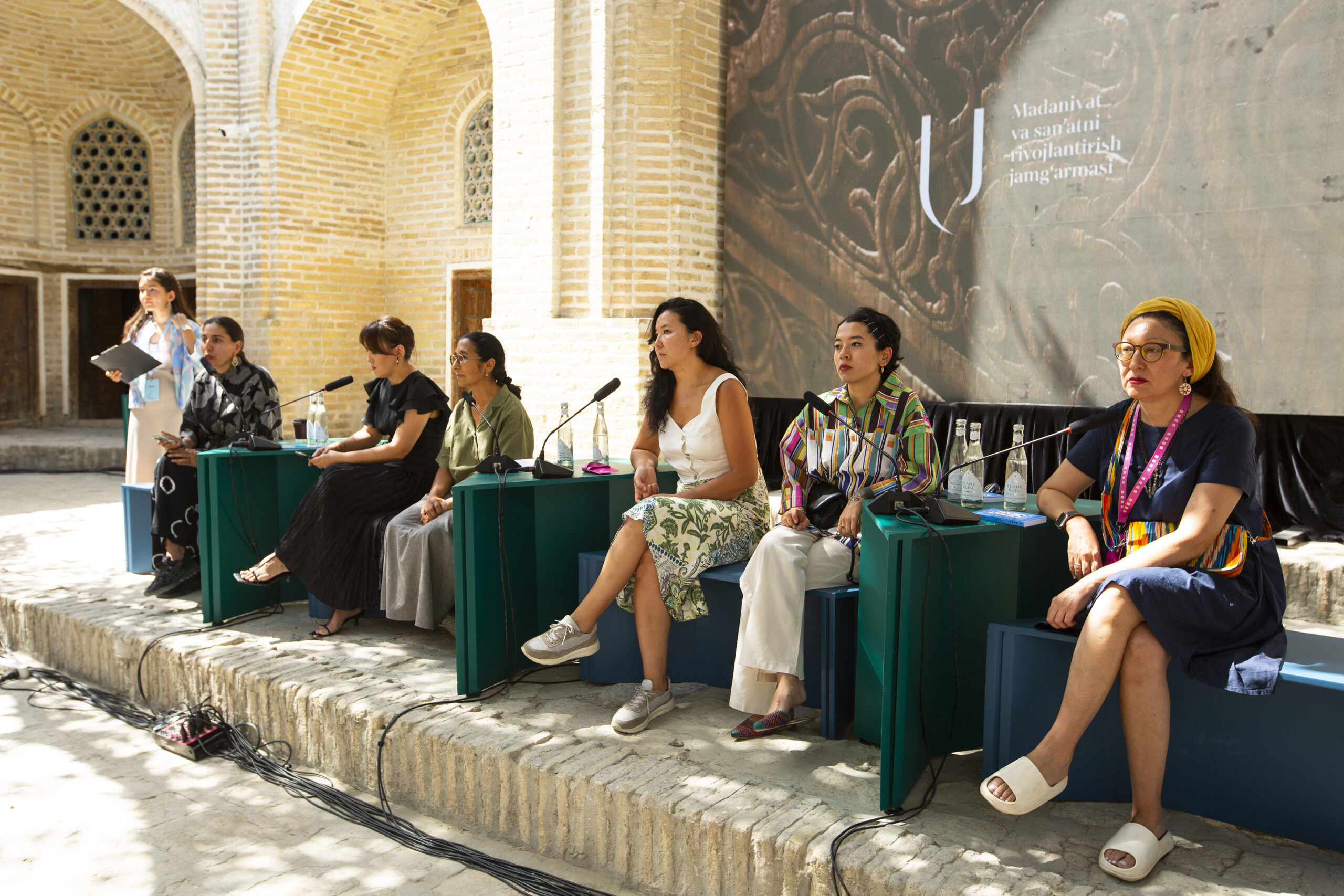
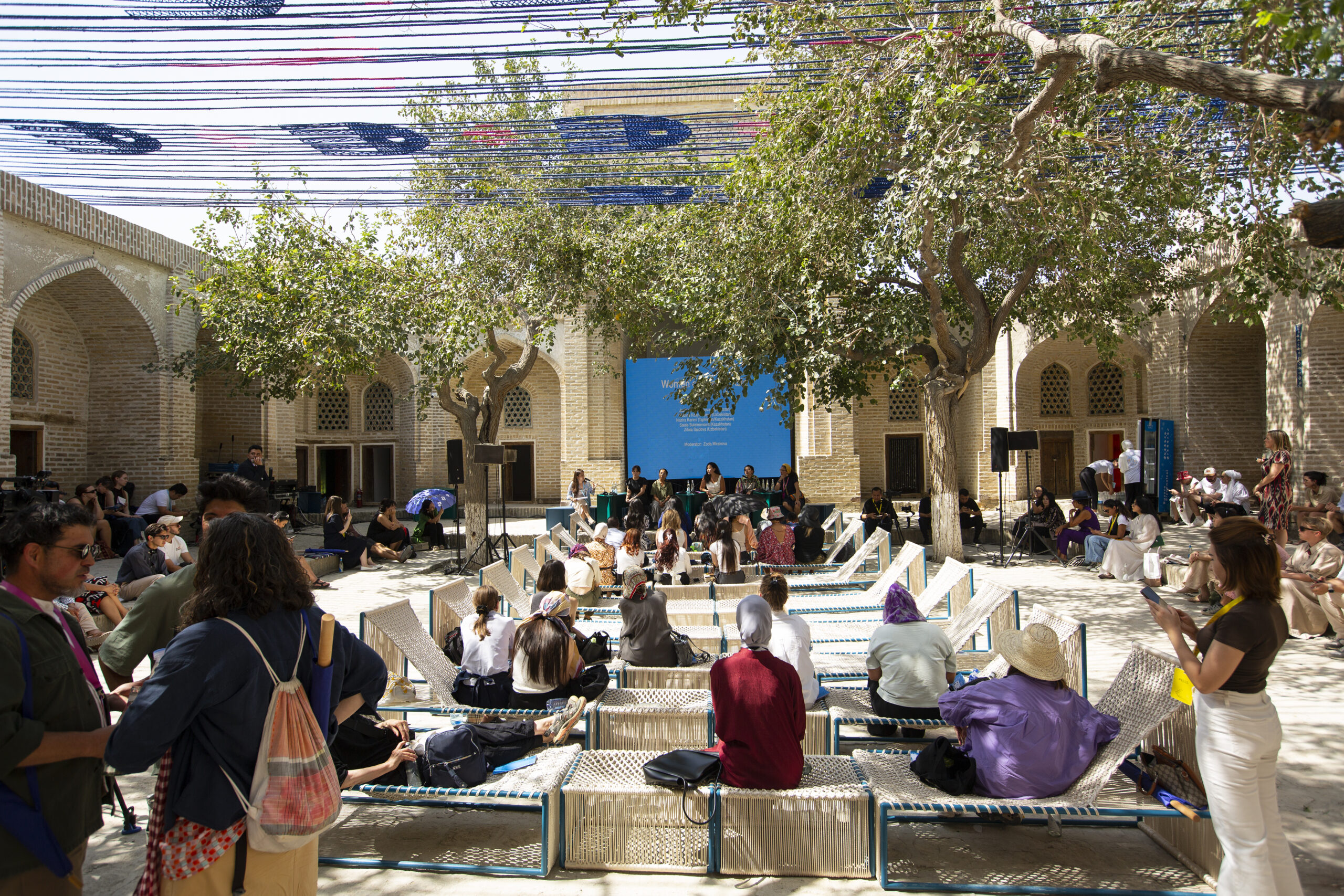
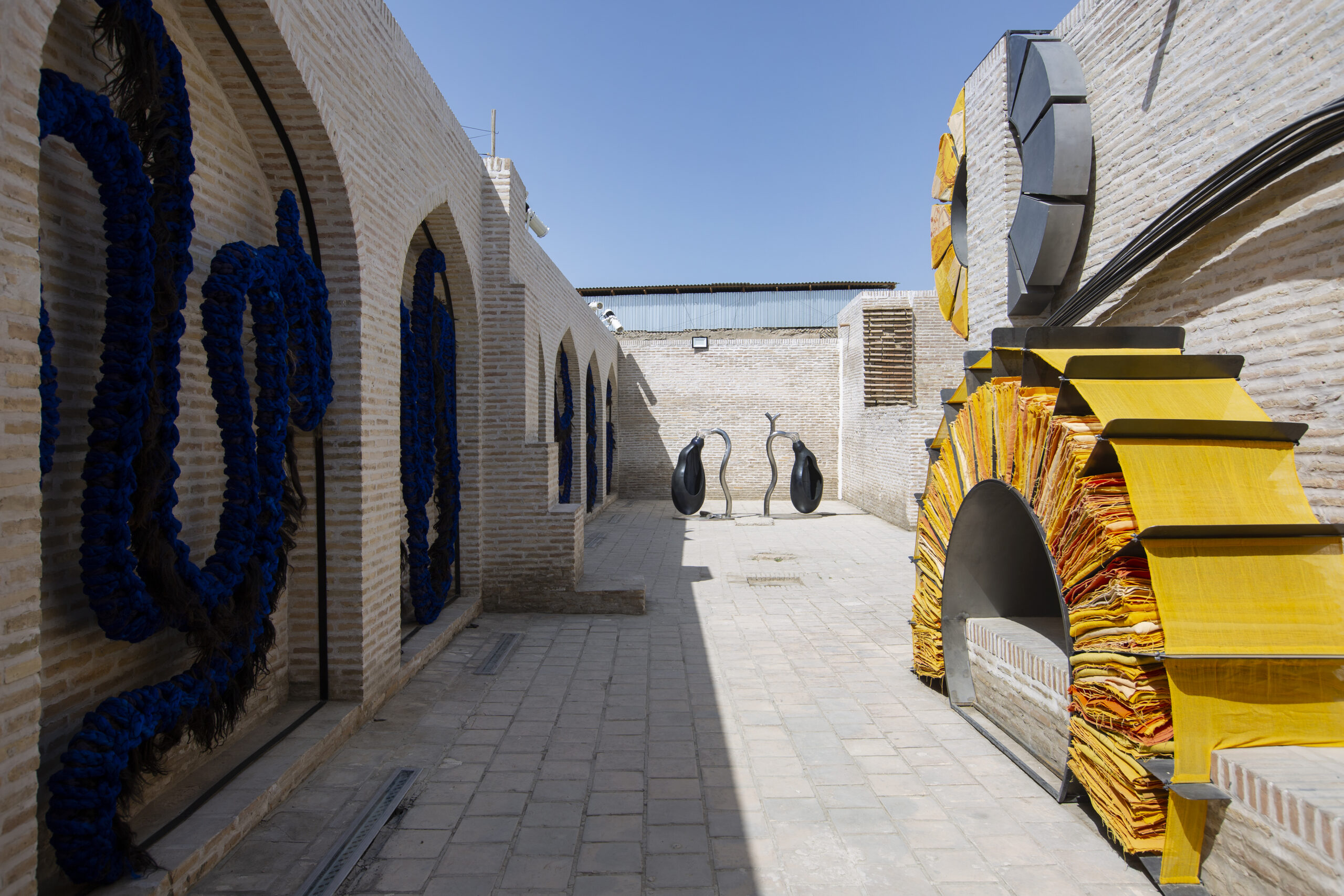
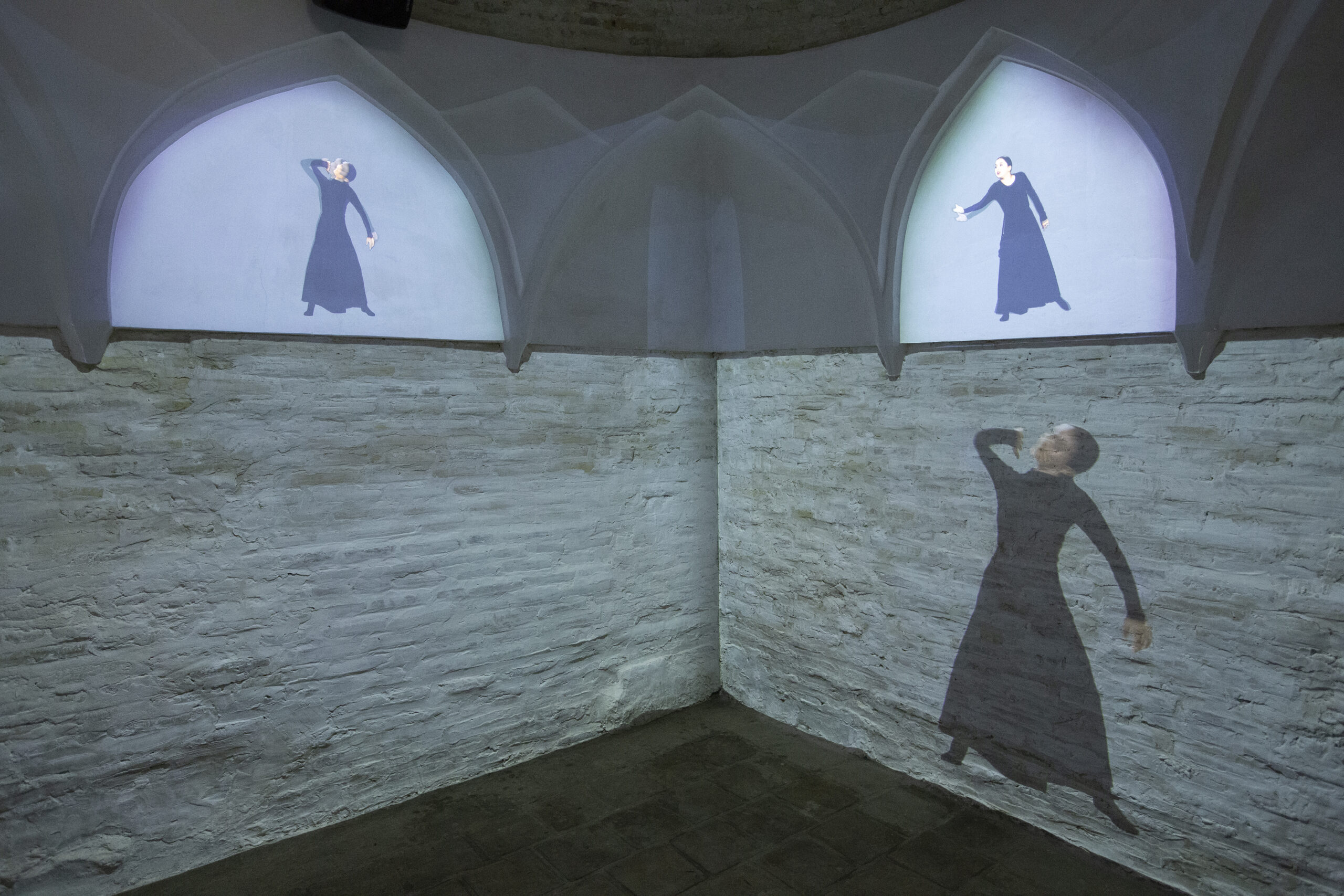
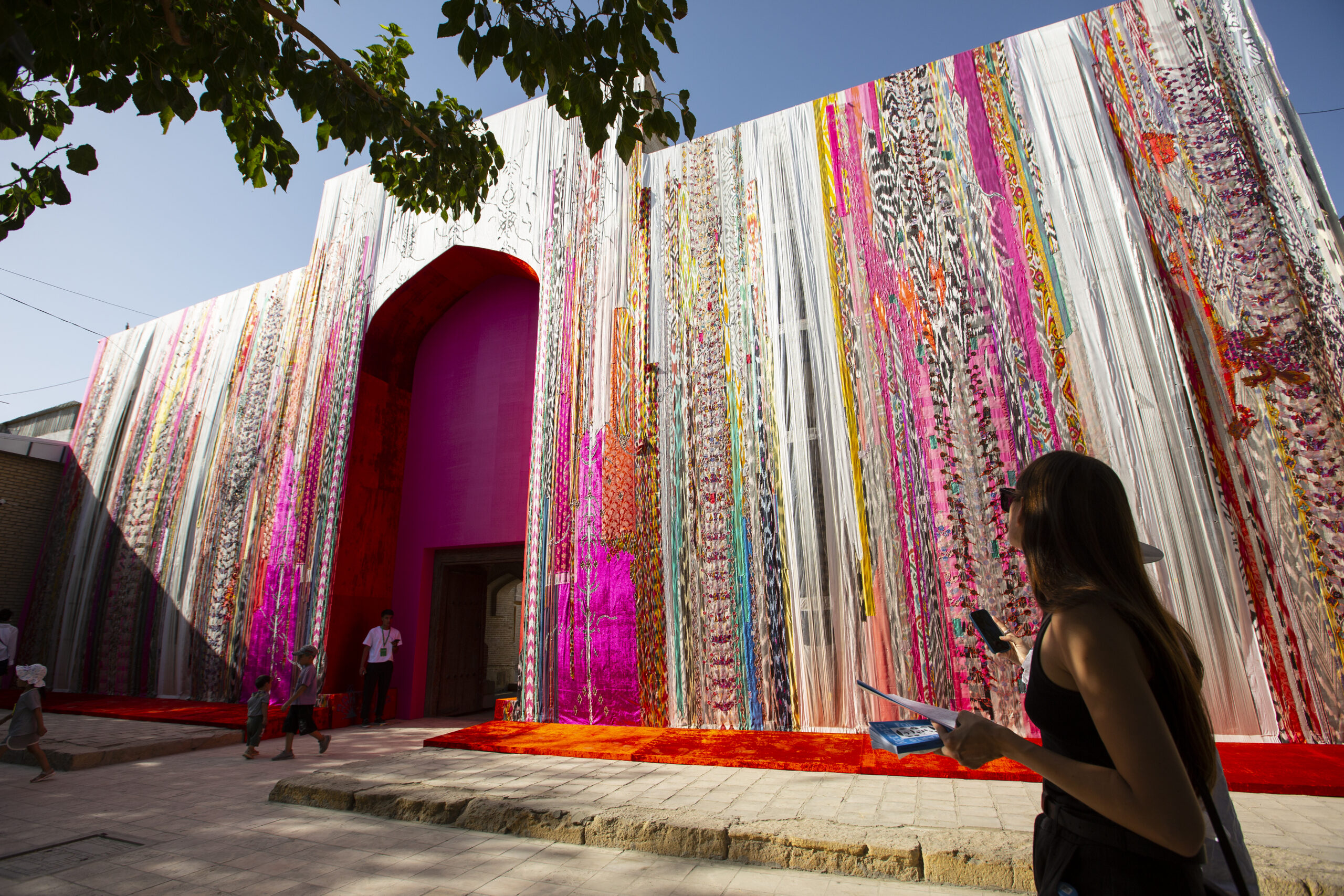
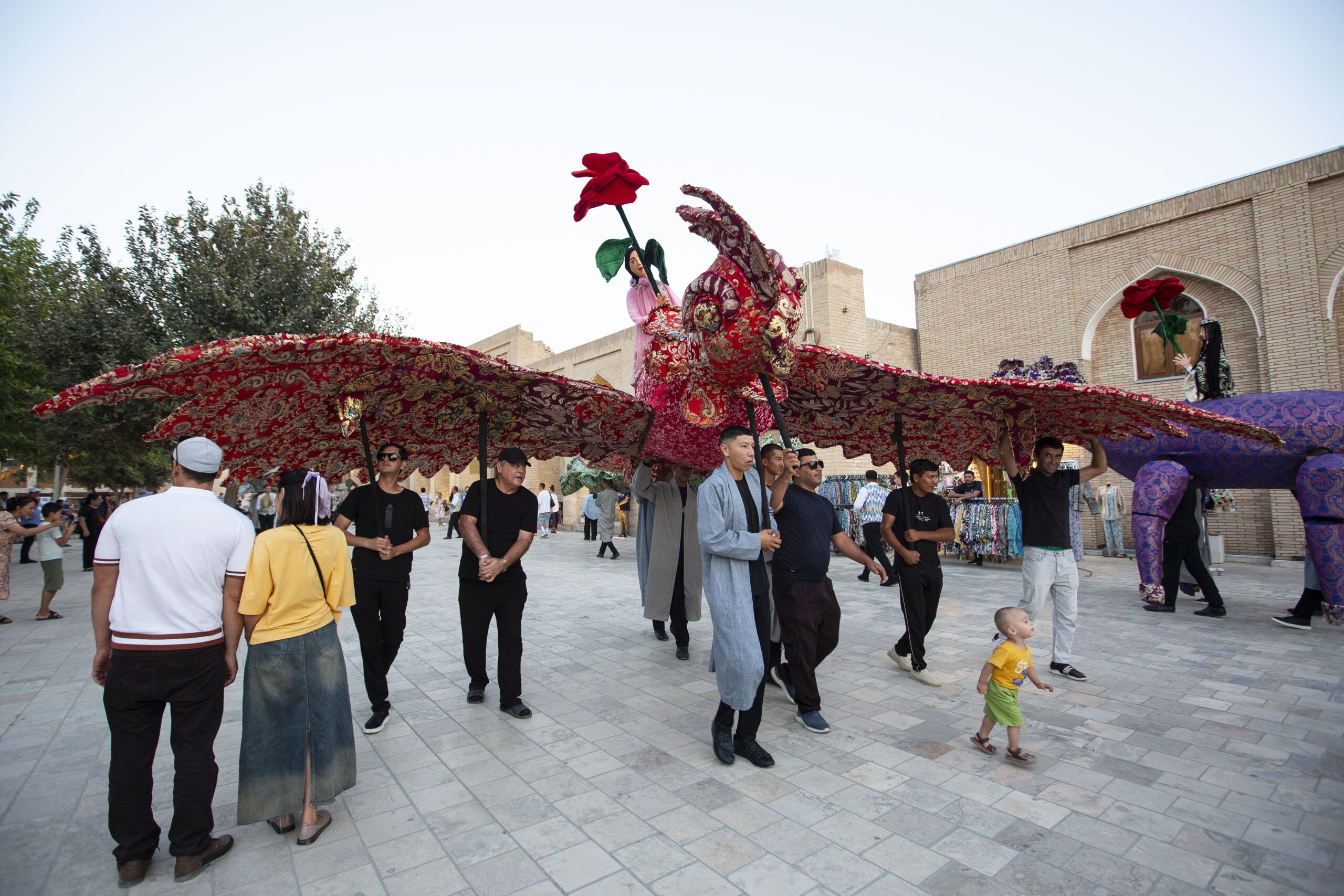
The second half of the trip took us to Uzbekistan, specifically to the city of Bukhara, where the first Bukhara Biennale was held. The biennale was titled “Recipes for Broken Hearts” and its artistic director was Diana Campbell. According to the organizers, the biennial reflects a broader national vision – the desire to revive heritage as a foundation for a creative future, rather than a static memory. Most of the participating artists were from Central Asian countries, and the artistic director’s vision was to create a place where young voices, heritage, and innovation could come together. The aim was to create a place for both artists and visitors to share stories, envision the future, and celebrate creativity. It was also interesting to see the biennial as a tool for attracting a wider and year-round audience to Central Asia, thereby helping to create lasting ties and diversify the local economy and livelihoods.
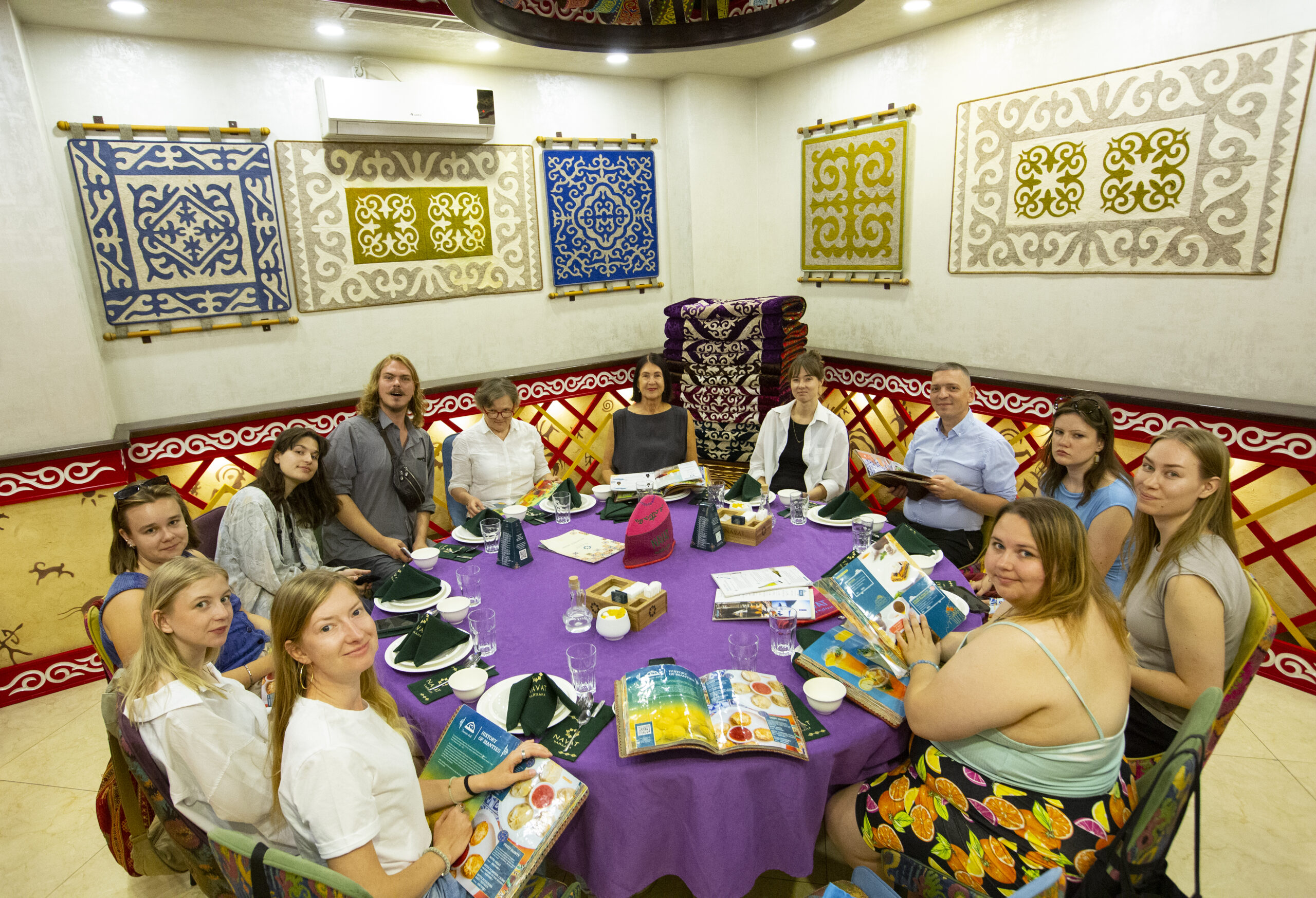
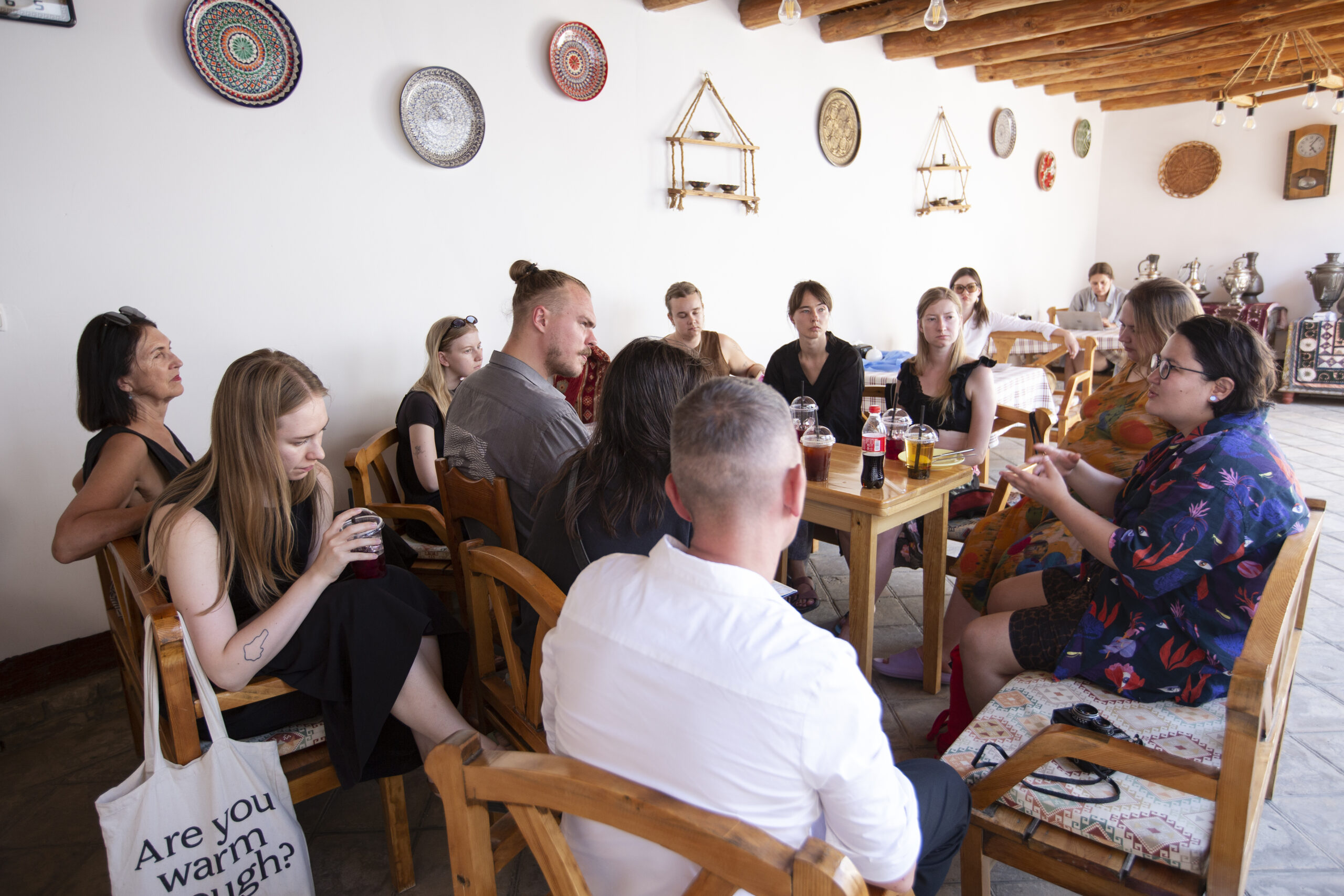
During bus and train rides, participants exchanged ideas about what they had heard and seen and reinforced their knowledge. The study trip provided an exciting insight into the art world of Central Asia, the functioning of institutions, the work of artists, and the creation of a new biennial.
The trip was attended by Eleri Paatsi, Sergei Trofimov, Annika Haas, Anastassia Janovskaja, Siiri-Liis Huttunen, Hanna Õunapuu, Emili Kelle, Katarina Nyyssönen, Maria Leemet, Aleksander Metsamärt, Krista Kodres, and Virve Sarapik.
The trip was supervised by Keiu Krikmann.
Review was compiled by Hanna Õunapuu Emili Kelle and Siiri-Liis Huttunen.
Photos by Annika Haas.
Trip was funded by