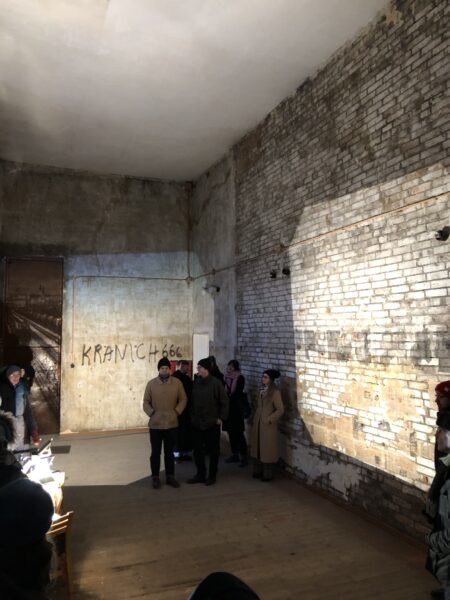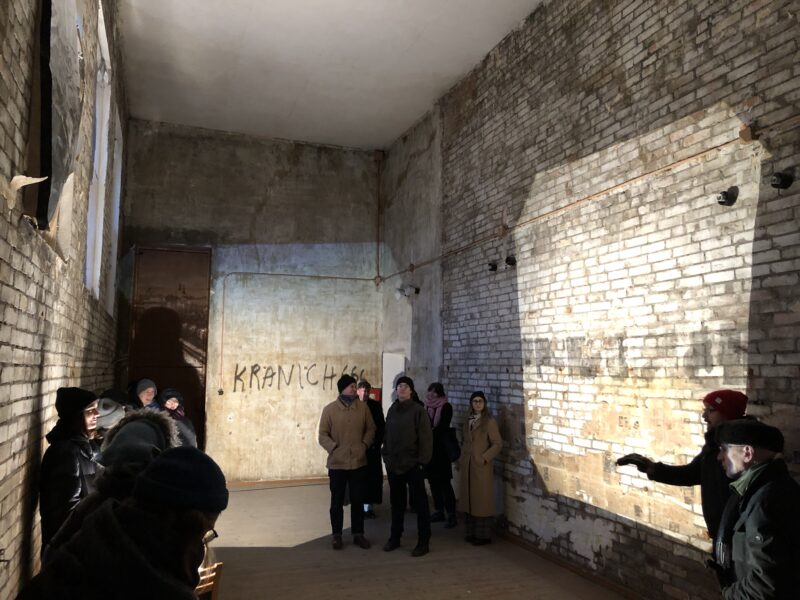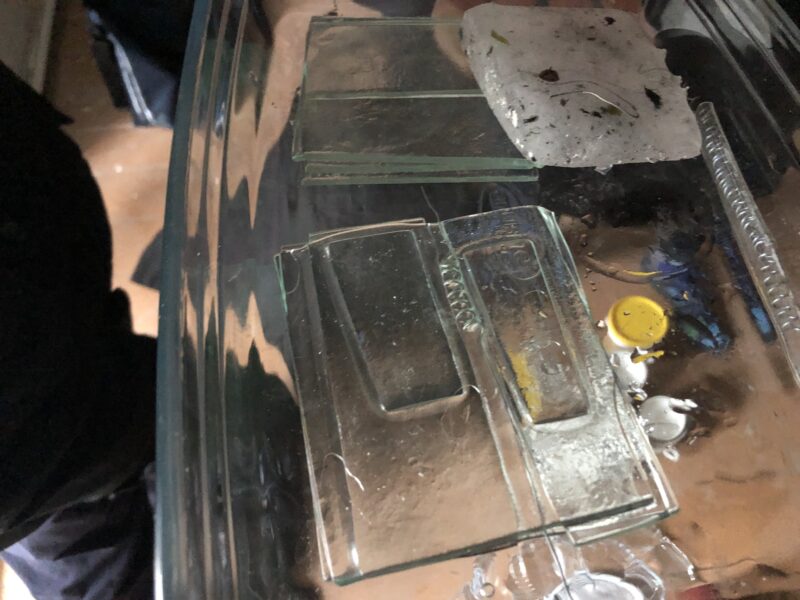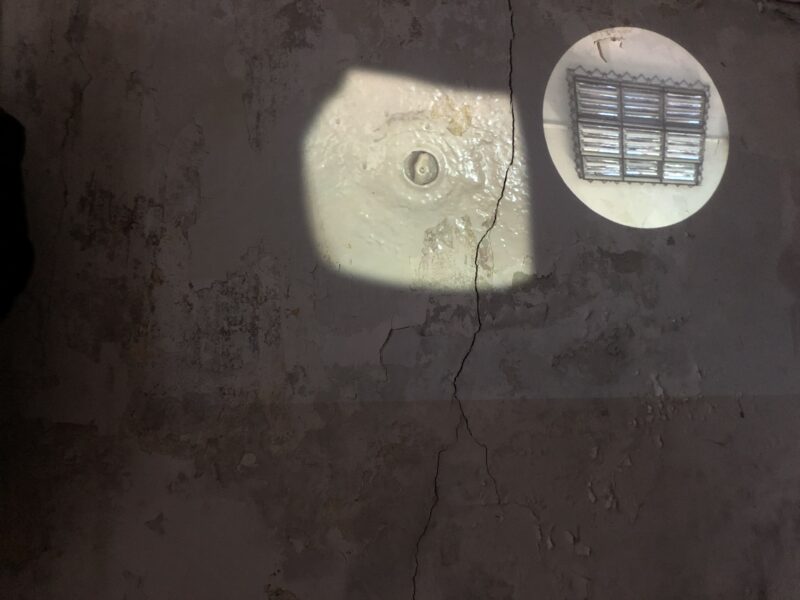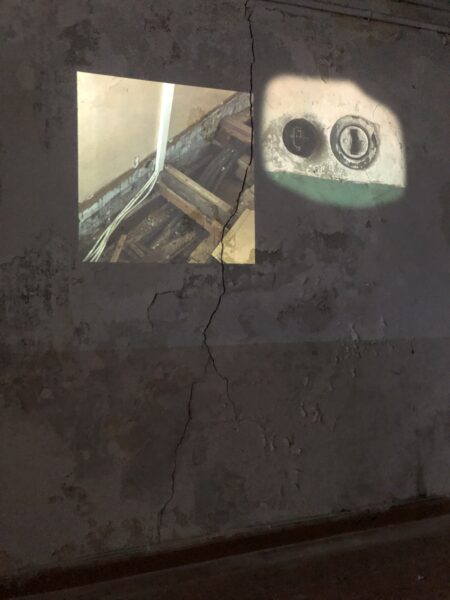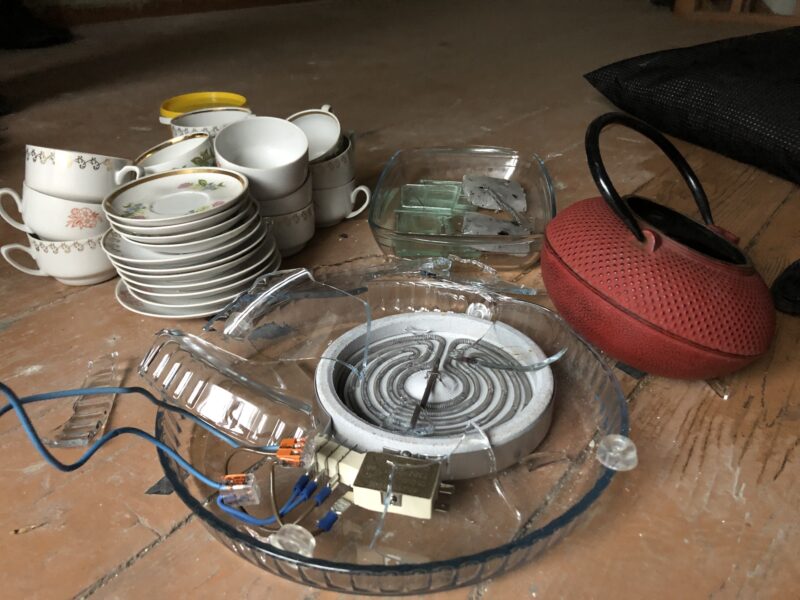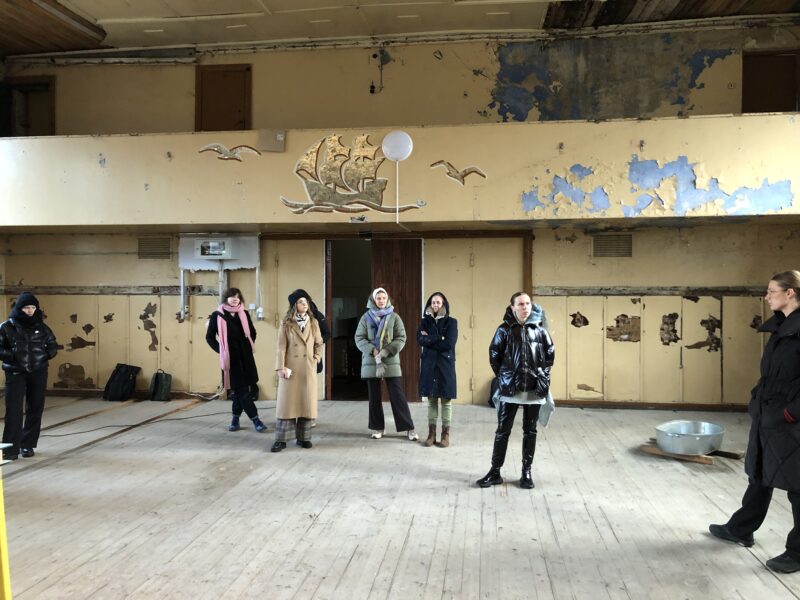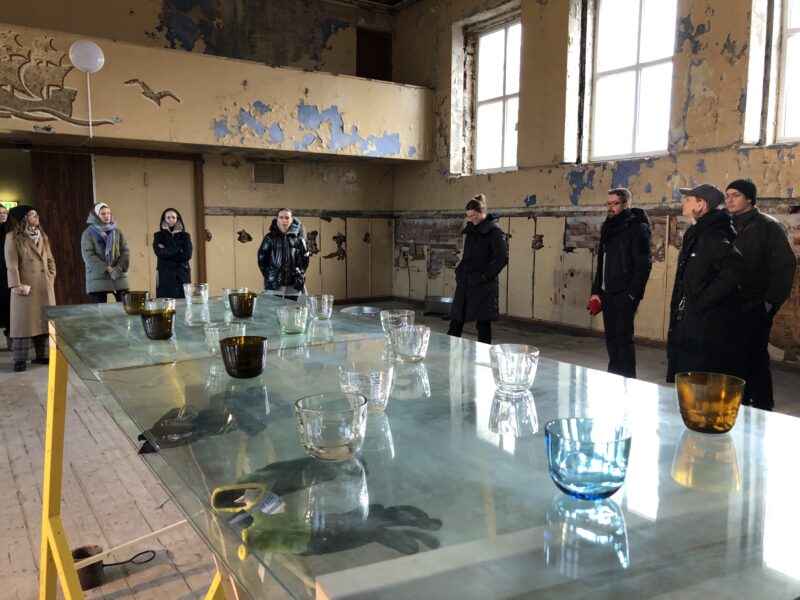
Linnamaardla_Kopli rahvamaja
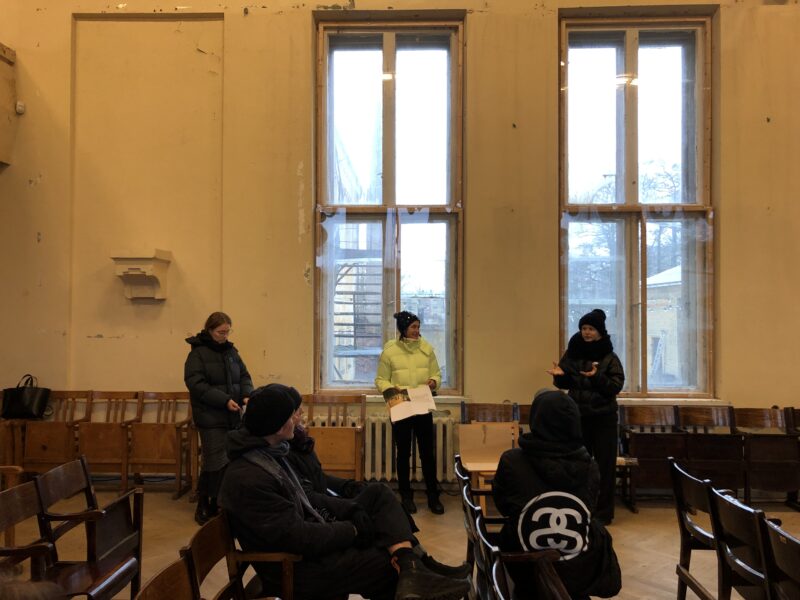
The first year of the MA study in the autumn semester of 2023 was based on the topic “Urban Deposit”. The course was held in collaboration with the EKA Faculty of Design curriculum Design and Applied Arts. Supervised by Juss Heinsalu, Ruuben-Jaan Rekkor, Johan Kirsimäe and Mariann Drell.
Urban Deposit: The main focus of the Kopli Rahvamaja studio is the circular new use of existing building materials (e.g. finishes, constructive structures, inventory) by either a) changing the function of the object(s); b) changing the design of the object(s); c) changing the location of the object(s) or
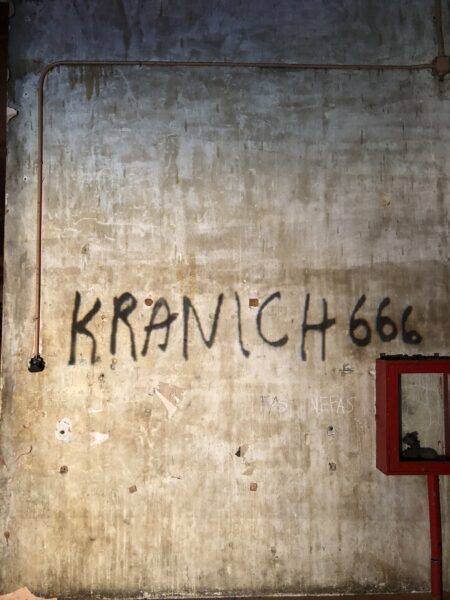
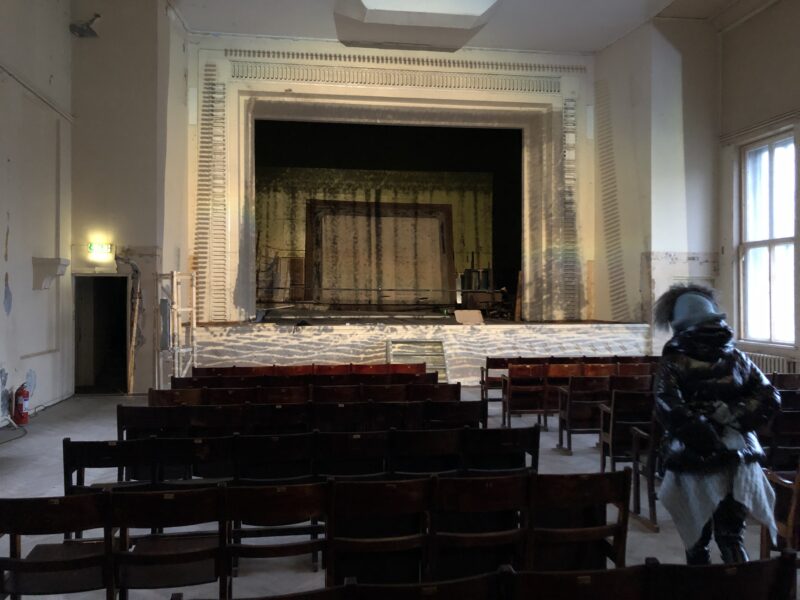
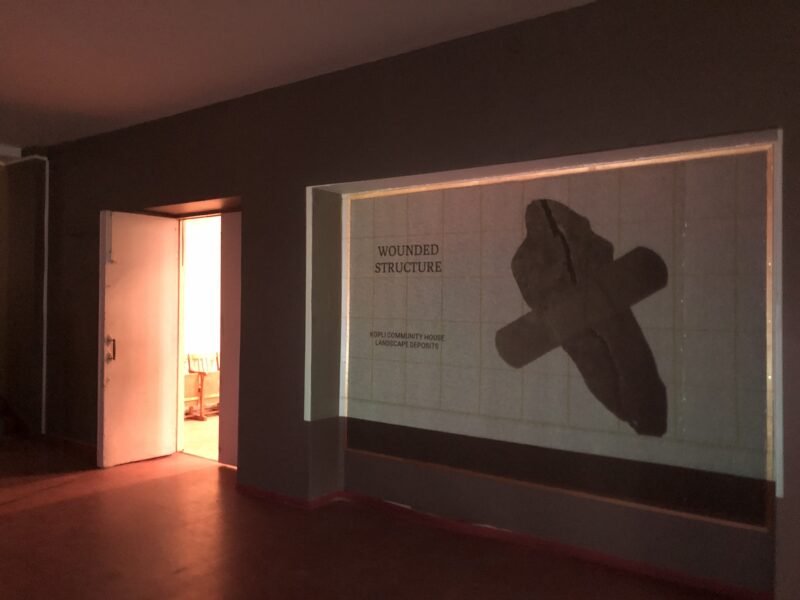
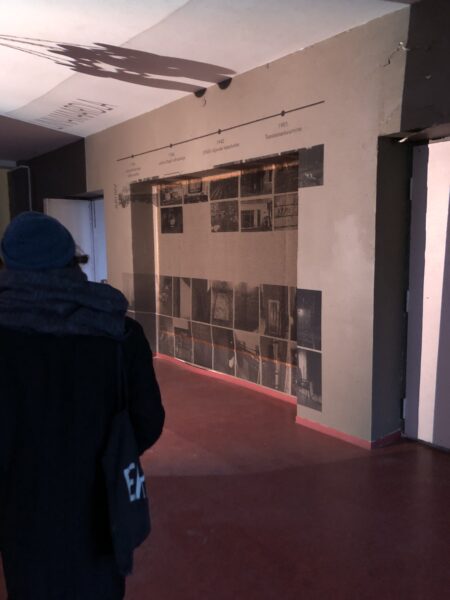
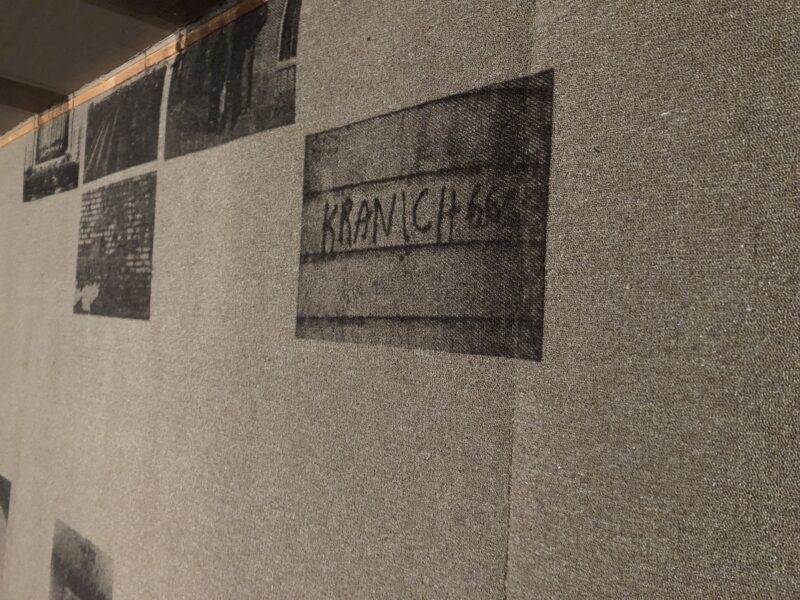
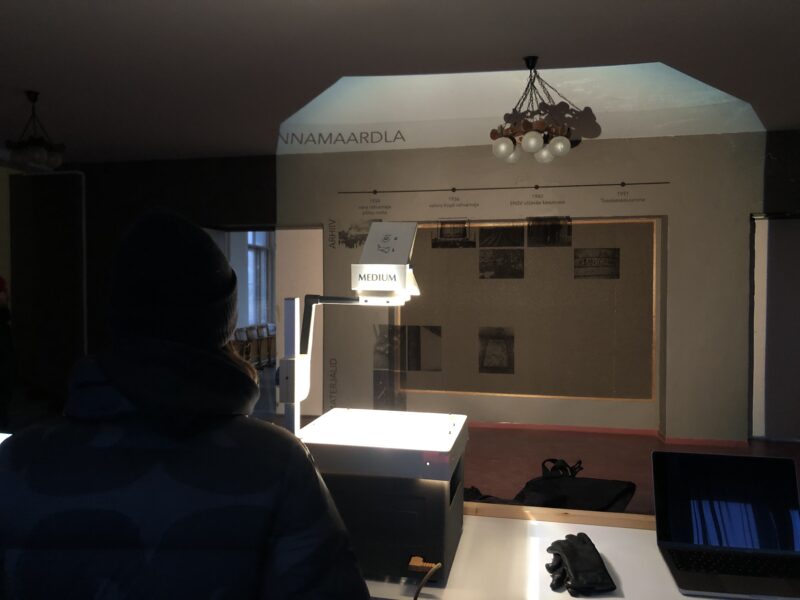
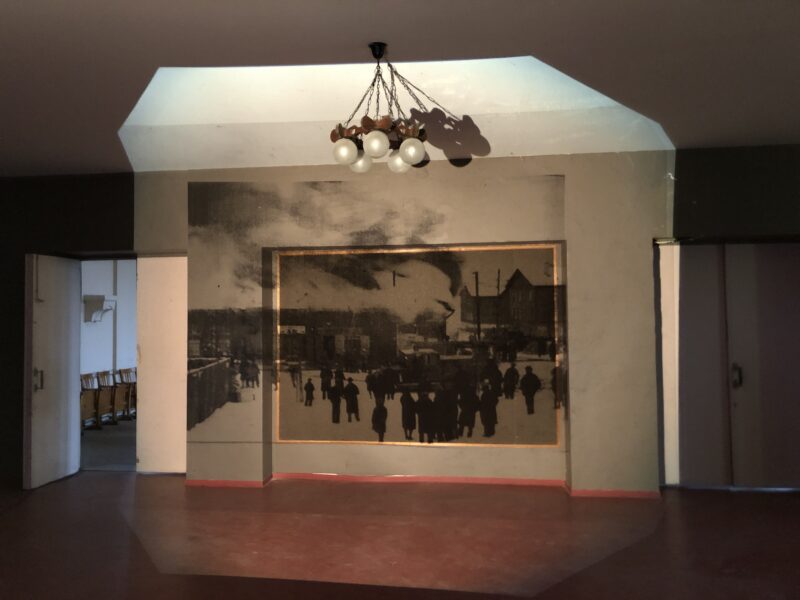
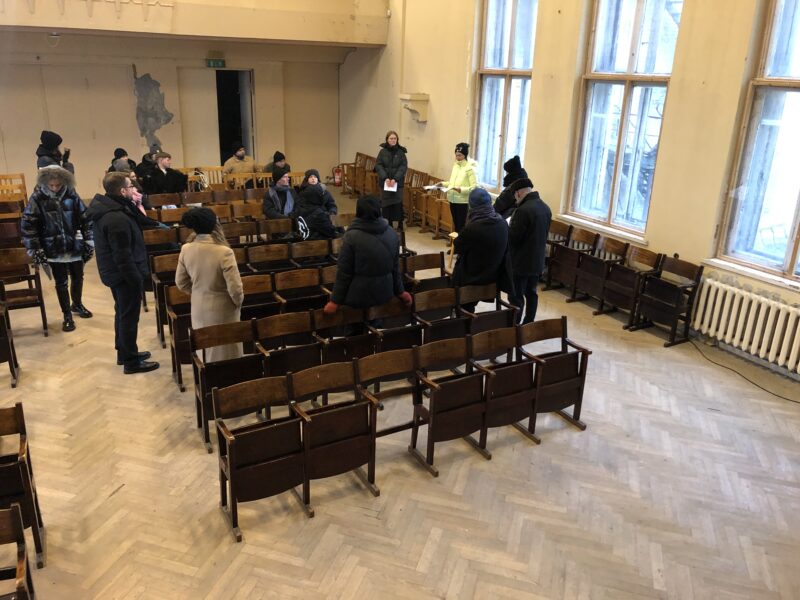
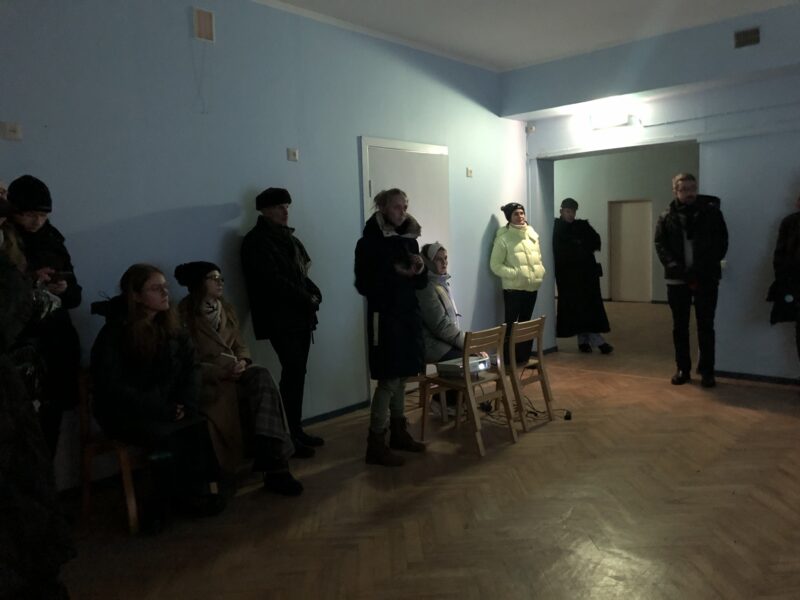
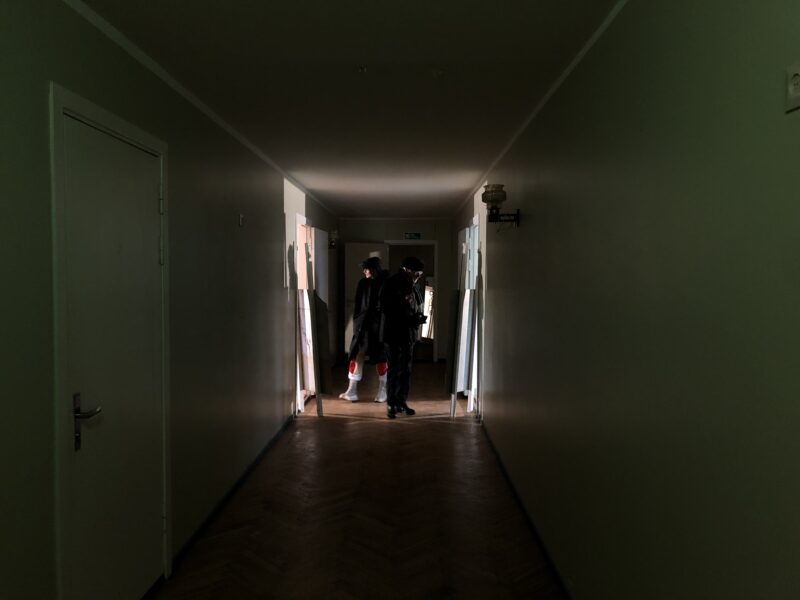
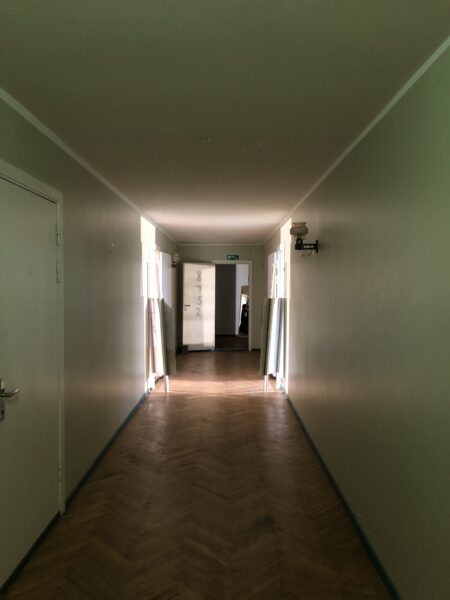
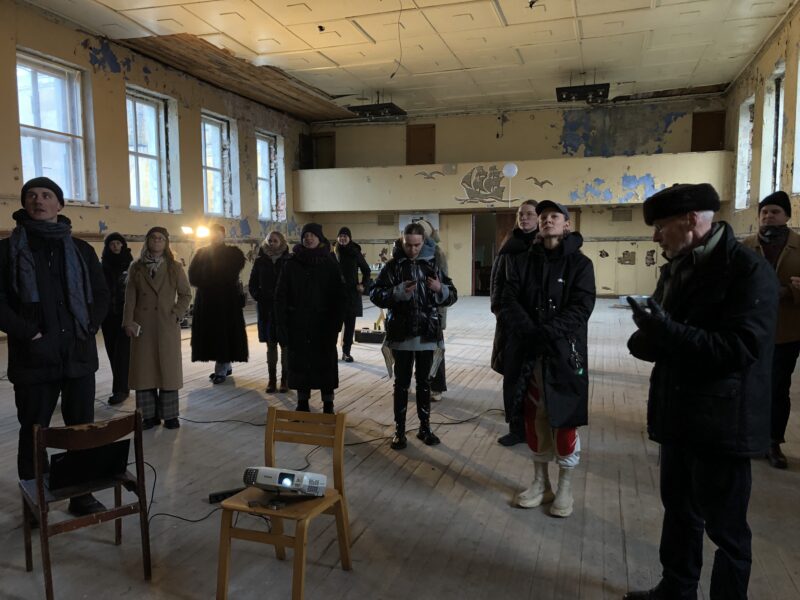
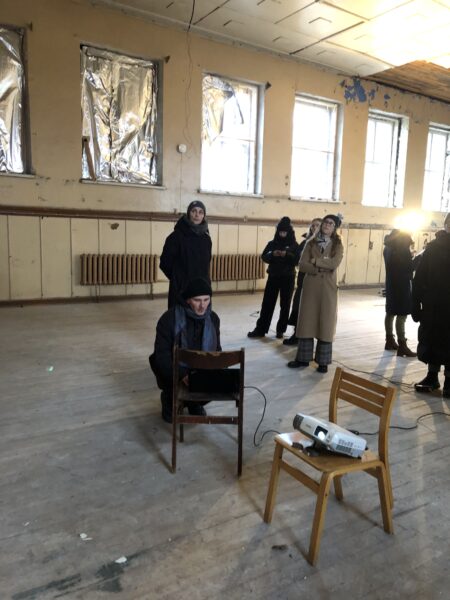
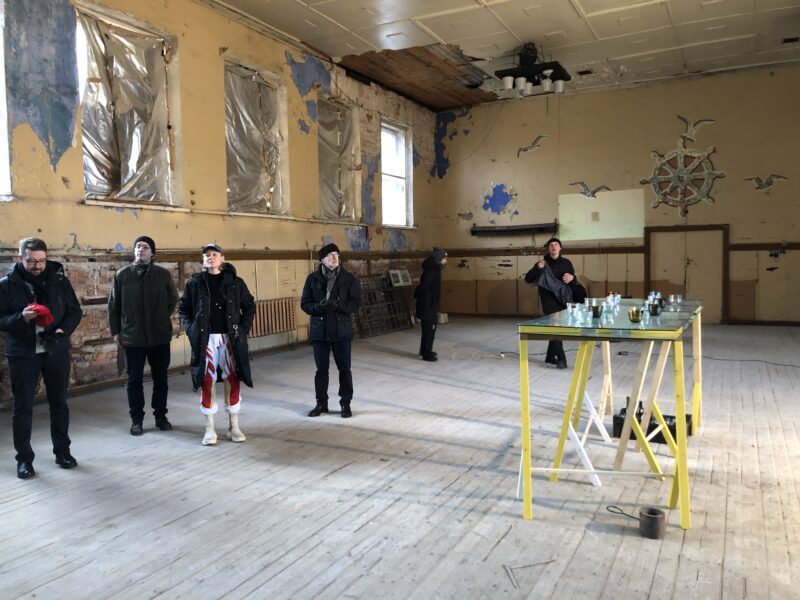
by applying the aforementioned approaches together. The so-called “roof” of the studio is the Kopli Rahvamaja (Kopli 93), which on the one hand stands vacant and empty, but on the other hand is and is becoming even more of a community center.
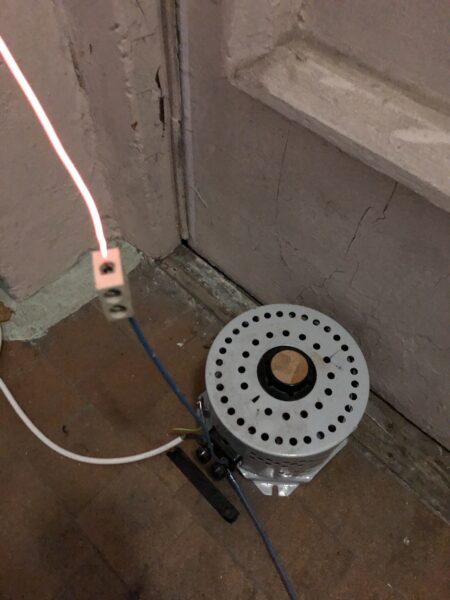
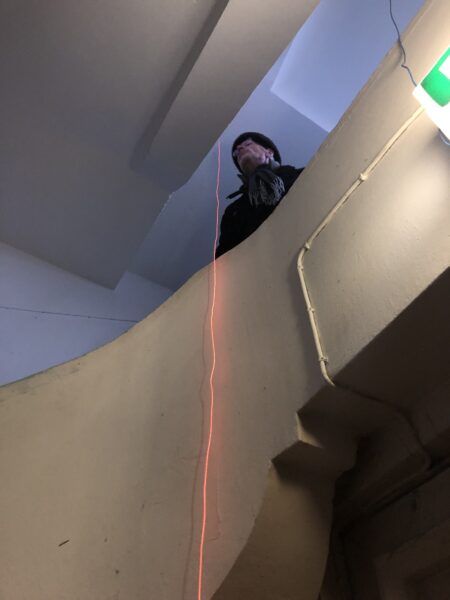
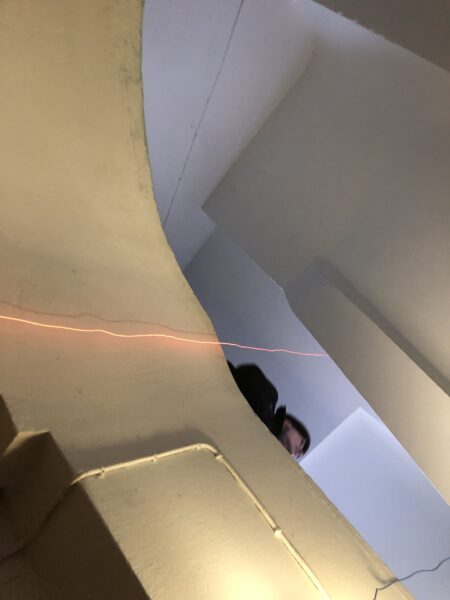
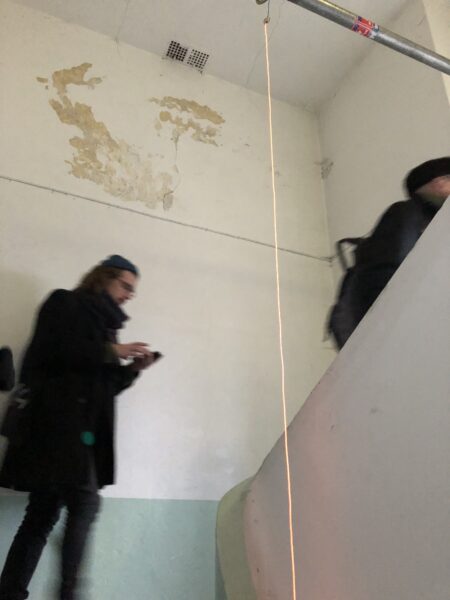
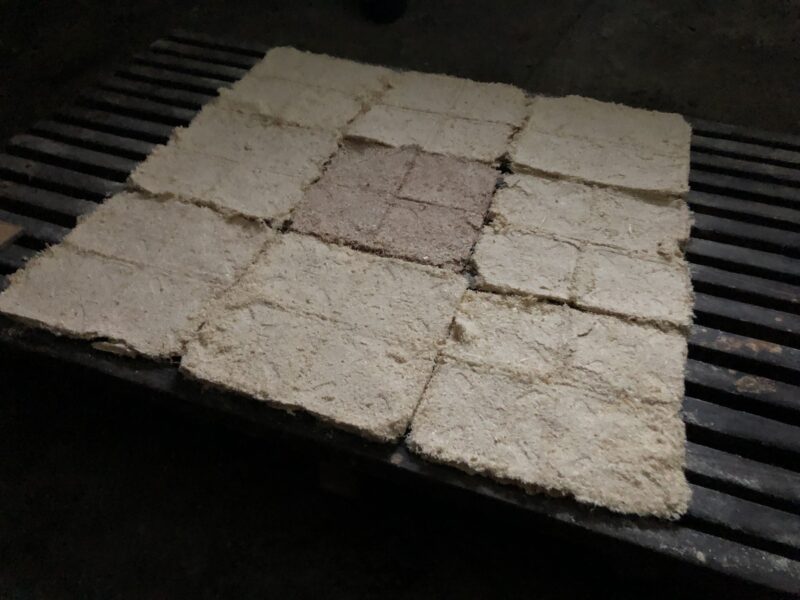
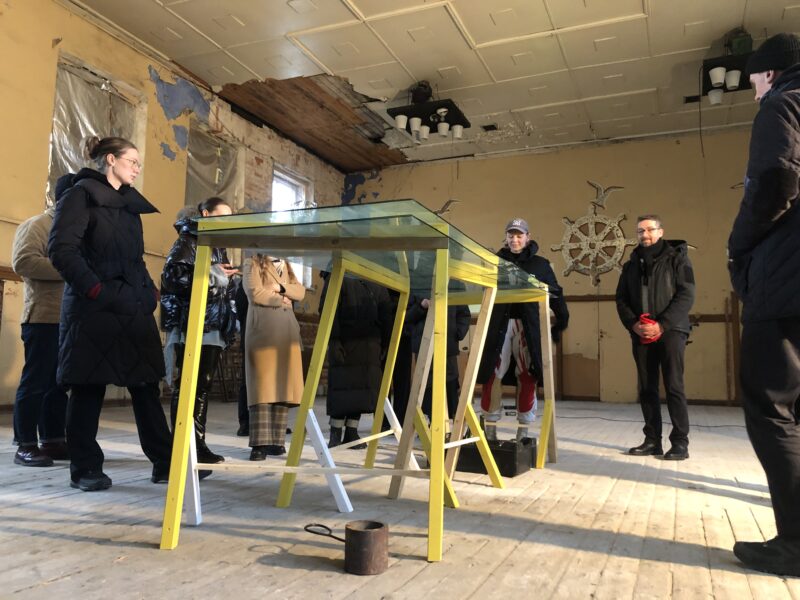
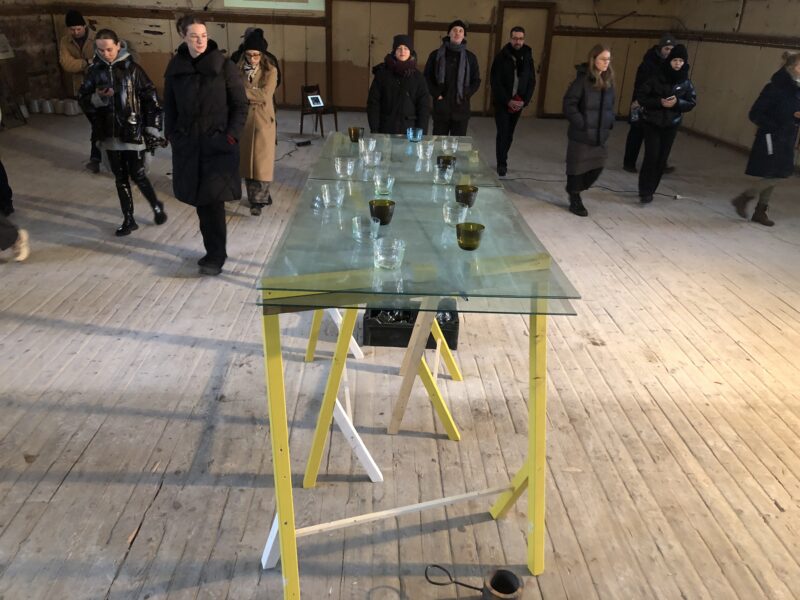
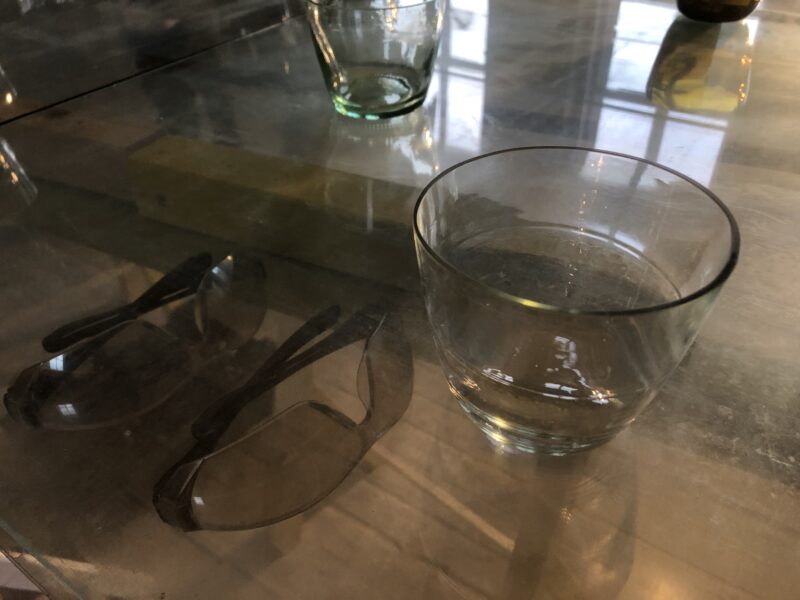
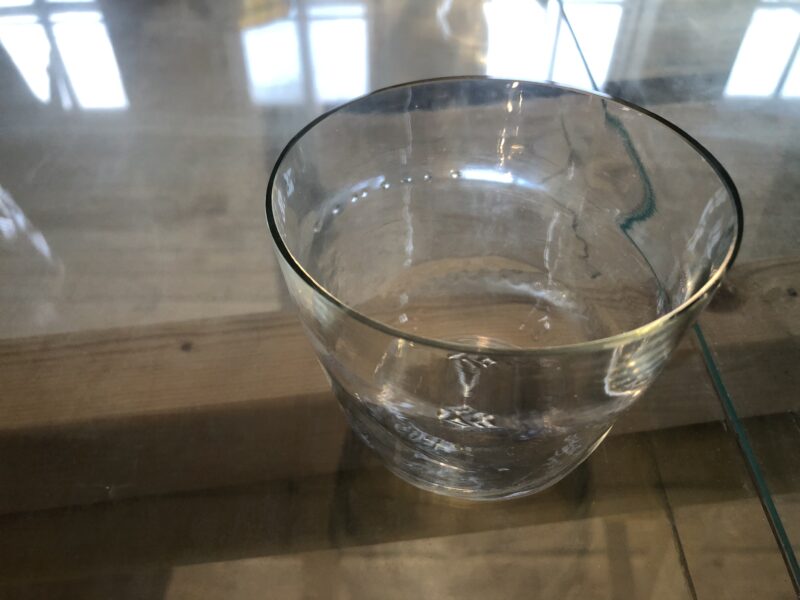
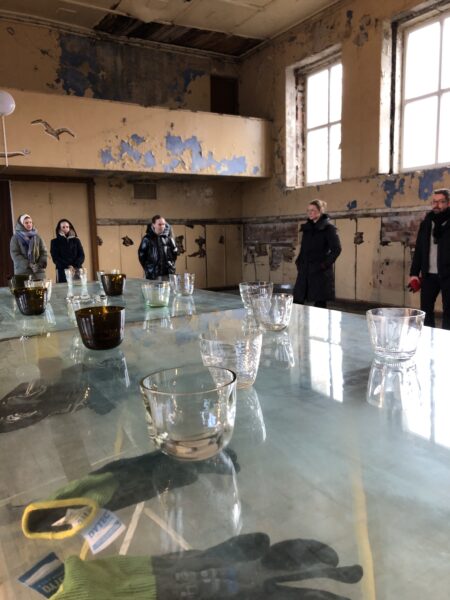
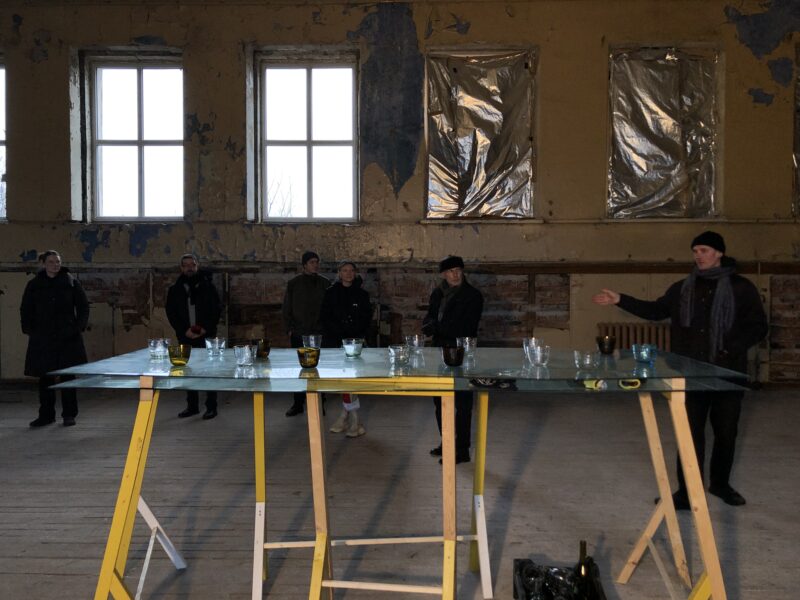
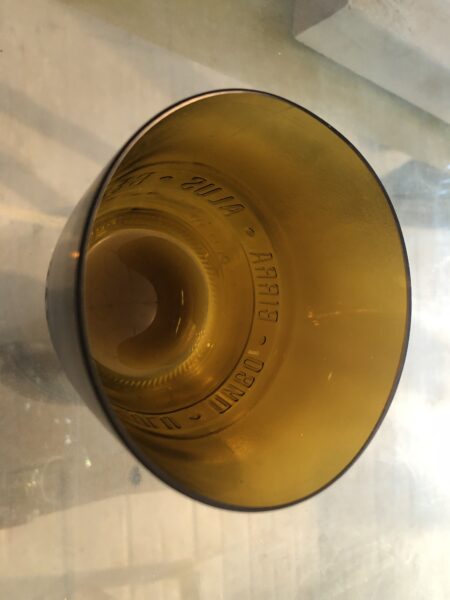
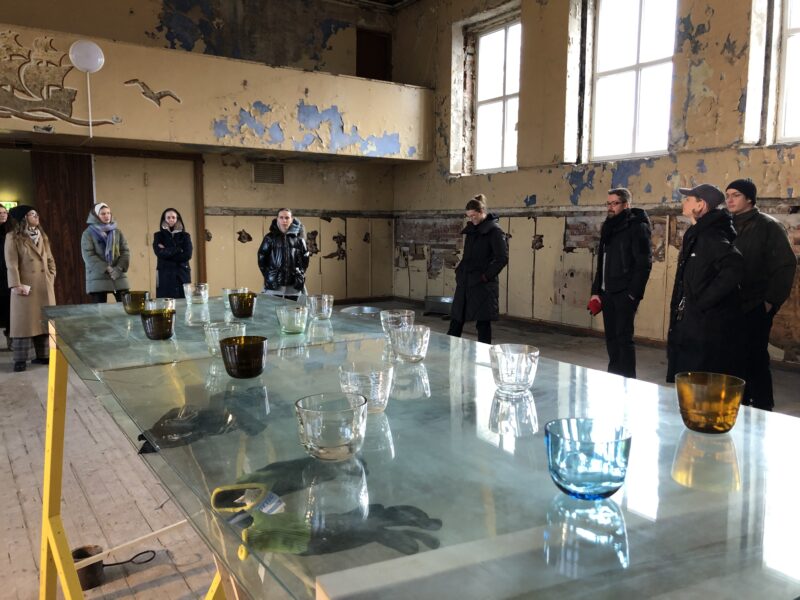
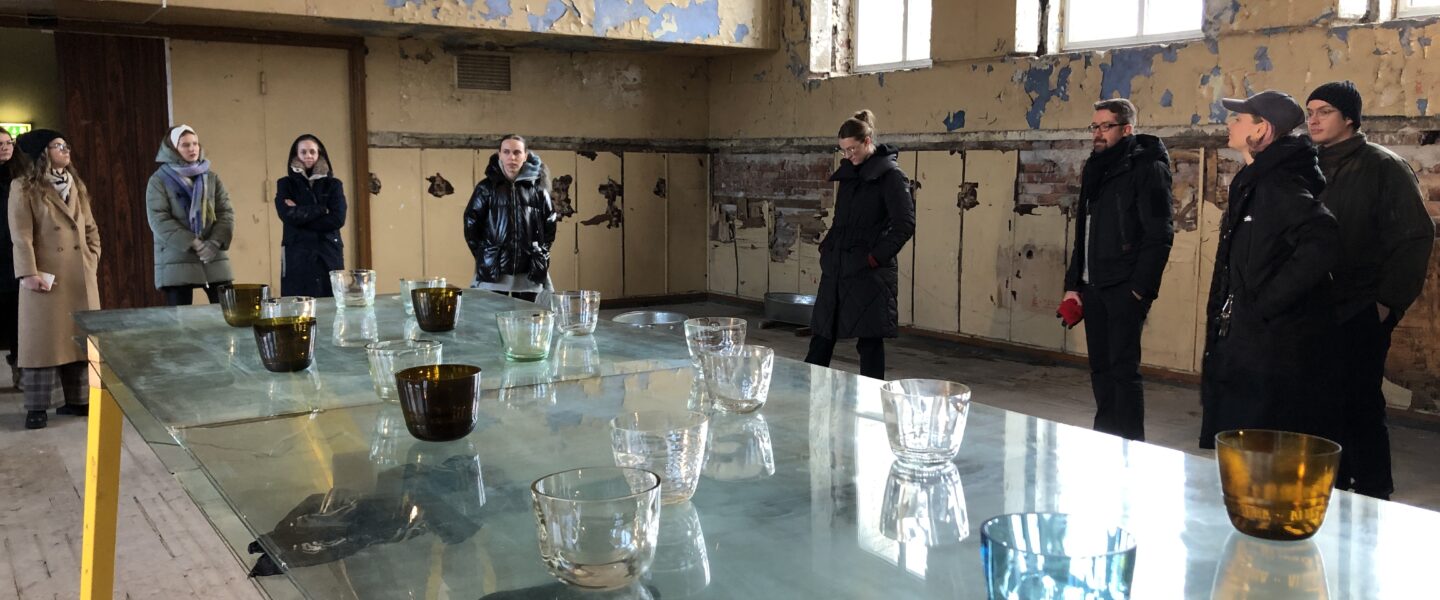
The building opens up an exciting opportunity to balance circular design and necessary preservation – the building is under heritage protection but full of unused spaces and the inventory found in them. What is the future resource potential of such a building? How to relate to spaces that have been randomly abandoned? Another main focus of the studio is also the urban deposit – designing from existing waste/garbage/surplus. How to mine the urban deposit is learned during the studio. The output of the subject is the creation of a new product/object/installation/space from existing objects, which conceptually or physically relates to the Kopli Community Center. During the creation, the work process and the initial condition, function, materials, quantities, etc. of the building materials, inventory, etc. extracted or selected from the building must also be documented. The completion of the new object takes place with the technical assistance of various EKA workshops, depending on the nature of the project.
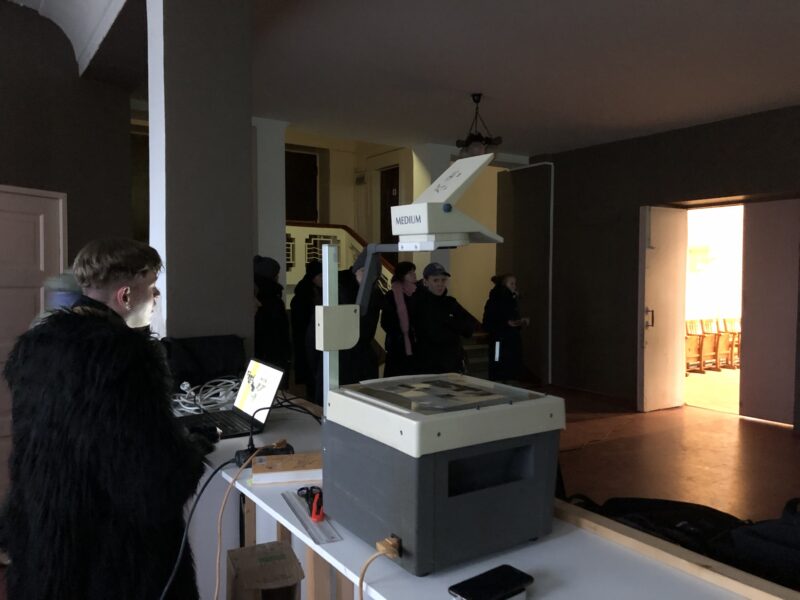
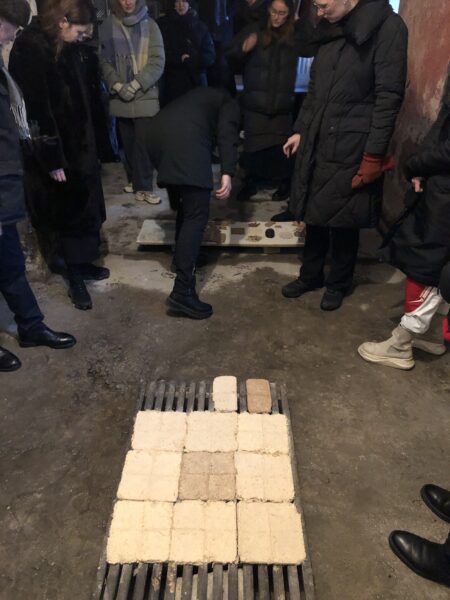
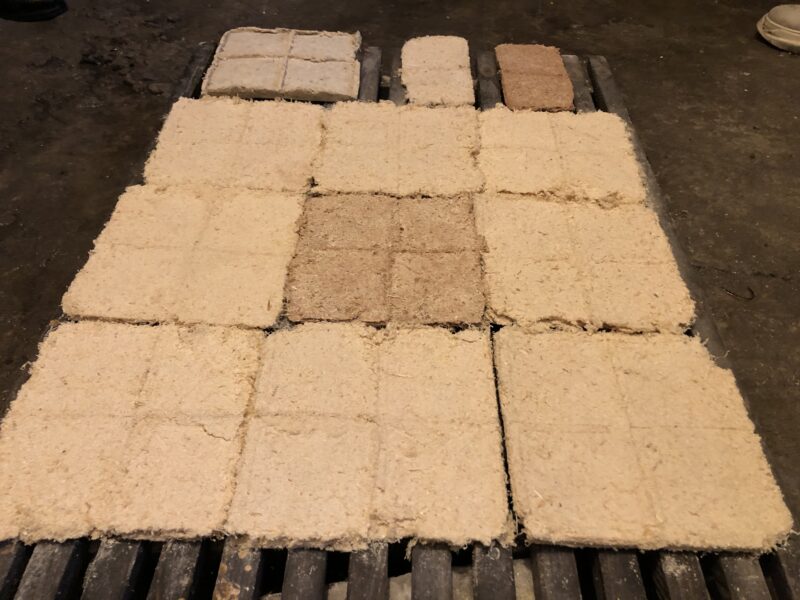
During the course, the student learns to use the “residue” arising from the profession of (interior) architecture and design as a resource in the implementation of their projects and the creation of new objects. During the course, the raw material, the reprocessing, as well as the design process and the design result are documented – the first three can be graphic and/or physical; the design result is a physical built object. The work must be formatted graphically and presented in print and in a model during the final assessment. The material to be presented must include at least:
1) an overview of the selected “raw material” (current situation, tests, etc.),
2) the design process of the created product/object/installation presented graphically,3) a 1:1 built product/object/installation (in the case of large-scale work, a 1:1 fragment is also allowed).