
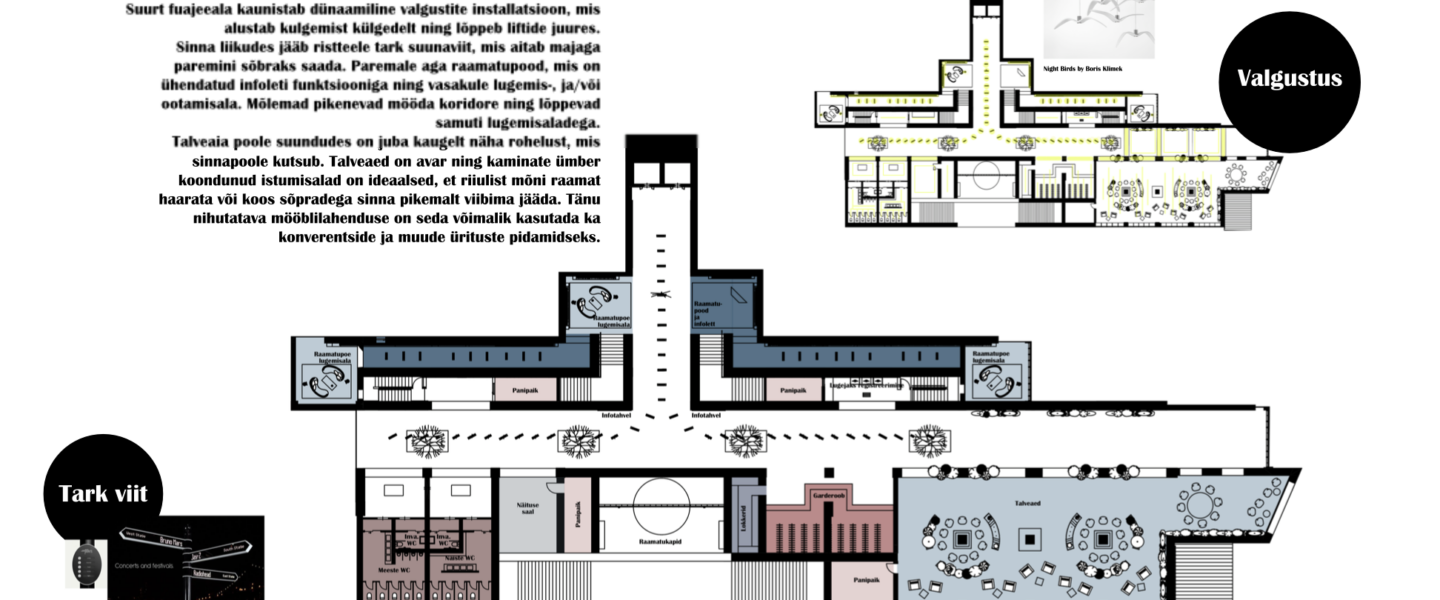
Regina Kaasiku töö
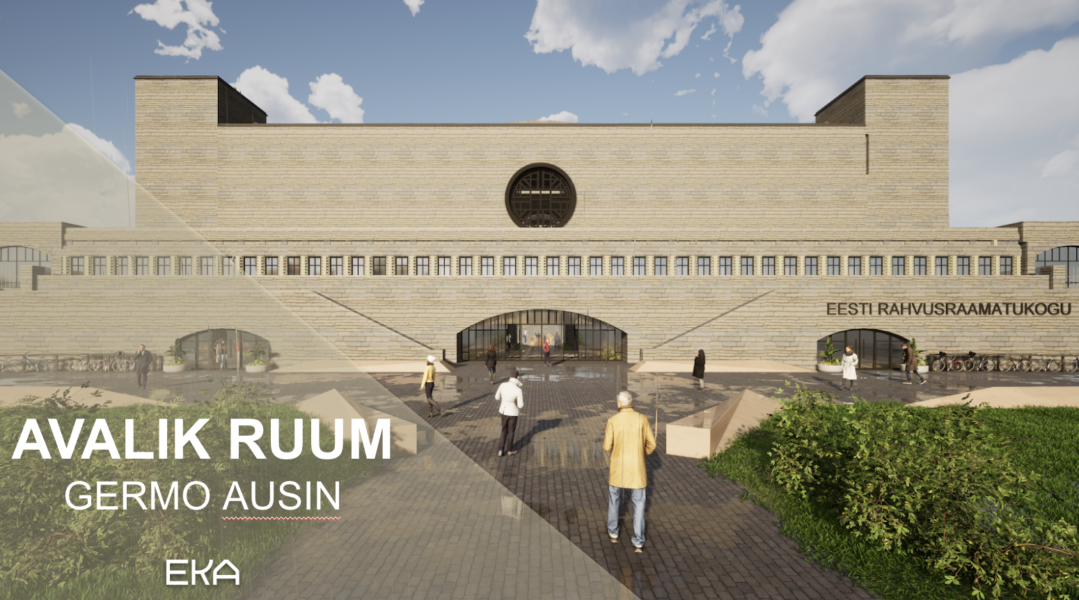
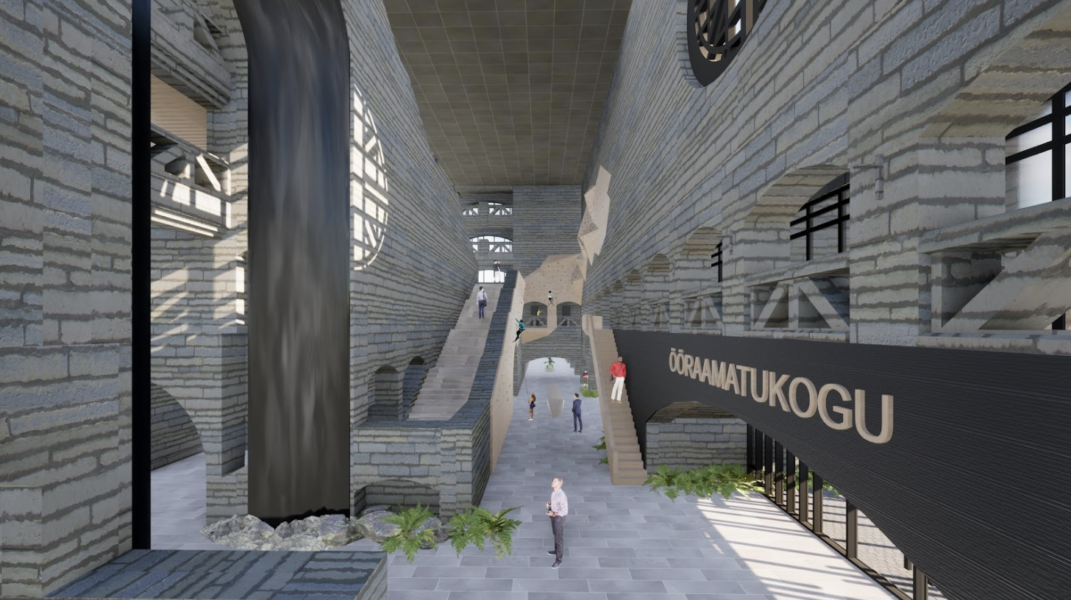
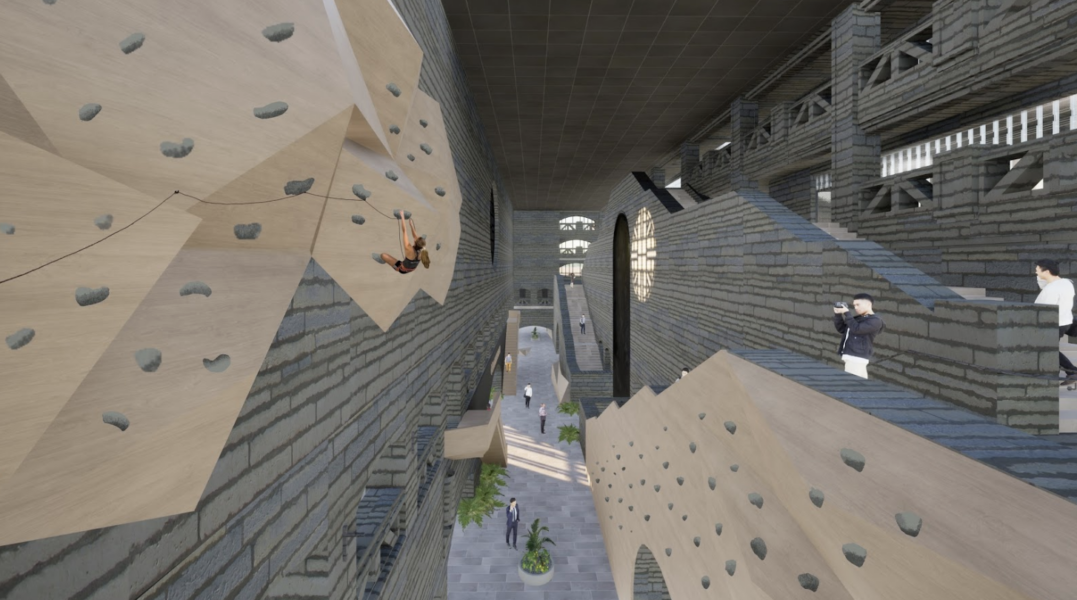
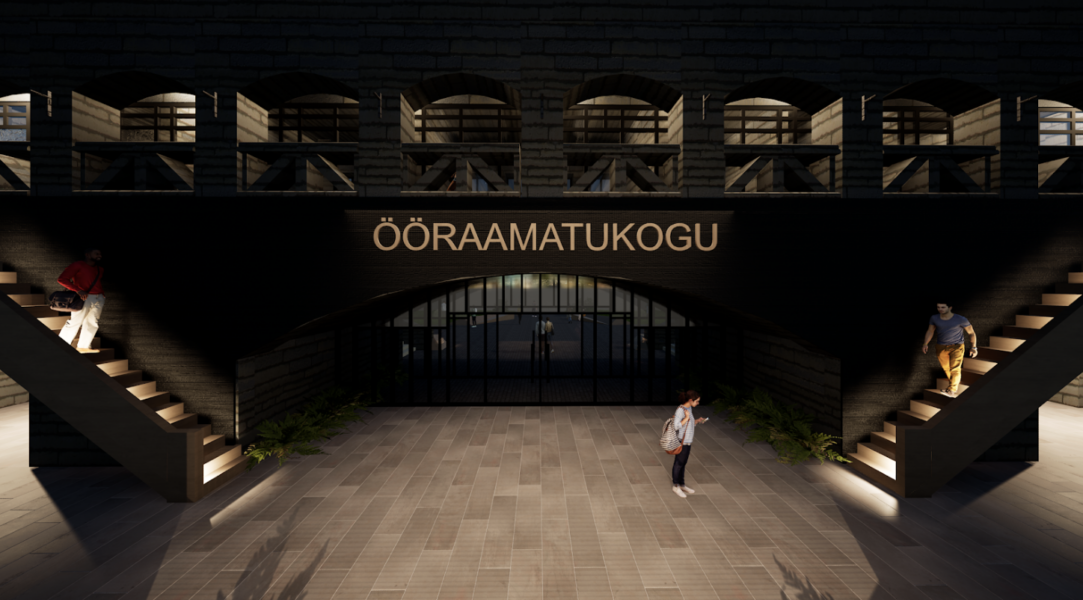
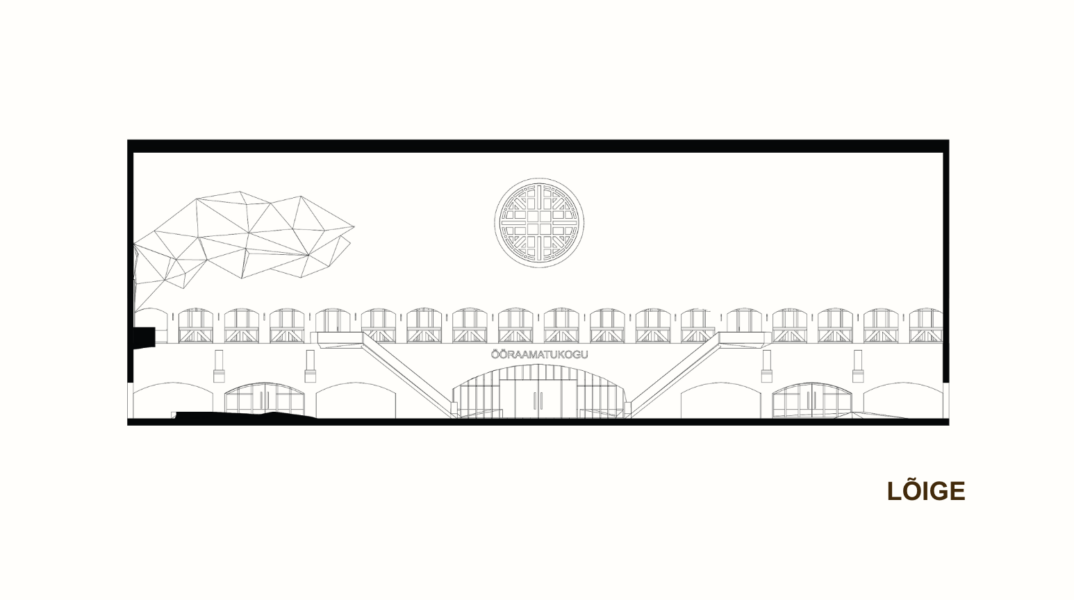
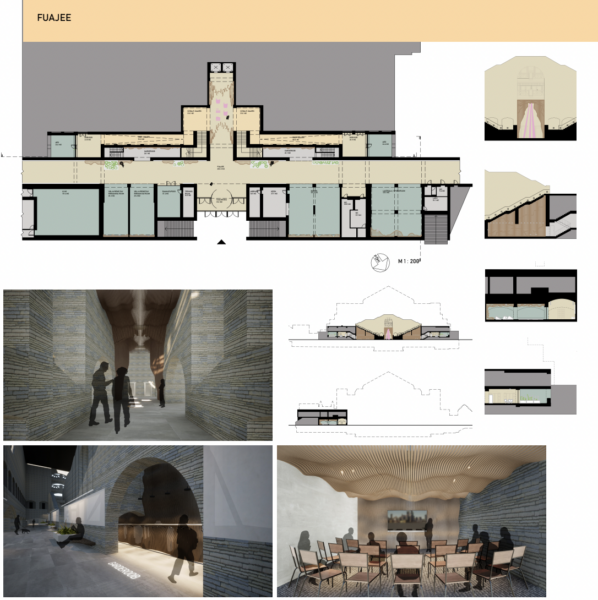
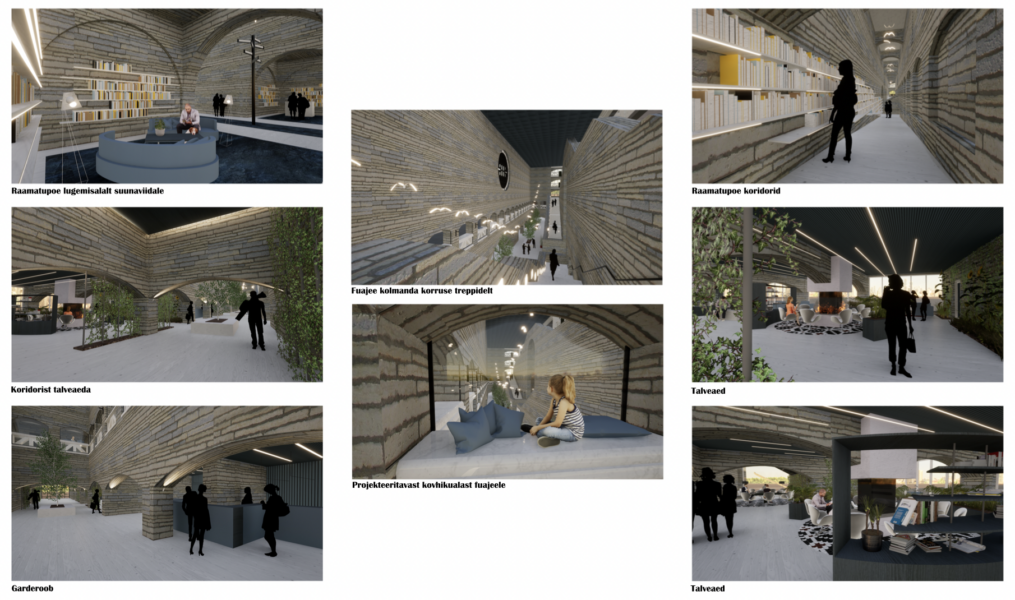
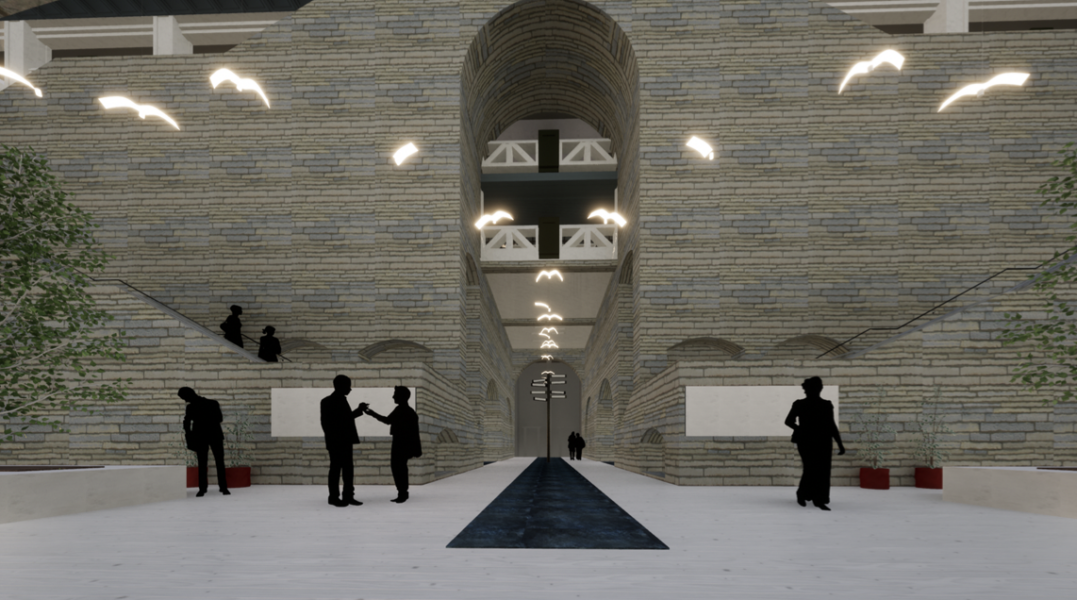
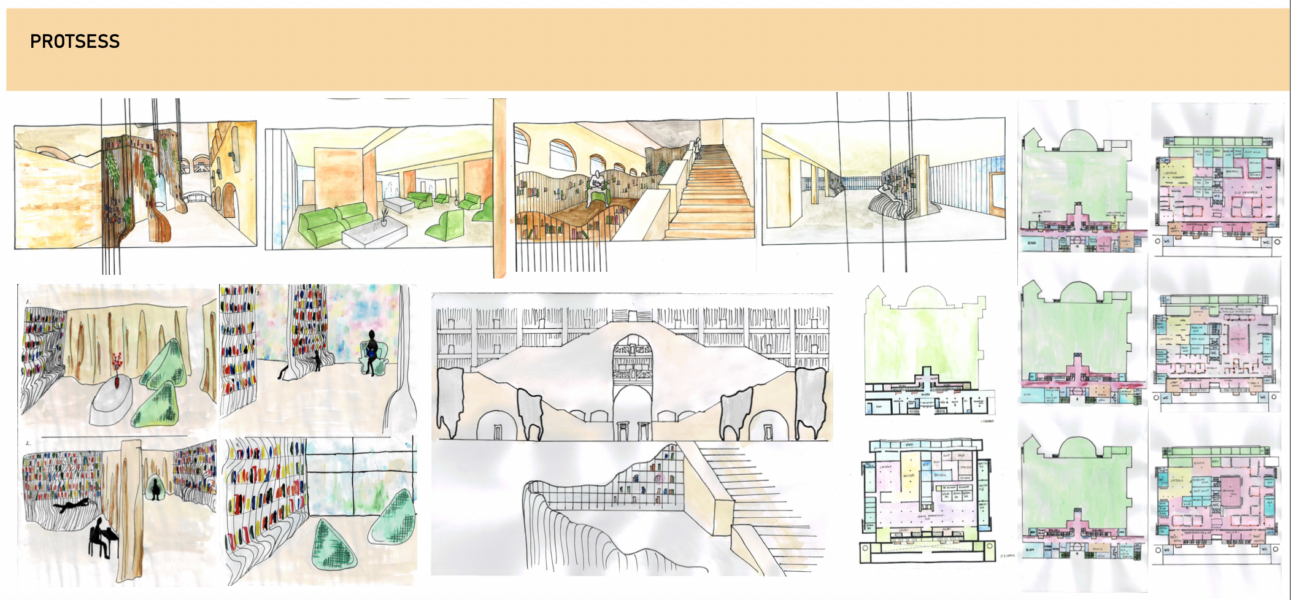
Detaile Grete-Loviis Saare, Germo Ausini ja Regina Kaasiku töödest
What is public space? Who needs public space? How does the nature of public space change in time and space? Public space concerns us as city citizens; it is a space of movement and being, which encompasses and reflects the spirituality inherent in a city. On the desk of an interior architect, a public space project takes on the meaning of a social space, which has a physical dimension and social content.
In today’s urban and cultural landscape adapted to consumption, it is very important to relate to spaces on a daily basis that do not require lightening the wallet. How has public space changed over the past year, when the doors of almost all public spaces were closed for a while? However, churches in Rome and libraries in Tallinn offered, for longer than many other places, an alternative opportunity to feel like a social being.
The subject of public space in the EKA interior architecture study program provides an opportunity to think big and dream big. The purpose of the professional studio is to delve into different spatial typologies (including the specific features of the interior architecture of the large hall) and critically consider their functioning in contemporary and future time and space.
During the semester, students will interact with one specific public building, looking for connections between the building’s architecture, urban context, and new contemporary users.
The latest public space professional studios have examined important landmarks in Tallinn by architect Raine Karbi – the City Hall and the National Library – and in the process of rethinking the use of these and planning a new space, multi-layered ideas and fresh creative spatial solutions were developed that would meet the expectations of the 21st century, both in terms of urban people, space, and context. The focus was on the values of the existing interior, the basics of lighting, and spatial acoustics in both theory and practice.
Ideas were born about the library as a creative residency, a small village, an active movement space, an urban jungle, a place of memory, etc.
An exhibition of students’ work was completed at the National Library.