
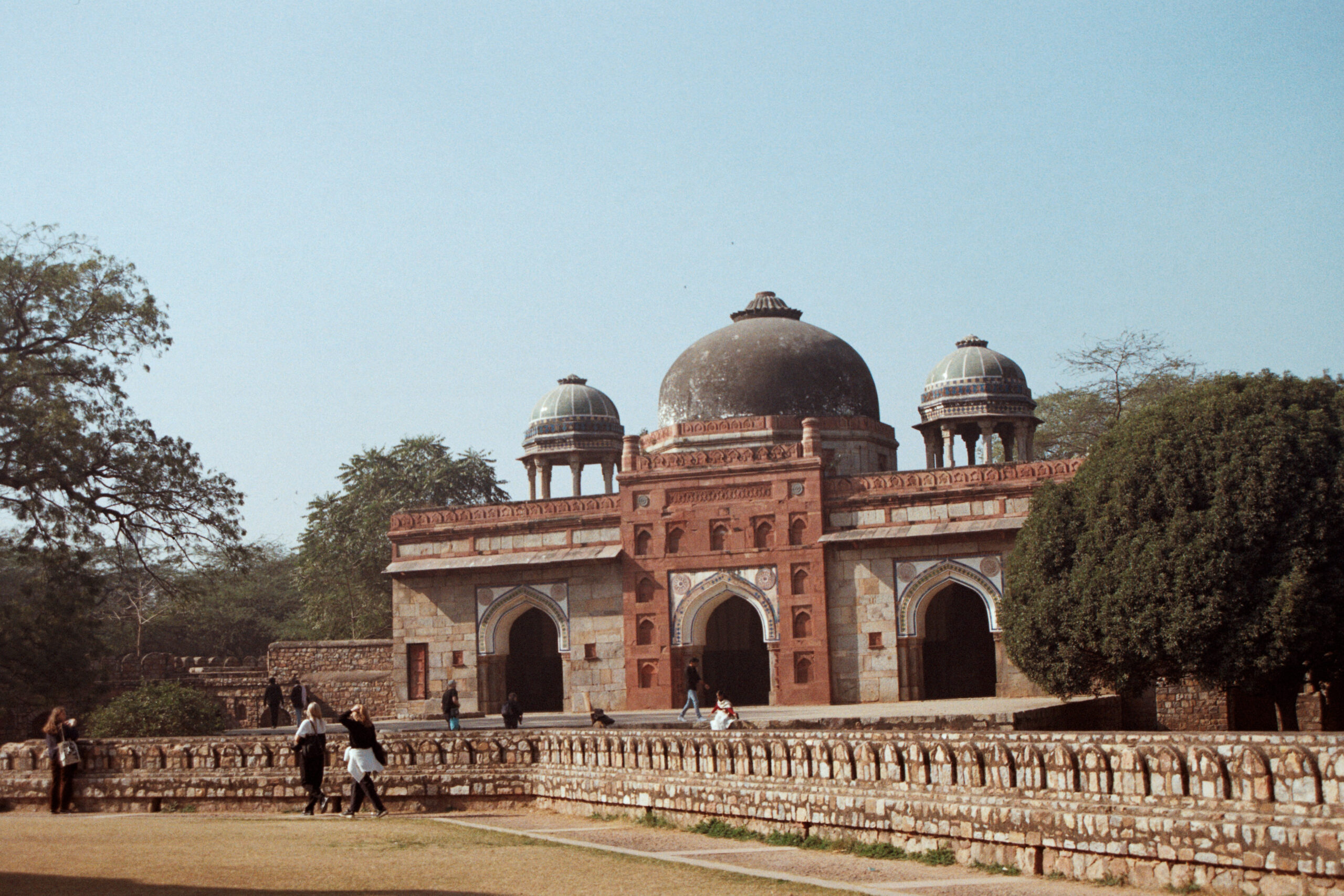
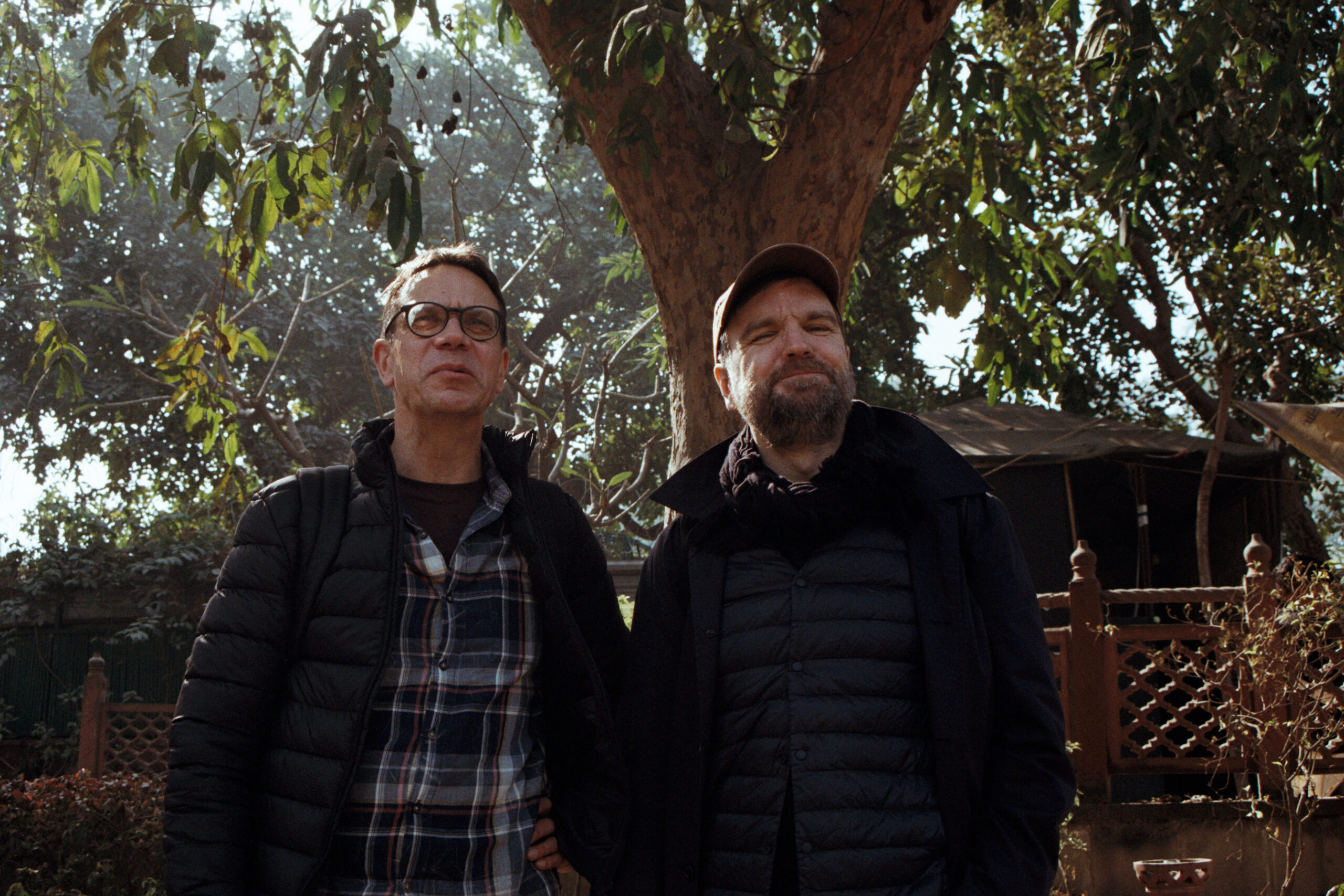
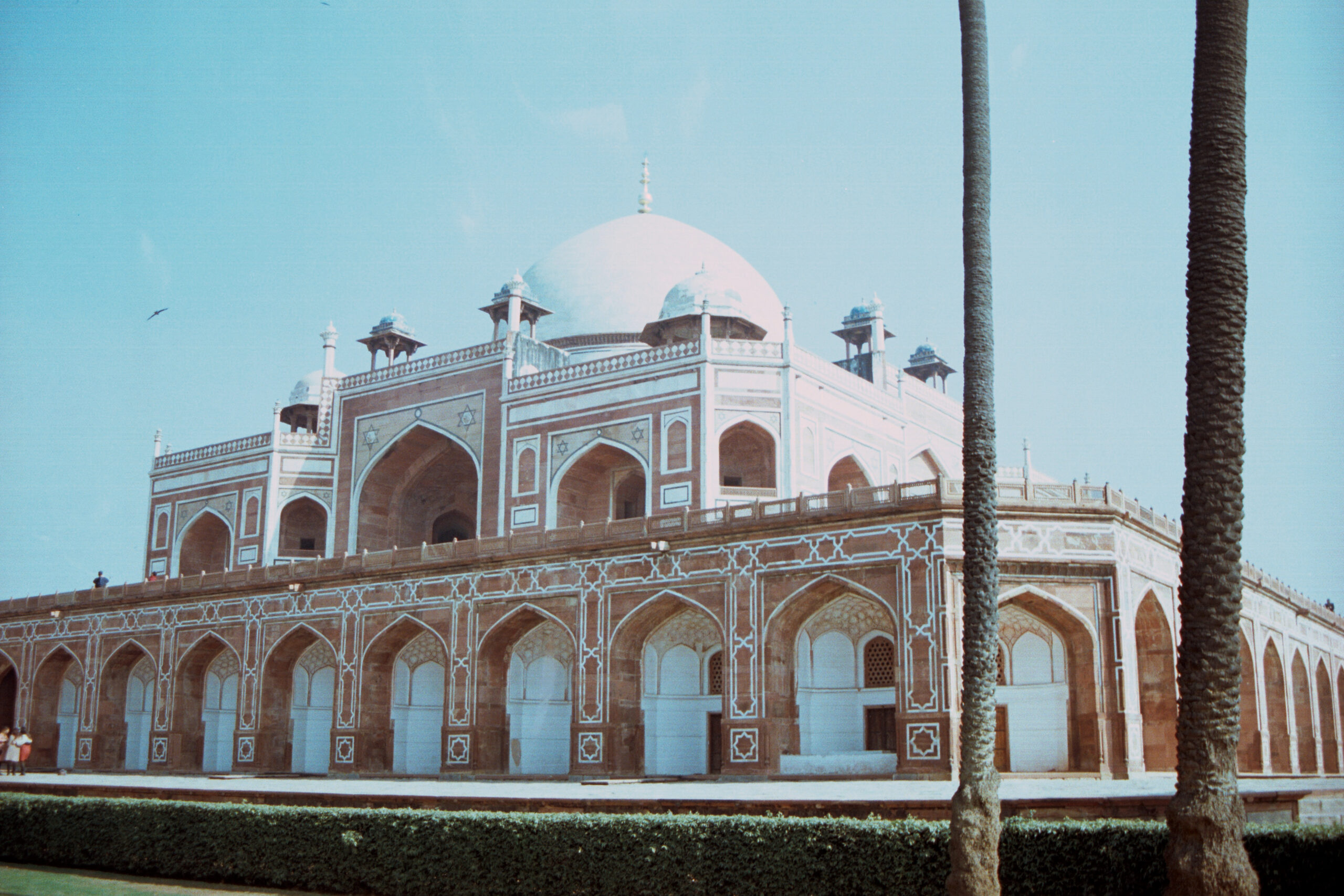
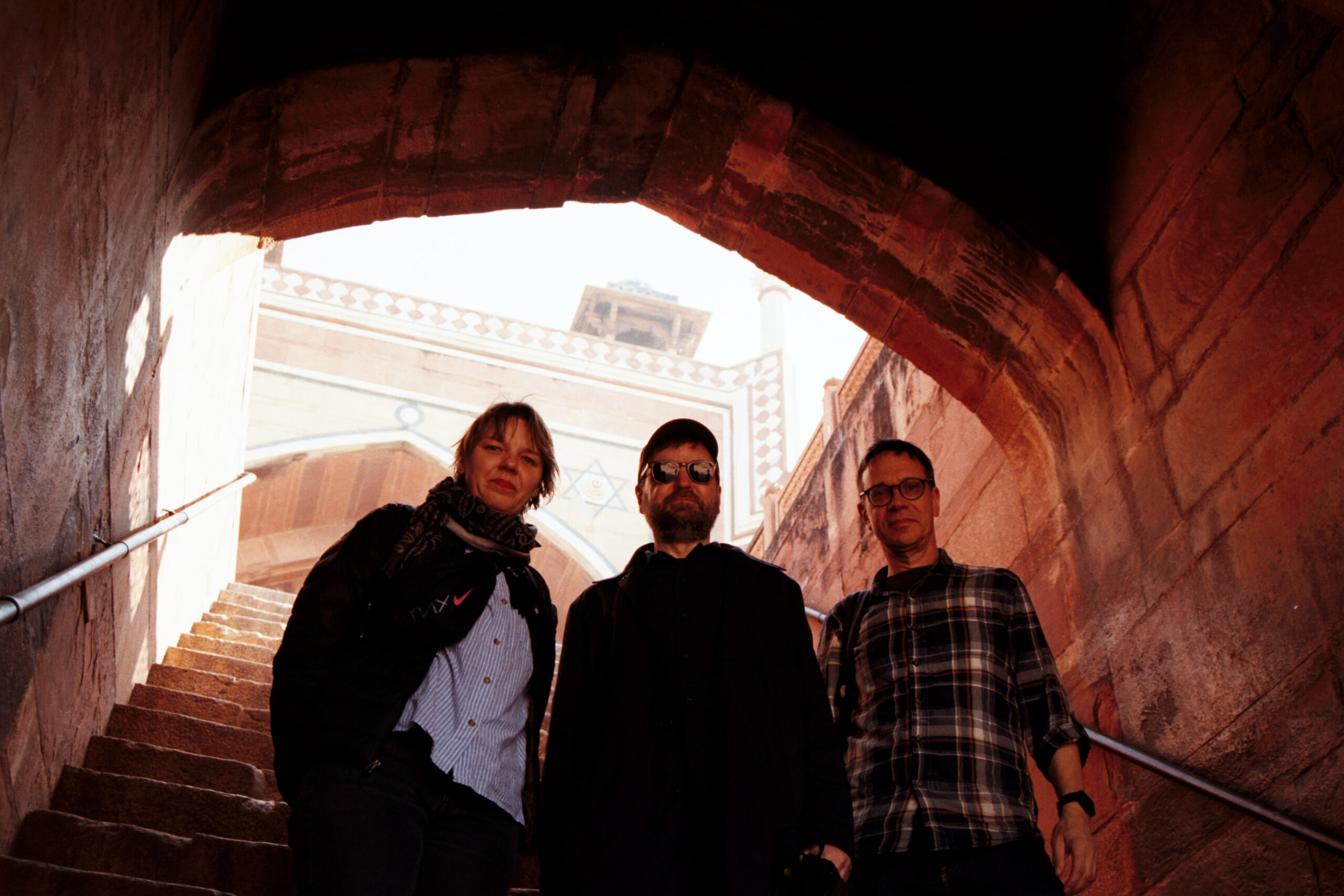
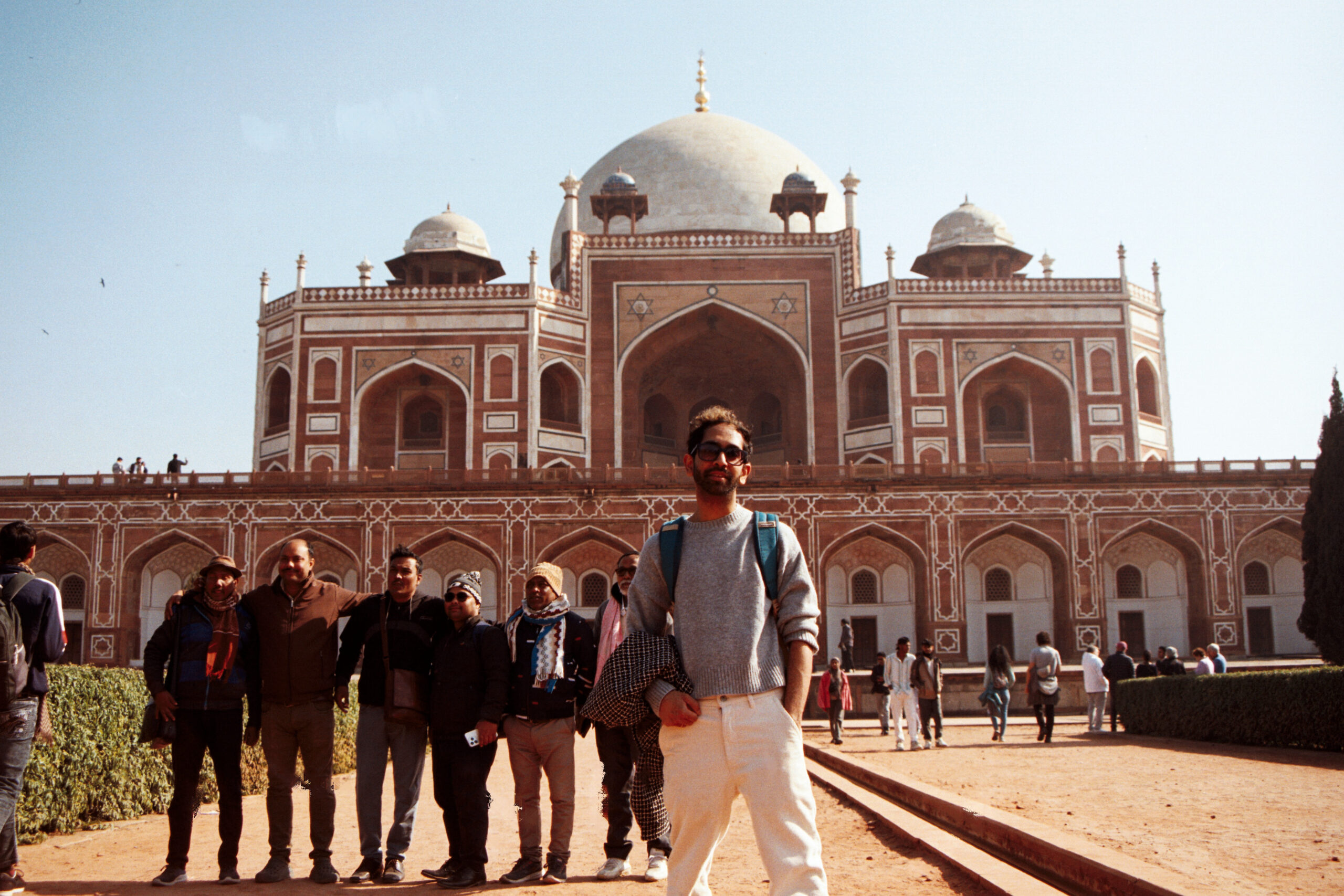
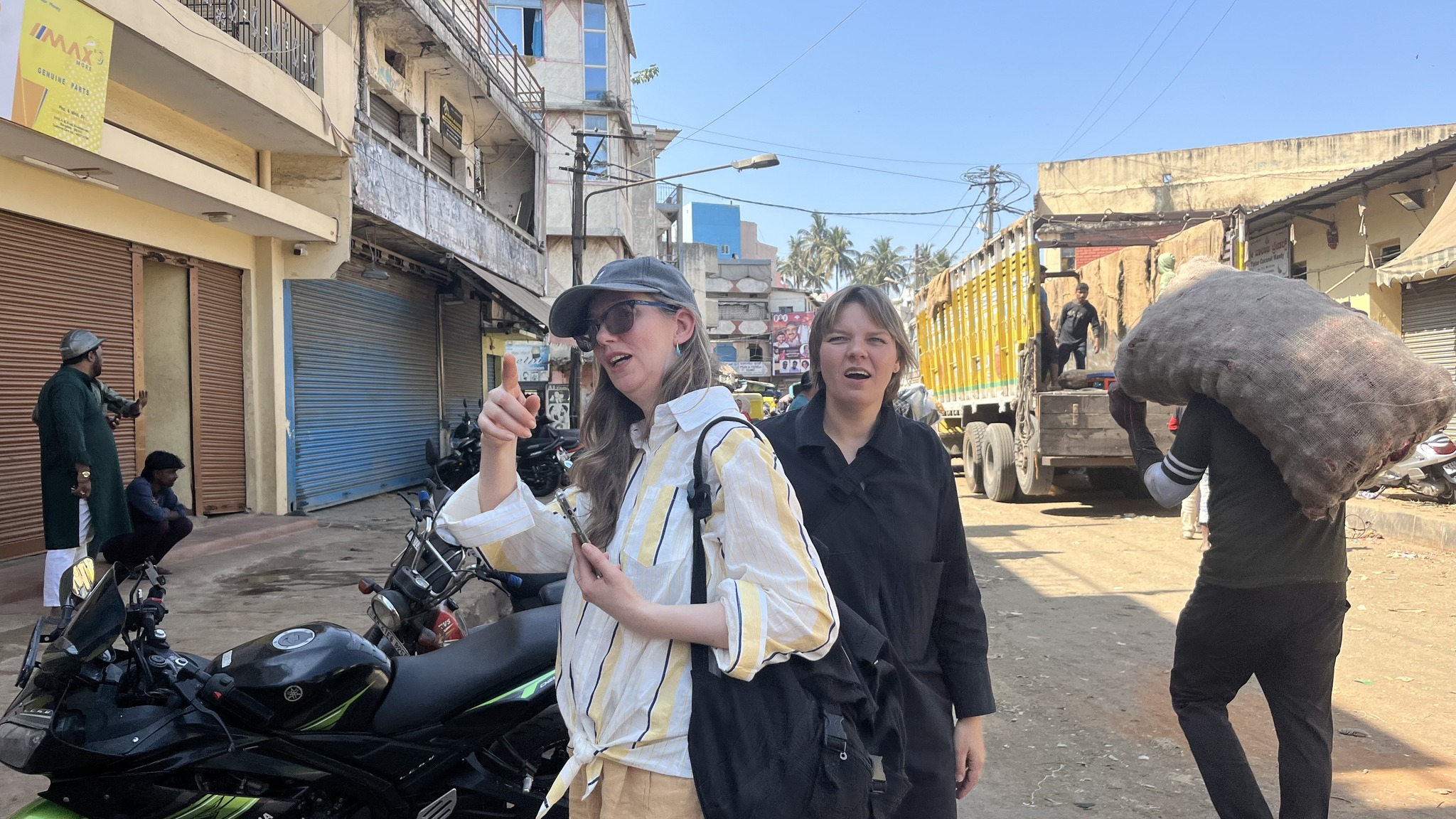
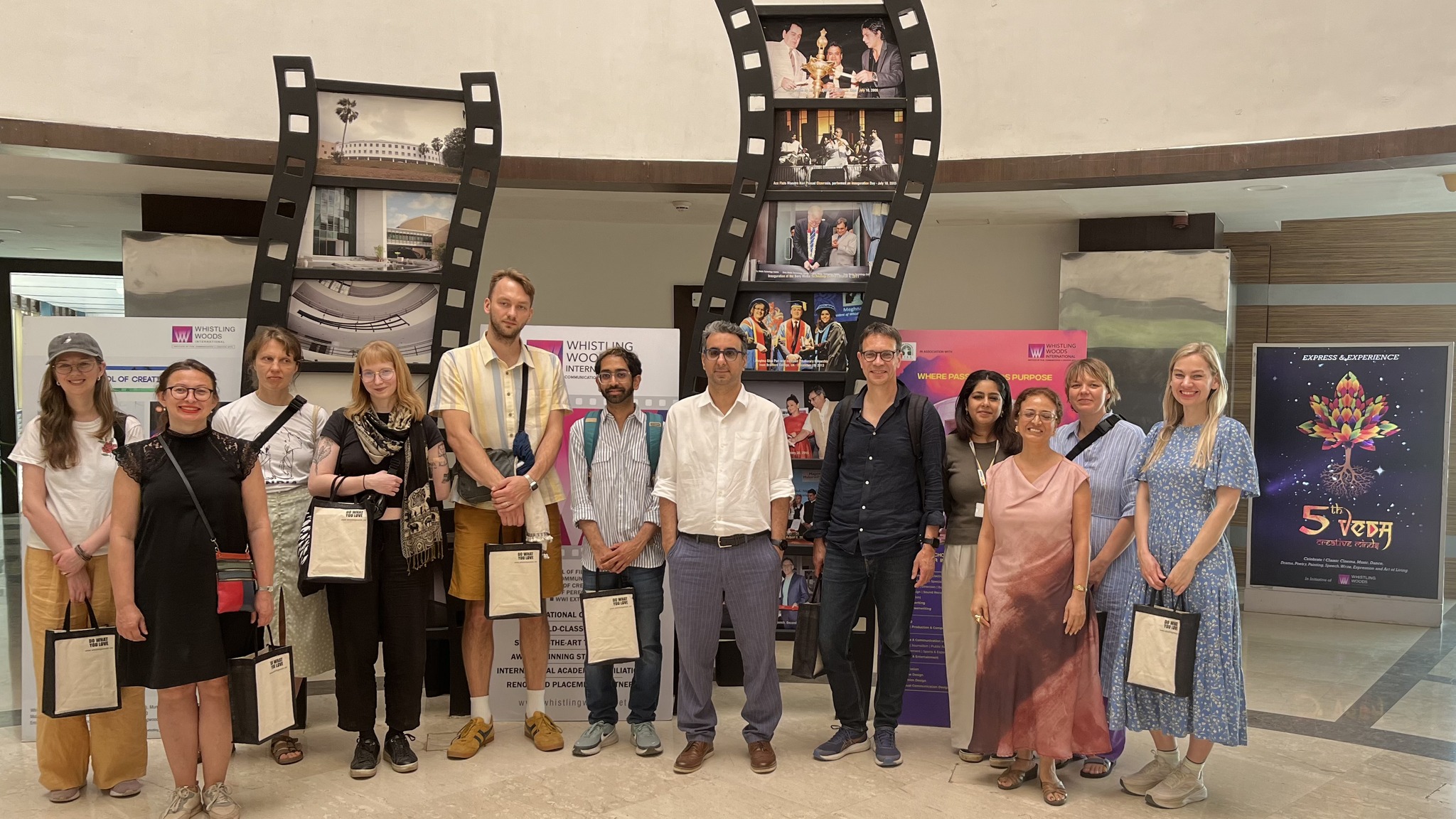
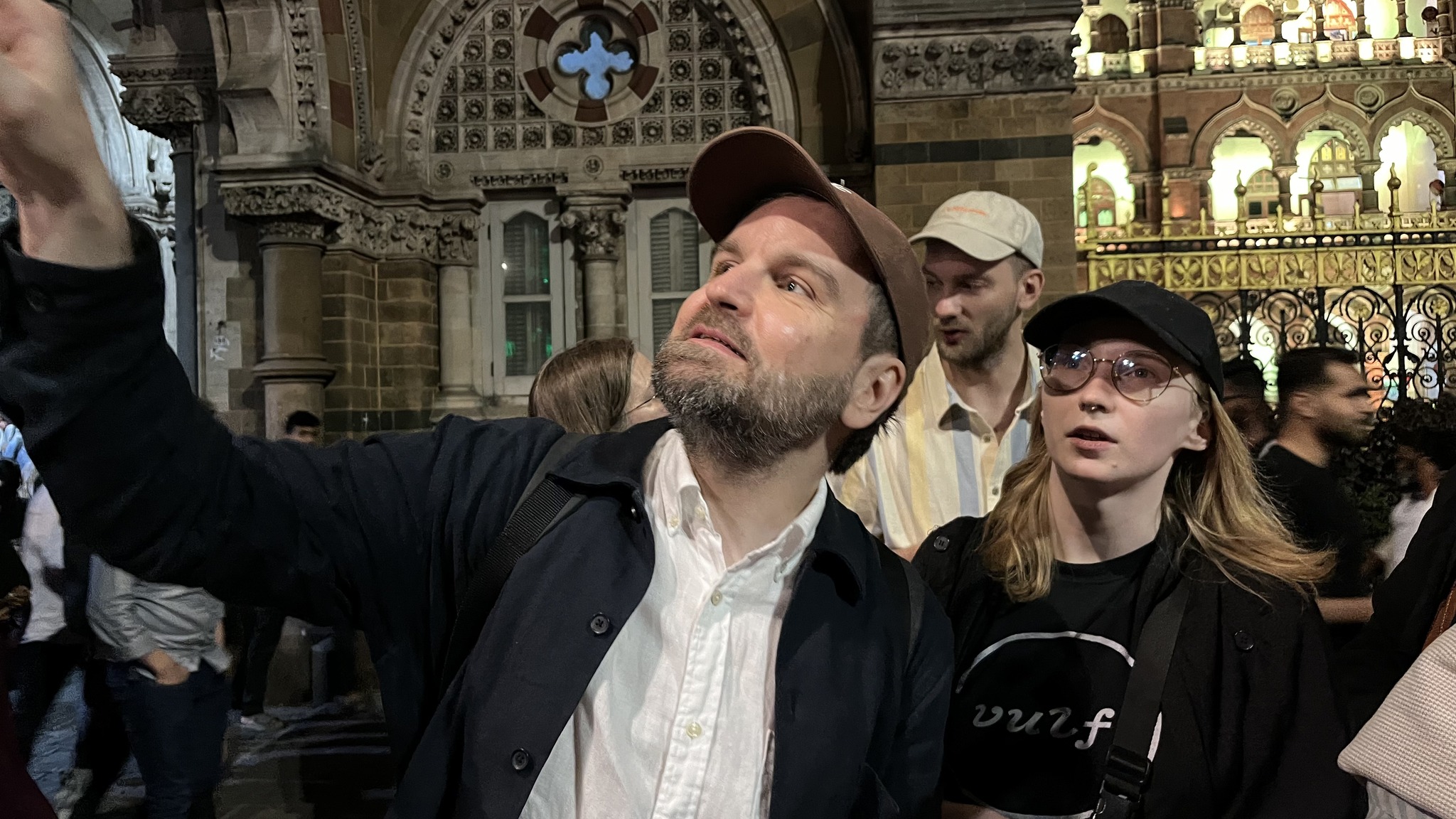
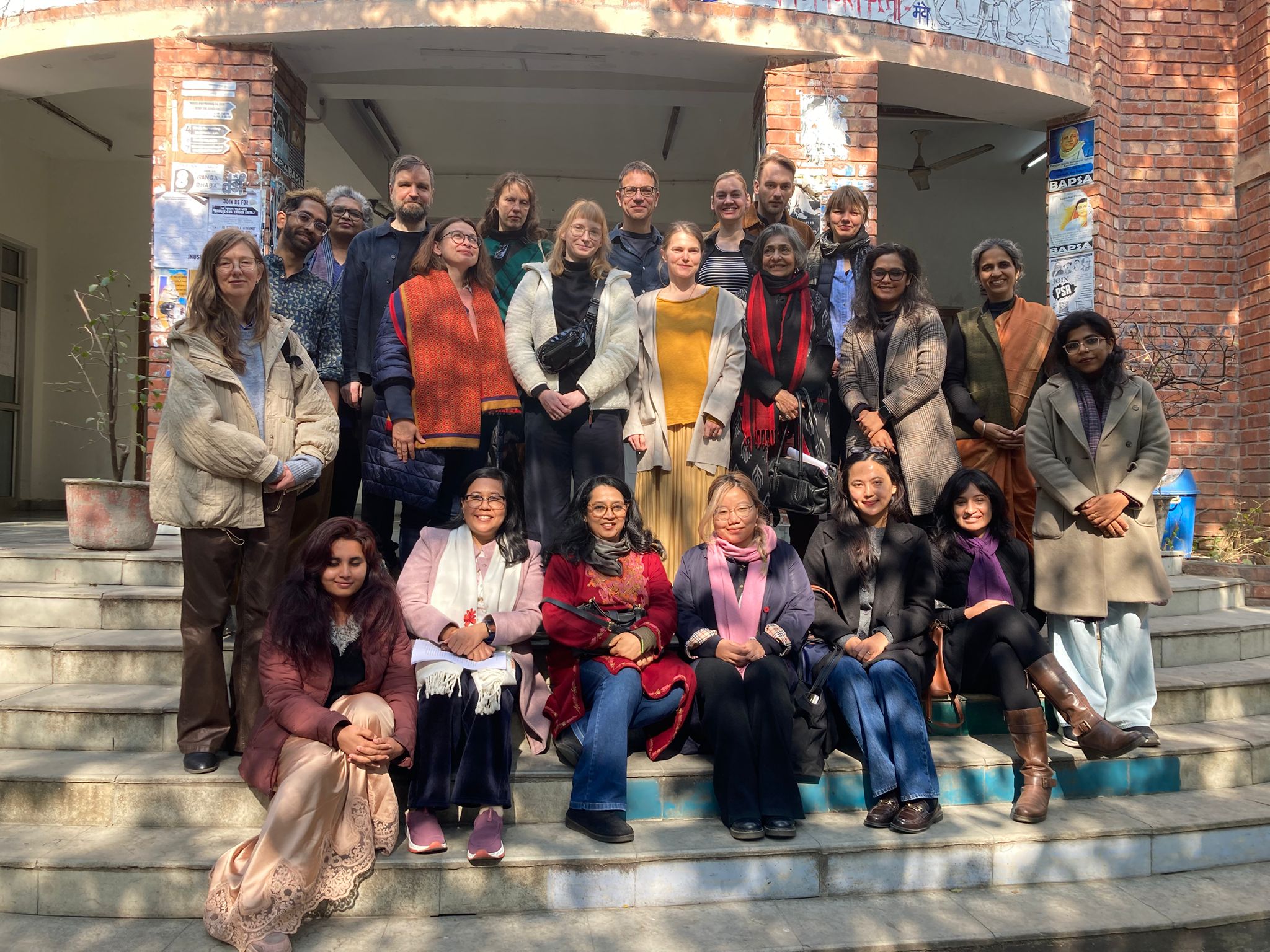
In January, doctoral students from the Institute of Art History and Visual Culture Studies went on a study trip to India, and visited five cities: New Delhi, Mumbai, Bengaluru, Shimla, Chandigarh. Naturally, we were very excited, as both the Indian art scene and everyday life there were practically unknown to us.
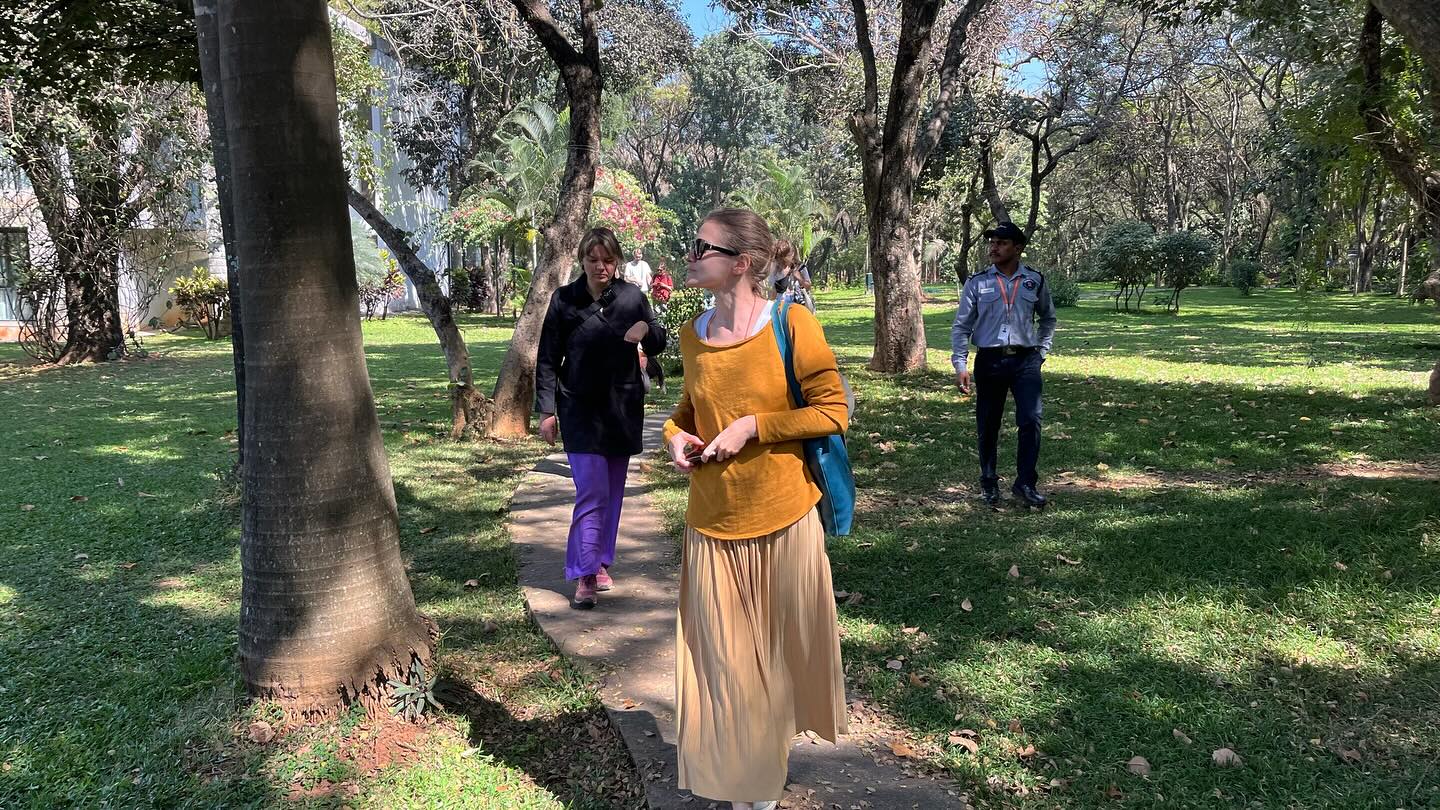
In New Delhi, an in-depth encounter with contemporary art took place at the NGMA (National Gallery of Modern Art) in Bengaluru, where one can see works by star artists such as Raja Ravi Verma, Jamini Roy, Amrita Sher-Gil, Rabindranath Tagore, and Arpita Singh. The gallery’s display includes Indian miniature paintings, colonial artists, the Bengal School, and post-independence artists whose work led to the emergence of modern and postmodern art.
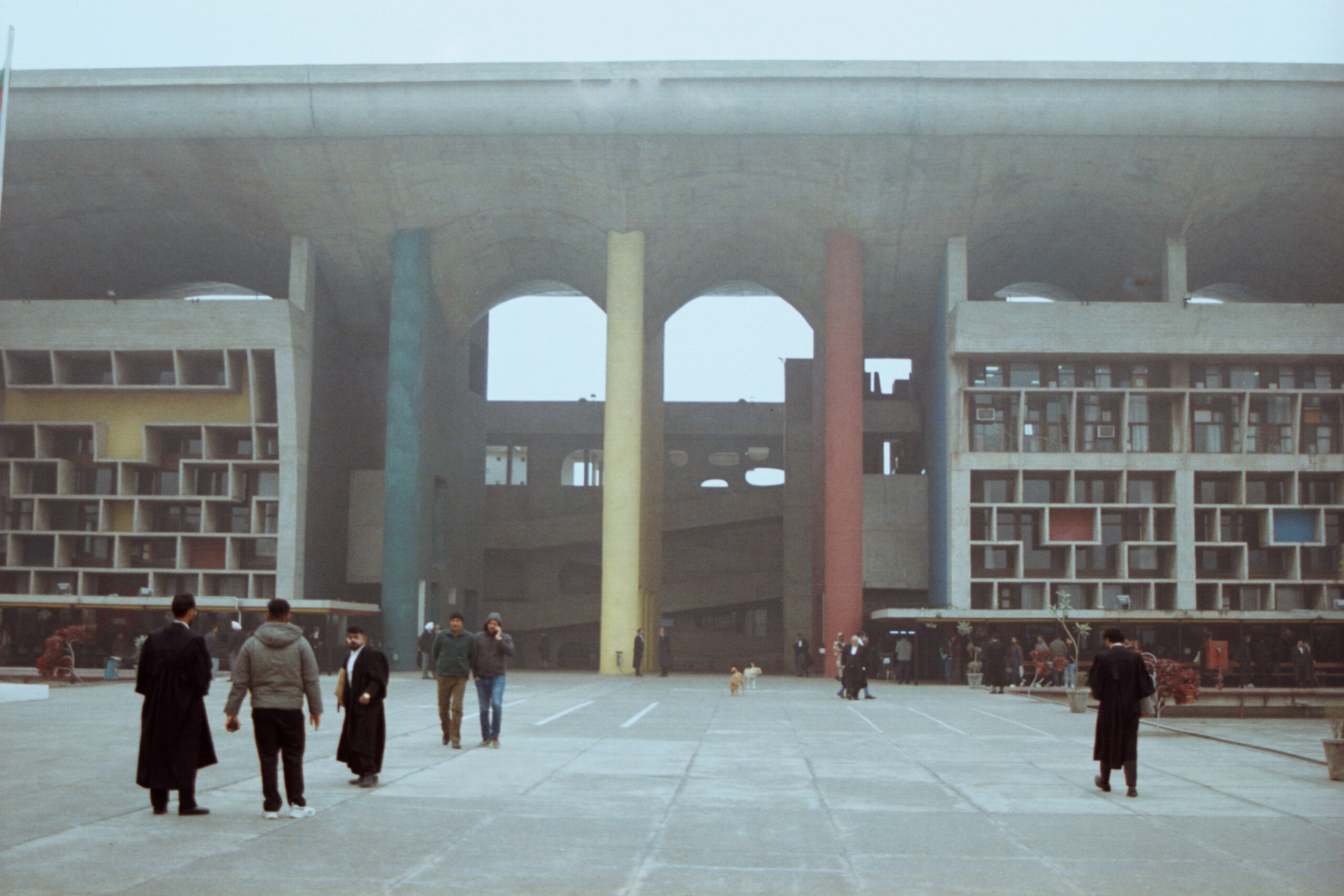
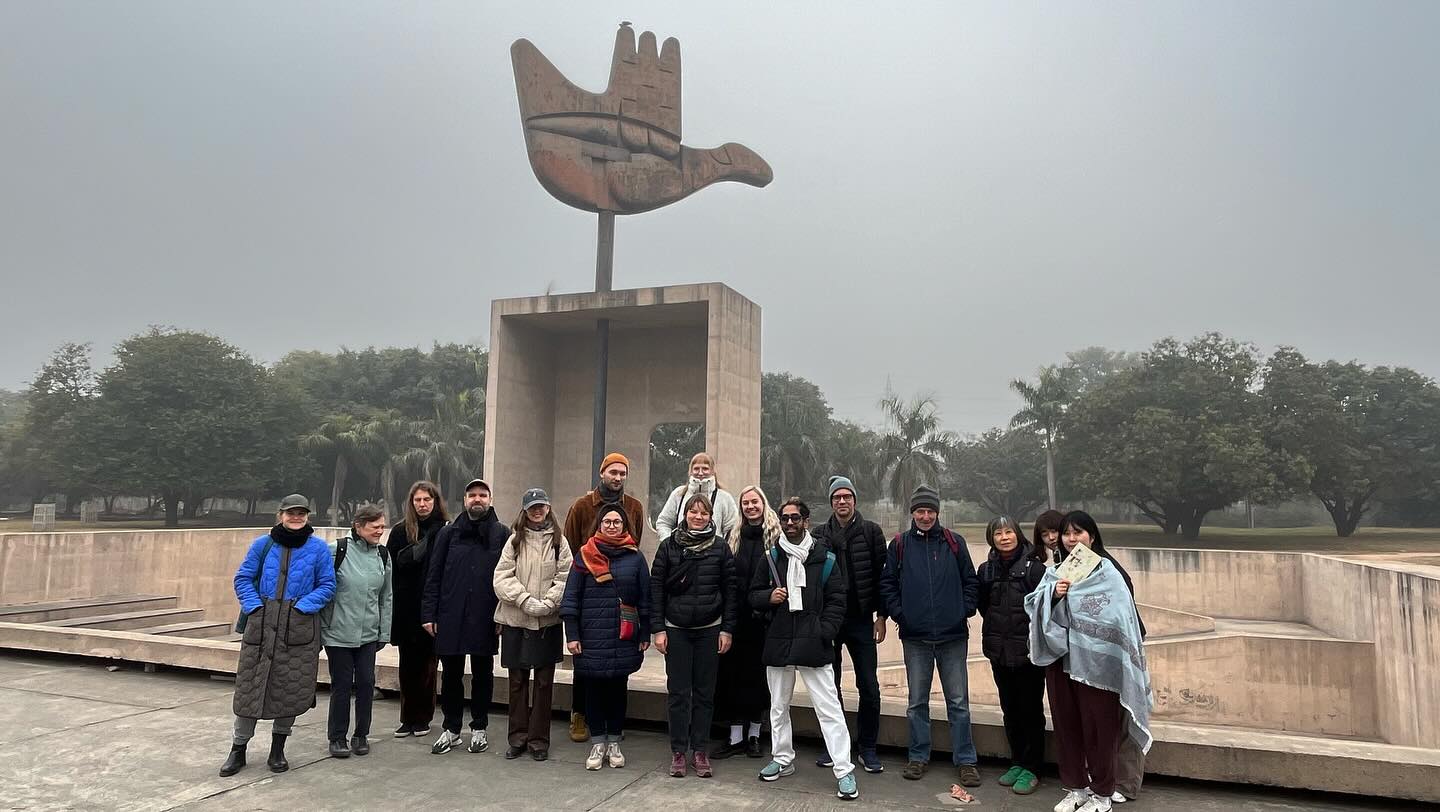
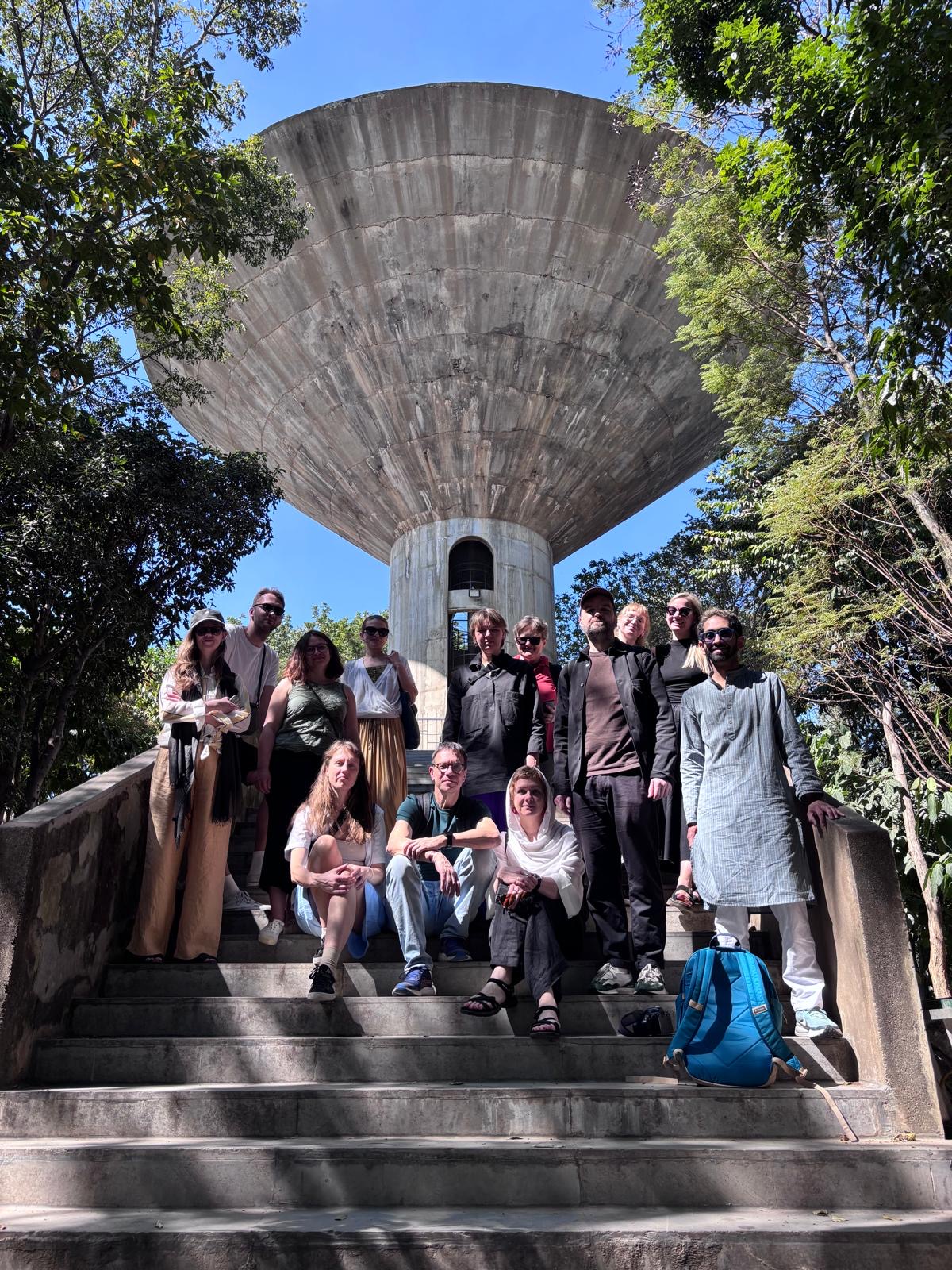
In Chandigarh, we experienced a form of imported modernism involving architectural marvels by Le Corbusier and Pierre Jeanneret. Designed by Le Corbusier, the city itself is a metaphor for the human body and divided into sectors based on a square plan, following India’s gruesome partition and the need for a new capital city of Punjab. Our visit included a guided tour to the Capitol Complex, a visit to the Chandigarh College of Architecture and The Chandigarh Government Museum and Art Gallery hosting one of the largest collections of Indian miniature pahari paintings.
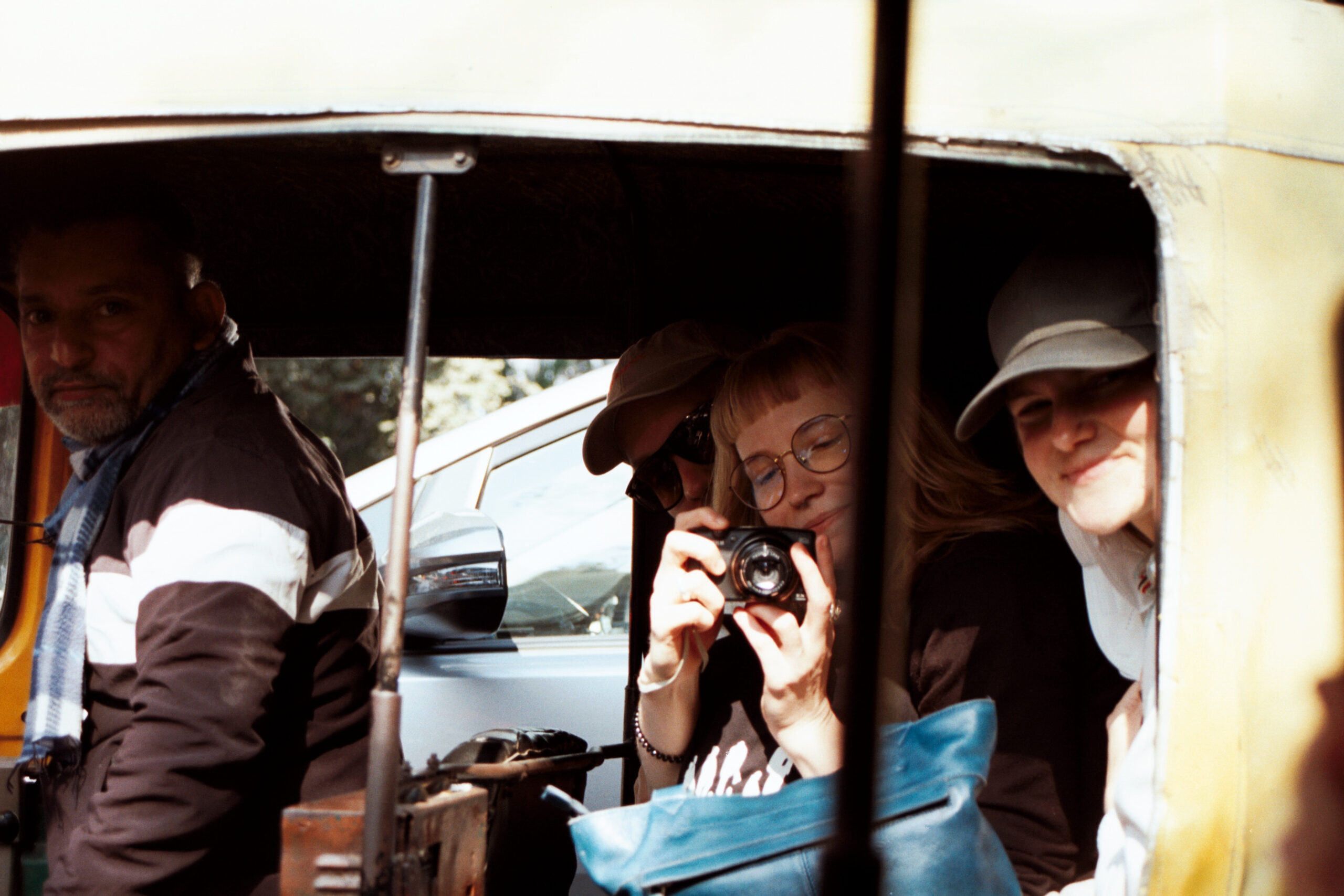
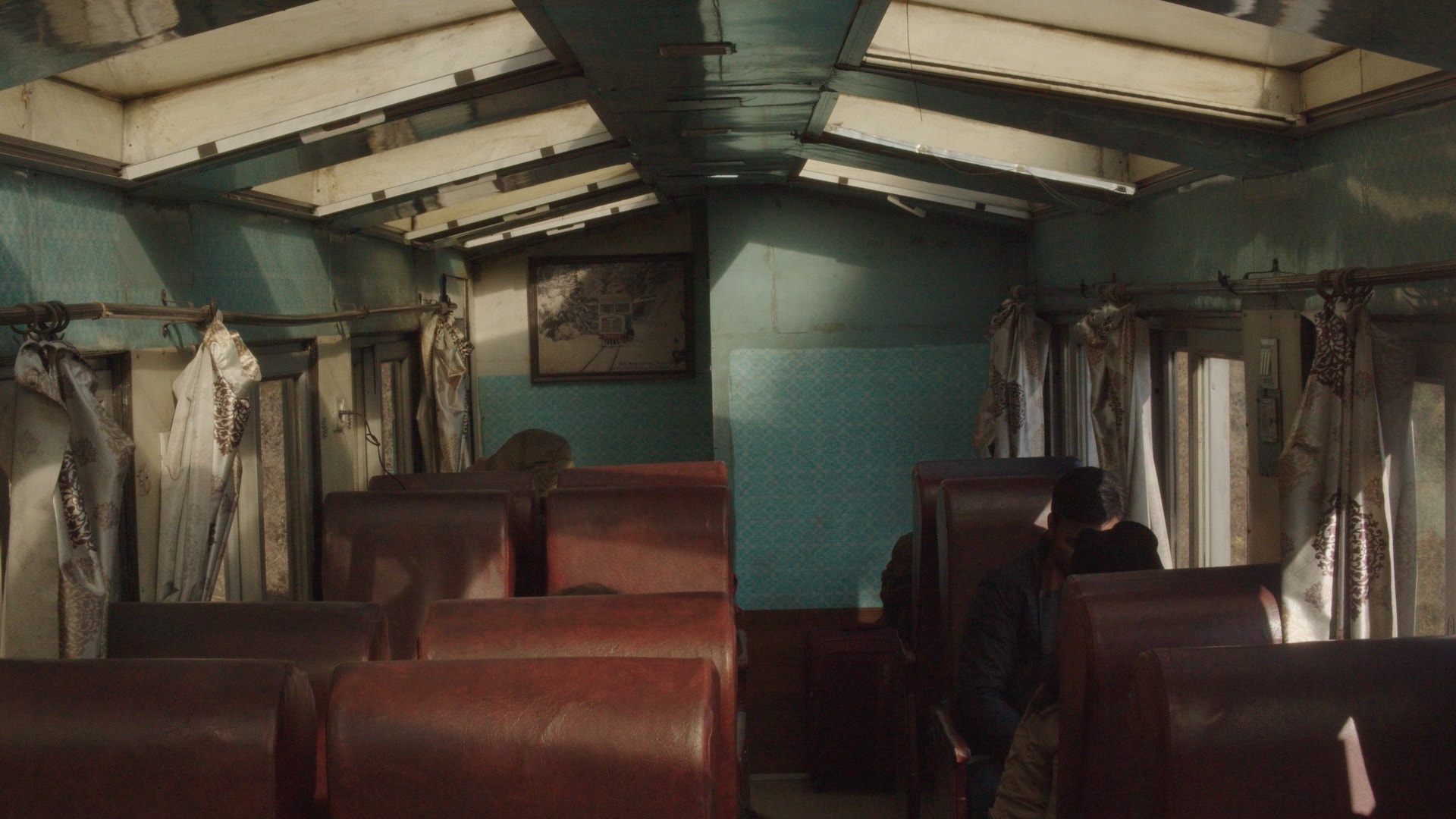
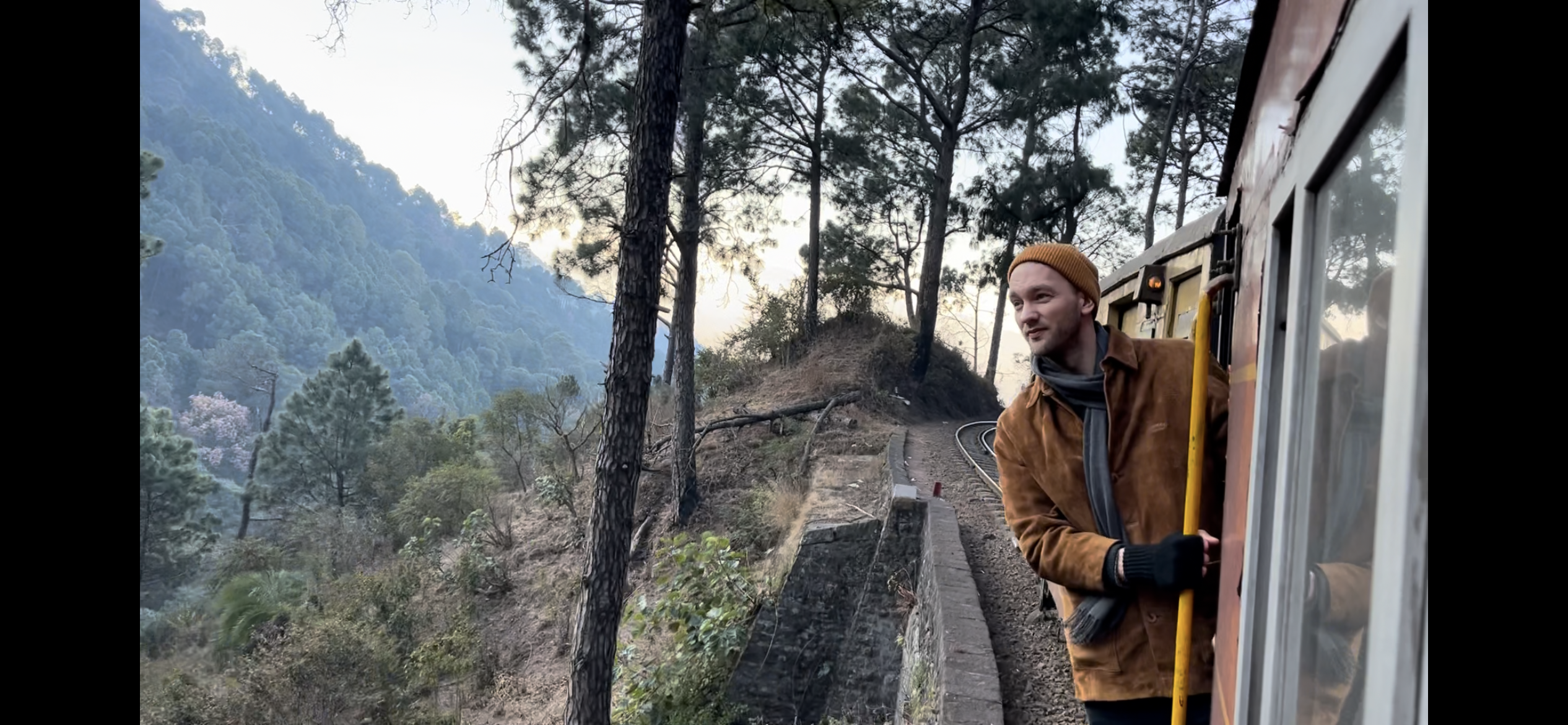
Among our experiences was also our journey to Shimla. Our train from Kalka, the Him-Darshan Express, was set to depart at 7 a.m. sharp, which meant that four of us – climbed into a taxi already waiting for us at our hotel in Chandigarh at around 5:30 a.m. Barely awake but full of excitement, we arrived at Kalka railway station in good time, eager to embark on a five-hour journey on the historic Kalka–Shimla Railway, which, as of 2008, has been designated by UNESCO as part of the Mountain Railways of India World Heritage Site. As we arrived at midday, we had two main destinations in mind before nightfall, located, of course, at opposite ends of the city – firstly, the Rashtrapati Niwas, formerly known as the Viceregal Lodge, and secondly, the Jakhu Temple on Shimla’s highest peak. As all good things came to pass, so did our short trip to Shimla. Early the next day, after a brief but brisk morning walk around town, we began heading back to Chandigarh to board a plane to Bengaluru later that day. On our return drive, this time by car, we passed through numerous highways in various stages of construction and witnessed first-hand the large-scale infrastructural development reshaping the foothills of the Himalayas.
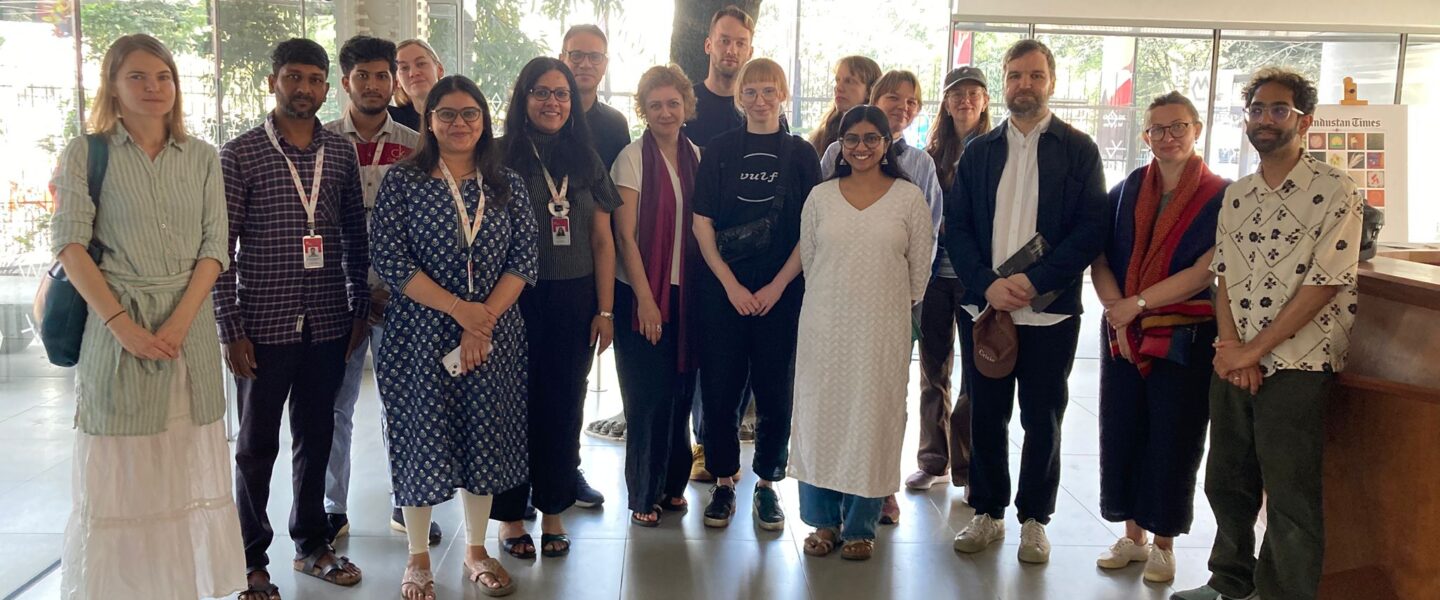
In Bengaluru, we visited the MAP (Museum of Art and Photography), where we found in a catalogue from their previous exhibition, VISIBLE/INVISIBLE: Representation of Women in Art Through the MAP Collection from their museum shop. We also had the opportunity to attend the museum’s annual festival, where their second permanent exhibition, Beneath theTurning Sky, was opened, and to meet museum professionals with whom we exchanged impressions of Estonian and Indian museum practices.
The study trip was attended by doctoral students of art history and visual culture studies: Kadri Mägi, Rahel Aerin Eslas, Kristiina Aarna, Marten Esko, Tiiu Saadoja, Maija Rudovska and Anneli Porri.
The trip was also attended by Prof. Virve Sarapik, Dr. Ingrid Ruudi, Matthias Jost and Associate Prof. Kristina Jõekalda.
The trip was organised by Rahul Sharma and Prof. Andres Kurg.
The text is written by Kristiina Aarna and Marten Esko.
The photos are by Rahul Sharma, Kristina Jõekalda, Kadri Mägi and Ingrid Ruudi.
The trip was co-funded by