Systems of Unrest: Estonian and Finnish Art Students Respond to Contemporary Anxieties
For the first time, the Estonian Academy of Arts and Aalto University School of Arts, Design and Architecture join forces at Ars Electronica Festival 2025, presenting “Systems of Unrest” in the Campus exhibition area from September 3-7 in Linz, Austria.
This collaborative exhibition brings together five interdisciplinary installations that interrogate how bodies maintain agency when technological systems oscillate between play and panic – a direct response to the festival’s provocative theme “Panic. Yes or No?”
Students and mentors from Contemporary Art, New Media, Interaction Design and Product Design have created works that span sensor-driven sculptures, motion-captured avatars, VR experiences, and visceral video pieces. Through gaming culture, eating disorder discourse, climate anxiety, and puppet folklore, these emerging artists reveal the socio-political tremors that arise when digital and physical interfaces misbehave. Each installation invites visitors to become both observers and participants, engaging with erratic projections, kinetic dolls, cooperative virtual quests, and responsive audiovisual environments. The exhibition asks whether presence and gesture can transform panic into shared agency, turning uncertainty into a space for play, discomfort, and reflection. This collaboration showcases how students from Estonia and Finland are developing new languages to articulate contemporary anxieties, while demonstrating the power of cross-border creative partnerships in addressing universal concerns about technology’s impact on human experience.
Threshold State
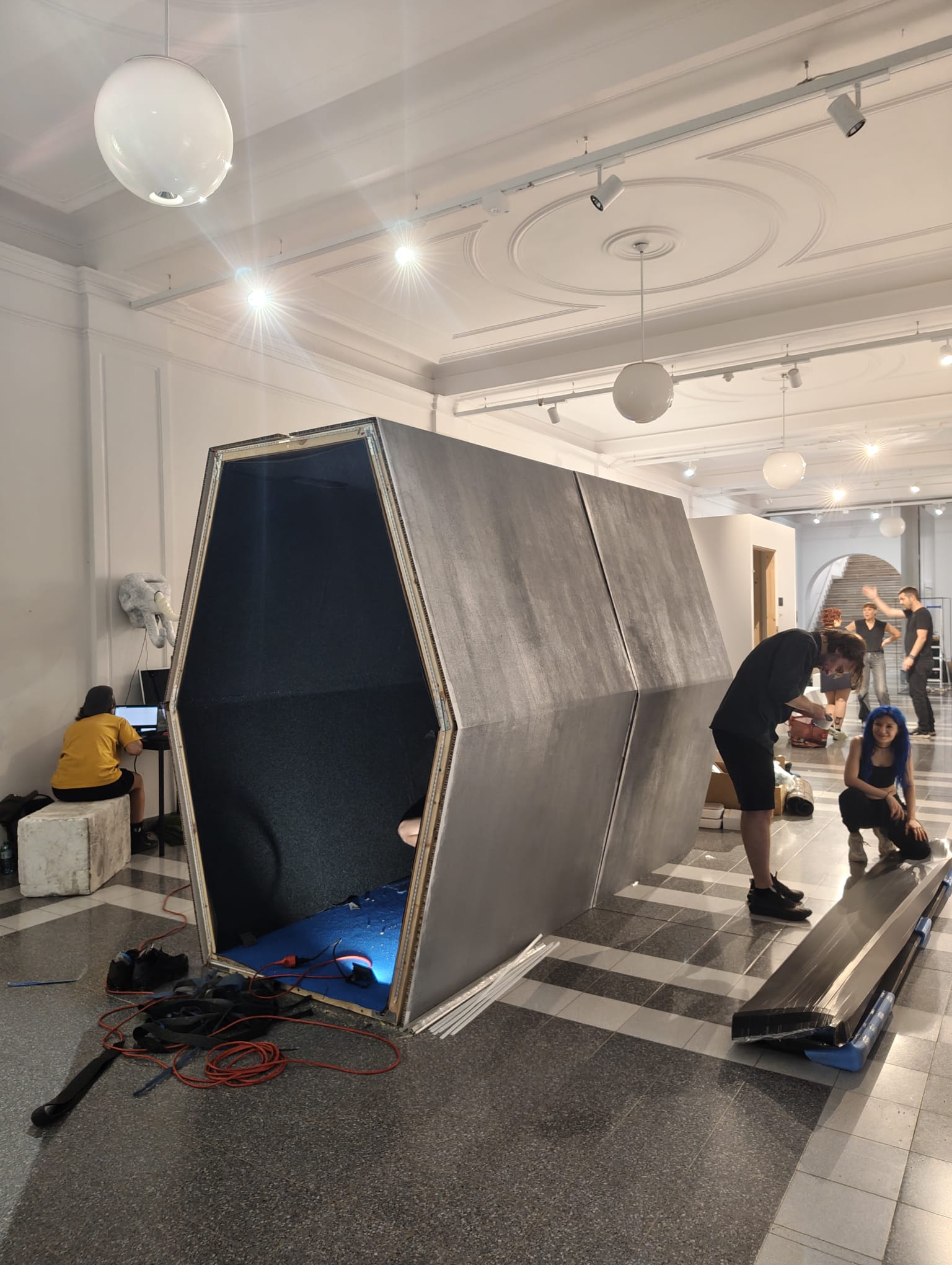
Threshold State is an interactive installation that stages a futuristic border checkpoint to explore surveillance, privacy, artificial intelligence, and state control. Visitors step into a custom-built booth, submit basic personal data, and undergo an AI-powered screening. The system scans public information, applies algorithms, and delivers a binary decision: approval or denial.
The work confronts urgent questions about digital privacy, the ethics and biases of AI, and the politics of borders and identity. By simulating automated authority, Threshold State provokes reflection on how surveillance and loss of agency shape our emotional responses in today’s digital society.
Students/Artists (Industrial and Digital Product Design BA, Interaction Design MA): Erik Lond, Tõnis Bender, Ezgi Okka, Mia-Mai Roosberg, Luiza Stibe, Paul Pank, Karl-Alder Kuivjõgi.
Supervisors: Tanel Kärp, Ottavio Cambieri, Carol Tikerperi, Björn Koop.
Animating Elephant
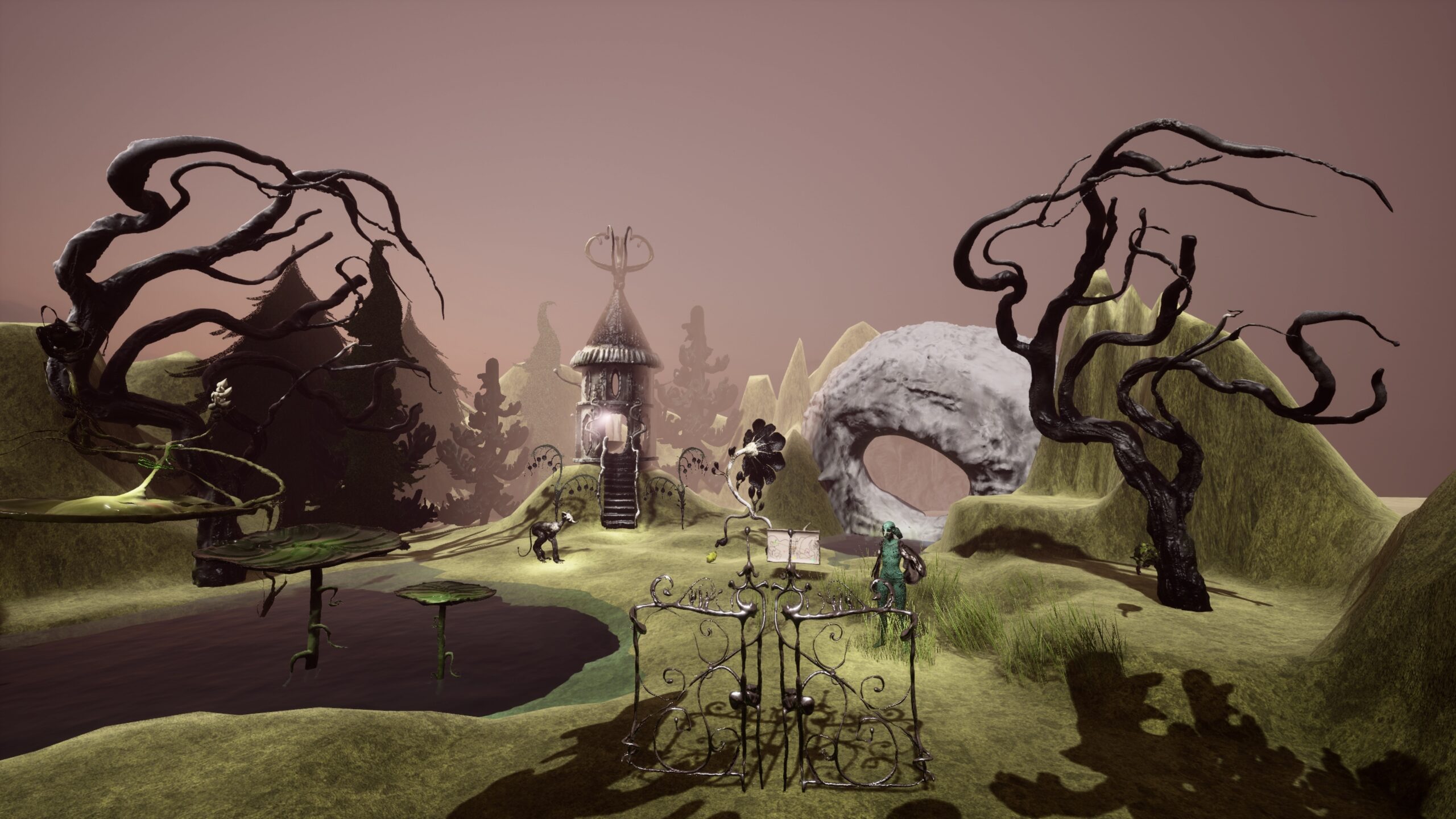
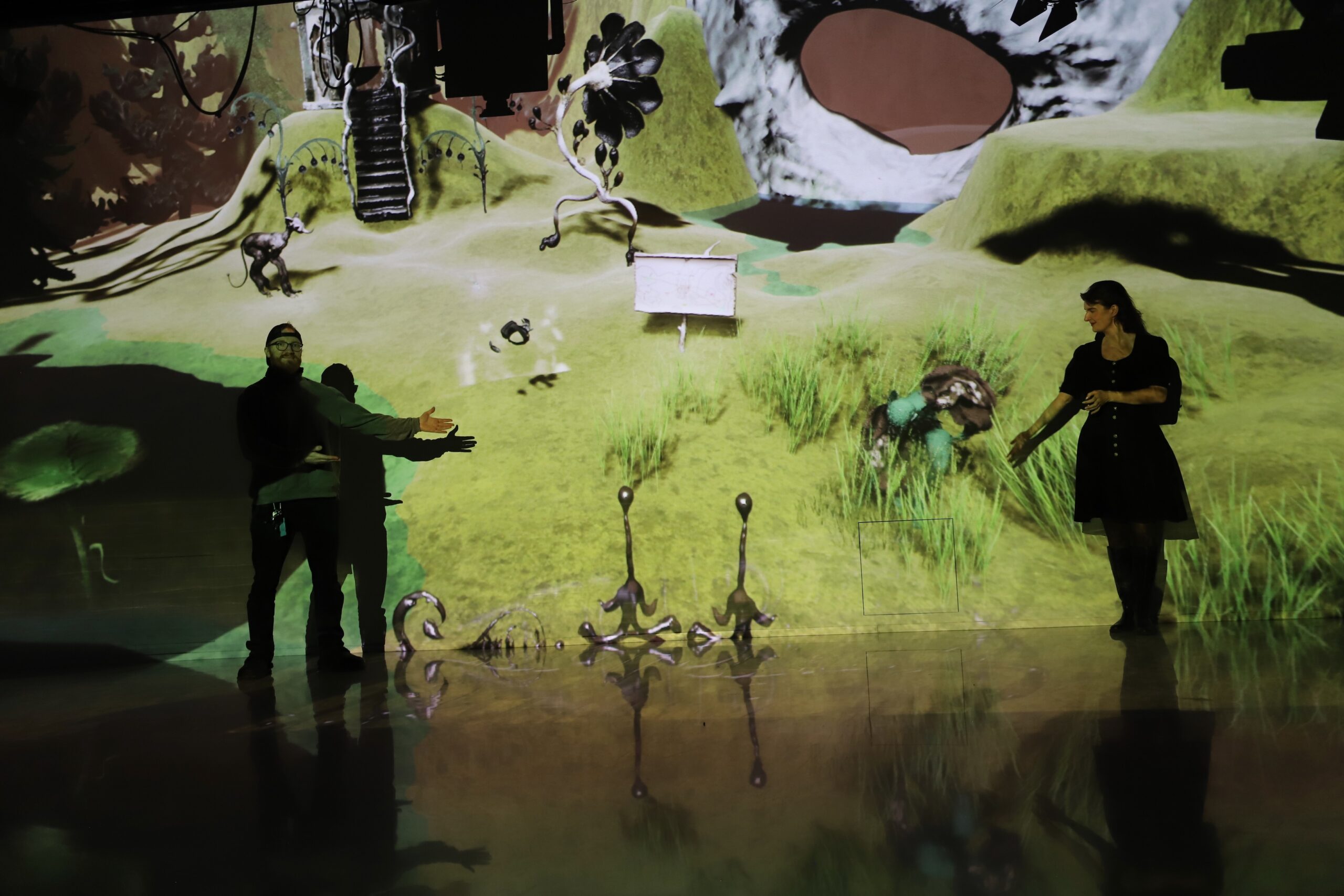
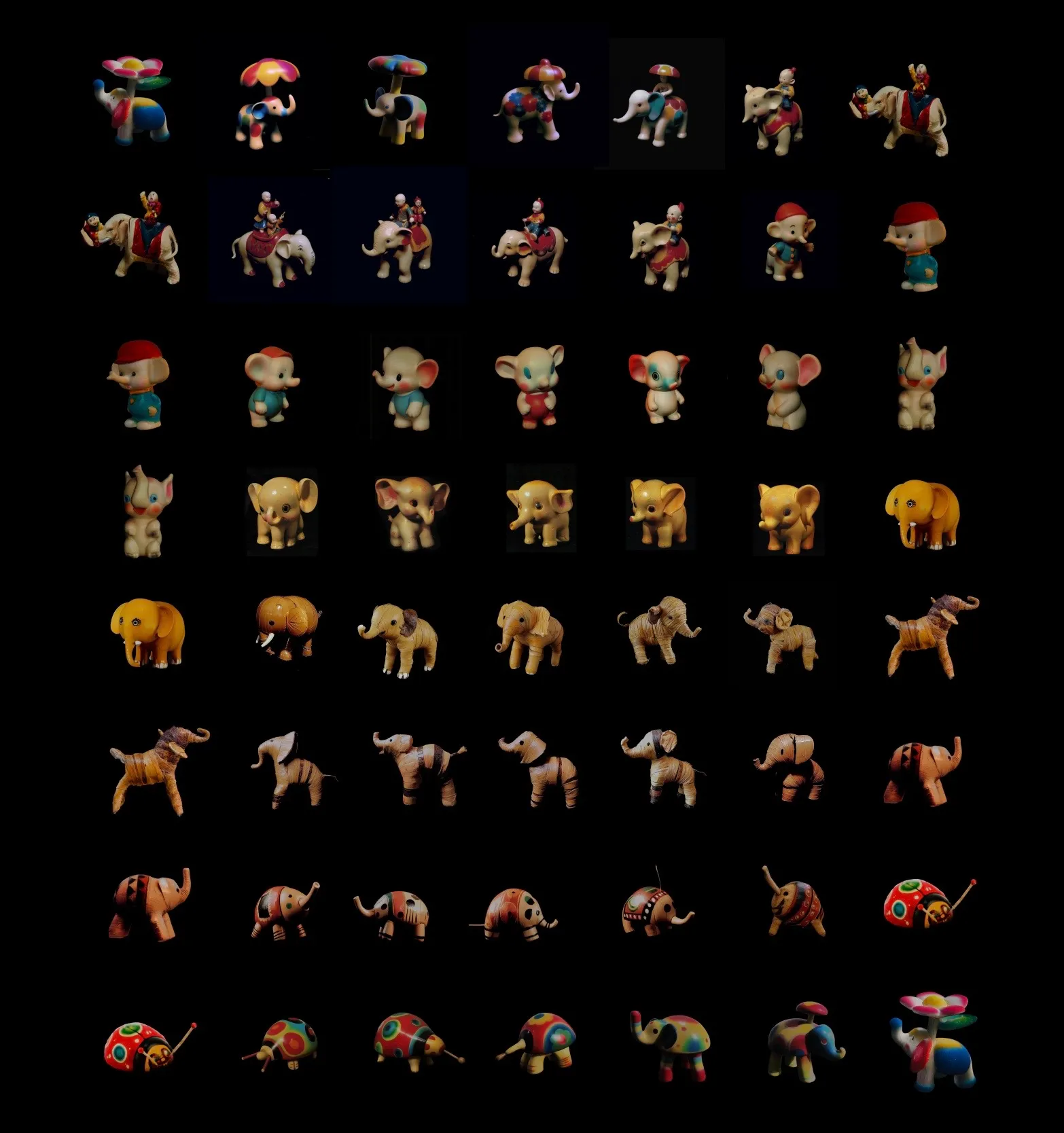
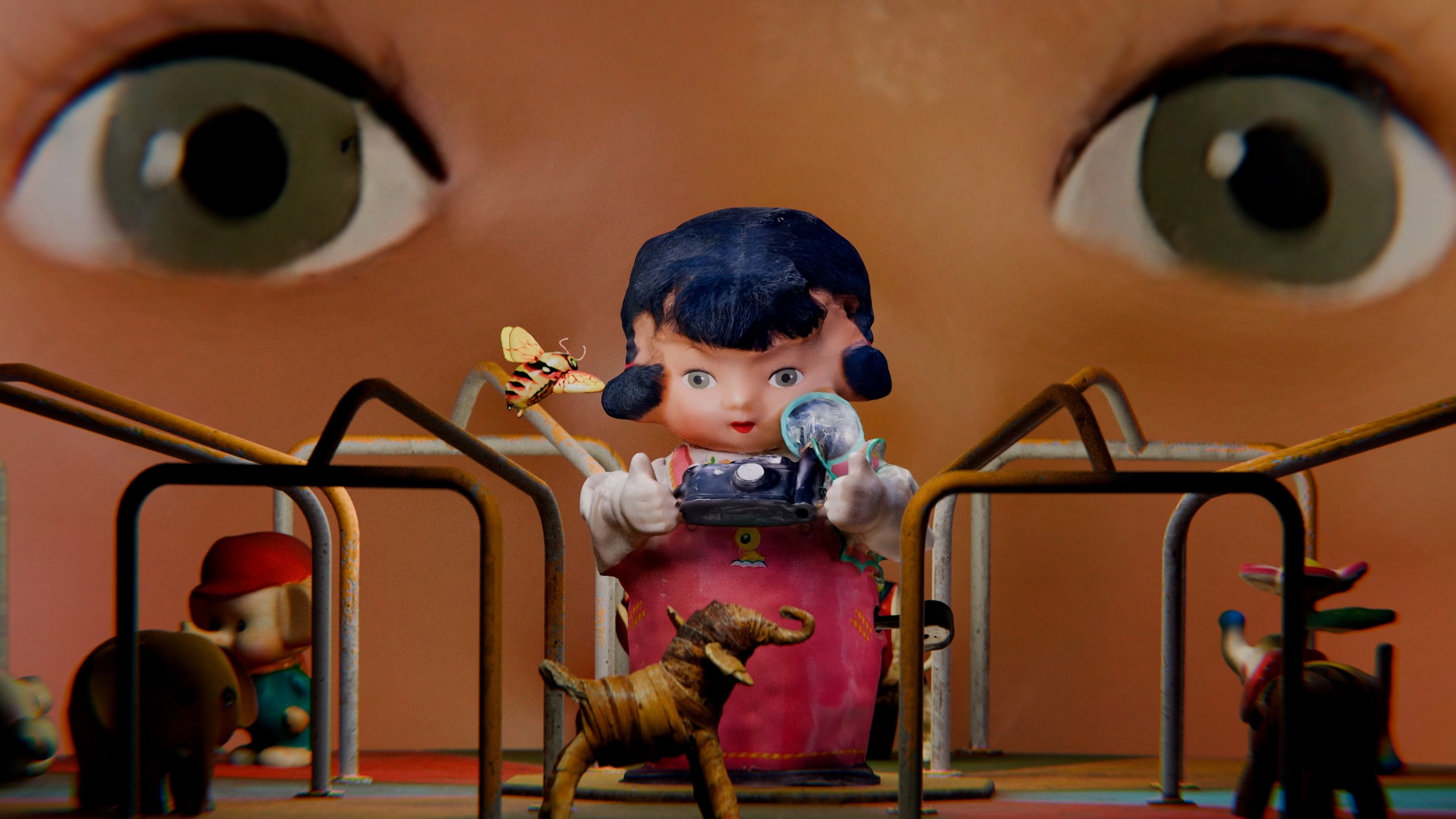
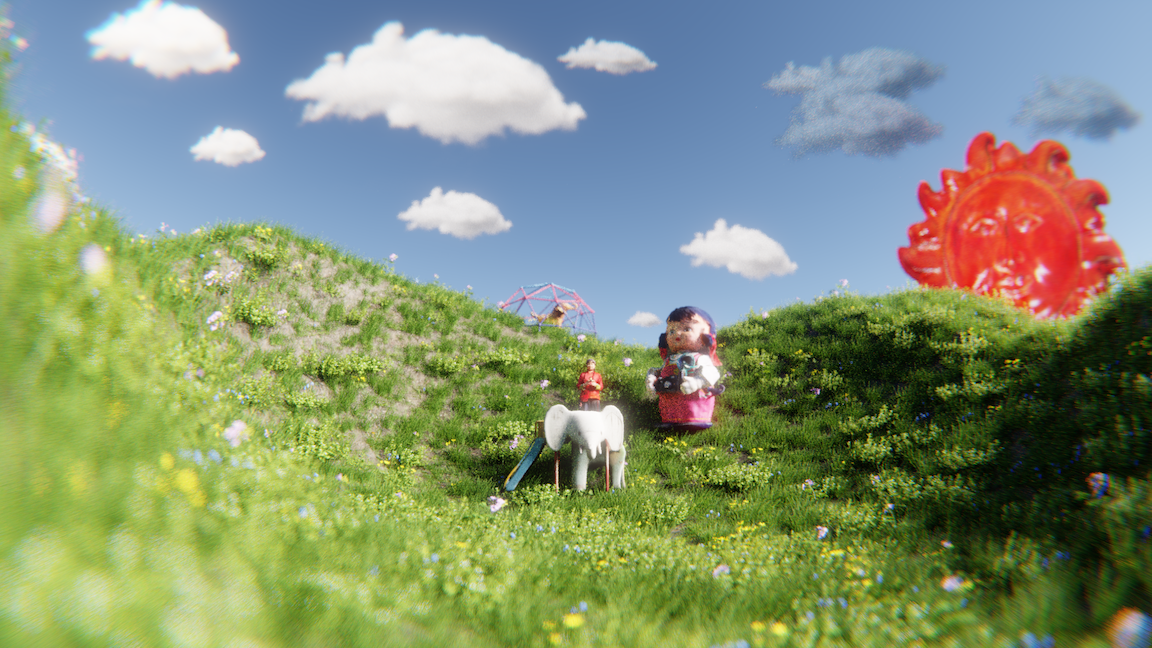
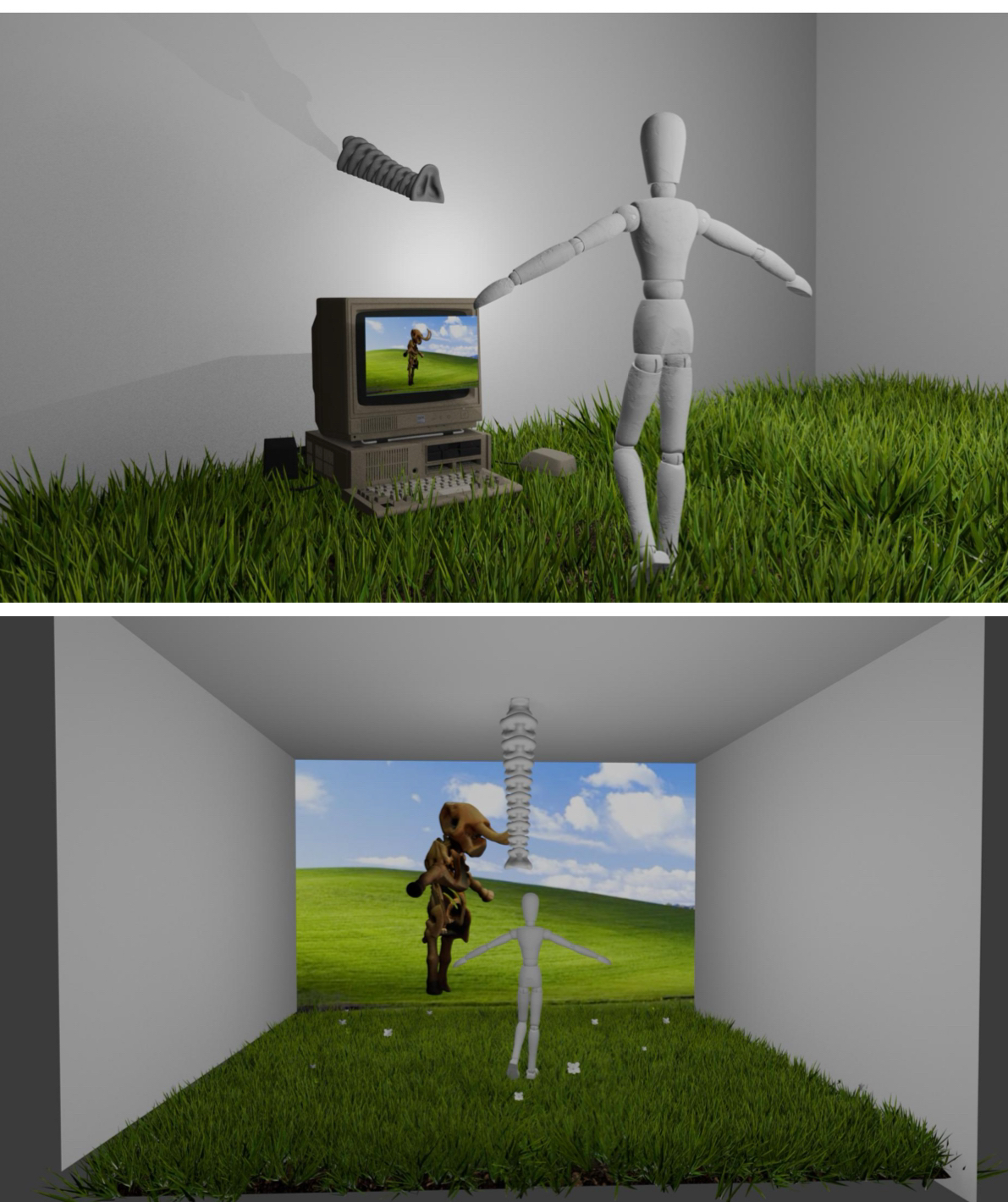
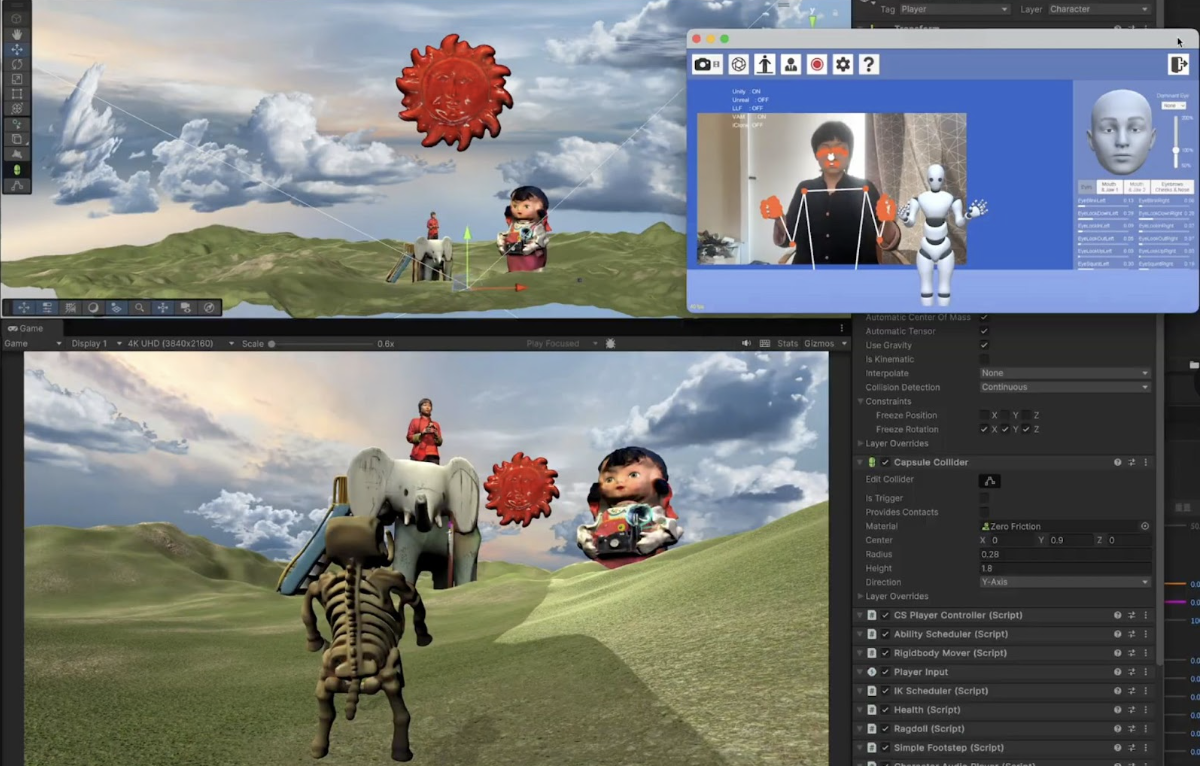
A motion‑captured gestures animate a kinetic doll and a game‑engine avatar, blending mourning ritual with videogame joy.Animating Elephant is an interactive installation combining embodied digital puppetry, AI-generated visuals, and 3D-scanned antique toys of dolls and elephants. Visitors navigate through a cyclical adventure—exploring liminal spaces between reality and imagery, inspired by the symbolic meaning of the “Elephant 象 (Imagery)” from the Chinese Yijing. Join the playful ritual; welcome to the elephant’s funeral, and step into the World of Imagery.
Students/Artists: Yiyang Sun (Estonian Academy of Arts, Contemporary Art MA), Ariana Marta (Aalto University – School of Arts, Design and Architecture, New Media MA).
Supervisors: Taavi Varm (Estonian Academy of Arts, New Media Department), Matti Niinimäki (Aalto University – School of Arts, Design and Architecture, New Media MA).
Project manager: Kaia-Liisa Jõesalu (EKA)
Rigged
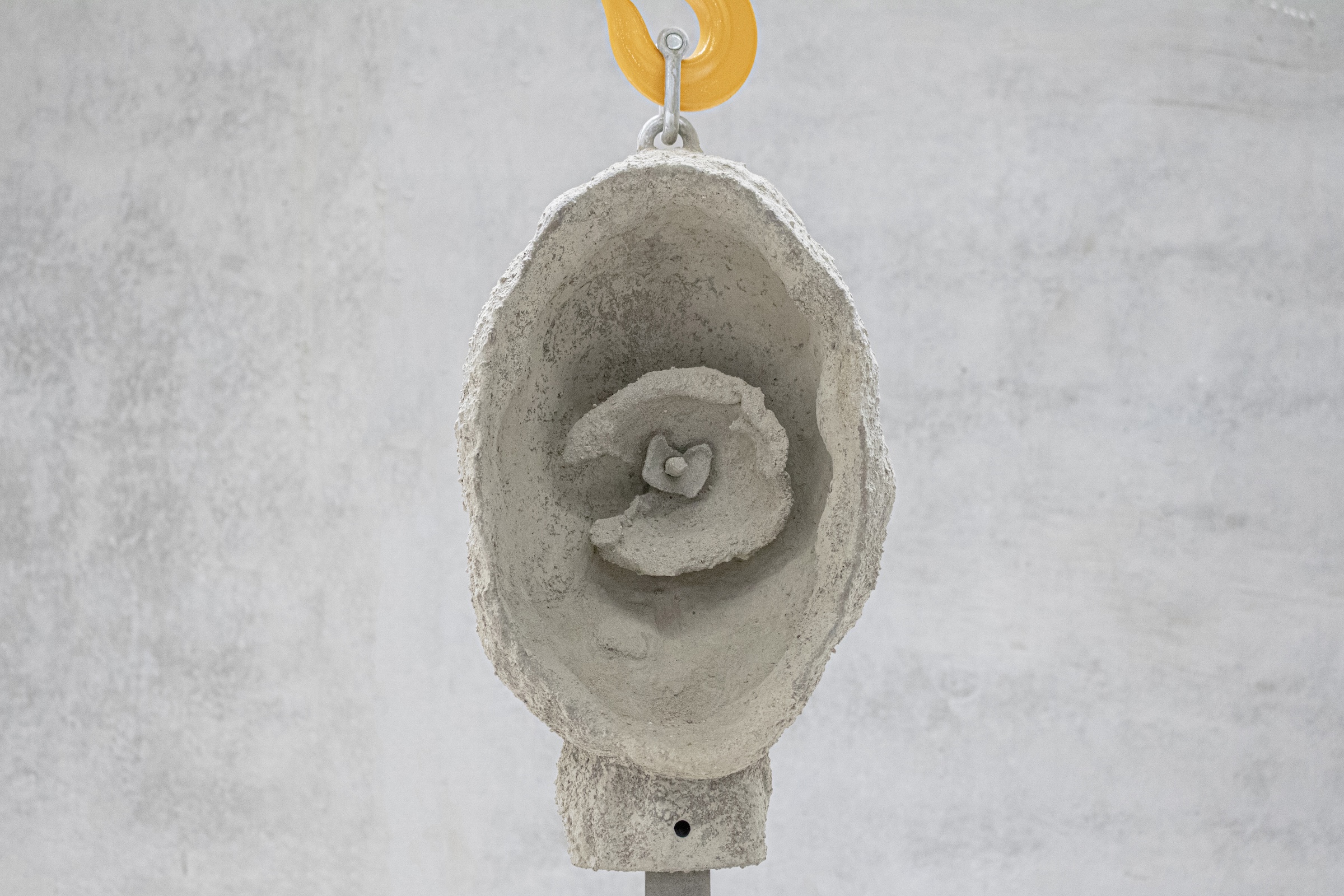
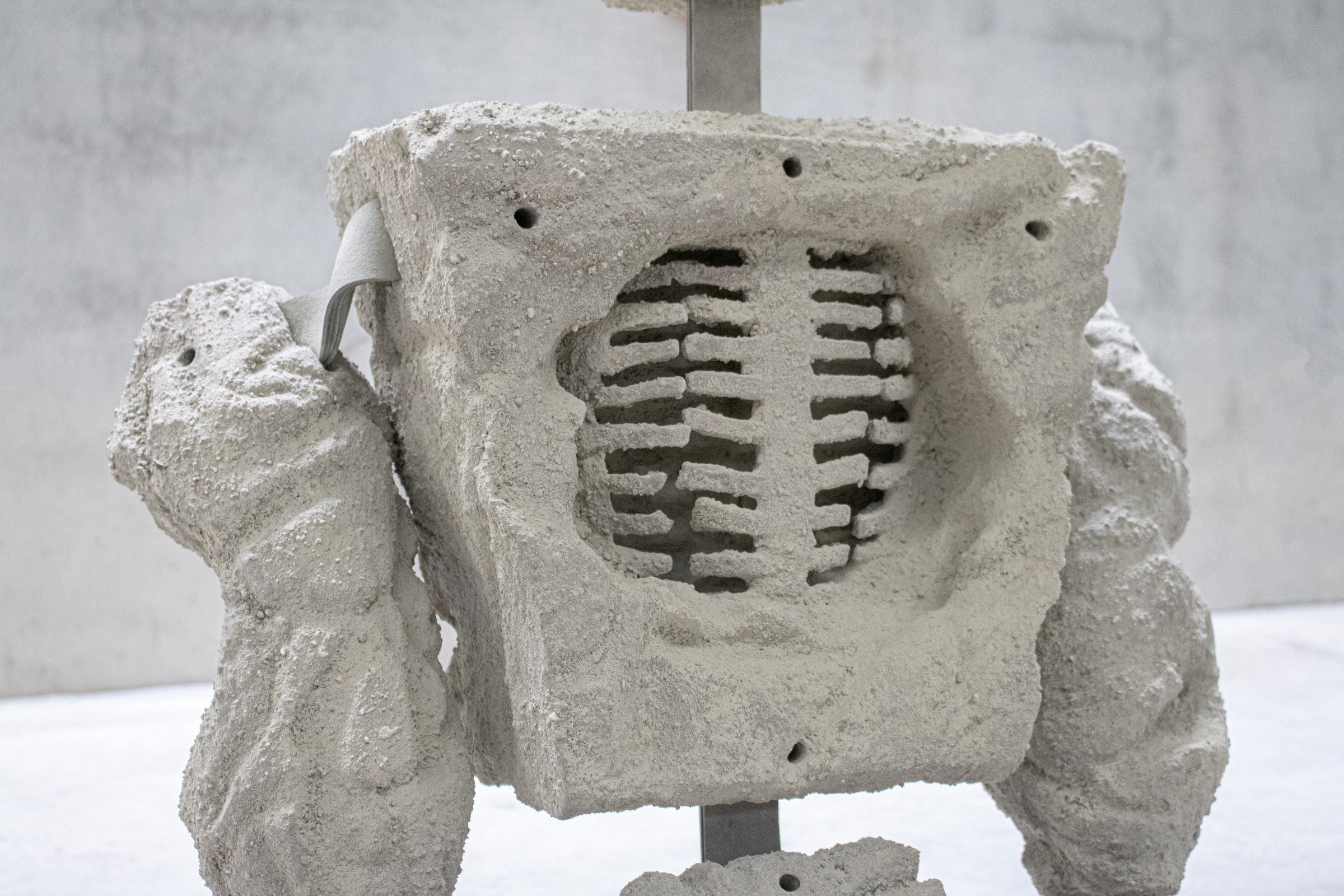
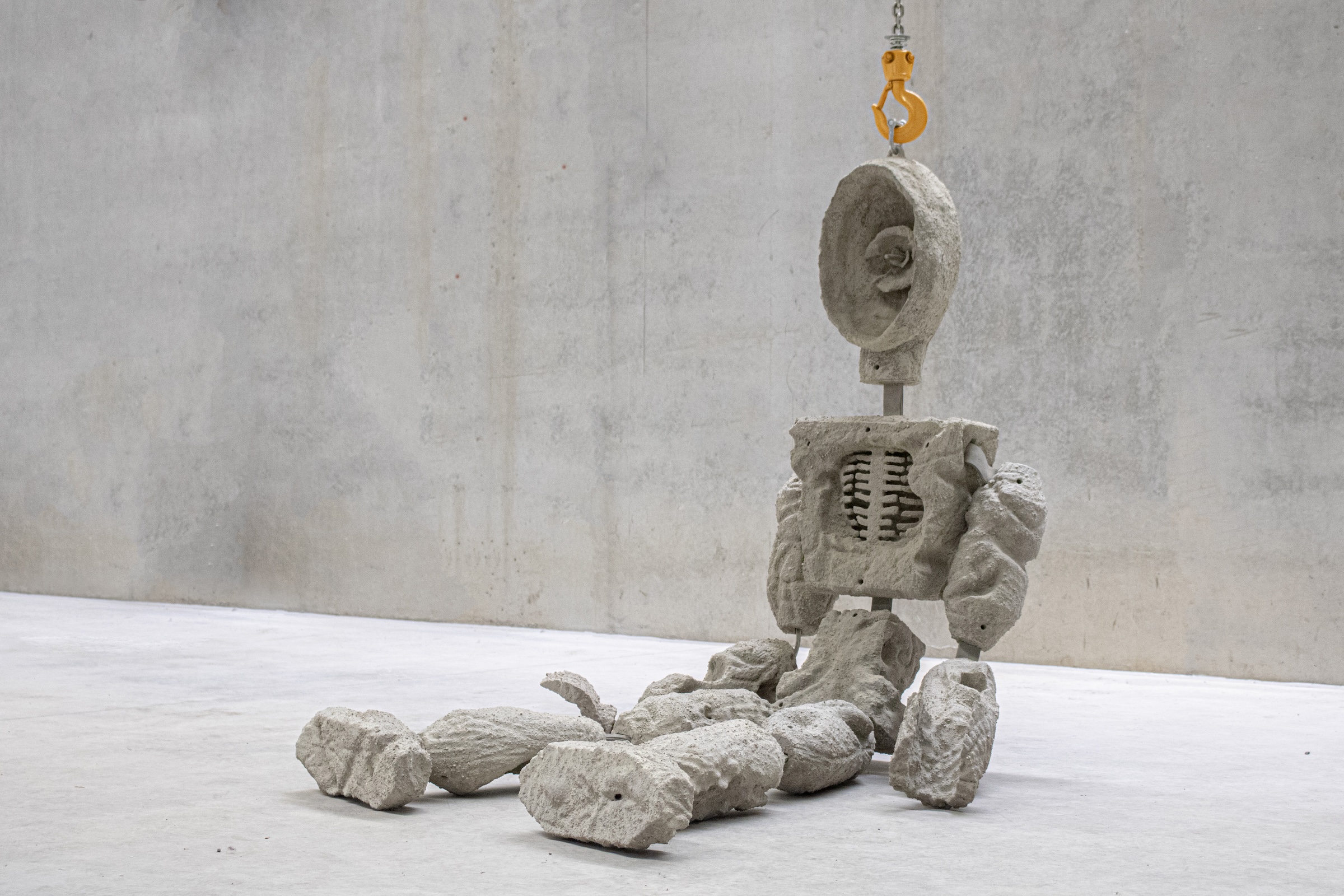
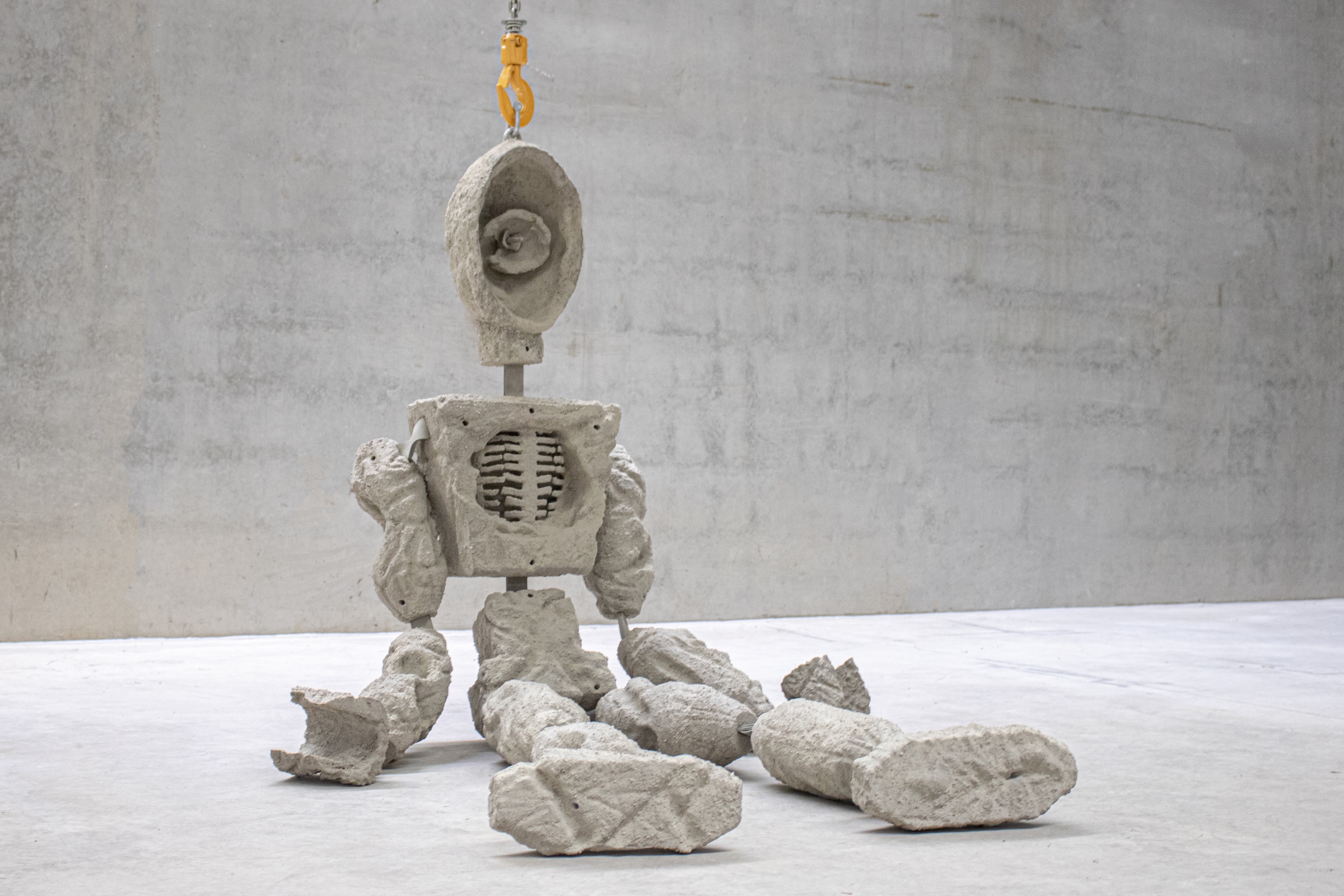
Rigged is a clock‑ticking marionette, which hangs from one chain while a 4 K film loops its fall, folding time, gravity, and Memory.
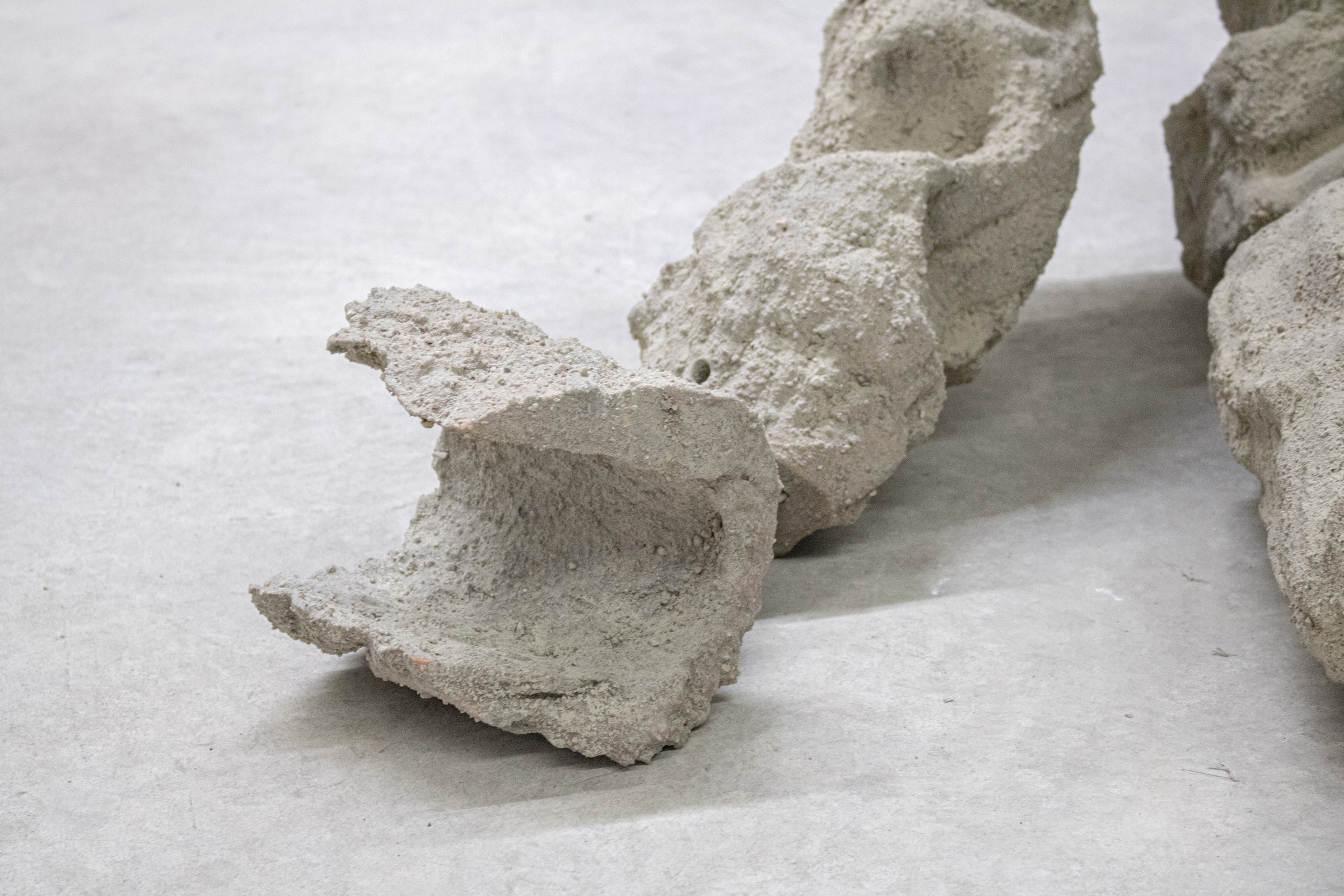
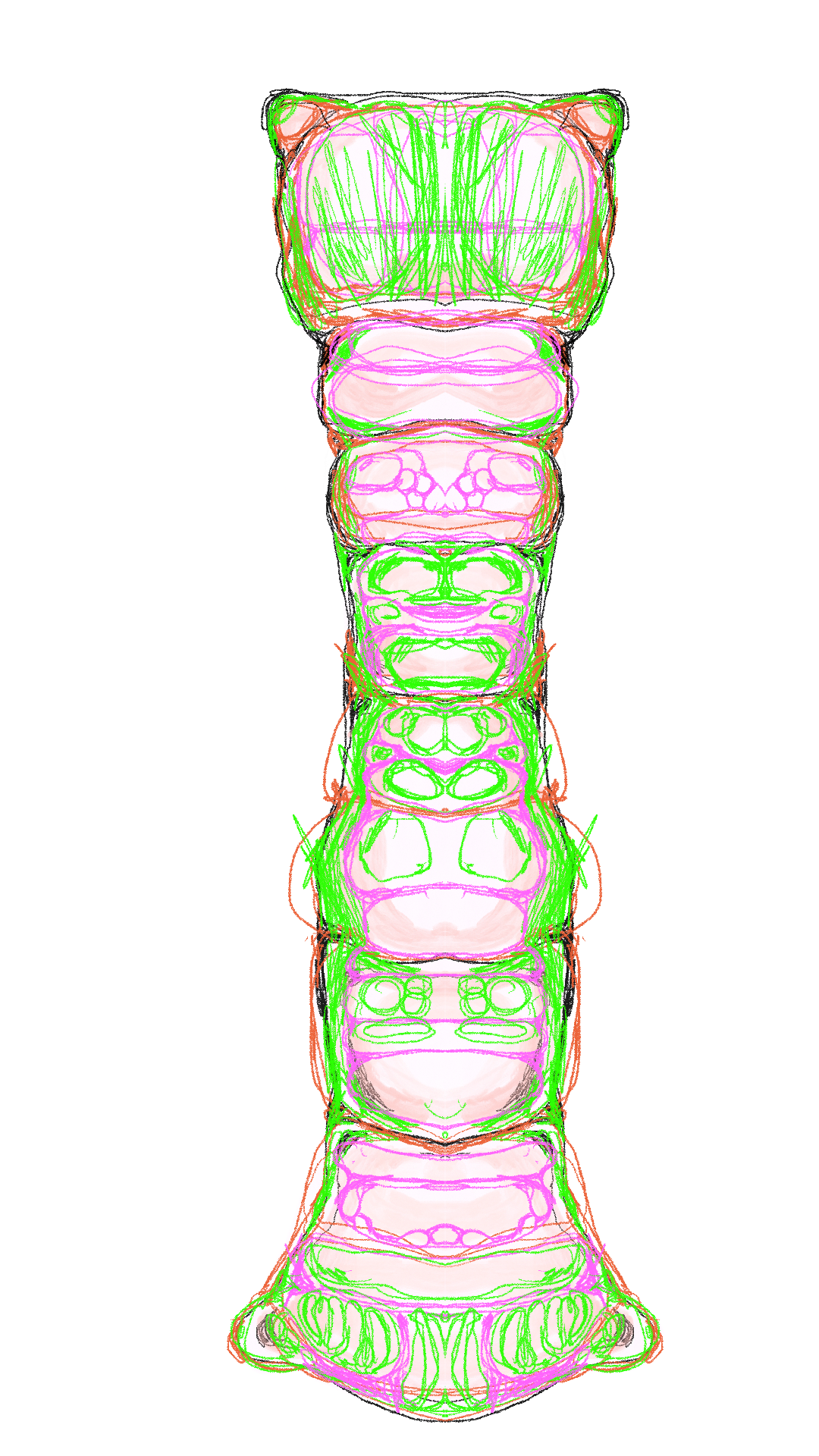
Rigged by Bob Bicknell-Knight is a human-scale sculpture exploring control, time, and decay. Suspended by a single chain, the marionette-like figure has a hollow head with a ticking, lily-shaped clock and exposed ribs inspired by a childhood tree. Merging digital and physical forms, it evokes themes of helplessness, memory, and the passing of time through playful yet haunting references to toys, video games, and mortality. Artist/ Student: Bob Bicknell-Knight (Estonian Academy of Arts, Contemporary Art MA)
Supervisor: Camille Laurelli (Estonian Academy of Arts, New Media)
Technical support: Hans Gunther Lock (Estonian Academy of Arts, New Media) Project manager: Kaia-Liisa Jõesalu (EKA)
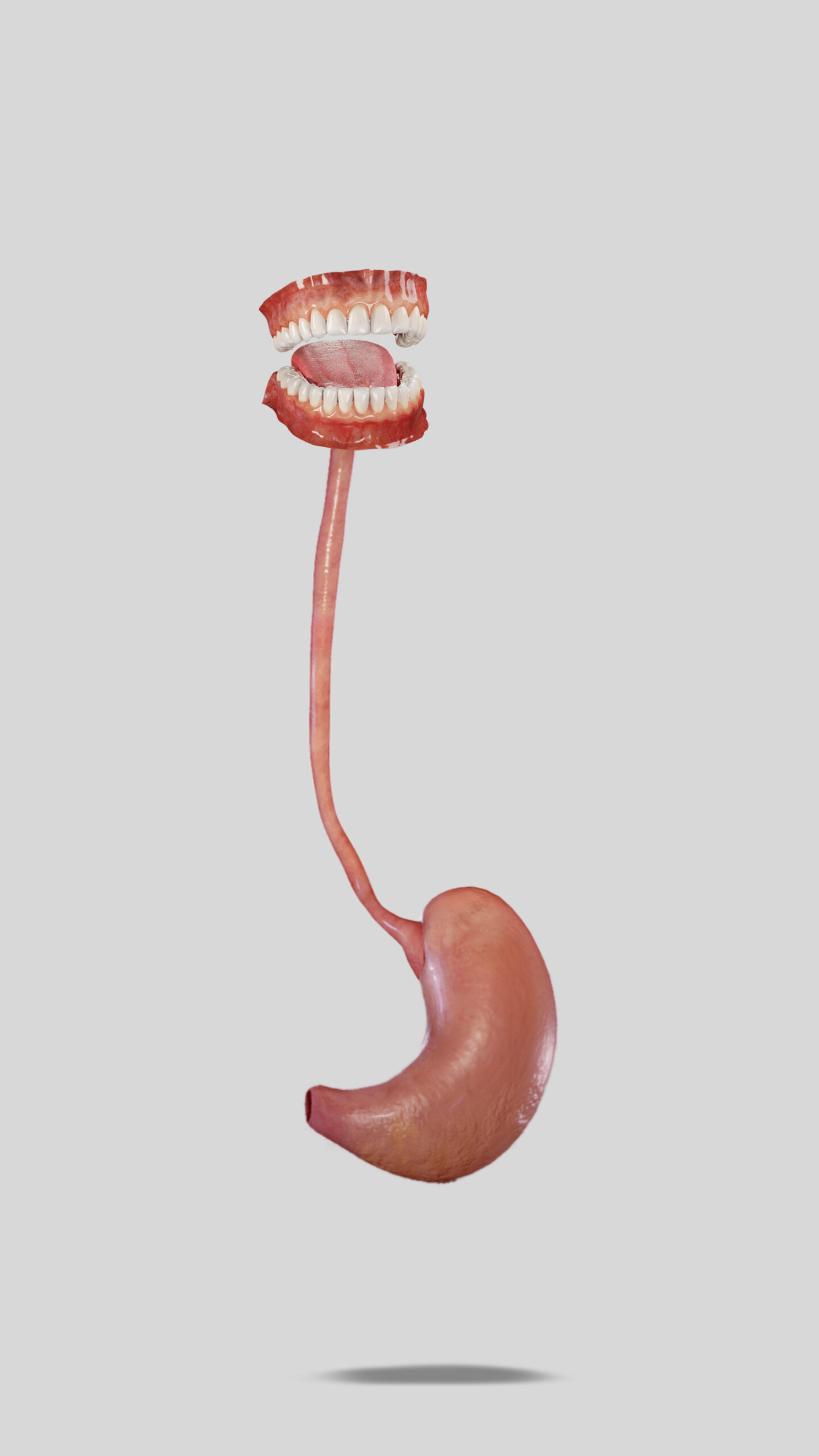
Yummy Acid
Is a candy‑bright binge mutates into body horror, exposing the violence hidden inside appetite and Algorithms.
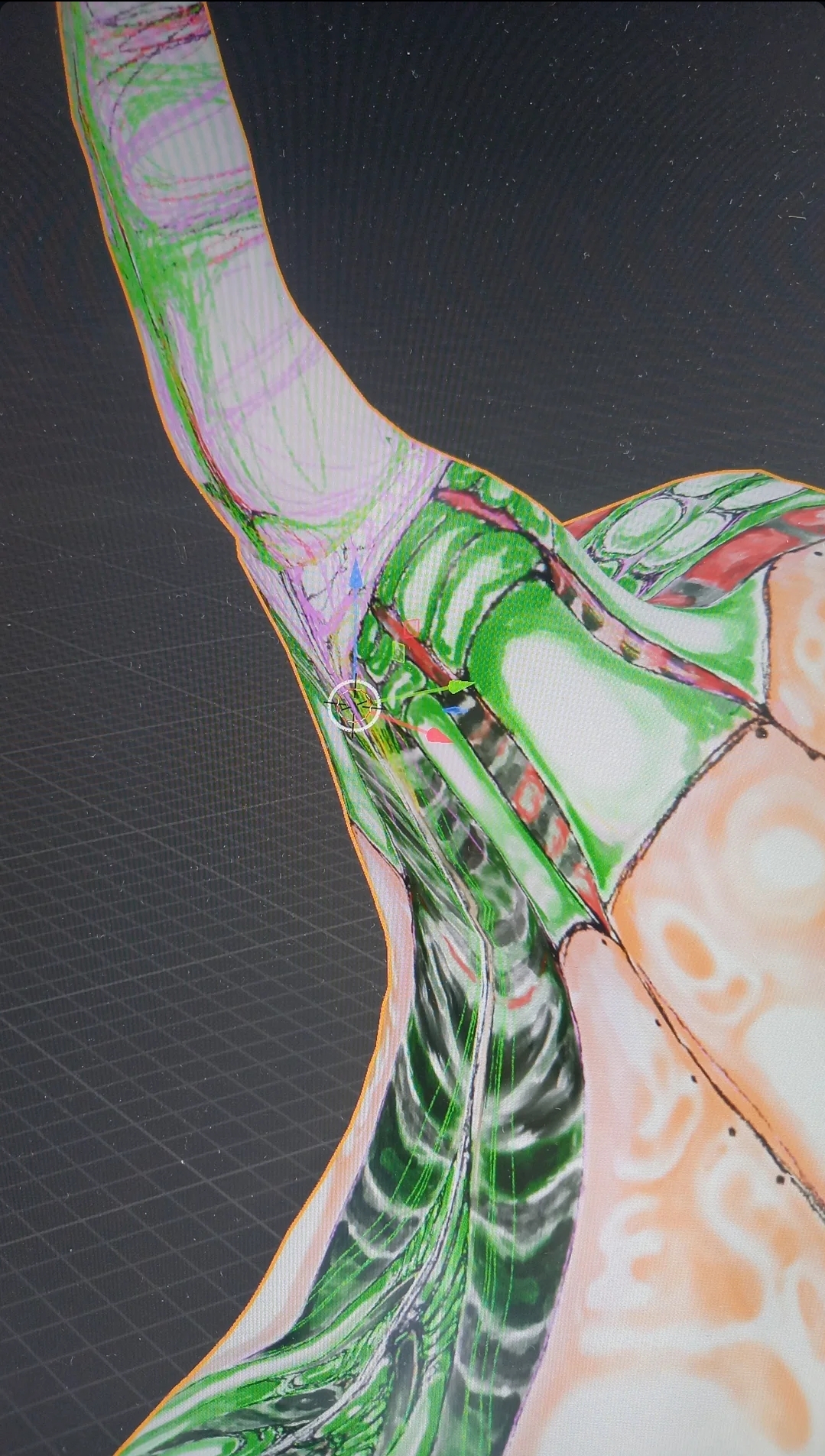
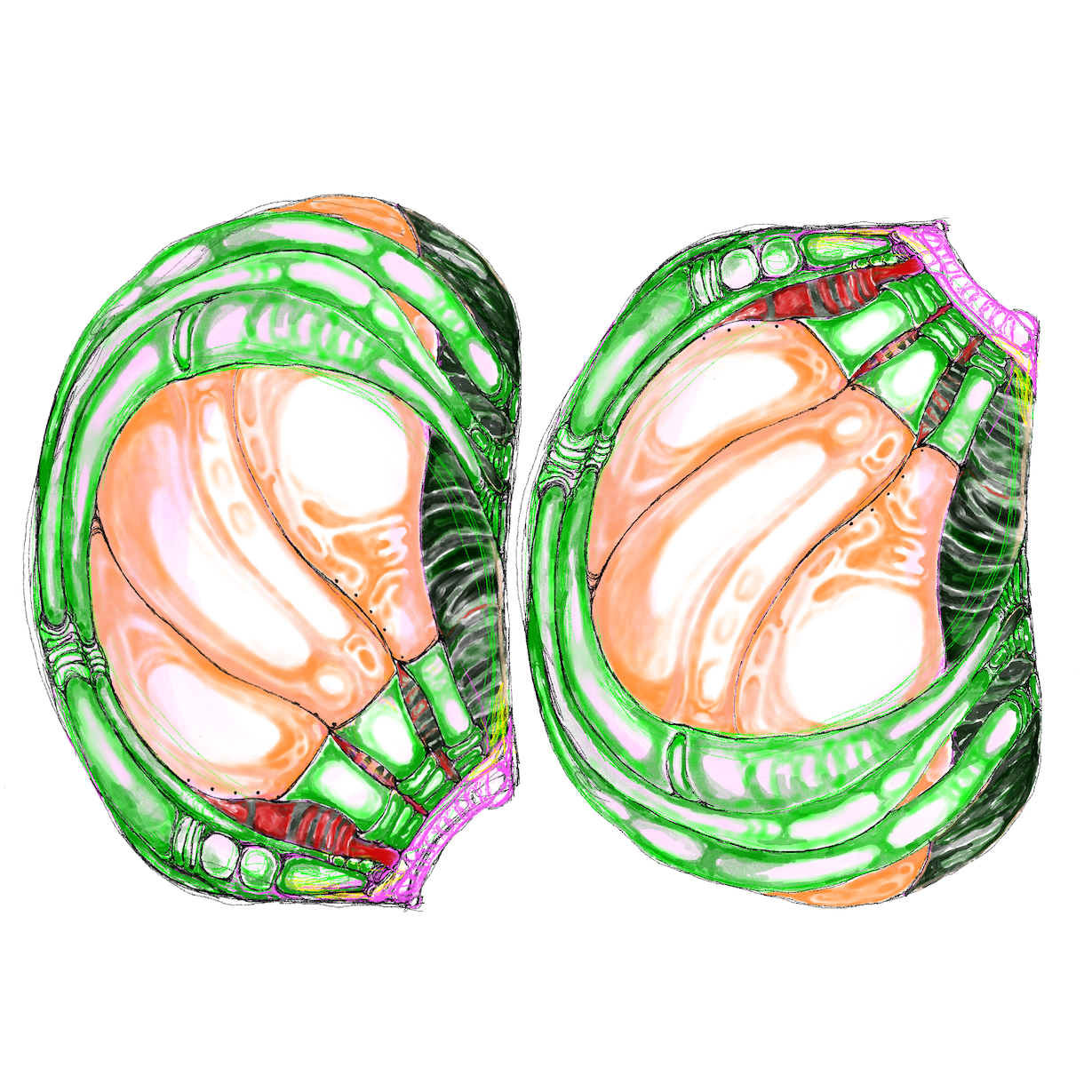
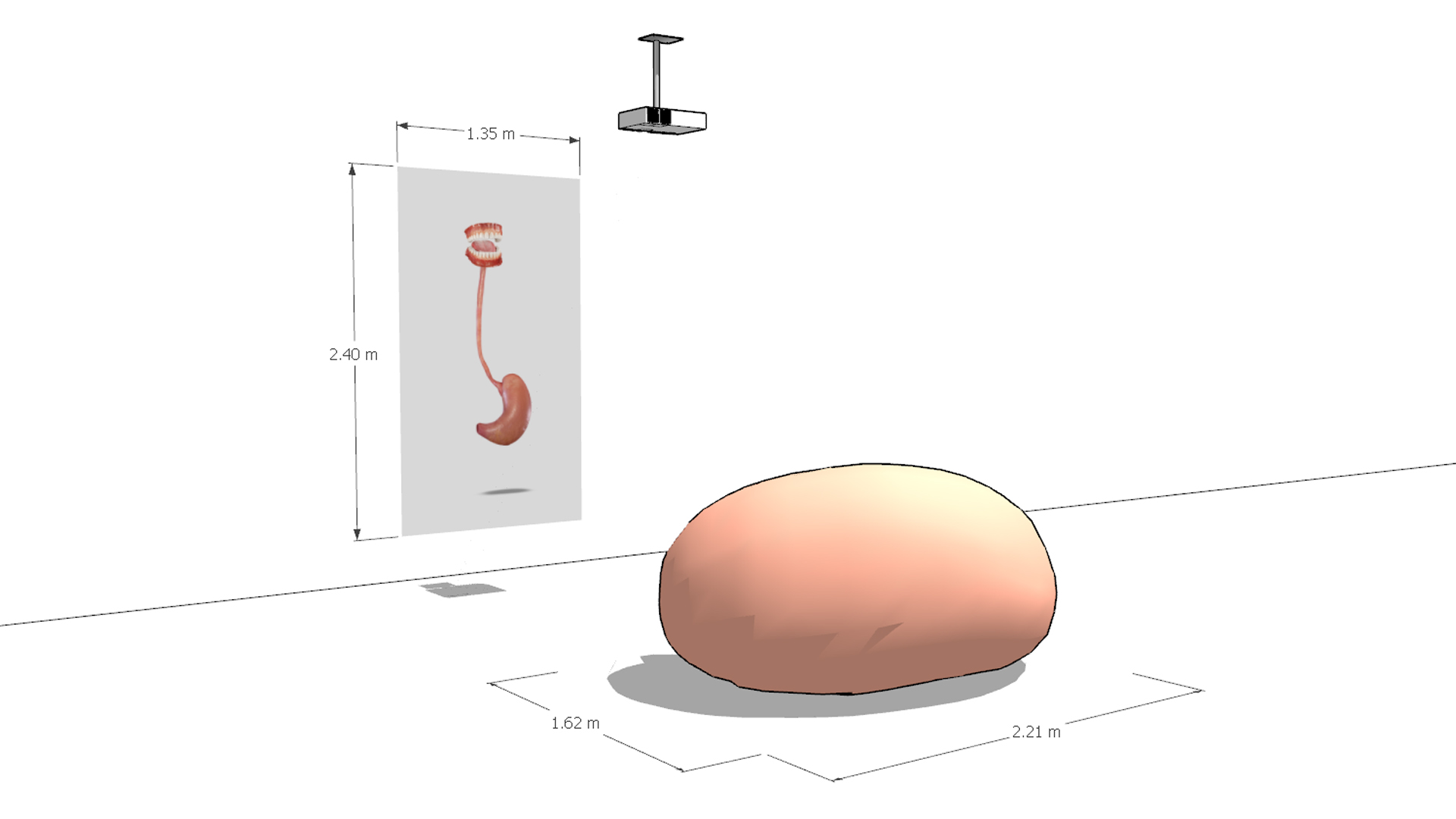
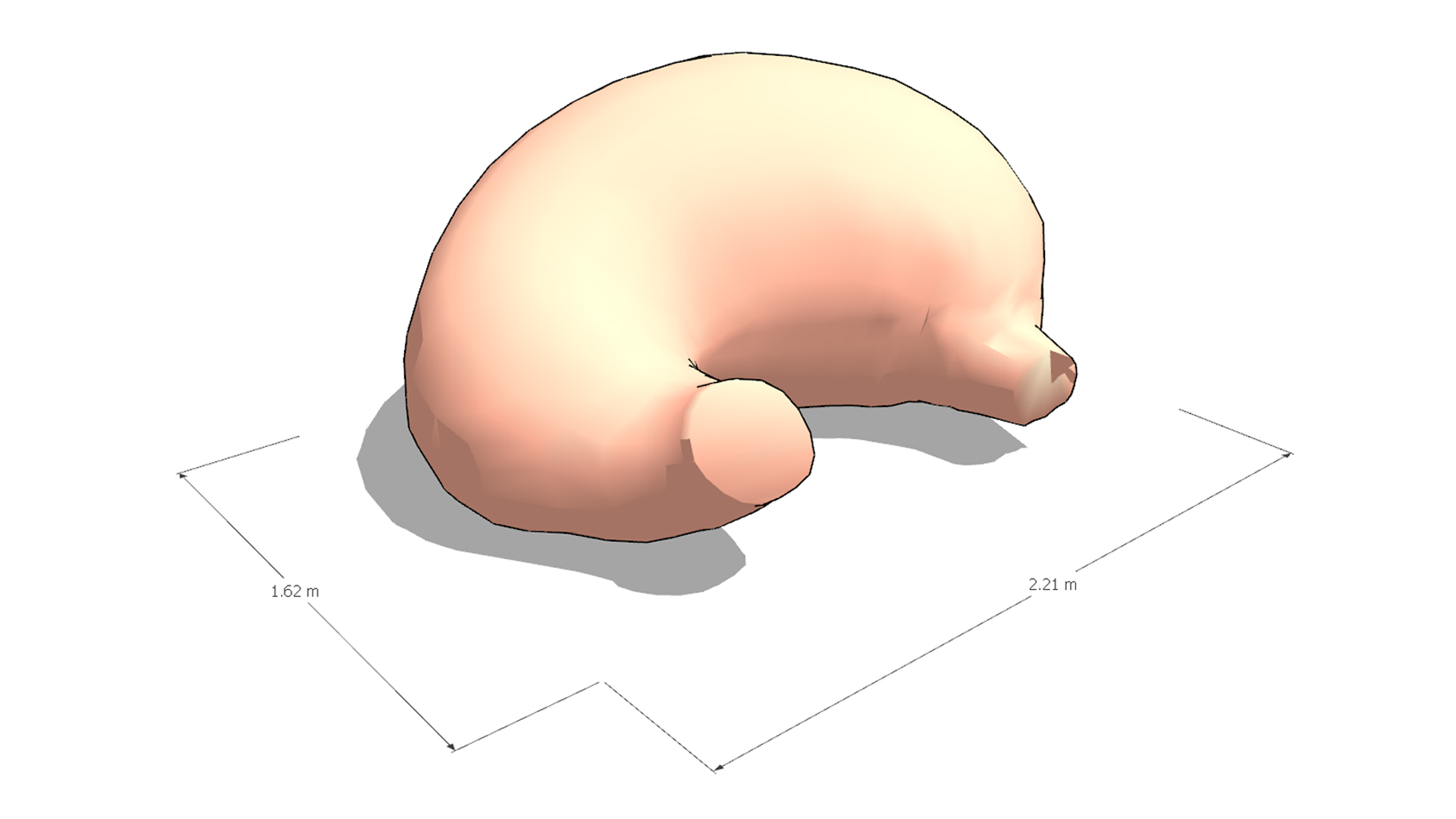
Yummy Acid is a biographical 3D video work exploring the hidden dangers of bulimia through a grotesque, animated figure called The Mouth. It visualizes a surreal binge episode ending in gastric rupture, exposing the often-overlooked violence of the disorder and the blurred boundaries between physical and digital bodies.
Artist/ Student: Rosa-Maria Katariina Nuutinen, FI, She/Her (Estonian Academy of Arts, Contemporary Art MA)
Supervisor: Camille Laurelli (Estonian Academy of Arts)
Technical support: Hans-Gunter Lock (Estonian Academy of Arts) Project manager: Kaia-Liisa Jõesalu (Estonian Academy of Arts)
Anomalia
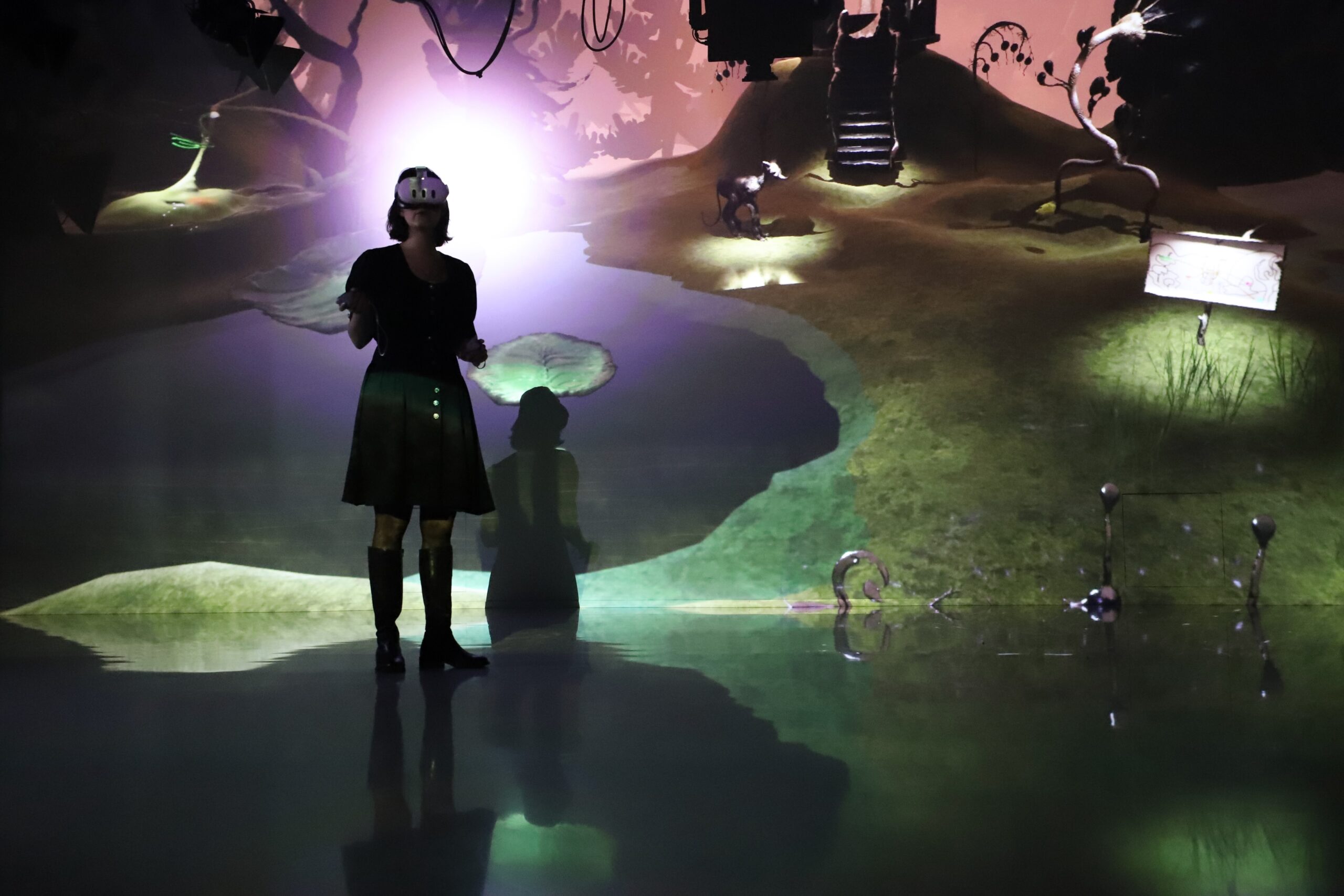
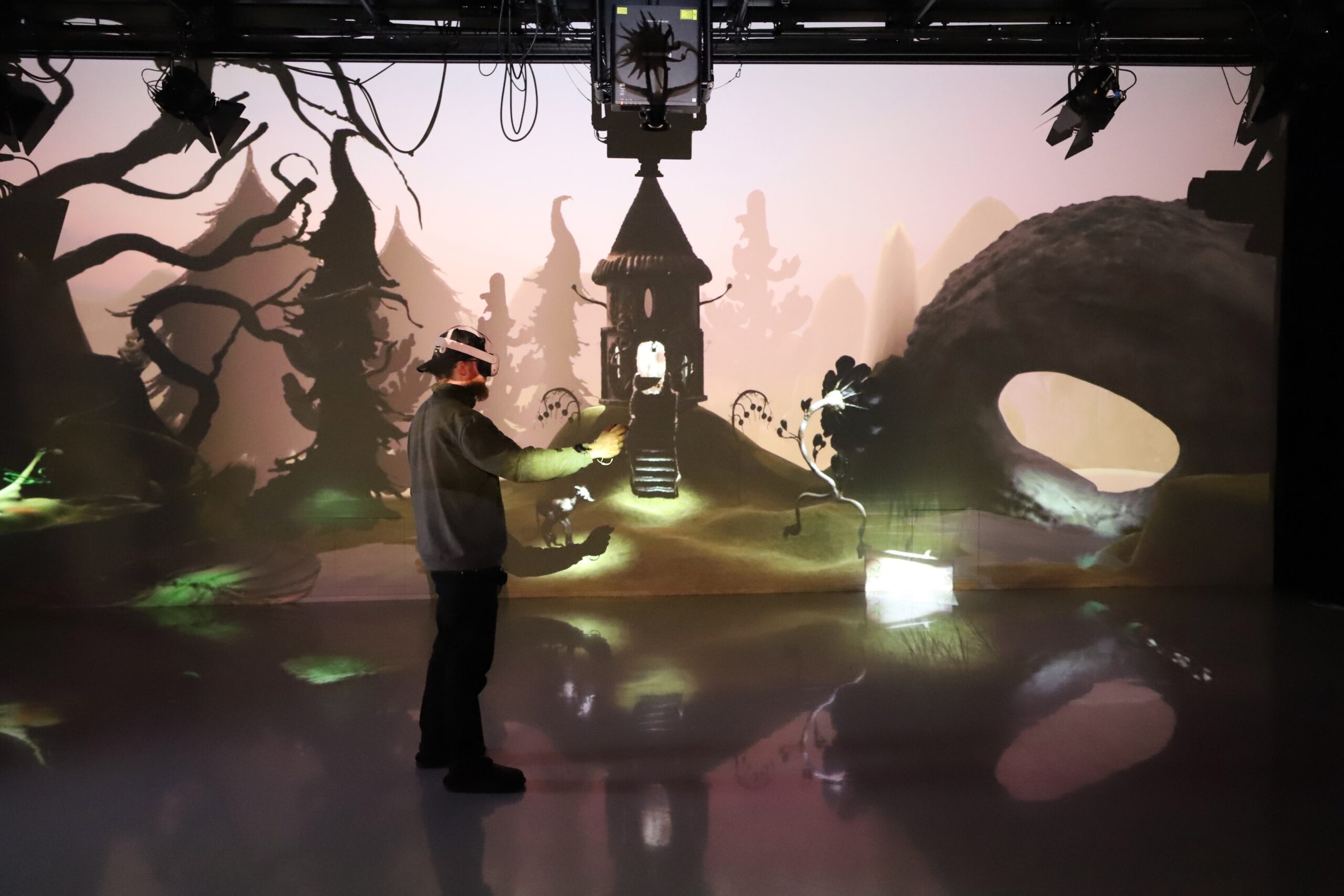
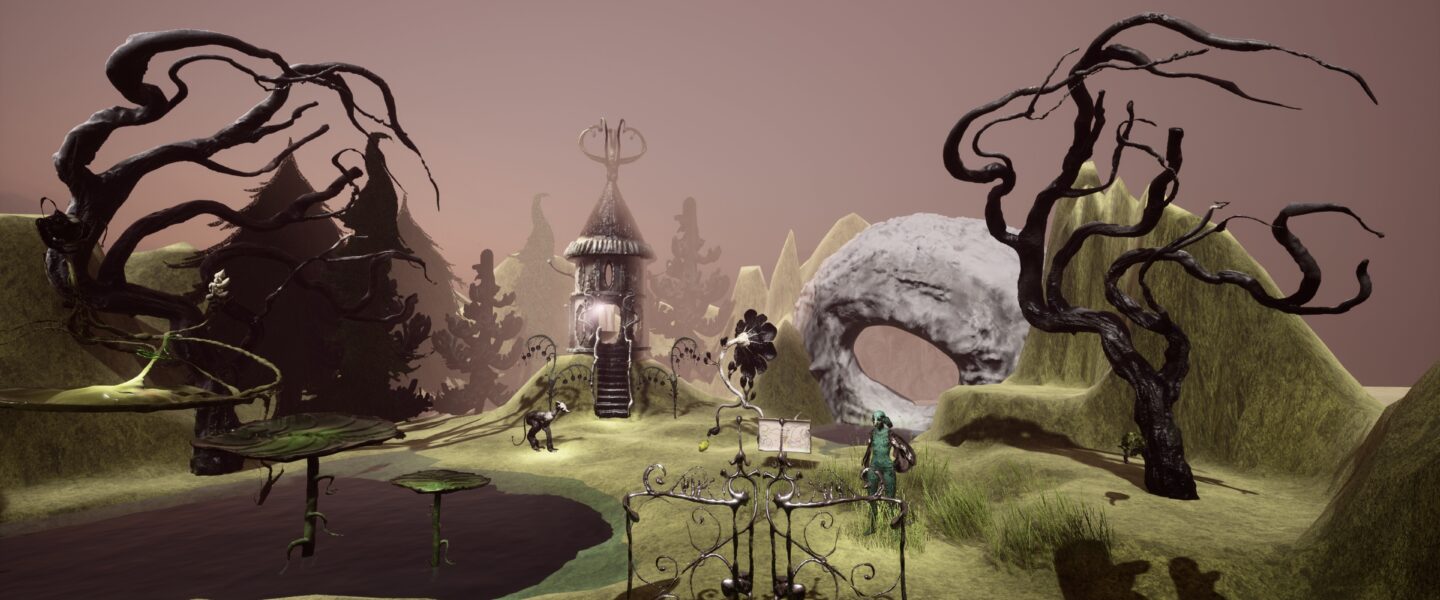
Anomalia is a co‑op VR quest where a headset explorer and “lightbearer” partner must rescue creatures and restore the Sun. It is a sunny summer day when someone steals the fruit qcreatures from the castle. The castle is shocked and angry. As revenge, it locks up the sun. Now, Anomalia is covered in darkness, and the people don’t know what to do. Anomalia is a VR game where players help the people of Anomalia bring back the missing fruit and vegetable creatures — and free the sun. The VR player must explore the dark world, find the hidden creatures, and carry them to a bowl inside the castle. Because the world is dark, the VR player needs light to see. A second player plays as the Lightbearer. In the game, they appear as a moving light that helps the VR player see the path and find the creatures.
The two players must work together to complete the mission. When all the creatures are returned, the castle is happy and lets the sun go. Light comes back to Anomalia.
Students/Artists: Maisa Immonen (Aalto University School of Arts, Design and Architecture, New Media MA), Markku Laskujärvi (Aalto University School of Arts, Design and Architecture, New Media MA)
Supervisor: Matti Niinimäki (Aalto University School of Arts, Design and Architecture, New Media MA)