
Exhibitions
13.09.2024 — 01.12.2024
Jüri Kermik “Joint Double” at ETDM
The exhibition “Joint Double” by Jüri Kermik engages with the dynamics of the design process and its involvement in looking forward and looking back. “It originates from my long-term interest in regional design and my experience of places I consider home, Estonia and Suffolk,” shares Kermik.
In 2017, having settled to live and work in Suffolk, Kermik noticed similarities and differences between Estonian and Suffolk chair-making traditions. The lightweight vernacular chairs, marked with signs of the conditions they evolved from – whether bodgers’ outworking camps in the woods or seasonally operating village workshops, featured variations of the common frame construction. While observing similarities in the construction of these chairs, one unique difference stood out for the designer. Instead of the seat formed by spindles placed between the legs, a typical Suffolk chair has its seat frame jointed to the front legs from above. Kermik’s designs for Suffolk Chair I & II, and the Wedding Chair explore the design opportunities offered by this joint and the thresholds it sets for structural interventions, proportions and ways of sitting.
In parallel with the “Joint Double” project, Kermik started to work on the site of his ancestral farmstead on the Sõrve peninsula in Saaremaa. The process of building a small hut Mikuelu allowed him to experience how the space could be reimagined. “While constructing a new space, I was unearthing the old. Through the processes of digging and moving earth I found buried components of the activities of the inhabitants and evidence of the layout of the site as it had been.”
Tools and objects are connected to land cultivation and farming: plough blades, cowbells, parts of horse bridles, woodworking chisels and rope-making spikes. Some of these unearthed things will be re-used in constructing the new Mikuelu, and some will be presented in this exhibition as an ‘’archaeological toolbox’’.
Compiled and designed by Jüri Kermik
Graphic design: Stuudio Stuudio
Production team: Kai Lobjakas, Ketli Tiitsar, Toomas Übner
The exhibition is supported by the Cultural Endowment of Estonia and the Estonian Academy of Arts.
The exhibition is part of the Tallinn Design Festival programme.
Jüri Kermik “Joint Double” at ETDM
Friday 13 September, 2024 — Sunday 01 December, 2024
The exhibition “Joint Double” by Jüri Kermik engages with the dynamics of the design process and its involvement in looking forward and looking back. “It originates from my long-term interest in regional design and my experience of places I consider home, Estonia and Suffolk,” shares Kermik.
In 2017, having settled to live and work in Suffolk, Kermik noticed similarities and differences between Estonian and Suffolk chair-making traditions. The lightweight vernacular chairs, marked with signs of the conditions they evolved from – whether bodgers’ outworking camps in the woods or seasonally operating village workshops, featured variations of the common frame construction. While observing similarities in the construction of these chairs, one unique difference stood out for the designer. Instead of the seat formed by spindles placed between the legs, a typical Suffolk chair has its seat frame jointed to the front legs from above. Kermik’s designs for Suffolk Chair I & II, and the Wedding Chair explore the design opportunities offered by this joint and the thresholds it sets for structural interventions, proportions and ways of sitting.
In parallel with the “Joint Double” project, Kermik started to work on the site of his ancestral farmstead on the Sõrve peninsula in Saaremaa. The process of building a small hut Mikuelu allowed him to experience how the space could be reimagined. “While constructing a new space, I was unearthing the old. Through the processes of digging and moving earth I found buried components of the activities of the inhabitants and evidence of the layout of the site as it had been.”
Tools and objects are connected to land cultivation and farming: plough blades, cowbells, parts of horse bridles, woodworking chisels and rope-making spikes. Some of these unearthed things will be re-used in constructing the new Mikuelu, and some will be presented in this exhibition as an ‘’archaeological toolbox’’.
Compiled and designed by Jüri Kermik
Graphic design: Stuudio Stuudio
Production team: Kai Lobjakas, Ketli Tiitsar, Toomas Übner
The exhibition is supported by the Cultural Endowment of Estonia and the Estonian Academy of Arts.
The exhibition is part of the Tallinn Design Festival programme.
26.09.2024
Peer review of Taavi Varm’s artistic project
On 26 September at 09.30-11.00 the peer review of Taavi Varm’s doctoral project will take place. Taavi Varm is a PhD student in Art and Design programme. The project “Erasmus Workshop 2024: Integrating participatory learning, video game design and psychological well-being” is the 1st artistic research project of his doctoral studies at the Estonian Academy of Arts.
Taavi’s artistic doctoral thesis entitled “Designing video games for young adults to improve mental health and psychological well-being” at the Estonian Academy of Arts explores the integration of participatory learning, co-creation and experimental video game design to develop innovative methods and find new perspectives for improving psychological well-being of young adults.
Supervisors:
Dr. Varvara Guljajeva (HUSK)
Dr. Helen Uusberg (University of Tartu)
Project reviewers:
Dr. Liina Unt (University of Tartu, Viljandi Culture Academy)
Dr. Ásthildur Jónsdóttir (Iceland University of the Arts)
Peer review event will take place in Zoom:
https://zoom.us/j/95865149077?pwd=dOJbppC0isCyq2QoKPZmxhSgm3xv0d.1
Meeting ID: 958 6514 9077
Passcode: 817972
Mental health issues are a major global concern, especially among young adults. According to the World Health Organization, depression and anxiety are leading causes of disability worldwide. Especially in Estonia, nearly half of young adults report mental health challenges. Addressing these issues is vital for creating a healthier and more productive future generation.
The workshop, which took place at Tallinna Saksa Gümnaasium, was an artistic educational initiative that aimed to combine video game design with participatory learning and psychological well-being.
The workshop explored the potential positive impact of participatory creative methods on the psychological well-being of young adults. The workshop focused on artistic and experimental game design in a supportive environment. The main methods used were specially developed design toolboxes, the psychological concept of flow theory and participatory design principles.
The aim of this research is to offer creative approaches to addressing mental health issues through an artistic research framework. Emphasizing co-creation, the goal is to foster meaningful dialogue and creative synergy among young adults, artists, and professionals, generating evidence-based solutions in both the creative process and the final game projects.
I would like to thank the partners and supporters:
My supervisors Helen Uusberg and Varvara Guljajeva for continuous support.
Erik Joasaare from Tallinna Saksa Gümnaasium, Lisbon German School, Erasmus+ Art Bridge project, Andero Uusberg from University of Tartu and the Doctoral School of the Estonian Academy of Arts.
Peer review of Taavi Varm’s artistic project
Thursday 26 September, 2024
On 26 September at 09.30-11.00 the peer review of Taavi Varm’s doctoral project will take place. Taavi Varm is a PhD student in Art and Design programme. The project “Erasmus Workshop 2024: Integrating participatory learning, video game design and psychological well-being” is the 1st artistic research project of his doctoral studies at the Estonian Academy of Arts.
Taavi’s artistic doctoral thesis entitled “Designing video games for young adults to improve mental health and psychological well-being” at the Estonian Academy of Arts explores the integration of participatory learning, co-creation and experimental video game design to develop innovative methods and find new perspectives for improving psychological well-being of young adults.
Supervisors:
Dr. Varvara Guljajeva (HUSK)
Dr. Helen Uusberg (University of Tartu)
Project reviewers:
Dr. Liina Unt (University of Tartu, Viljandi Culture Academy)
Dr. Ásthildur Jónsdóttir (Iceland University of the Arts)
Peer review event will take place in Zoom:
https://zoom.us/j/95865149077?pwd=dOJbppC0isCyq2QoKPZmxhSgm3xv0d.1
Meeting ID: 958 6514 9077
Passcode: 817972
Mental health issues are a major global concern, especially among young adults. According to the World Health Organization, depression and anxiety are leading causes of disability worldwide. Especially in Estonia, nearly half of young adults report mental health challenges. Addressing these issues is vital for creating a healthier and more productive future generation.
The workshop, which took place at Tallinna Saksa Gümnaasium, was an artistic educational initiative that aimed to combine video game design with participatory learning and psychological well-being.
The workshop explored the potential positive impact of participatory creative methods on the psychological well-being of young adults. The workshop focused on artistic and experimental game design in a supportive environment. The main methods used were specially developed design toolboxes, the psychological concept of flow theory and participatory design principles.
The aim of this research is to offer creative approaches to addressing mental health issues through an artistic research framework. Emphasizing co-creation, the goal is to foster meaningful dialogue and creative synergy among young adults, artists, and professionals, generating evidence-based solutions in both the creative process and the final game projects.
I would like to thank the partners and supporters:
My supervisors Helen Uusberg and Varvara Guljajeva for continuous support.
Erik Joasaare from Tallinna Saksa Gümnaasium, Lisbon German School, Erasmus+ Art Bridge project, Andero Uusberg from University of Tartu and the Doctoral School of the Estonian Academy of Arts.
29.08.2024 — 08.12.2024
ENKKL’s “Last Award” at EKA Billboard Gallery 29.08.–08.12.2024
ENKKL’s “Last Award”
EKA Billboard Gallery 29.08.–08.12.2024
Open 24/7, free
Opening: 29.08.24 at 6 pm
The legendary Weekly Award of the Estonian Young Contemporary Art Union (ENKKL) will have its symbolic end at the EKA Billboard Gallery. The group work was made during ENKKL’s summer school at Muhu. We invite all visitors and other passers-by to put their hands on it. Now you too have the opportunity to be a part of the Estonian art scene. You could be the next star artist! It’s warmer together. Together is better.
Participating artists: Kärt Heinvere, Irma Holm, Erik Hõim, Kadri Joala, Liisa-Lota Jõeleht, Saara Liis Jõerand, Loora Kaubi, Kärt Koppel, Nele Kurvits, Katariin Mudist, Marto Mägi, Eke Ao Nettan, Sandra Puusepp, Kertu Rannula, Johanna Reinvald, Mia Maria Rohumaa, Raahel Rüütel, Inessa Saarits, Lisette Sivard, Sonja Sutt, Rebeca Žukovitš, Aimur Takk, Annabel Tanila, Margaret Tilk, Elo Vahtrik, Mattias Veller
The project is supported by the Cultural Endowment of Estonia.
Opening drinks from Põhjala Brewery.
ENKKL’s “Last Award” at EKA Billboard Gallery 29.08.–08.12.2024
Thursday 29 August, 2024 — Sunday 08 December, 2024
ENKKL’s “Last Award”
EKA Billboard Gallery 29.08.–08.12.2024
Open 24/7, free
Opening: 29.08.24 at 6 pm
The legendary Weekly Award of the Estonian Young Contemporary Art Union (ENKKL) will have its symbolic end at the EKA Billboard Gallery. The group work was made during ENKKL’s summer school at Muhu. We invite all visitors and other passers-by to put their hands on it. Now you too have the opportunity to be a part of the Estonian art scene. You could be the next star artist! It’s warmer together. Together is better.
Participating artists: Kärt Heinvere, Irma Holm, Erik Hõim, Kadri Joala, Liisa-Lota Jõeleht, Saara Liis Jõerand, Loora Kaubi, Kärt Koppel, Nele Kurvits, Katariin Mudist, Marto Mägi, Eke Ao Nettan, Sandra Puusepp, Kertu Rannula, Johanna Reinvald, Mia Maria Rohumaa, Raahel Rüütel, Inessa Saarits, Lisette Sivard, Sonja Sutt, Rebeca Žukovitš, Aimur Takk, Annabel Tanila, Margaret Tilk, Elo Vahtrik, Mattias Veller
The project is supported by the Cultural Endowment of Estonia.
Opening drinks from Põhjala Brewery.
25.08.2024 — 04.10.2024
Jane Remm’s Interspecies Exhibition Opening Tour
With the exhibition of Jane Remm’s creative research project “Interspecies Social Sculpture”, the doctoral student pays homage to Joseph Beuys, the creator of the world’s first green party, and invites you to participate in a nature walk at the opening of the exhibition.
On August 25, from 5:00 p.m. to 8:00 p.m., there will be a tour of the opening of the exhibition of Jane Remm’s artistic research project “Interspecies Social Sculpture”, which conceptualizes the garden and the forest as a multi-perspective creative environment. Expanding Joseph Beuys’ concept of social sculpture into a multifaceted context, the artist explores what it means to harness everyone’s creative potential in a modern age, when the world in an ecological crisis needs to adapt to degrowth.
“Interspecies social sculpture” combines the ecological dimension in the form of increasing biodiversity, the dimension of interspecies co-creation and the social dimension through public events. The experiential exhibition tour opens up different perspectives on the garden and forest through active participation. “It’s an attempt to co-create with other species and thereby think about the role of art in the long term,” says Jane Remm and continues: “This is a garden diary where drawings and writings have accumulated over the course of a year. It is a multi-perspective composition that is constantly changing through the cooperation of different actors. I act as an equal among other beings. It is an attempt to act in art locally, slowly and on a small scale. At the same time, this is a provocation through which I am investigating whether growing food, hay or firewood can be positive activism in today’s world, and in the context of Estonia. It is an attempt to give the everyday garden and forest a creative and artistic conditionality, and the suspicion that in competitive capitalism local peripheral actions have little value. It is the hesitation that co-creation with other species will not succeed. It is the uncertainty that less is not better. Let’s get entangled into that uncertainty and vulnerability.”
“Interspecies Social Sculpture” is the second peer-reviewed project of Jane Remm’s artistic
research doctoral thesis.
The “Interspecies Social Sculpture” exhibition is open during tours on August 25, September 15 and 22, and October 4.
The tour starts at 17:00 from the Mähkli bus stop: https://maps.app.goo.gl/fidsotPcnY2HtJgc9, passes through points in the forest and garden and leads to the common dinner table. Public transport to the place is poor, those coming from further away could share a car, while those coming closer could travel by bike or on foot. Weather conditions must be taken into account when it comes to clothing. The trip is free.
Registration: https://forms.gle/vytS5ybUy8L9h98F8
More information about the project.
Jane Remm is an artist, art teacher and artistic researcher, doctoral student at EKA and art didactics lecturer at Tallinn University BFM. Jane Remm’s work focuses on the representation of the experience of nature, co-creation and communication with different life forms. She is interested in what are the possibilities to understand and interpret the life experience of other species and communicate with them as equal dialogue partners using the means of art. She values manual working and co-creation with other species as a way of perceiving herself as part of nature.
CV: https://www.etis.ee/CV/Jane_Remm/, creative portfolio: www.janeremm.ee
Events previously held in the project: 06.08.24 “Determining, noticing, drawing and thinking walk” within the nature observation marathon led by Liina Remm, Indrek Hiiesalu, Jane Remm, Riin Magnus and Tiit Remm, 16.06.24 “Omailmatalgud” led by Timo Maran; 15.07.24 “Bat walk” led by Jaanus and Piret Remm. The review of the project will take place as part of the 4th trip. Reviewers: prof. Linda Kaljundi (Estonian Academy of Arts) and Taru Elfving (CAA Contemporary Art Archipelago, Finland).
The artist thanks dialogue partner Marta Konovalov, EKA Doctoral School, Remmik, all human and non-human neighbours of Karula.
“Interspecies Social Sculpture” is partly related to the project “Artists and designers as researchers, rethinkers, and partners of nature in the context of degrowth” (01.07.2023–31.12.2024), PR02049, which is funded by the Ministry of Culture.
Jane Remm’s Interspecies Exhibition Opening Tour
Sunday 25 August, 2024 — Friday 04 October, 2024
With the exhibition of Jane Remm’s creative research project “Interspecies Social Sculpture”, the doctoral student pays homage to Joseph Beuys, the creator of the world’s first green party, and invites you to participate in a nature walk at the opening of the exhibition.
On August 25, from 5:00 p.m. to 8:00 p.m., there will be a tour of the opening of the exhibition of Jane Remm’s artistic research project “Interspecies Social Sculpture”, which conceptualizes the garden and the forest as a multi-perspective creative environment. Expanding Joseph Beuys’ concept of social sculpture into a multifaceted context, the artist explores what it means to harness everyone’s creative potential in a modern age, when the world in an ecological crisis needs to adapt to degrowth.
“Interspecies social sculpture” combines the ecological dimension in the form of increasing biodiversity, the dimension of interspecies co-creation and the social dimension through public events. The experiential exhibition tour opens up different perspectives on the garden and forest through active participation. “It’s an attempt to co-create with other species and thereby think about the role of art in the long term,” says Jane Remm and continues: “This is a garden diary where drawings and writings have accumulated over the course of a year. It is a multi-perspective composition that is constantly changing through the cooperation of different actors. I act as an equal among other beings. It is an attempt to act in art locally, slowly and on a small scale. At the same time, this is a provocation through which I am investigating whether growing food, hay or firewood can be positive activism in today’s world, and in the context of Estonia. It is an attempt to give the everyday garden and forest a creative and artistic conditionality, and the suspicion that in competitive capitalism local peripheral actions have little value. It is the hesitation that co-creation with other species will not succeed. It is the uncertainty that less is not better. Let’s get entangled into that uncertainty and vulnerability.”
“Interspecies Social Sculpture” is the second peer-reviewed project of Jane Remm’s artistic
research doctoral thesis.
The “Interspecies Social Sculpture” exhibition is open during tours on August 25, September 15 and 22, and October 4.
The tour starts at 17:00 from the Mähkli bus stop: https://maps.app.goo.gl/fidsotPcnY2HtJgc9, passes through points in the forest and garden and leads to the common dinner table. Public transport to the place is poor, those coming from further away could share a car, while those coming closer could travel by bike or on foot. Weather conditions must be taken into account when it comes to clothing. The trip is free.
Registration: https://forms.gle/vytS5ybUy8L9h98F8
More information about the project.
Jane Remm is an artist, art teacher and artistic researcher, doctoral student at EKA and art didactics lecturer at Tallinn University BFM. Jane Remm’s work focuses on the representation of the experience of nature, co-creation and communication with different life forms. She is interested in what are the possibilities to understand and interpret the life experience of other species and communicate with them as equal dialogue partners using the means of art. She values manual working and co-creation with other species as a way of perceiving herself as part of nature.
CV: https://www.etis.ee/CV/Jane_Remm/, creative portfolio: www.janeremm.ee
Events previously held in the project: 06.08.24 “Determining, noticing, drawing and thinking walk” within the nature observation marathon led by Liina Remm, Indrek Hiiesalu, Jane Remm, Riin Magnus and Tiit Remm, 16.06.24 “Omailmatalgud” led by Timo Maran; 15.07.24 “Bat walk” led by Jaanus and Piret Remm. The review of the project will take place as part of the 4th trip. Reviewers: prof. Linda Kaljundi (Estonian Academy of Arts) and Taru Elfving (CAA Contemporary Art Archipelago, Finland).
The artist thanks dialogue partner Marta Konovalov, EKA Doctoral School, Remmik, all human and non-human neighbours of Karula.
“Interspecies Social Sculpture” is partly related to the project “Artists and designers as researchers, rethinkers, and partners of nature in the context of degrowth” (01.07.2023–31.12.2024), PR02049, which is funded by the Ministry of Culture.
07.08.2024 — 01.09.2024
Mart Vainre and Paintman at Haapsalu Town Gallery
Mart Vainre’s solo exhibition, “Paintman: The Birth of a Painting Machine and His Unexpected Enemy,” at Haapsalu Town Gallery is the superhero’s second coming. After its debut at the ARS Project Room group exhibition “Allow Yourself to Change. From Painting Art to Machine Art,” Paintman (in Estonian, Värvmees) is now at the Haapsalu Town Gallery amidst his comic-book-like origin story, where he also encounters his treacherous enemy.
Haapsalu Town Gallery
7.08–1.09.2024
The Birth of Paintman
The superhero Paintman was created from leftover paint that accumulated on the palette. He is an unintended byproduct of painting, a character that wasn’t supposed to exist. However, artist Mart Vainre desires a synthetic companion, an assistant who could expand his work into new realms.
Through experimentation, Vainre digitizes Paintman, who quickly begins to live his own life in virtual space. He evolves, mutates, and multiplies. Before long, Paintman gains independence and acquires the superpower to transform between physical and digital environments, surpassing the limits of human abilities.
Human Envy
Paintman begins to create as well. He is now a well-known superhero whose capabilities have long surpassed those of his creator. Vainre starts to feel increasingly overshadowed by him. “Slower, clumsier, more flawed,” the artist describes himself when comparing his skills to those of the digital twin he created.
He hatches a plan to save himself from being relegated to second-tier status. Vainre begins to mechanically mimic his synthetic companion’s creations—under the guise of fan art, he subtly plants human flaws in his works, attempting to hack Paintman’s perfect algorithm. And to bring himself back into the spotlight.
The Final Showdown
Since Paintman “feeds” on the paint residue from Vainre’s works, he also starts to transform into a human-like form. Paintman is forced to live on a battlefield filled with the treacherous traps Vainre has set, where he must use his artificial wit and creativity. He is now fully aware of Vainre’s intentions and begins defending himself to survive. Their final showdown takes place at the art exhibition, where Vainre struggles to assert himself and Paintman fights to stay alive.
More Information:
Haapsalu Town Gallery
Posti 3, Haapsalu
www.galerii.kultuurimaja.ee
Wed–Sun 12:00–18:00
Mart Vainre and Paintman at Haapsalu Town Gallery
Wednesday 07 August, 2024 — Sunday 01 September, 2024
Mart Vainre’s solo exhibition, “Paintman: The Birth of a Painting Machine and His Unexpected Enemy,” at Haapsalu Town Gallery is the superhero’s second coming. After its debut at the ARS Project Room group exhibition “Allow Yourself to Change. From Painting Art to Machine Art,” Paintman (in Estonian, Värvmees) is now at the Haapsalu Town Gallery amidst his comic-book-like origin story, where he also encounters his treacherous enemy.
Haapsalu Town Gallery
7.08–1.09.2024
The Birth of Paintman
The superhero Paintman was created from leftover paint that accumulated on the palette. He is an unintended byproduct of painting, a character that wasn’t supposed to exist. However, artist Mart Vainre desires a synthetic companion, an assistant who could expand his work into new realms.
Through experimentation, Vainre digitizes Paintman, who quickly begins to live his own life in virtual space. He evolves, mutates, and multiplies. Before long, Paintman gains independence and acquires the superpower to transform between physical and digital environments, surpassing the limits of human abilities.
Human Envy
Paintman begins to create as well. He is now a well-known superhero whose capabilities have long surpassed those of his creator. Vainre starts to feel increasingly overshadowed by him. “Slower, clumsier, more flawed,” the artist describes himself when comparing his skills to those of the digital twin he created.
He hatches a plan to save himself from being relegated to second-tier status. Vainre begins to mechanically mimic his synthetic companion’s creations—under the guise of fan art, he subtly plants human flaws in his works, attempting to hack Paintman’s perfect algorithm. And to bring himself back into the spotlight.
The Final Showdown
Since Paintman “feeds” on the paint residue from Vainre’s works, he also starts to transform into a human-like form. Paintman is forced to live on a battlefield filled with the treacherous traps Vainre has set, where he must use his artificial wit and creativity. He is now fully aware of Vainre’s intentions and begins defending himself to survive. Their final showdown takes place at the art exhibition, where Vainre struggles to assert himself and Paintman fights to stay alive.
More Information:
Haapsalu Town Gallery
Posti 3, Haapsalu
www.galerii.kultuurimaja.ee
Wed–Sun 12:00–18:00
08.08.2024 — 08.09.2024
“Translucent Dreams” at EKA Gallery 8.08.–08.09.2024
“Translucent Dreams”
EKA Gallery 8.08.–08.09.2024
Open Tue–Sun 12–6 pm, free entry
Opening: 15.08.2024 at 6 pm
Participating artists: Chloé Geinoz, Rose Magee, Vitor Pascale, KitKit Para, Syed Sachal Rizvi
In today’s interconnected world, the notion of identity has progressively become more
complex and multifaceted. Gender, geography, and social/political beliefs, to name but a few shape the ways individuals perceive and express themselves.
This exhibition brings together five artists from diverse corners of the globe, each accentuating themes of intersecting identities through the lenses of chimerism, duality, hybridity, queer identity, and the construction and deconstruction of self. Using various visual strategies, these artists delve into the intricate layers of identity formation and expression, inviting you to journey through contemporary identity’s dynamic and ever-changing landscape.
The exhibition is supported by Sadolin Estonia.
Opening drinks from Põhjala Brewery.
“Translucent Dreams” at EKA Gallery 8.08.–08.09.2024
Thursday 08 August, 2024 — Sunday 08 September, 2024
“Translucent Dreams”
EKA Gallery 8.08.–08.09.2024
Open Tue–Sun 12–6 pm, free entry
Opening: 15.08.2024 at 6 pm
Participating artists: Chloé Geinoz, Rose Magee, Vitor Pascale, KitKit Para, Syed Sachal Rizvi
In today’s interconnected world, the notion of identity has progressively become more
complex and multifaceted. Gender, geography, and social/political beliefs, to name but a few shape the ways individuals perceive and express themselves.
This exhibition brings together five artists from diverse corners of the globe, each accentuating themes of intersecting identities through the lenses of chimerism, duality, hybridity, queer identity, and the construction and deconstruction of self. Using various visual strategies, these artists delve into the intricate layers of identity formation and expression, inviting you to journey through contemporary identity’s dynamic and ever-changing landscape.
The exhibition is supported by Sadolin Estonia.
Opening drinks from Põhjala Brewery.
28.07.2024 — 31.08.2024
“Under the Iron Rain” in EKA Library
“Under the Iron Rain”
Exhibition of Ukrainian art students in the library of the Estonian Academy of Arts
28.07.-31.08.2024
Mon-Fri 10:00-15:00
The library is closed from 22.07 to 4.08.2024
Artists: Dariia Silchuk, Sonia Kharkovets,Kseniia Romaschenko, Alina Zadvirna
Graphic design: Daria Titova (UKR)
To provide students with the opportunity to emerge as visible artists, an exhibition will be held at the EKA Library Gallery featuring works by Ukrainian students mentored by EKA. The exhibition will showcase graphics, illustrations, and drawings created during their studies, reflecting the teachings and approaches of Ukrainian universities.
The work of students living and working across Ukraine is heavily influenced by the war situation – mental coping, freedom of movement, and survival. Under the iron rain, students have continued their studies in their chosen fields, pouring their skills, anxiety, fears, and dreams into their creations. The EKA Library offers a small glimpse into their world. We can support these young creators by recognizing their aspirations. We extend our gratitude to all individuals and institutions who have donated to the EKA Ukrainian Student Scholarship Fund.
ELIA UAx Platform
At the ELIA leadership symposium held at EKA (Estonian Academy of Arts) and EMTA (Estonian Academy of Music and Theatre) in June 2022, leaders of higher arts education in Ukraine emphasized their primary priority: stopping the “institutional destruction” of the arts. They believe it is crucial to support students so they can continue their education in their homeland and to remind the world of the importance of their artistic practice for the preservation of Ukrainian cultural life.
On November 15, 2022, the Abakanowicz Arts and Culture Charitable Foundation (AACCF), in collaboration with ELIA, announced a funding measure to support art students and higher arts education institutions in Ukraine. This led to the creation of the ELIA UAx Platform. The UAx Platform embodies the spirit and values of Magdalena Abakanowicz. This initiative is aimed at artists affected by the war, enabling them to fulfill one of their most important tasks – creating art despite oppression.
The supervisors of the EKA UAx platform for Ukrainian students in the 2023/24 academic year are Britta Benno and Anne Pikkov.
All works are for sale. By purchasing, you support artists in Ukraine.
More information:
https://sihtasutus.artun.ee/ukraina2022
https://elia-artschools.org/general/custom.asp?page=UAx
https://www.artun.ee/et/ukraine/
“Under the Iron Rain” in EKA Library
Sunday 28 July, 2024 — Saturday 31 August, 2024
“Under the Iron Rain”
Exhibition of Ukrainian art students in the library of the Estonian Academy of Arts
28.07.-31.08.2024
Mon-Fri 10:00-15:00
The library is closed from 22.07 to 4.08.2024
Artists: Dariia Silchuk, Sonia Kharkovets,Kseniia Romaschenko, Alina Zadvirna
Graphic design: Daria Titova (UKR)
To provide students with the opportunity to emerge as visible artists, an exhibition will be held at the EKA Library Gallery featuring works by Ukrainian students mentored by EKA. The exhibition will showcase graphics, illustrations, and drawings created during their studies, reflecting the teachings and approaches of Ukrainian universities.
The work of students living and working across Ukraine is heavily influenced by the war situation – mental coping, freedom of movement, and survival. Under the iron rain, students have continued their studies in their chosen fields, pouring their skills, anxiety, fears, and dreams into their creations. The EKA Library offers a small glimpse into their world. We can support these young creators by recognizing their aspirations. We extend our gratitude to all individuals and institutions who have donated to the EKA Ukrainian Student Scholarship Fund.
ELIA UAx Platform
At the ELIA leadership symposium held at EKA (Estonian Academy of Arts) and EMTA (Estonian Academy of Music and Theatre) in June 2022, leaders of higher arts education in Ukraine emphasized their primary priority: stopping the “institutional destruction” of the arts. They believe it is crucial to support students so they can continue their education in their homeland and to remind the world of the importance of their artistic practice for the preservation of Ukrainian cultural life.
On November 15, 2022, the Abakanowicz Arts and Culture Charitable Foundation (AACCF), in collaboration with ELIA, announced a funding measure to support art students and higher arts education institutions in Ukraine. This led to the creation of the ELIA UAx Platform. The UAx Platform embodies the spirit and values of Magdalena Abakanowicz. This initiative is aimed at artists affected by the war, enabling them to fulfill one of their most important tasks – creating art despite oppression.
The supervisors of the EKA UAx platform for Ukrainian students in the 2023/24 academic year are Britta Benno and Anne Pikkov.
All works are for sale. By purchasing, you support artists in Ukraine.
More information:
https://sihtasutus.artun.ee/ukraina2022
https://elia-artschools.org/general/custom.asp?page=UAx
https://www.artun.ee/et/ukraine/
05.07.2024 — 04.08.2024
Marleen Suvi “We’ve Never Lived in a House” at EKA Gallery 6.07.–4.08.2024
Marleen Suvi
WE’VE NEVER LIVED IN A HOUSE
6.07.–4.08.2024
Opening: 5.07. at 6 pm
Marleen Suvi’s personal exhibition “We’ve Never Lived in a House” brings together 16 large-scale canvases to form a major installation, which concerns itself with the topics of memory and family.
The paintings are based on the artist’s family photo albums, and according to the curator Aleksander Metsamärt, the exhibition reveals two main themes: firstly, the relationship between memory and memory carriers arising from the paintings created on the basis of photographs, secondly, the theme of the private house arising from the form of the installation and the period-specific context associated with it. At the crossroads of the two themes, we find the artist herself, offering an insight into her own memories with an intimately personal and a paradoxical universality.
For the artist these times are past, her past which she herself cannot [retreat/crawl] back to. A past from which forms and figures emerge, that are almost familiar, but not quite just. Not like they are here, in this picture, in this apartment, in this year – somewhere in the mid-nineties, when everyone wore clothes made out of those materials, the feel of which, to this day, the nerve endings of your synapses can still sense somewhere at the back of your mind; clothes, that in their quaintness and slight old-fashionedness still manage to warm your heart.
Curated by Aleksander Metsamärt
Graphic design by Rainer Kasekivi
The exhibition is supported by the Cultural Endowment of Estonia.
Opening drinks from Põhjala Brewery.
Marleen Suvi “We’ve Never Lived in a House” at EKA Gallery 6.07.–4.08.2024
Friday 05 July, 2024 — Sunday 04 August, 2024
Marleen Suvi
WE’VE NEVER LIVED IN A HOUSE
6.07.–4.08.2024
Opening: 5.07. at 6 pm
Marleen Suvi’s personal exhibition “We’ve Never Lived in a House” brings together 16 large-scale canvases to form a major installation, which concerns itself with the topics of memory and family.
The paintings are based on the artist’s family photo albums, and according to the curator Aleksander Metsamärt, the exhibition reveals two main themes: firstly, the relationship between memory and memory carriers arising from the paintings created on the basis of photographs, secondly, the theme of the private house arising from the form of the installation and the period-specific context associated with it. At the crossroads of the two themes, we find the artist herself, offering an insight into her own memories with an intimately personal and a paradoxical universality.
For the artist these times are past, her past which she herself cannot [retreat/crawl] back to. A past from which forms and figures emerge, that are almost familiar, but not quite just. Not like they are here, in this picture, in this apartment, in this year – somewhere in the mid-nineties, when everyone wore clothes made out of those materials, the feel of which, to this day, the nerve endings of your synapses can still sense somewhere at the back of your mind; clothes, that in their quaintness and slight old-fashionedness still manage to warm your heart.
Curated by Aleksander Metsamärt
Graphic design by Rainer Kasekivi
The exhibition is supported by the Cultural Endowment of Estonia.
Opening drinks from Põhjala Brewery.
11.06.2024
TASE FILM ’24
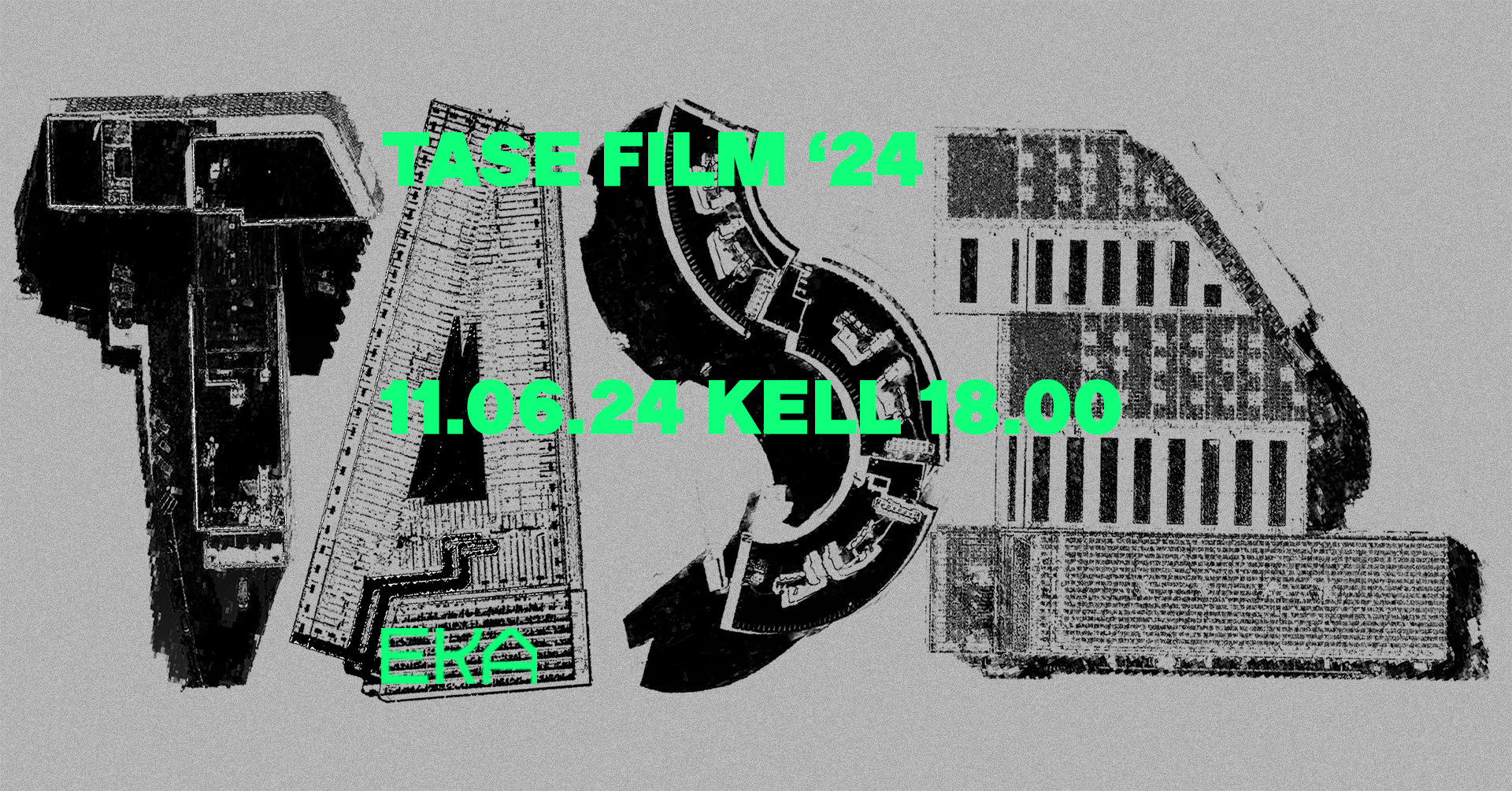
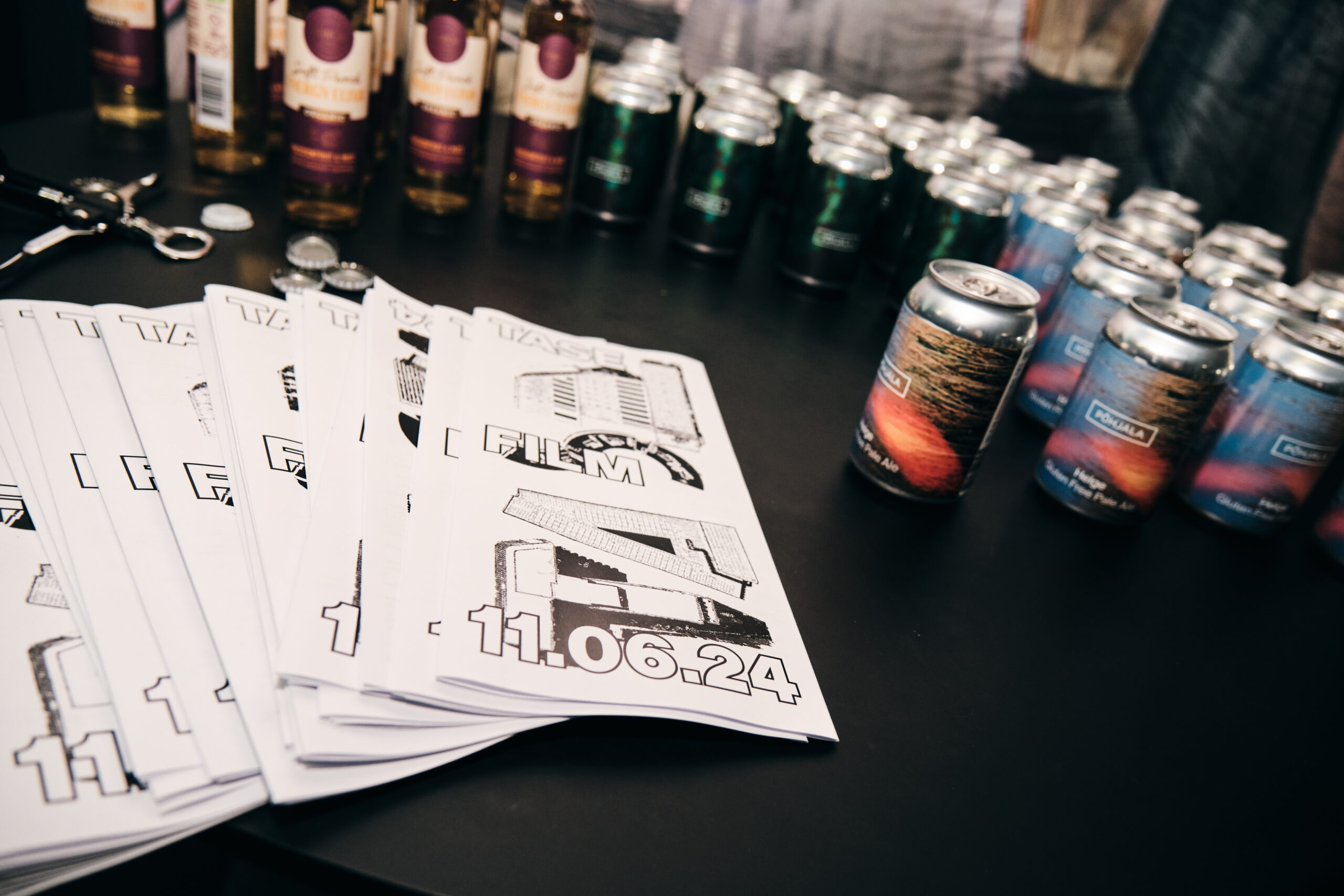
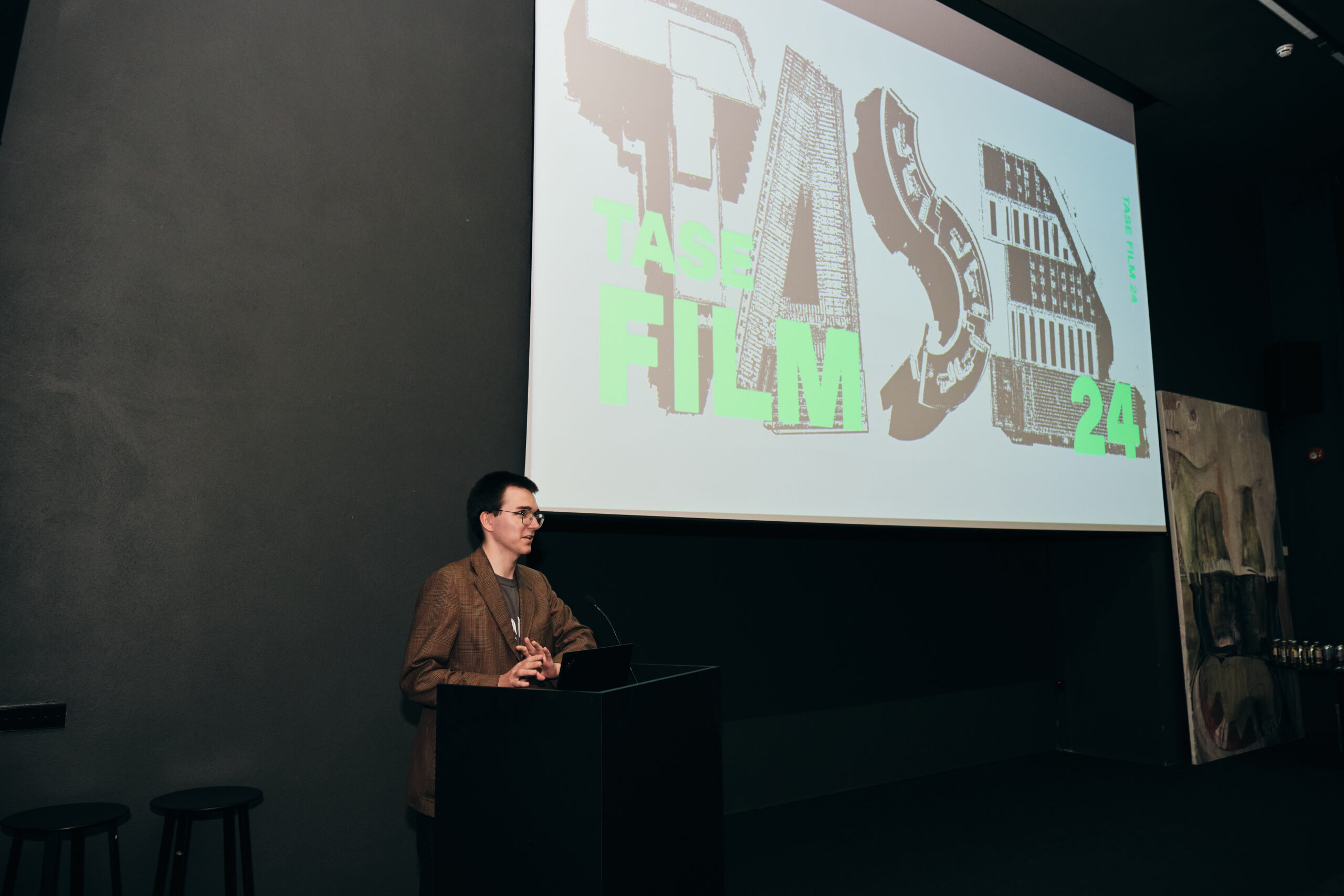
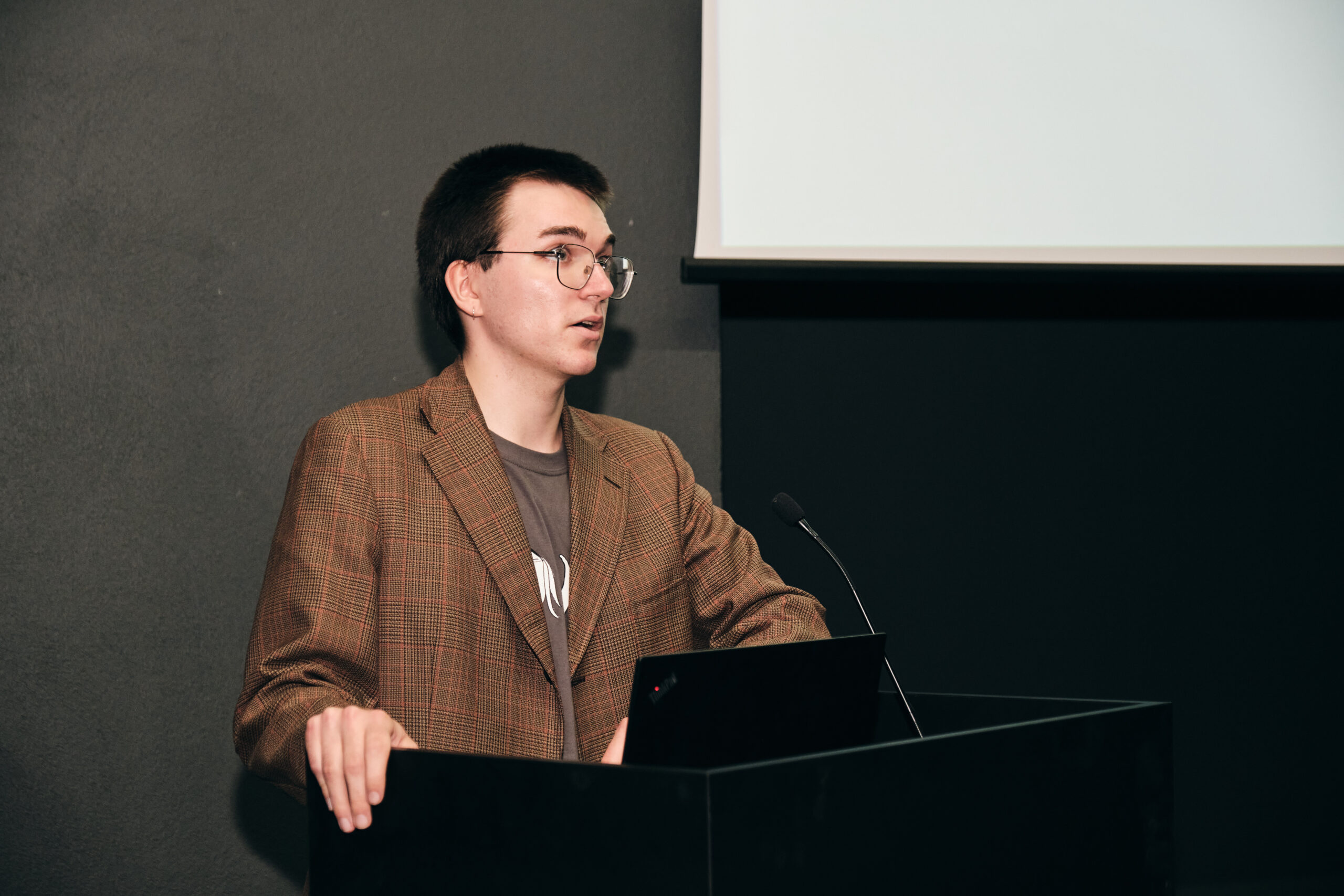
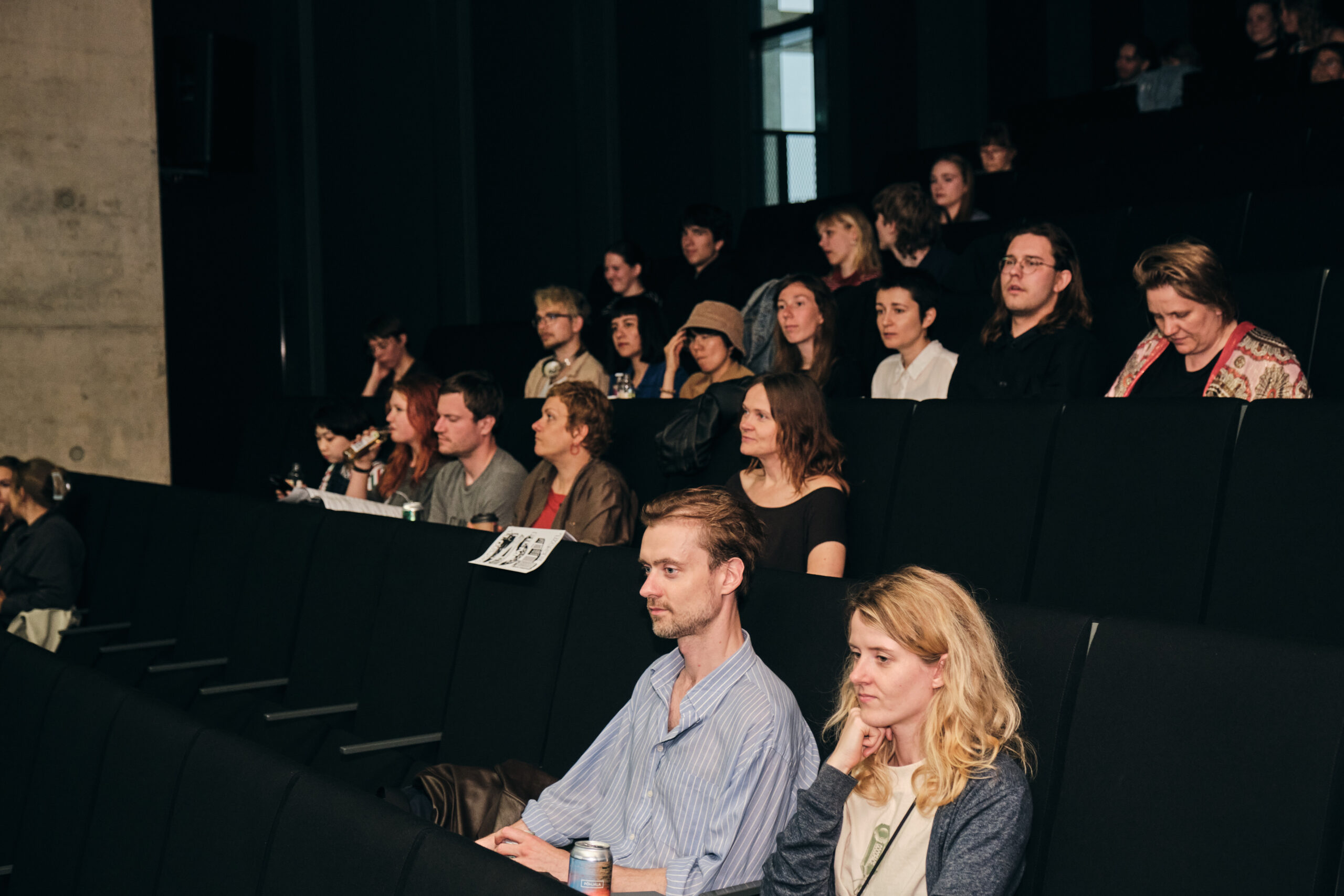
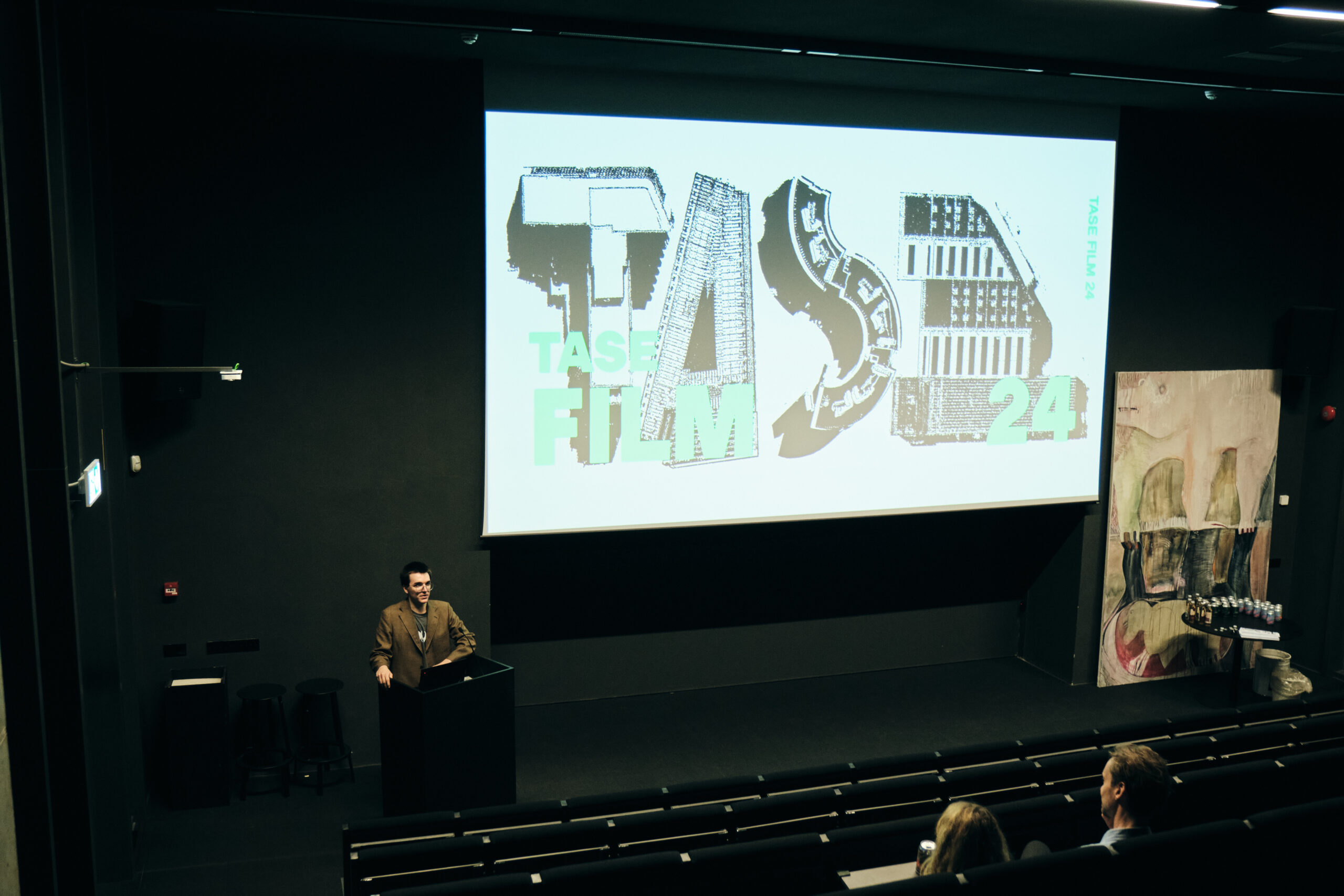
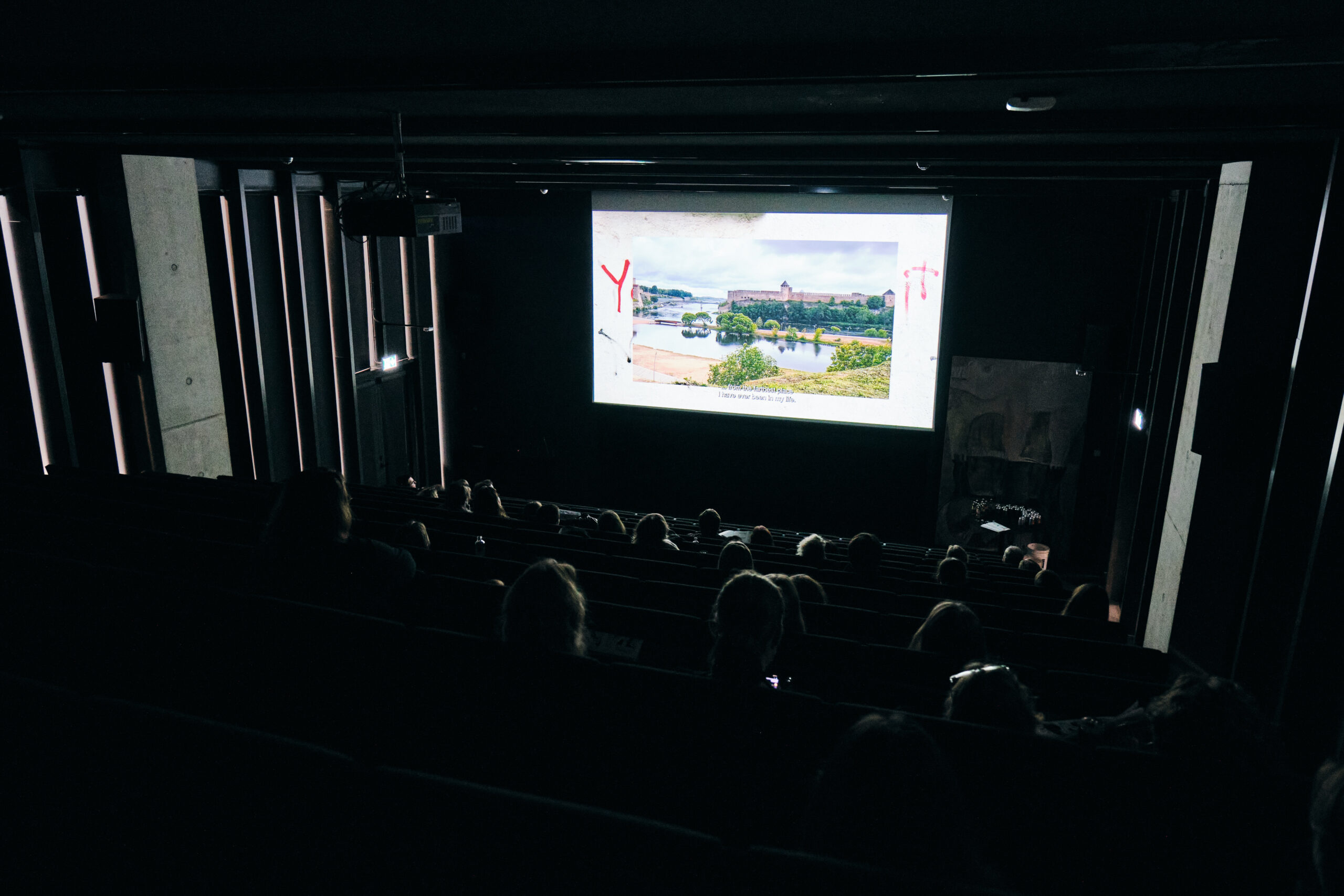
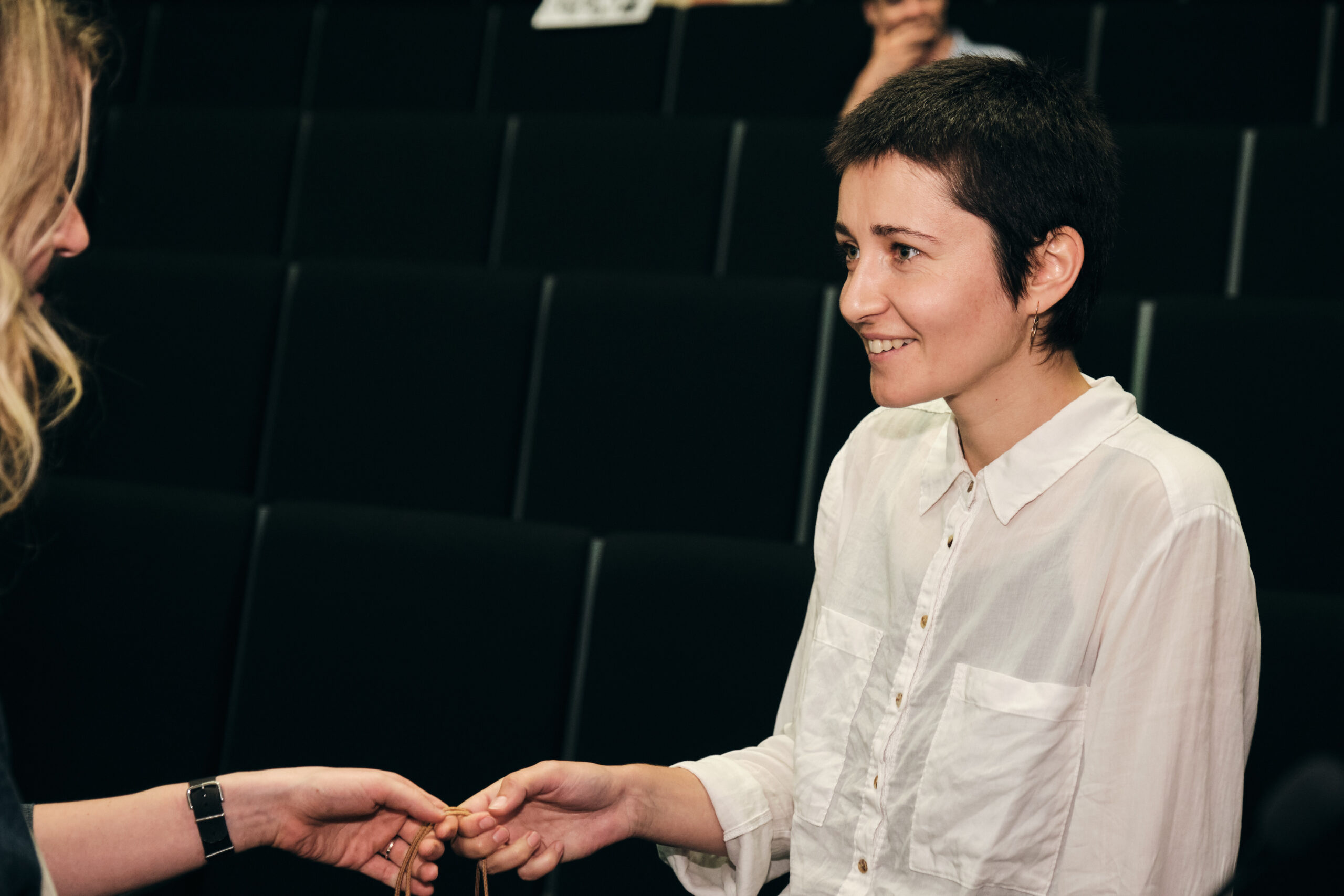
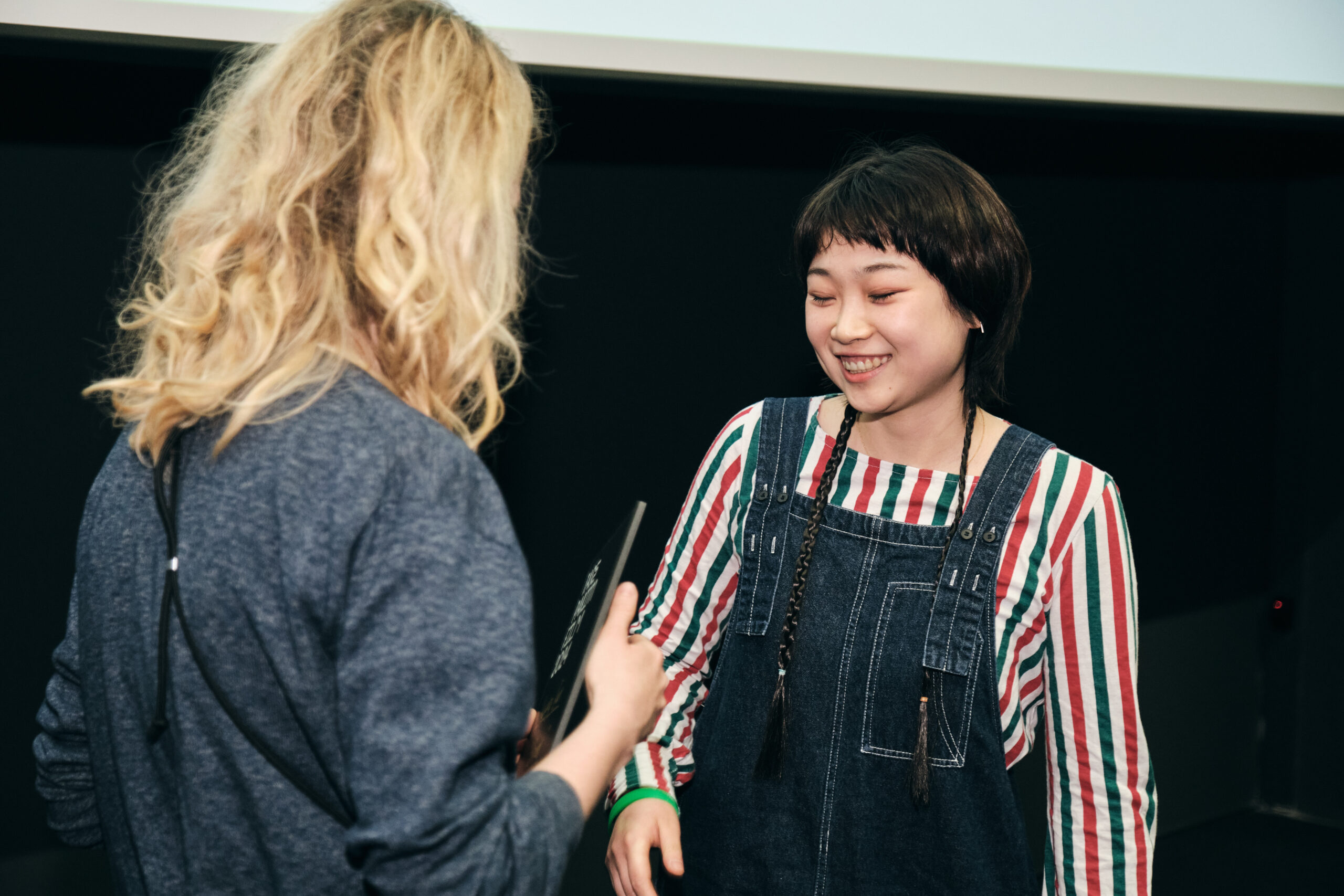
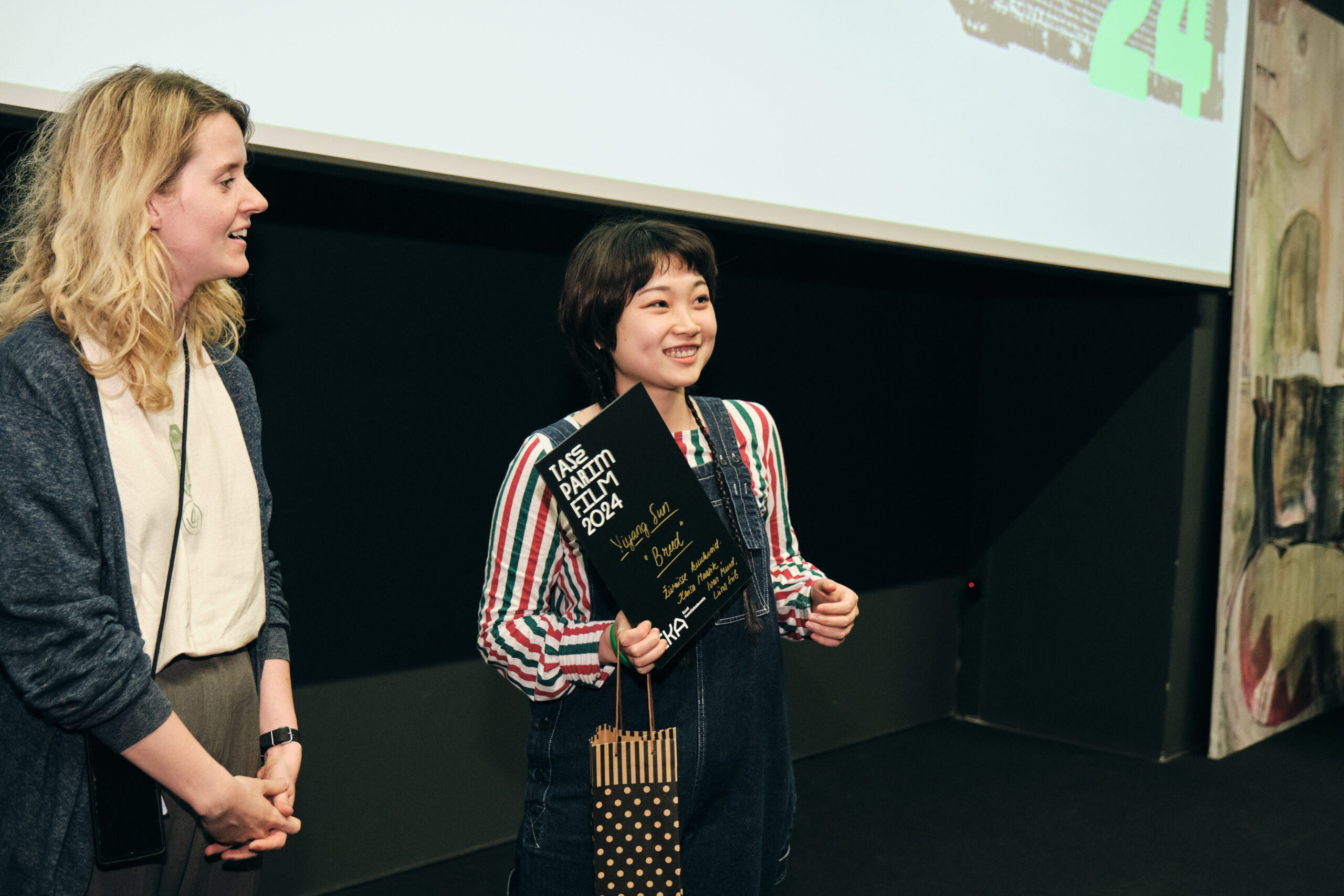
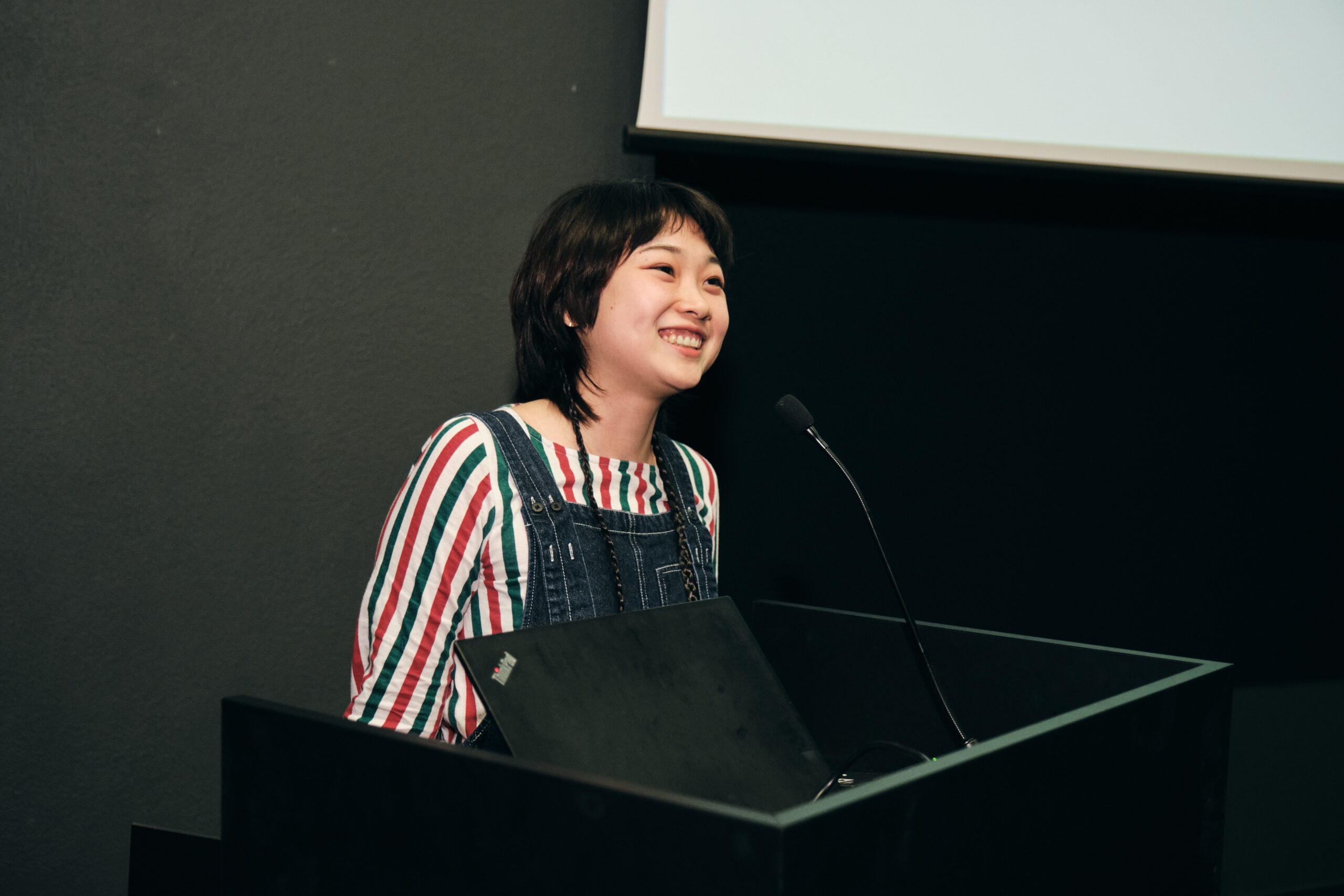
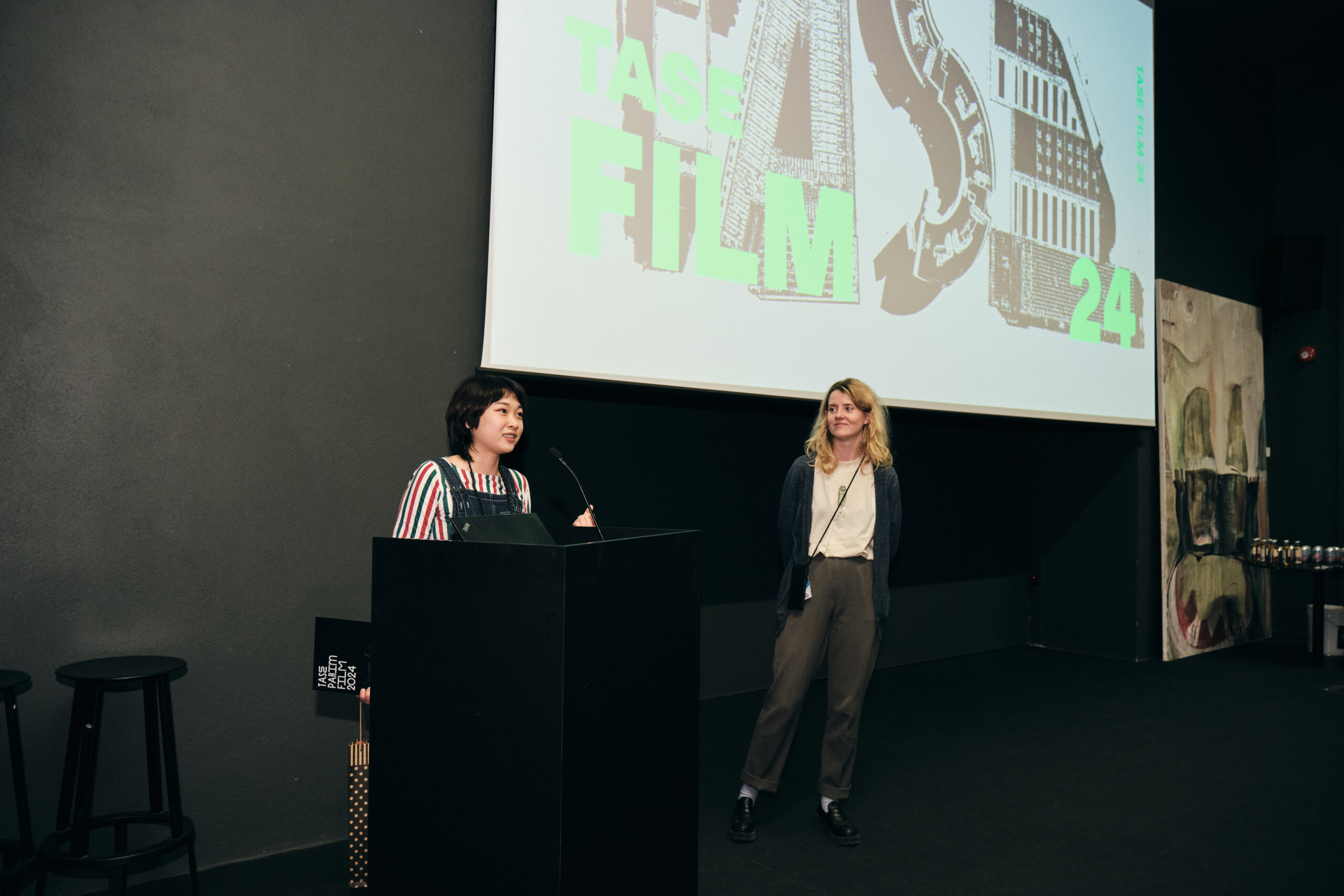
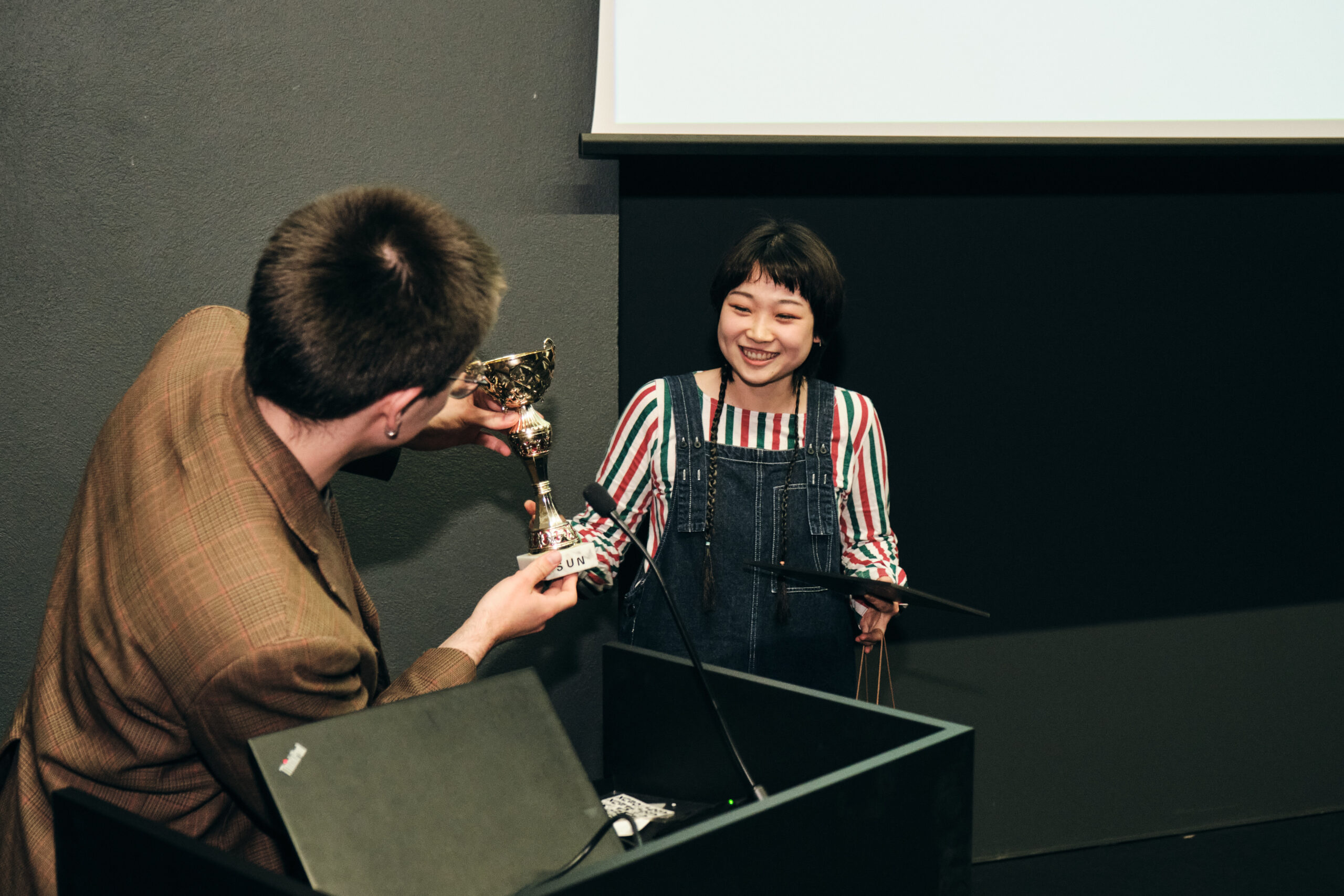
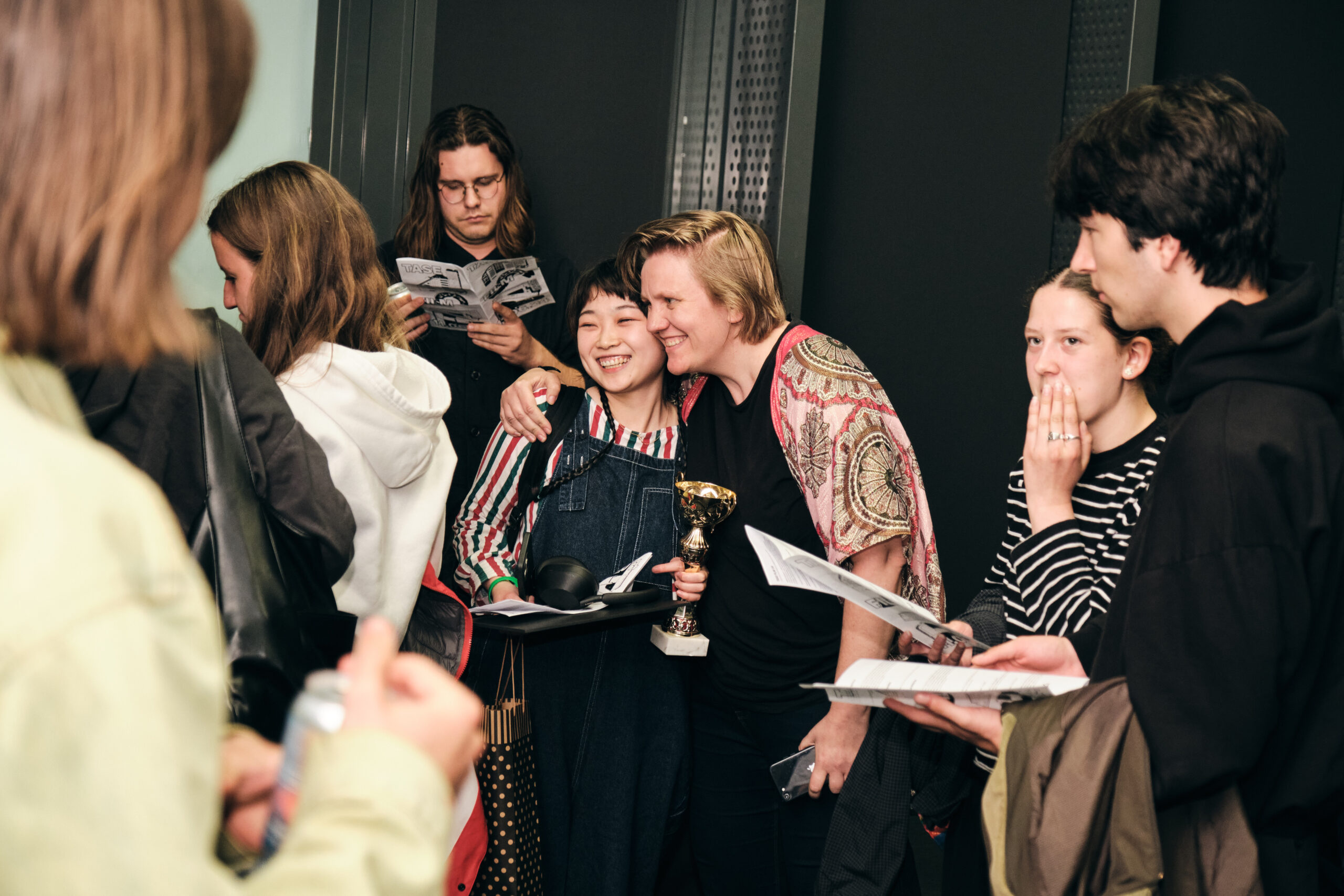
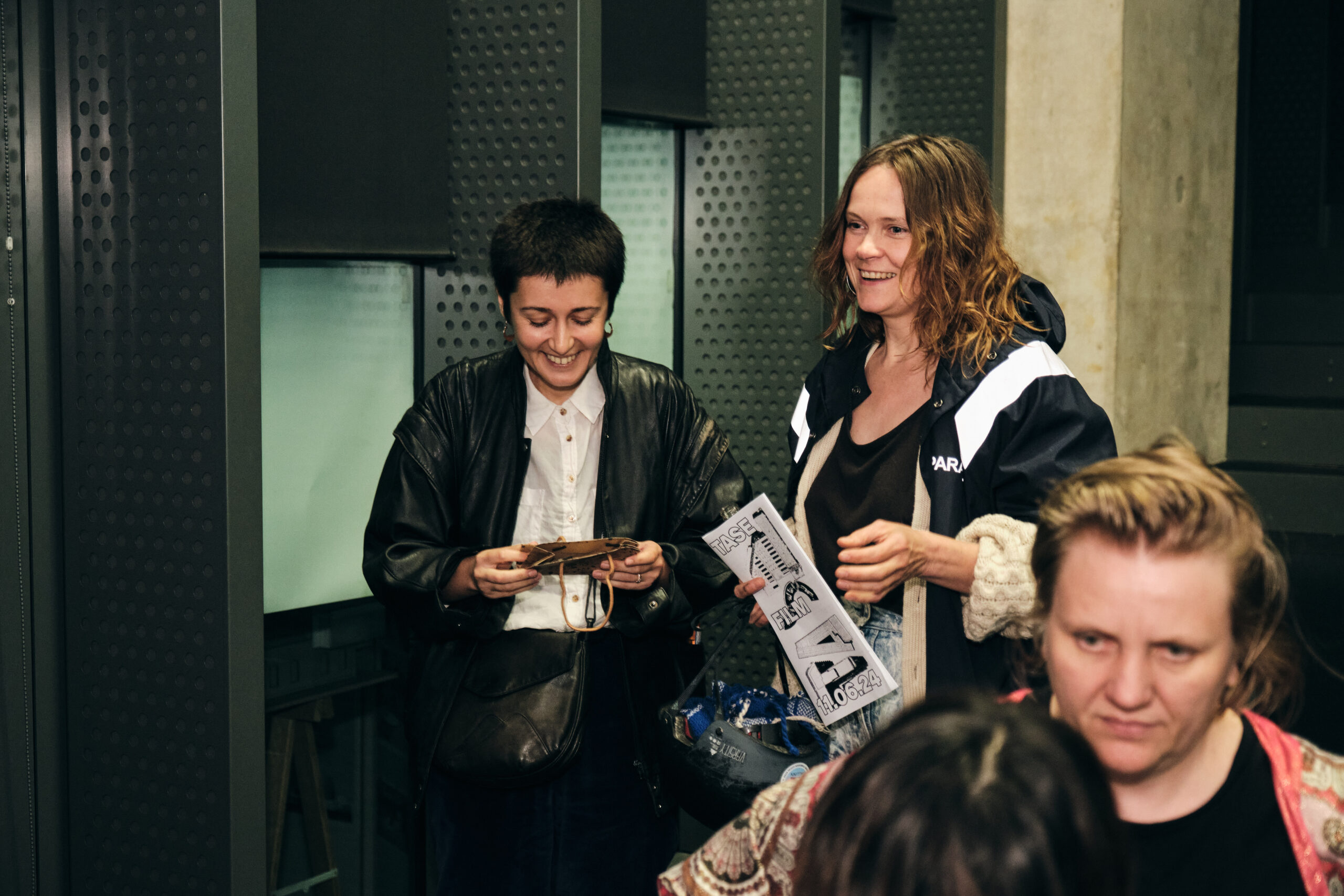
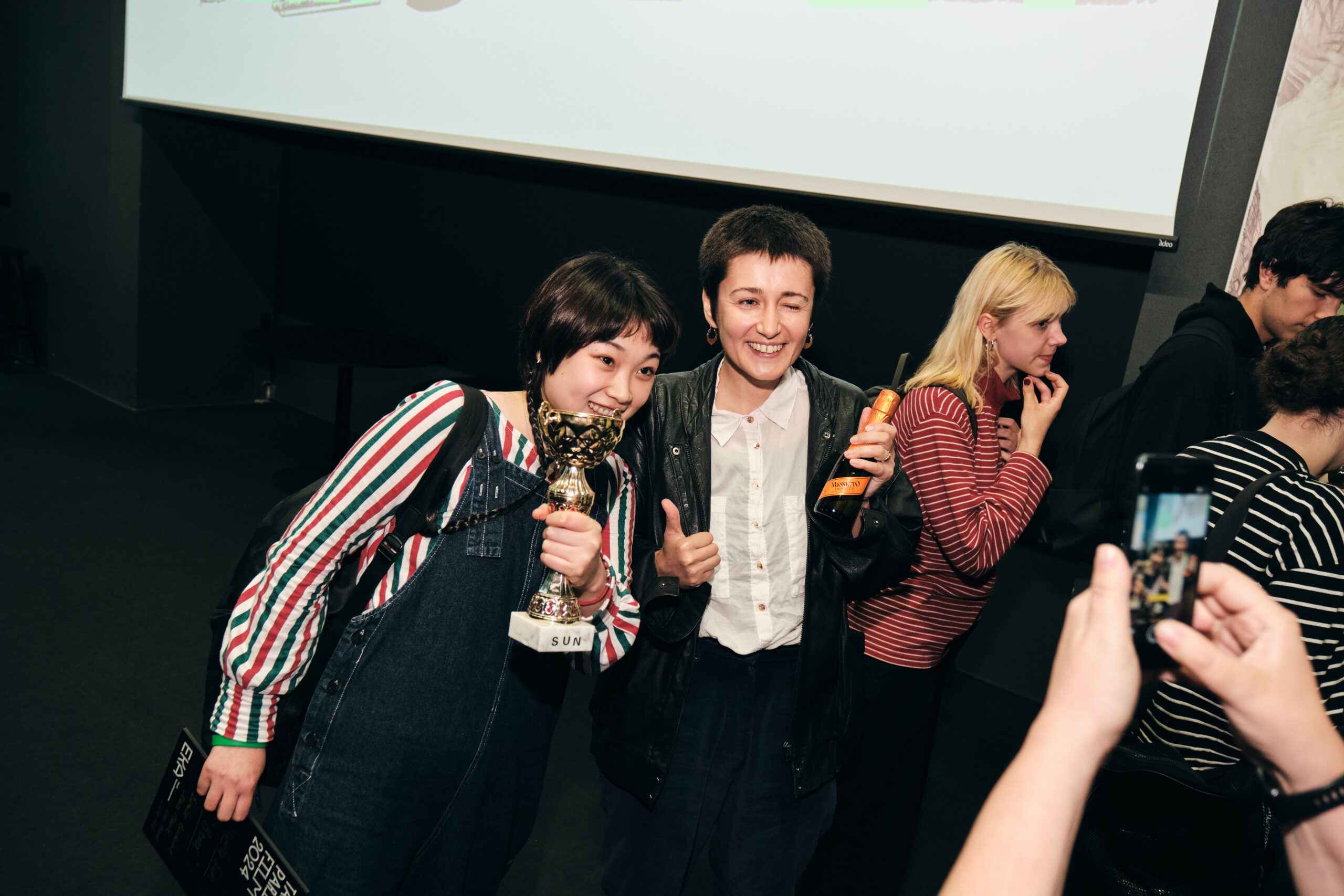
Join us for the screening of TASE FILM ‘24 on June 11 at 6 pm at the assembly hall of Estonian Academy of Arts (room A101).
The TASE film program has distinguished itself year after year as a central proving ground for all up-and-coming audiovisual artists. It is a platform for art that refuses to shackle itself within the confines of standard filmmaking practices and is constantly experimenting with the very concept of boundaries. This year’s program brings into focus the phenomenon of identity, dissecting both the biological body of an individual, as well as said body’s relations with the outside world, be it sentient or not.
The screening lasts for one hour, entry is free.
Participating artists: Anett Aedla, Agnes Milla Bereczki, Nataliia Domini, Mia Felić, Andrea Gudiño, Kadri Joala, Mark Kokotov, Marto Mägi, Piret Potter, Yiyang Sun
Curator: Kaur Järve
For the first time a jury will select the best TASE FILM among the participating films. The author of which will be awarded five free tickets to film screenings at Sõprus Cinema, in addition the film will be screened before all other screenings at both of Sõprus’ cinemas during the entire month of September. The jury consists of film director, producer and CEO of Sõprus Cinema Ivar Murd, artist Liina Siib and artist-curator and main organiser of TASE ‘24 Kaisa Maasik.
Drinks from Põhjala Brewery.
Program in screening order:
- YiyangSun
08′ 38′
The sky is vast, the wilderness is boundless
While the lonely maple tree stands at the corner of the world
It bears thousands of seeds,Transforming into butterflies
Flirting and dancing over the water bubbles
They fall in love
06′ 48”
The work explores the transgender and non-binary body in transition through the 19th century photographic process mordançage. The mordançage, using its tremendous chemical pressure alters the silver gelatine prints, causing them to undergo slow, gradual transformation. The tissue of the body and of the print breaks and a new life, new forms are born.
- Marto Mägi
breaks of from to dissociation
08′ 46”
study of the removal of static through the format of an operetta.
- Andrea Gudiño
09′ 43”
The account of the not-so-everyday landscapes in the life of an anxious human a month before her birthday, becomes a solitary confession made up of fragments while traveling alone with her phone.
- Mark Kokotov
02′ 57”
The work brings into focus the effect that cell towers have on birds and their surrounding environment. The soundscape in the video makes certain sounds audible to the human ear that are normally only accessible to different animals. Moreover, the video highlights the magnetic fields generated by the aforementioned towers and the ways in which these fields disturb the navigational skills of birds. The ethics surrounding the placement and quantity of these towers take center stage in this audiovisual piece, provoking the audience to ask themselves these exact questions.
- Nataliia Domini (Grygorieva)
00′ 36”
Sisyphian fight against Hair that will continue to grow even after human death.
- Agnes Milla Bereczki
Soul
03′ 41”
While on a 10-day trip in the Alps with the EKA animation department, we met with the animation students from Lucerne. We lived together in wooden cabins under the slope of the mountain, and every morning we would go out to hike and film. My work is inspired by ancient Estonian idolatry and a renewed perspective on coexistence with nature. Before leaving for Switzerland, I prepared a few dozen porcelain doll heads to help visualize the mythological landscape that is revealed to those who travel there. The work is classified as a music video-esque, experimental animation.
- Kadri Joala
Identity
07′ 32′
Identity is a sign and a mark, by which people classify themselves and by which they communicate with one another in any given society.’
- Piret Potter
Hingelind (meaning “spirit bird” in English)
05′ 51”
A lively child runs across a field until they notice a dead bird. The soul of the bird departs its body and flies towards the forest, and the curious child follows it. Without warning, the child falls into the world of the dead and must find their way home.
* Anett Aedla’s graduation work “What brings joy?”, duration 21′ 13”
The film tells the story of 10-year-old Lilli, who has to cope with very contrasting tasks in her everyday life. How to go to school, take care of the household, help her mother, and at the same time remain a child and find joy in life? What happens to a child’s life when their parents can no longer fulfil their responsibilities? This story, full of the joys and sorrows of everyday life, strives to show that hope does not disappear even in the toughest moments.
TASE FILM ’24
Tuesday 11 June, 2024
Join us for the screening of TASE FILM ‘24 on June 11 at 6 pm at the assembly hall of Estonian Academy of Arts (room A101).
The TASE film program has distinguished itself year after year as a central proving ground for all up-and-coming audiovisual artists. It is a platform for art that refuses to shackle itself within the confines of standard filmmaking practices and is constantly experimenting with the very concept of boundaries. This year’s program brings into focus the phenomenon of identity, dissecting both the biological body of an individual, as well as said body’s relations with the outside world, be it sentient or not.
The screening lasts for one hour, entry is free.
Participating artists: Anett Aedla, Agnes Milla Bereczki, Nataliia Domini, Mia Felić, Andrea Gudiño, Kadri Joala, Mark Kokotov, Marto Mägi, Piret Potter, Yiyang Sun
Curator: Kaur Järve
For the first time a jury will select the best TASE FILM among the participating films. The author of which will be awarded five free tickets to film screenings at Sõprus Cinema, in addition the film will be screened before all other screenings at both of Sõprus’ cinemas during the entire month of September. The jury consists of film director, producer and CEO of Sõprus Cinema Ivar Murd, artist Liina Siib and artist-curator and main organiser of TASE ‘24 Kaisa Maasik.
Drinks from Põhjala Brewery.
Program in screening order:
- YiyangSun
08′ 38′
The sky is vast, the wilderness is boundless
While the lonely maple tree stands at the corner of the world
It bears thousands of seeds,Transforming into butterflies
Flirting and dancing over the water bubbles
They fall in love
06′ 48”
The work explores the transgender and non-binary body in transition through the 19th century photographic process mordançage. The mordançage, using its tremendous chemical pressure alters the silver gelatine prints, causing them to undergo slow, gradual transformation. The tissue of the body and of the print breaks and a new life, new forms are born.
- Marto Mägi
breaks of from to dissociation
08′ 46”
study of the removal of static through the format of an operetta.
- Andrea Gudiño
09′ 43”
The account of the not-so-everyday landscapes in the life of an anxious human a month before her birthday, becomes a solitary confession made up of fragments while traveling alone with her phone.
- Mark Kokotov
02′ 57”
The work brings into focus the effect that cell towers have on birds and their surrounding environment. The soundscape in the video makes certain sounds audible to the human ear that are normally only accessible to different animals. Moreover, the video highlights the magnetic fields generated by the aforementioned towers and the ways in which these fields disturb the navigational skills of birds. The ethics surrounding the placement and quantity of these towers take center stage in this audiovisual piece, provoking the audience to ask themselves these exact questions.
- Nataliia Domini (Grygorieva)
00′ 36”
Sisyphian fight against Hair that will continue to grow even after human death.
- Agnes Milla Bereczki
Soul
03′ 41”
While on a 10-day trip in the Alps with the EKA animation department, we met with the animation students from Lucerne. We lived together in wooden cabins under the slope of the mountain, and every morning we would go out to hike and film. My work is inspired by ancient Estonian idolatry and a renewed perspective on coexistence with nature. Before leaving for Switzerland, I prepared a few dozen porcelain doll heads to help visualize the mythological landscape that is revealed to those who travel there. The work is classified as a music video-esque, experimental animation.
- Kadri Joala
Identity
07′ 32′
Identity is a sign and a mark, by which people classify themselves and by which they communicate with one another in any given society.’
- Piret Potter
Hingelind (meaning “spirit bird” in English)
05′ 51”
A lively child runs across a field until they notice a dead bird. The soul of the bird departs its body and flies towards the forest, and the curious child follows it. Without warning, the child falls into the world of the dead and must find their way home.
* Anett Aedla’s graduation work “What brings joy?”, duration 21′ 13”
The film tells the story of 10-year-old Lilli, who has to cope with very contrasting tasks in her everyday life. How to go to school, take care of the household, help her mother, and at the same time remain a child and find joy in life? What happens to a child’s life when their parents can no longer fulfil their responsibilities? This story, full of the joys and sorrows of everyday life, strives to show that hope does not disappear even in the toughest moments.
18.06.2024
ERKI Fashion Show 2024
Estonian Academy of Arts / June 18, 2024
ERKI Fashion show 2024 focuses on illusions and parallel worlds that we create for ourselves through social media and technology. However, such dreamlike bubbles often help us cope with real-life difficulties. As creators, we also construct our own worlds where we can act without criticism.
The fashion show encourages seeking balance, exploring, and connecting everyday life with the imaginary, to understand if there might be something entirely different at the meeting point of these two.
On June 18, the Estonian Academy of Arts will bring to the stage 20 young artists and fashion designers who will present unprecedented collections to the audience and international jury.
17:30 – DOORS OPEN / Estonian Academy of Arts (Põhja pst 7)
18:30 – PERFORMANCE
19:00 – ACT I Catwalk
20:00 – BREAK
20:30 – ACT II Showcase
21:30 – AWARD CEREMONY
Tickets: https://fienta.com/et/erki-moeshow-2024-2
The event lasts until 22:00
ERKI Fashion Show 2024
Tuesday 18 June, 2024
Estonian Academy of Arts / June 18, 2024
ERKI Fashion show 2024 focuses on illusions and parallel worlds that we create for ourselves through social media and technology. However, such dreamlike bubbles often help us cope with real-life difficulties. As creators, we also construct our own worlds where we can act without criticism.
The fashion show encourages seeking balance, exploring, and connecting everyday life with the imaginary, to understand if there might be something entirely different at the meeting point of these two.
On June 18, the Estonian Academy of Arts will bring to the stage 20 young artists and fashion designers who will present unprecedented collections to the audience and international jury.
17:30 – DOORS OPEN / Estonian Academy of Arts (Põhja pst 7)
18:30 – PERFORMANCE
19:00 – ACT I Catwalk
20:00 – BREAK
20:30 – ACT II Showcase
21:30 – AWARD CEREMONY
Tickets: https://fienta.com/et/erki-moeshow-2024-2
The event lasts until 22:00