
Academic Affairs OfficeAccessory DesignAnimationArchitecture and Urban DesignArt EducationCenter for Flat TechnologiesCeramicsCultural Heritage and ConservationDepartmentsDesign and Technology FuturesDoctoral SchoolDrawingFacilities and WorkshopsFaculty of ArchitectureFaculty of Art and CultureFaculty of DesignFaculty of Fine ArtsFashion DesignFinancial DepartmentGalleryGlass ArtGraphic ArtGraphic DesignInstallation and SculptureInstitute of Art History and Visual CultureInternational OfficeIT OfficeJewellery and BlacksmithingLandscape ArchitectureLibraryLinnaehitus @enMaking SpaceNew MediaOffice of the RectorateOpen AcademyPaintingPerforming ArtsPhotographyProduct DesignRectorateResearch and Development OfficeScenographySupport UnitsTextile DesignUncategorizedUrban PlanningUrban Studies
Category: Faculty of Design
12.10.2023 — 15.10.2023
Randomain exhibition at ARS
Ceramics
On Thursday, 12th of October at 18:00, EKA Glass, Ceramics, Jewellery and Blacksmithing second year students open their collective art exhibition ‘Randomain’ at ARS Art Factory Studio 53/98.
The exhibition features artwork created in a contemporary art workshop, united by the common theme of “randomness.” The artists view random occurrences as a creative tool for questioning established patterns and identifying idea fixations.
By employing an exceptionally diverse range of artistic media, from video installations to ceramic sculptures, the exhibition invites viewers to wander through an uncurated creative environment and discover the appeal of the unpredictable. ‘Randomain’ is partially a continuation of the student exhibition ‘Randomness, where?’ that took place on the same premises in the spring of 2023.
The exhibition is open for only three days: 13th until 15th of October, from 12.00-18.00.
Artists: Kaja Knowers, Johanna Hint, Merilyn Kasemets, Keily Kerem, Liisu Saar, Õnne Paulus, Anna-Liisa Villmann, Alice Kupri, Jekaterina Šehovtsova, Elisabet Kiverik, Elisabeth Tõnne, Lilian Maasik, Ronja-Marjam Vene, Karl Markus Gauk
Graphic Design: Kaja Knowers
Mentor: Sten Saarits
Supported by Estonian Academy of Arts, Estonian Artists’ Association
Follow events at ARS Art Factory: www.arsfactory.ee (ARS Art Factory is located at Pärnu mnt 154, Tallinn)
Posted by Andres Lõo — Permalink
Randomain exhibition at ARS
Thursday 12 October, 2023 — Sunday 15 October, 2023
Ceramics
On Thursday, 12th of October at 18:00, EKA Glass, Ceramics, Jewellery and Blacksmithing second year students open their collective art exhibition ‘Randomain’ at ARS Art Factory Studio 53/98.
The exhibition features artwork created in a contemporary art workshop, united by the common theme of “randomness.” The artists view random occurrences as a creative tool for questioning established patterns and identifying idea fixations.
By employing an exceptionally diverse range of artistic media, from video installations to ceramic sculptures, the exhibition invites viewers to wander through an uncurated creative environment and discover the appeal of the unpredictable. ‘Randomain’ is partially a continuation of the student exhibition ‘Randomness, where?’ that took place on the same premises in the spring of 2023.
The exhibition is open for only three days: 13th until 15th of October, from 12.00-18.00.
Artists: Kaja Knowers, Johanna Hint, Merilyn Kasemets, Keily Kerem, Liisu Saar, Õnne Paulus, Anna-Liisa Villmann, Alice Kupri, Jekaterina Šehovtsova, Elisabet Kiverik, Elisabeth Tõnne, Lilian Maasik, Ronja-Marjam Vene, Karl Markus Gauk
Graphic Design: Kaja Knowers
Mentor: Sten Saarits
Supported by Estonian Academy of Arts, Estonian Artists’ Association
Follow events at ARS Art Factory: www.arsfactory.ee (ARS Art Factory is located at Pärnu mnt 154, Tallinn)
Posted by Andres Lõo — Permalink
28.09.2023
Open lecture: Anthony Luciano
Accessory Design
Thursday, 28th of September at 17.30 Anthony Luciano, a New York based leather designer and entrepreneur will give an inspirational lecture about vintage handbags and building a small business in New York.
Anthony Luciano, a first-generation New Yorker of Italian descent, brings together artistry and family heritage. Raised in a family of skilled artisans, where his mother and grandmother were seamstresses and his father a carpenter, Luciano inherited a passion for crafting with his hands.
He initially pursued a fashion degree at the Fashion Institute of Technology but later transitioned to accessory design. In 2000, he launched his own collection, drawing inspiration from vintage handbag clasps from around the world. His aim was to create luxurious day and evening bags of exceptional quality, quickly gaining acclaim in top retailers like Bergdorf Goodman, Neiman Marcus, and Stanley Korshak. His bags have been featured in leading fashion magazines and have garnered a loyal celebrity following, including stars like Judith Light, Meryl Streep, Debra Messing, Cameron Diaz, and Megan Mullally.
This lecture is made possible by funding from the Baltic-American Freedom Foundation (BAFF).
Homepage: anthonyluciano.com
Anthony Luciano is visiting EKA to teach students a course on making handbags with frames.
Lecture is in english
Posted by Andres Lõo — Permalink
Open lecture: Anthony Luciano
Thursday 28 September, 2023
Accessory Design
Thursday, 28th of September at 17.30 Anthony Luciano, a New York based leather designer and entrepreneur will give an inspirational lecture about vintage handbags and building a small business in New York.
Anthony Luciano, a first-generation New Yorker of Italian descent, brings together artistry and family heritage. Raised in a family of skilled artisans, where his mother and grandmother were seamstresses and his father a carpenter, Luciano inherited a passion for crafting with his hands.
He initially pursued a fashion degree at the Fashion Institute of Technology but later transitioned to accessory design. In 2000, he launched his own collection, drawing inspiration from vintage handbag clasps from around the world. His aim was to create luxurious day and evening bags of exceptional quality, quickly gaining acclaim in top retailers like Bergdorf Goodman, Neiman Marcus, and Stanley Korshak. His bags have been featured in leading fashion magazines and have garnered a loyal celebrity following, including stars like Judith Light, Meryl Streep, Debra Messing, Cameron Diaz, and Megan Mullally.
This lecture is made possible by funding from the Baltic-American Freedom Foundation (BAFF).
Homepage: anthonyluciano.com
Anthony Luciano is visiting EKA to teach students a course on making handbags with frames.
Lecture is in english
Posted by Andres Lõo — Permalink
20.09.2023 — 19.10.2023
“Transformation”
Ceramics
The ceramics department of EKA is celebrating its 100th anniversary this year. This exhibition is one of the events. The large-scale ceramic forms exhibited in Viimsi Artium have been completed as a first-year study project of the EKA Ceramics Department.
The works planned and built during March and April have been fired in the beginning of May in the anagama-type kiln located in Tohisoo manor park in Kohila. The special feature of the kiln is that it is heated with wood and the objects to be fired are in direct contact with the flame, one firing lasts on average 50 hours and the kiln cools down in 4-5 days.
Participating current and former students: Anna-Liisa Villmann, Merilyn Kasemets, Keily Kerem, Lilian Maasik, Elisabeth Tönne, Sanna Lova, Kristel Kärdi, Linda Viikant, Mari-Ann Maask, Maria Kim, Kätriin Reinart, Marta Vikentjeva, Gaida -Erica Pärn, Helen Griffiths, Ethel Ütsmüts.
Subject supervisor and exhibition organizer: Karin Kalman
The exhibition will remain open until October 19.
Posted by Kersti Laanmaa — Permalink
“Transformation”
Wednesday 20 September, 2023 — Thursday 19 October, 2023
Ceramics
The ceramics department of EKA is celebrating its 100th anniversary this year. This exhibition is one of the events. The large-scale ceramic forms exhibited in Viimsi Artium have been completed as a first-year study project of the EKA Ceramics Department.
The works planned and built during March and April have been fired in the beginning of May in the anagama-type kiln located in Tohisoo manor park in Kohila. The special feature of the kiln is that it is heated with wood and the objects to be fired are in direct contact with the flame, one firing lasts on average 50 hours and the kiln cools down in 4-5 days.
Participating current and former students: Anna-Liisa Villmann, Merilyn Kasemets, Keily Kerem, Lilian Maasik, Elisabeth Tönne, Sanna Lova, Kristel Kärdi, Linda Viikant, Mari-Ann Maask, Maria Kim, Kätriin Reinart, Marta Vikentjeva, Gaida -Erica Pärn, Helen Griffiths, Ethel Ütsmüts.
Subject supervisor and exhibition organizer: Karin Kalman
The exhibition will remain open until October 19.
Posted by Kersti Laanmaa — Permalink
18.09.2023 — 15.11.2023
“From Taska Workshop to the Present Day” in EKA Library
Accessory Design
On Monday, 18th September, the EKA Library will open an exhibition to present the results of the artistic research project „The Reconstruction and Artistic Development of the Historical Relief Print Technique“.
The starting point of the study is the relief printing technique used in the workshop of leather artist and bookbinder Eduard Taska in 1924. The technique is currently unknown but distinguished from the well-known cliché and linoprint by its two-dimensional result and the absence of fine graphic lines.
The exhibition provides an overview of the experiments conducted to reconstruct the relief printing process as authentically as possible and develop printing solutions suitable for contemporary materials and techniques based on the restored historical technique that allows for mass production.
The reinvented reverse print technique allows for the use of a wide range of reusable and recyclable materials as printing plates. It enables blind and foil printing on various materials. The results of the experiments show that the reverse print is suitable for prototyping as well as for the production of unique items and small-scale products.
The exhibition will remain open until 15th November 2023.
For more information, please contact Jaana Päeva: jaana.paeva@artun.ee
EKA artistic research project team of „The reconstruction and artistic development of the historical relief print technique“: Jaana Päeva, Eve Kaaret, Lennart Mänd, Riina Samelselg
Exhibition design: Ran-Re Reimann
Project is funded by: Ministry of Culture’s Artistic Research Support Program in the field of culture and creative industries
Special thanks to: The Estonian History Museum, EKA Bookbinding Studio, IKIGI
Monday to Friday 10.00–18.00
Saturday 11.00–15.00
Posted by Andres Lõo — Permalink
“From Taska Workshop to the Present Day” in EKA Library
Monday 18 September, 2023 — Wednesday 15 November, 2023
Accessory Design
On Monday, 18th September, the EKA Library will open an exhibition to present the results of the artistic research project „The Reconstruction and Artistic Development of the Historical Relief Print Technique“.
The starting point of the study is the relief printing technique used in the workshop of leather artist and bookbinder Eduard Taska in 1924. The technique is currently unknown but distinguished from the well-known cliché and linoprint by its two-dimensional result and the absence of fine graphic lines.
The exhibition provides an overview of the experiments conducted to reconstruct the relief printing process as authentically as possible and develop printing solutions suitable for contemporary materials and techniques based on the restored historical technique that allows for mass production.
The reinvented reverse print technique allows for the use of a wide range of reusable and recyclable materials as printing plates. It enables blind and foil printing on various materials. The results of the experiments show that the reverse print is suitable for prototyping as well as for the production of unique items and small-scale products.
The exhibition will remain open until 15th November 2023.
For more information, please contact Jaana Päeva: jaana.paeva@artun.ee
EKA artistic research project team of „The reconstruction and artistic development of the historical relief print technique“: Jaana Päeva, Eve Kaaret, Lennart Mänd, Riina Samelselg
Exhibition design: Ran-Re Reimann
Project is funded by: Ministry of Culture’s Artistic Research Support Program in the field of culture and creative industries
Special thanks to: The Estonian History Museum, EKA Bookbinding Studio, IKIGI
Monday to Friday 10.00–18.00
Saturday 11.00–15.00
Posted by Andres Lõo — Permalink
14.09.2023 — 03.03.2024
“The Art of Adapting” in the Kadriorg Art Museum
Faculty of Design
“The Art of Adapting” opening on Thursday, 14 September at 6.30 pm
Artists: Sophie Durand, Elo-Reet Järv, Sandra Kosorotova, Kärt Ojavee, Uku Sepsivart, Denisa Štefanigová, Paco Ulman, Kristina Õllek
At the opening, at 7.30 pm, Johhan Rosenberg will present his site-specific performance “Adapting to 360°”. Rosenberg’s sculptural performance is rooted in the core of a myth. Before the audience’s eyes, the legends of Ovid’s Metamorphoses from the Kadriorg Palace ceiling painting will come to life.
The exhibition observes the approaches of contemporary artists to nature appreciation and the de-aestheticising of nature, rooted in ecological aesthetics and ecofeminism. The exhibition displays works by critical contemporary artists and works from the collections of the Art Museum of Estonia.
Curators: Madli Ehasalu, Triin Metsla
Exhibition designer: Siim Karro
Graphic designer: Tuuli Aule
Coordinators: Kerttu Männiste, Aleksandra Murre, Laura Tahk
Educational programmes: Ilona Kroon, Eneli Raal, Berta Vahtra
The exhibition will remain open until 3 March 2024.
Posted by Andres Lõo — Permalink
“The Art of Adapting” in the Kadriorg Art Museum
Thursday 14 September, 2023 — Sunday 03 March, 2024
Faculty of Design
“The Art of Adapting” opening on Thursday, 14 September at 6.30 pm
Artists: Sophie Durand, Elo-Reet Järv, Sandra Kosorotova, Kärt Ojavee, Uku Sepsivart, Denisa Štefanigová, Paco Ulman, Kristina Õllek
At the opening, at 7.30 pm, Johhan Rosenberg will present his site-specific performance “Adapting to 360°”. Rosenberg’s sculptural performance is rooted in the core of a myth. Before the audience’s eyes, the legends of Ovid’s Metamorphoses from the Kadriorg Palace ceiling painting will come to life.
The exhibition observes the approaches of contemporary artists to nature appreciation and the de-aestheticising of nature, rooted in ecological aesthetics and ecofeminism. The exhibition displays works by critical contemporary artists and works from the collections of the Art Museum of Estonia.
Curators: Madli Ehasalu, Triin Metsla
Exhibition designer: Siim Karro
Graphic designer: Tuuli Aule
Coordinators: Kerttu Männiste, Aleksandra Murre, Laura Tahk
Educational programmes: Ilona Kroon, Eneli Raal, Berta Vahtra
The exhibition will remain open until 3 March 2024.
Posted by Andres Lõo — Permalink
12.09.2023 — 12.11.2023
“Loading Ceramics” in Estonian Museum of Architecture
Ceramics
“Loading Ceramics” presents the results of an international short residency of the Estonian Academy of Arts, Faculty of Architecture 3DL and Department of Ceramics, which synthesizes critical spatial thinking with material and parametric additive layering technology.
The focus of collaborative robotic 3D printing of clay is targeted to the re-imagination and re-conceptualization of the ‘pillar’ of architecture – the long historical transformation of the support element is traceable in the built environment both directly in physical form and culturally in collaboration with the developments of other disciplines and technologies. In a simplified form, this quest can be summarized as the problem of minimizing and maximizing: how, in a situation where modern buildings require supporting structures that are as lightweight and easy to manufacture as possible, can we achieve a symbiosis of ideas that brings together all the disciplines involved in a comprehensive compound for this element, directing towards novel results? The aim is to (re)discover the hidden potentials of the (partly forgotten) support system in a contemporary context through experimental ceramic columns and pillars.
The opening of the exhibition will be accompanied by a thematic symposium highlighting the observations of the participating architects, designers, and artists. It will present the results of an international short-term residency of 3DL | Faculty of Architecture and Ceramics Department of the Estonian Academy of Arts, synthesizing critical spatial thinking with material and parametric layering technologies. The symposium will be chaired by Andres Kurg.
The symposium is in English.
The symposium “Keraamika kannab | Loading Ceramics takes place on Tuesday, September 12th at 14:00 on the 1st Floor and the subsequent exhibition opens at 16:00 on the 3rd floor of Estonian Architecture Museum.
Curators: Martin Melioranski, Lauri Kilusk
Co-curator: Varvara Guljajeva
Graphic Design: Cristopher Siniväli
Participants: Varvara Guljajeva and Mar Canet Solà, Raul Kalvo, Lauri Kilusk, Kaiko Kivi, Martin Melioranski, Sasha Serber, Paco Ernest Ulman, Markus Wikar
The exhibition and symposium is supported by the Estonian Academy of Arts and the Cultural Endowment of Estonia
Posted by Andres Lõo — Permalink
“Loading Ceramics” in Estonian Museum of Architecture
Tuesday 12 September, 2023 — Sunday 12 November, 2023
Ceramics
“Loading Ceramics” presents the results of an international short residency of the Estonian Academy of Arts, Faculty of Architecture 3DL and Department of Ceramics, which synthesizes critical spatial thinking with material and parametric additive layering technology.
The focus of collaborative robotic 3D printing of clay is targeted to the re-imagination and re-conceptualization of the ‘pillar’ of architecture – the long historical transformation of the support element is traceable in the built environment both directly in physical form and culturally in collaboration with the developments of other disciplines and technologies. In a simplified form, this quest can be summarized as the problem of minimizing and maximizing: how, in a situation where modern buildings require supporting structures that are as lightweight and easy to manufacture as possible, can we achieve a symbiosis of ideas that brings together all the disciplines involved in a comprehensive compound for this element, directing towards novel results? The aim is to (re)discover the hidden potentials of the (partly forgotten) support system in a contemporary context through experimental ceramic columns and pillars.
The opening of the exhibition will be accompanied by a thematic symposium highlighting the observations of the participating architects, designers, and artists. It will present the results of an international short-term residency of 3DL | Faculty of Architecture and Ceramics Department of the Estonian Academy of Arts, synthesizing critical spatial thinking with material and parametric layering technologies. The symposium will be chaired by Andres Kurg.
The symposium is in English.
The symposium “Keraamika kannab | Loading Ceramics takes place on Tuesday, September 12th at 14:00 on the 1st Floor and the subsequent exhibition opens at 16:00 on the 3rd floor of Estonian Architecture Museum.
Curators: Martin Melioranski, Lauri Kilusk
Co-curator: Varvara Guljajeva
Graphic Design: Cristopher Siniväli
Participants: Varvara Guljajeva and Mar Canet Solà, Raul Kalvo, Lauri Kilusk, Kaiko Kivi, Martin Melioranski, Sasha Serber, Paco Ernest Ulman, Markus Wikar
The exhibition and symposium is supported by the Estonian Academy of Arts and the Cultural Endowment of Estonia
Posted by Andres Lõo — Permalink
12.09.2023
Symposium “Loading Ceramics”
Ceramics
The symposium “Loading Ceramics” takes place on Tuesday, September 12th at 14:00 on the 1st Floor and the subsequent exhibition opens at 16:00 on the 3rd Floor of Estonian Architecture Museum.
The opening of the exhibition “Loading Ceramics” will be accompanied by a thematic symposium highlighting the observations of the participating architects, designers, and artists. It will present the results of an international short-term residency of 3DL | Faculty of Architecture and Ceramics Department of the Estonian Academy of Arts, synthesizing critical spatial thinking with material and parametric layering technologies. The symposium will be chaired by Andres Kurg.
The symposium is in English.
Curators: Martin Melioranski, Lauri Kilusk
Co-curator: Varvara Guljajeva
Graphic Design: Cristopher Siniväli
Participants: Varvara Guljajeva and Mar Canet Solà, Raul Kalvo, Lauri Kilusk, Kaiko Kivi, Martin Melioranski, Sasha Serber, Paco Ernest Ulman, Markus Wikar
The exhibition and symposium is supported by the Estonian Academy of Arts and the Cultural Endowment of Estonia
Posted by Andres Lõo — Permalink
Symposium “Loading Ceramics”
Tuesday 12 September, 2023
Ceramics
The symposium “Loading Ceramics” takes place on Tuesday, September 12th at 14:00 on the 1st Floor and the subsequent exhibition opens at 16:00 on the 3rd Floor of Estonian Architecture Museum.
The opening of the exhibition “Loading Ceramics” will be accompanied by a thematic symposium highlighting the observations of the participating architects, designers, and artists. It will present the results of an international short-term residency of 3DL | Faculty of Architecture and Ceramics Department of the Estonian Academy of Arts, synthesizing critical spatial thinking with material and parametric layering technologies. The symposium will be chaired by Andres Kurg.
The symposium is in English.
Curators: Martin Melioranski, Lauri Kilusk
Co-curator: Varvara Guljajeva
Graphic Design: Cristopher Siniväli
Participants: Varvara Guljajeva and Mar Canet Solà, Raul Kalvo, Lauri Kilusk, Kaiko Kivi, Martin Melioranski, Sasha Serber, Paco Ernest Ulman, Markus Wikar
The exhibition and symposium is supported by the Estonian Academy of Arts and the Cultural Endowment of Estonia
Posted by Andres Lõo — Permalink
04.09.2023
EEE Studio Open Lecture
Graphic Design
EEE is a graphic design studio based between Bologna and Ravenna (IT) born from the collaborative experience of Emilio Macchia and Erica Preli.
The studio is engaged in a wide range of projects within the field of arts and culture, including publication and book design, brand identities and exhibition design.
EEE gives lectures and holds workshops at universities and other educational institutions, both in Italy and abroad, such as: Fine Art Academy Bologna, Fine Art Academy Macerata and Alma Mater Studiorum Bologna University.
The studio also works on research-based and self-initiated projects; some of the most recents are SUBSTITUTES and Fahrenheit 39 art book fair in Ravenna since 2010.
Posted by Andres Lõo — Permalink
EEE Studio Open Lecture
Monday 04 September, 2023
Graphic Design
EEE is a graphic design studio based between Bologna and Ravenna (IT) born from the collaborative experience of Emilio Macchia and Erica Preli.
The studio is engaged in a wide range of projects within the field of arts and culture, including publication and book design, brand identities and exhibition design.
EEE gives lectures and holds workshops at universities and other educational institutions, both in Italy and abroad, such as: Fine Art Academy Bologna, Fine Art Academy Macerata and Alma Mater Studiorum Bologna University.
The studio also works on research-based and self-initiated projects; some of the most recents are SUBSTITUTES and Fahrenheit 39 art book fair in Ravenna since 2010.
Posted by Andres Lõo — Permalink
18.08.2023 — 15.09.2023
To mold, To hold. Currents in Estonian ceramics
Ceramics
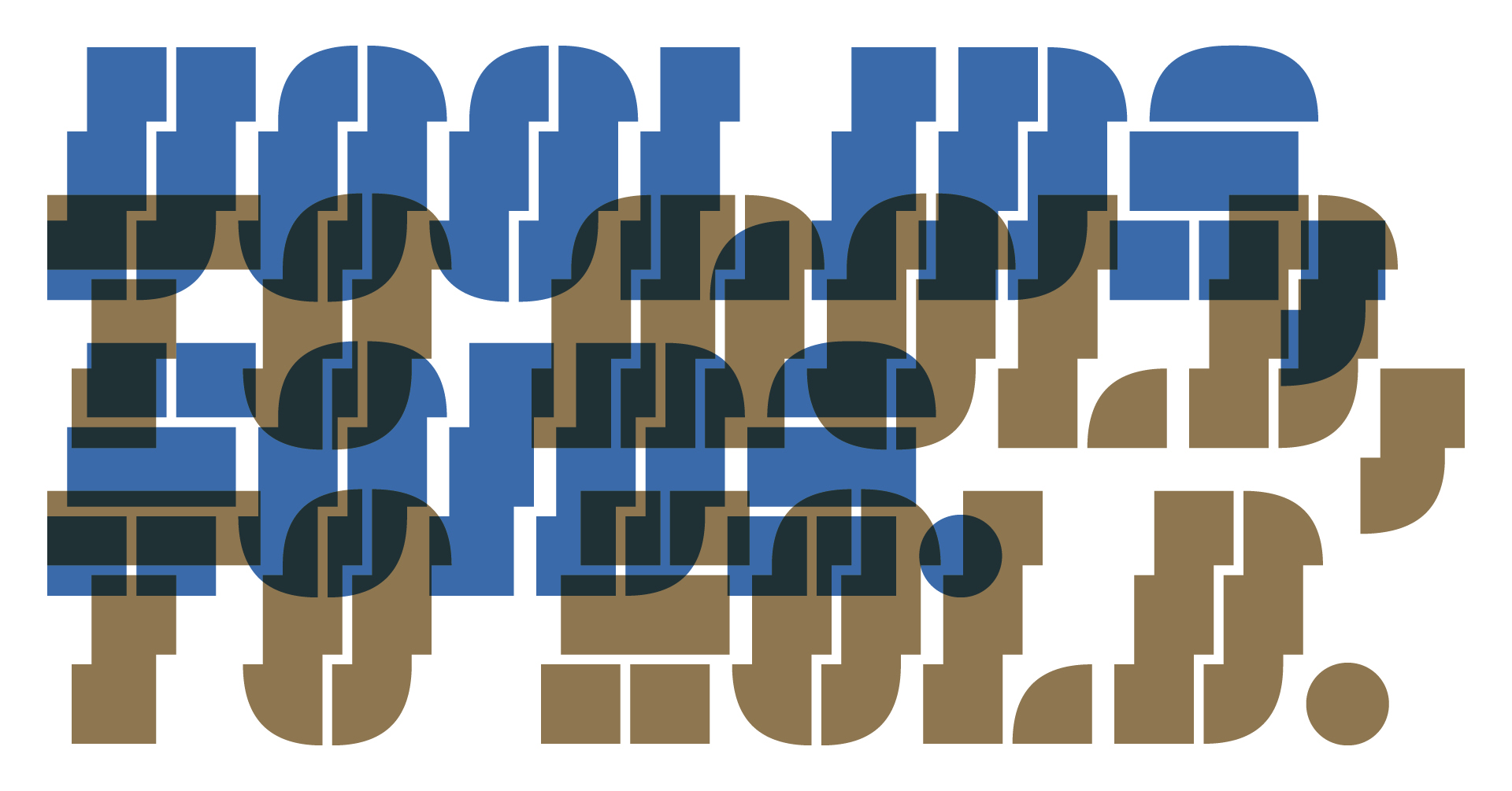
On 18 August at 7 p.m., the group exhibition “To mold, To hold. Currents in Estonian ceramics” will open at the ARS project space in Tallinn.
“To mold, To hold. Currents in Estonian ceramics” includes a selection of ceramic works by prominent artists of the last century and contemporary artists and designers.
A selection of works from the collections of the Estonian Artists Association and the Estonian Museum of Applied Arts and Design, as well as from contemporary artists, is accompanied by Kati Saarits’ diary-like snapshots of publications from the second half of the last century on ceramic art and binders compiled by Leo Rohlin, both from the ETDM archive.
The exhibition will also include a revised version of Raili Keiv’s table installation from the exhibition ‘ROOM’ at the Estonian Museum of Applied Arts and Design, which highlighted the ceramicists who made their mark in Estonian ceramic companies in the 1960s and 1980s, as well as some more recent outstanding finds.
The exhibition is part of the 100th anniversary of the ceramics department of the EKA.
Participating artists: Anu Rank Soans, Ingrid Allik, Leo Rohlin, Velda Soidla, Anne Keek, Laine Sisa, Henriette Tugi Nuusberg, Annika Teder, Haidi Ratas, Tiina Lõhmus, Viive Väljaots, Helle Videvik, Juss Heinsalu, Kris Lemsalu, Mai Järmut, Helene Kuma, Urmas Puhkan, Lauri Kilusk, Laura Põld, Luule Kormašova, Naima Uustalu, Raili Keiv, Mariana Laan, Ene Raud and a selection of EKA student projects.
Curators: Kati Saarits, Raili Keiv, Laura Põld
Exhibition design: Kadri Villand
Graphic design: Jaan Evart
Poem: Katrin Väli
Supported by: Cultural Endowment of Estonia, Estonian Academy of Arts, Estonian Artist Association, Estonian, Estonian Museum of Applied Art and Design, Valge Kuup Studio, Põhjala Brewery
Thanks: Loit Jõekalda, Aadam Kaarma, Tanja Muravskaja, Kaja Krustok, Lukas Eggerth, Karmo Migur, Aksel Haagensen, Marin Mutle, Helen Adamson, Ketli Tiitsar, Kai Lobjakas, Kersti Laanmaa, Indrek Köster
Exhibition design: Kadri Villand
Graphic design: Jaan Evart
Poem: Katrin Väli
Supported by: Cultural Endowment of Estonia, Estonian Academy of Arts, Estonian Artist Association, Estonian, Estonian Museum of Applied Art and Design, Valge Kuup Studio, Põhjala Brewery
Thanks: Loit Jõekalda, Aadam Kaarma, Tanja Muravskaja, Kaja Krustok, Lukas Eggerth, Karmo Migur, Aksel Haagensen, Marin Mutle, Helen Adamson, Ketli Tiitsar, Kai Lobjakas, Kersti Laanmaa, Indrek Köster
The exhibition at the ARS project space is open until 15 September 2023
Wed–Sun 2–7 pm
ARS project space, Pärnu mnt 154, 11317 Tallinn, entrance from the courtyard.
Wed–Sun 2–7 pm
ARS project space, Pärnu mnt 154, 11317 Tallinn, entrance from the courtyard.
amicably and unapologetically sharing space
(so much has been shattered into pieces
it’s nowhere to be found – a shame)
youthful
youthful crocheters interact with the mountain
in big 3D light
in the light of the dome
friendly and equitable
in fact, they are a family
delicate sensitive fingers see the bonds
the gaze connects the distant and the remote in the present day
storehouse of fired clay wants to be put on the table
along with young relatives
see this table there is no such thing as time here after all
strangely square and rounded meet
angular and smooth
the crackle and the lava glaze
white and dark black and shining
In the hot kiln the clay bird has made a nest for itself
lays eggs in wondrous shapes or egg-shapes
but more in other shapes
a discreet feminine wave has exploded from the kiln
captures the eye and sets it free again
paper and pencil have watched it all
and the camera has admired it
captured moments are sprinkled on trays
with a delicate and sensitive hand
in the shadows of the twists and turns is the hard heart of the clay bird
that explodes again and again into fragments
–
Extract from the poem accompanying the exhibition by Katrin Väli
Posted by Kati Saarits — Permalink
To mold, To hold. Currents in Estonian ceramics
Friday 18 August, 2023 — Friday 15 September, 2023
Ceramics
On 18 August at 7 p.m., the group exhibition “To mold, To hold. Currents in Estonian ceramics” will open at the ARS project space in Tallinn.
“To mold, To hold. Currents in Estonian ceramics” includes a selection of ceramic works by prominent artists of the last century and contemporary artists and designers.
A selection of works from the collections of the Estonian Artists Association and the Estonian Museum of Applied Arts and Design, as well as from contemporary artists, is accompanied by Kati Saarits’ diary-like snapshots of publications from the second half of the last century on ceramic art and binders compiled by Leo Rohlin, both from the ETDM archive.
The exhibition will also include a revised version of Raili Keiv’s table installation from the exhibition ‘ROOM’ at the Estonian Museum of Applied Arts and Design, which highlighted the ceramicists who made their mark in Estonian ceramic companies in the 1960s and 1980s, as well as some more recent outstanding finds.
The exhibition is part of the 100th anniversary of the ceramics department of the EKA.
Participating artists: Anu Rank Soans, Ingrid Allik, Leo Rohlin, Velda Soidla, Anne Keek, Laine Sisa, Henriette Tugi Nuusberg, Annika Teder, Haidi Ratas, Tiina Lõhmus, Viive Väljaots, Helle Videvik, Juss Heinsalu, Kris Lemsalu, Mai Järmut, Helene Kuma, Urmas Puhkan, Lauri Kilusk, Laura Põld, Luule Kormašova, Naima Uustalu, Raili Keiv, Mariana Laan, Ene Raud and a selection of EKA student projects.
Curators: Kati Saarits, Raili Keiv, Laura Põld
Exhibition design: Kadri Villand
Graphic design: Jaan Evart
Poem: Katrin Väli
Supported by: Cultural Endowment of Estonia, Estonian Academy of Arts, Estonian Artist Association, Estonian, Estonian Museum of Applied Art and Design, Valge Kuup Studio, Põhjala Brewery
Thanks: Loit Jõekalda, Aadam Kaarma, Tanja Muravskaja, Kaja Krustok, Lukas Eggerth, Karmo Migur, Aksel Haagensen, Marin Mutle, Helen Adamson, Ketli Tiitsar, Kai Lobjakas, Kersti Laanmaa, Indrek Köster
Exhibition design: Kadri Villand
Graphic design: Jaan Evart
Poem: Katrin Väli
Supported by: Cultural Endowment of Estonia, Estonian Academy of Arts, Estonian Artist Association, Estonian, Estonian Museum of Applied Art and Design, Valge Kuup Studio, Põhjala Brewery
Thanks: Loit Jõekalda, Aadam Kaarma, Tanja Muravskaja, Kaja Krustok, Lukas Eggerth, Karmo Migur, Aksel Haagensen, Marin Mutle, Helen Adamson, Ketli Tiitsar, Kai Lobjakas, Kersti Laanmaa, Indrek Köster
The exhibition at the ARS project space is open until 15 September 2023
Wed–Sun 2–7 pm
ARS project space, Pärnu mnt 154, 11317 Tallinn, entrance from the courtyard.
Wed–Sun 2–7 pm
ARS project space, Pärnu mnt 154, 11317 Tallinn, entrance from the courtyard.
amicably and unapologetically sharing space
(so much has been shattered into pieces
it’s nowhere to be found – a shame)
youthful
youthful crocheters interact with the mountain
in big 3D light
in the light of the dome
friendly and equitable
in fact, they are a family
delicate sensitive fingers see the bonds
the gaze connects the distant and the remote in the present day
storehouse of fired clay wants to be put on the table
along with young relatives
see this table there is no such thing as time here after all
strangely square and rounded meet
angular and smooth
the crackle and the lava glaze
white and dark black and shining
In the hot kiln the clay bird has made a nest for itself
lays eggs in wondrous shapes or egg-shapes
but more in other shapes
a discreet feminine wave has exploded from the kiln
captures the eye and sets it free again
paper and pencil have watched it all
and the camera has admired it
captured moments are sprinkled on trays
with a delicate and sensitive hand
in the shadows of the twists and turns is the hard heart of the clay bird
that explodes again and again into fragments
–
Extract from the poem accompanying the exhibition by Katrin Väli
Posted by Kati Saarits — Permalink
22.06.2023 — 30.07.2023
Group exhibition “Through fog and stones” at the Tartu Art House
Textile Design
On 30 June at 5 pm the group exhibition “Through fog and stones”, with works by Katarina Kruus, Liina Leo, Eugenio Marini and Ingrid Helena Pajo, will open in the monumental gallery of the Tartu Art House.
In the exhibition, the artists will regather to weave their creative journeys into one living and breathing organism. As a follow-up to the exhibition projects “Roaming” (ARS Kunstilinnak, 2022) and “DOKKING Station” (Vent Space, 2021), this joint project is reaching into blurred intervals, into the mist.
Fog, a cloud of suspended water droplets, reduces the transparency of the air. Fog as an image of obscurity can be seen as a confusing factor, as a phenomenon that obscures one’s view. At the same time, there is also potential hidden in the fog: an opportunity to hide and let thoughts find shape, like in a cosmic cloud in which stars are born.
“Through fog and stones” opens these intermediate areas and hiding places, in which one can be away or can become. These places may also be states, movements in which everything stands still. The blink of an eye between exhalation and inhalation. Moments when the old skin is falling off, but new skin has not yet begun to grow. Staying in an in-between state can be both stimulating and stagnating, glowing like light and as solid as stone.
Ingrid Helena Pajo (b. 1996) explores original textile technologies through gathering and weaving. What she finds form an integral part of this journey of discovery, highlighting the importance of the journey and the process. She is fascinated by the potential of material arts to make sense of the experience of human life. In 2021, Pajo graduated from the Estonian Academy of Arts with a specialisation in textiles (MA) and was awarded the title of young textile artist of the year by the Estonian Textile Artists´ Association that same year.
Eugenio Marini (b. 1995) is an artist from Rome who graduated in fine arts from the Liceo Artistico Ripetta, studied sculpture at the Accademia di Belle Arti di Roma and worked with several artists in Italy and abroad. He resides alternately in Estonia, Italy and Greece, and works in sculpture and installation, using mostly found objects and materials.
Liina Leo (b. 1993) combines several media of contemporary art in her work, primarily dealing with the exploration of hostile space and today’s alienating environment. She is a graduate of Central Saint Martins in Contemporary Photography, London. She has previously participated in and organised several exhibitions in Estonia and abroad, for example at the Unit1 gallery in London, and the EKA gallery and VENT space in Tallinn, and has participated in the Bauhaus Fest in Weimar, Germany and the YTAT triennial in Lodz, Poland.
Katarina Kruus (b. 1995) is a multidisciplinary artist-designer who studies, observes and mediates the transformation of materials from one state to another. She focusses on biomaterials and natural pigments, while thinking about desirable future landscapes. She graduated from the Estonian Academy of Arts with a specialisation in textiles (BA) and is currently obtaining a master’s degree there. In addition, she has studied at the Shenkar College of Engineering, Design and Art.
Graphic design: Johanna Ruukholm
The exhibition is supported by the Cultural Endowment of Estonia.
The exhibition will be open until 30 July.
Posted by Andres Lõo — Permalink
Group exhibition “Through fog and stones” at the Tartu Art House
Thursday 22 June, 2023 — Sunday 30 July, 2023
Textile Design
On 30 June at 5 pm the group exhibition “Through fog and stones”, with works by Katarina Kruus, Liina Leo, Eugenio Marini and Ingrid Helena Pajo, will open in the monumental gallery of the Tartu Art House.
In the exhibition, the artists will regather to weave their creative journeys into one living and breathing organism. As a follow-up to the exhibition projects “Roaming” (ARS Kunstilinnak, 2022) and “DOKKING Station” (Vent Space, 2021), this joint project is reaching into blurred intervals, into the mist.
Fog, a cloud of suspended water droplets, reduces the transparency of the air. Fog as an image of obscurity can be seen as a confusing factor, as a phenomenon that obscures one’s view. At the same time, there is also potential hidden in the fog: an opportunity to hide and let thoughts find shape, like in a cosmic cloud in which stars are born.
“Through fog and stones” opens these intermediate areas and hiding places, in which one can be away or can become. These places may also be states, movements in which everything stands still. The blink of an eye between exhalation and inhalation. Moments when the old skin is falling off, but new skin has not yet begun to grow. Staying in an in-between state can be both stimulating and stagnating, glowing like light and as solid as stone.
Ingrid Helena Pajo (b. 1996) explores original textile technologies through gathering and weaving. What she finds form an integral part of this journey of discovery, highlighting the importance of the journey and the process. She is fascinated by the potential of material arts to make sense of the experience of human life. In 2021, Pajo graduated from the Estonian Academy of Arts with a specialisation in textiles (MA) and was awarded the title of young textile artist of the year by the Estonian Textile Artists´ Association that same year.
Eugenio Marini (b. 1995) is an artist from Rome who graduated in fine arts from the Liceo Artistico Ripetta, studied sculpture at the Accademia di Belle Arti di Roma and worked with several artists in Italy and abroad. He resides alternately in Estonia, Italy and Greece, and works in sculpture and installation, using mostly found objects and materials.
Liina Leo (b. 1993) combines several media of contemporary art in her work, primarily dealing with the exploration of hostile space and today’s alienating environment. She is a graduate of Central Saint Martins in Contemporary Photography, London. She has previously participated in and organised several exhibitions in Estonia and abroad, for example at the Unit1 gallery in London, and the EKA gallery and VENT space in Tallinn, and has participated in the Bauhaus Fest in Weimar, Germany and the YTAT triennial in Lodz, Poland.
Katarina Kruus (b. 1995) is a multidisciplinary artist-designer who studies, observes and mediates the transformation of materials from one state to another. She focusses on biomaterials and natural pigments, while thinking about desirable future landscapes. She graduated from the Estonian Academy of Arts with a specialisation in textiles (BA) and is currently obtaining a master’s degree there. In addition, she has studied at the Shenkar College of Engineering, Design and Art.
Graphic design: Johanna Ruukholm
The exhibition is supported by the Cultural Endowment of Estonia.
The exhibition will be open until 30 July.
Posted by Andres Lõo — Permalink